NEPSILON-FMOC-NALPHA-CBZ-L-LYSINE, 98 Bulk Supply for Industrial Use
China Factory Direct
 |
|
| CAS number | 105751-18-6 |
| Product name | NEPSILON-FMOC-NALPHA-CBZ-L-LYSINE, 98 |
| Stock | Stock readily available; annual supply capacity exceeding 1,000 tons. |
| Grade | Pharmaceutical Grade |
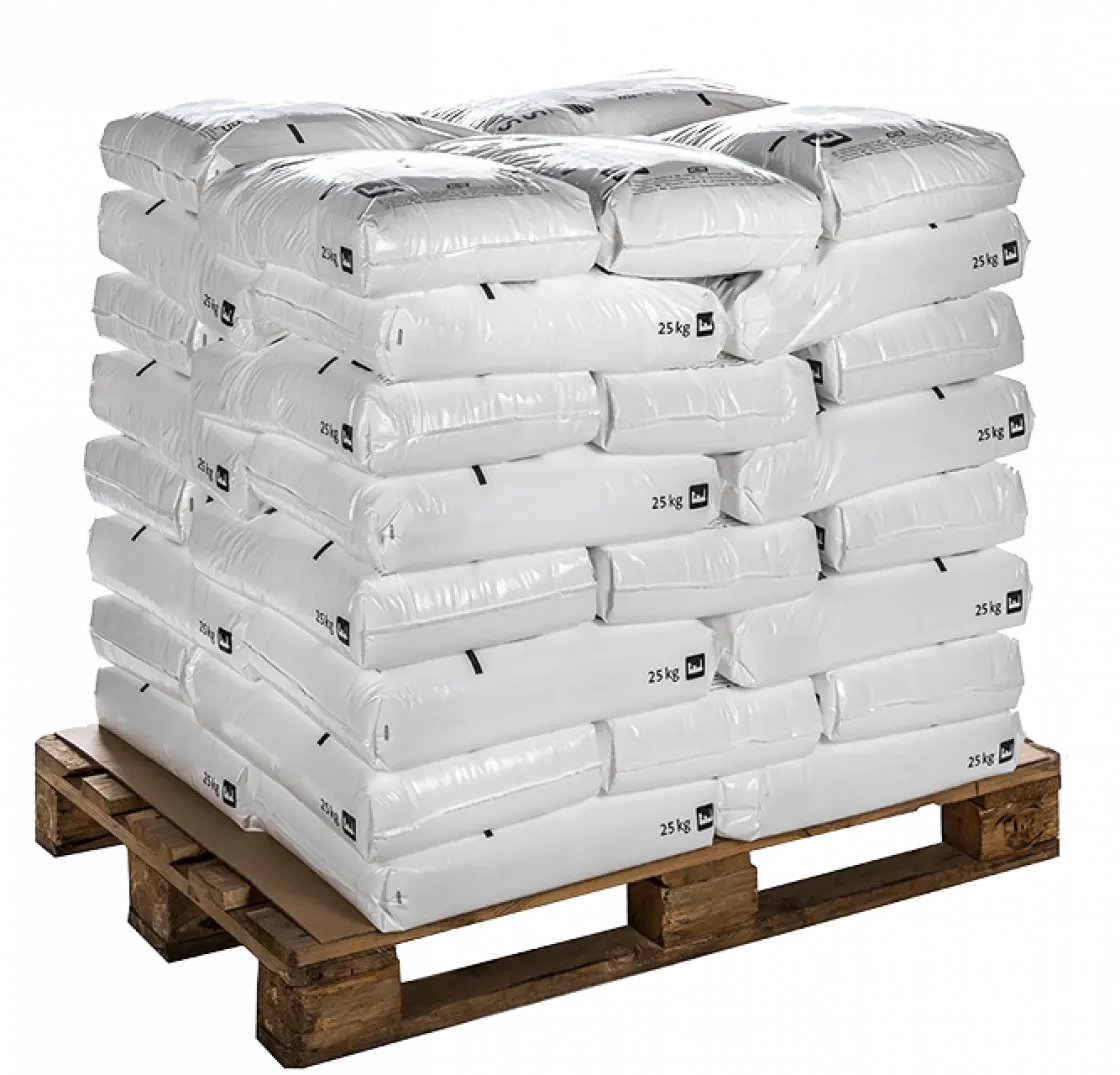
| Packaging | 25KG/bag |
| Sample | Test Samples Available (Click to Request Samples) |
| COA | View COA |
| Price | Get Quote |
| Supply Type | Bulk / Contract manufacturing / OEM |
| Shipping | FCL / LCL available |
| Payment Terms | Support FOB \ CIF \ EXW quotations, and accept Letter of Credit (L/C). |
| Manufacturer | Greenrock Chemical(China Factory) |






QUOTE TYPE
PACKAGING TYPE
TOTAL QUANTITY(KG)
PREFERRED SHIPPING METHOD
YOUR COMPANY
YOUR E-MAIL
Calculate Summary
Based on current marketvolatility and material availability.
Documents We Provide for NEPSILON-FMOC-NALPHA-CBZ-L-LYSINE, 98
Post-sale: Full documentation is provided.
To request documents, please contact us via email at sales@GRchemical.com.
Bulk NEPSILON-FMOC-NALPHA-CBZ-L-LYSINE, 98 Supplier from China
17+ years in chemical exports.Fully compliant, reliable supply.Your B2B partner in bulk chemical procurement.
Industrial Applications of NEPSILON-FMOC-NALPHA-CBZ-L-LYSINE, 98
| Industry | Application | Process |
|---|---|---|
| Biopharmaceutical R&D | Lysine-protected amino acid monomer for solid-phase peptide synthesis (SPPS) | Used in Fmoc-based peptide chain elongation; C-terminus activated and coupled to resin; Nα-CBZ/Fmoc dual protection enables orthogonal deprotection, supporting precise construction of branched, cyclic, and modified peptides |
| Medicinal Chemistry | Building block for novel peptide therapeutics (e.g., antimicrobial peptides, targeting peptides, hormone analogs) | Stepwise coupling on automated peptide synthesizers according to predefined sequences; CBZ group removed via hydrogenolysis to expose the α-amino group for subsequent reactions; Fmoc group selectively cleaved with piperidine to enable further chain elongation |
| Diagnostics Reagent Development | Synthesis of lysine-tagged antigen-mimicking peptides or biotinylated probes | Functional groups (e.g., fluorescent dyes, biotin, PEG) introduced via the ε-amino group of lysine side chains; dual Fmoc/CBZ protection ensures backbone synthesis completeness prior to side-chain modification |
Manufacturing Quality Control of NEPSILON-FMOC-NALPHA-CBZ-L-LYSINE, 98
| Detection Item | Common Analytical Method | Method Overview |
|---|---|---|
| Assay (Purity) | HPLC-UV | Quantitative determination using reversed-phase HPLC with UV detection at 220 nm, comparing peak area to a certified reference standard. |
| Related Substances | HPLC-UV | Separation and quantification of structurally related impurities using gradient HPLC-UV against reference standards or threshold-based reporting. |
| Residual Solvents | GC-FID | Headspace gas chromatography with flame ionization detection to quantify volatile organic solvents based on retention time and peak area calibration. |
| Water Content | Karl Fischer Titration | Electrochemical titration using iodine generation in methanol-based reagent; water reacts stoichiometrically with iodine and sulfur dioxide. |
| Optical Rotation | [alpha]D Measurement | Measurement of specific rotation using a polarimeter at 20 degrees C and sodium D-line (589 nm) to confirm chiral integrity. |
| Heavy Metals | ICP-MS | Quantitative multielement analysis after acid digestion, detecting metals via mass-to-charge ratio with isotopic resolution and low detection limits. |
| Residue on Ignition | Gravimetric Analysis | Ignition at 700-800 degrees C followed by weighing of inorganic residue to determine non-volatile inorganic impurities. |
| Chloride Content | Ion Chromatography | Separation and quantification of chloride anions using suppressed conductivity detection after aqueous extraction. |
| Melting Point | Capillary Melting Point Apparatus | Thermal transition observed visually or via automated detection as the solid converts to liquid under controlled heating rate. |
| Appearance | Visual Inspection | Assessment of physical form, color, and homogeneity against established reference under standardized lighting and viewing conditions. |
| Particle Size Distribution | Laser Diffraction | Analysis of scattered laser light intensity patterns to calculate volume-based particle size distribution in dispersed dry or wet samples. |
| Microbial Contamination | Membrane Filtration | Filtration of sample solution through sterile membrane, followed by incubation on appropriate agar media for aerobic microbial enumeration. |
Technical Specifications of NEPSILON-FMOC-NALPHA-CBZ-L-LYSINE, 98
| Test Item | Specification |
|---|---|
| Appearance | White solid |
| Purity | >=98.0% (LC-MS) |
| Water Content (KF) | <=0.5% |
| Total Impurities | <=2.0% |
| Single Impurity | <=0.5% |
| Optical Rotation | -7.0 to -6.4 (c=1, in DMF) |
| Melting Point | 148 to 152 °C |
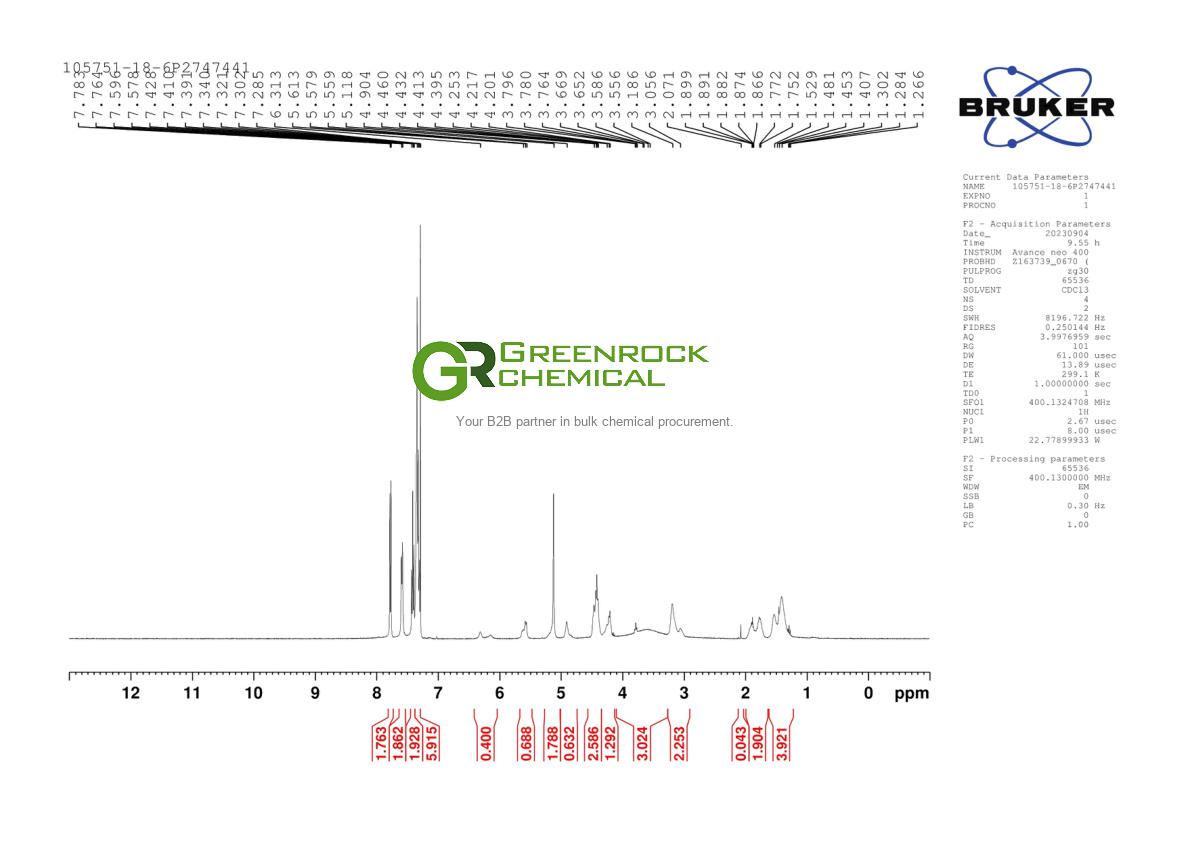
| Identification (NMR) | Consistent with structure |
| Residue on Ignition | <=0.1% |
 Specifications vary by industry. Reach out to our technical experts for a COA tailored specifically to your application. Email:selse@GRchemical.com
|
|
Download COA of NEPSILON-FMOC-NALPHA-CBZ-L-LYSINE, 98
| CAS/Product ID | *Required fields | |
| Lot/Batch Number | *Required fields | |
NMR Spectra of NEPSILON-FMOC-NALPHA-CBZ-L-LYSINE, 98
Safety Information of NEPSILON-FMOC-NALPHA-CBZ-L-LYSINE, 98
| Pictograms |  |
| Signal Word | Warning |
| Safety Data Sheet | |
Packaging of NEPSILON-FMOC-NALPHA-CBZ-L-LYSINE, 98
Industrial NEPSILON-FMOC-NALPHA-CBZ-L-LYSINE, 98 Procurement FAQ
1. How do you ensure product quality consistency?
We rely on a mature China-based manufacturing system and implement strict batch control and quality inspection for every shipment. Our production process complies with ISO 9001 standards, and a COA is provided for each batch to ensure consistent and reliable quality.
2. Do you offer competitive pricing for bulk orders?
Yes, as a China-based manufacturer and bulk supplier, we provide tiered pricing based on order volume. We support FOB and CIF quotations, as well as L/C payment terms for large transactions to meet international trade requirements.
3. Can you support large-volume or long-term supply?
We have stable production capacity and a well-established supply chain, enabling continuous bulk supply. We support ton-level and container-level orders, as well as long-term cooperation projects.
4. What is your typical lead time?
For in-stock products, shipment can be arranged within 1–3 days. For bulk packaging or customized orders, lead time depends on the specific quantity and production schedule.
5. What documents do you provide?
We can provide complete documentation upon request, including COA, SDS, TDS, and other compliance certificates, meeting industrial procurement and export requirements.
6. Can you customize product specifications or packaging?
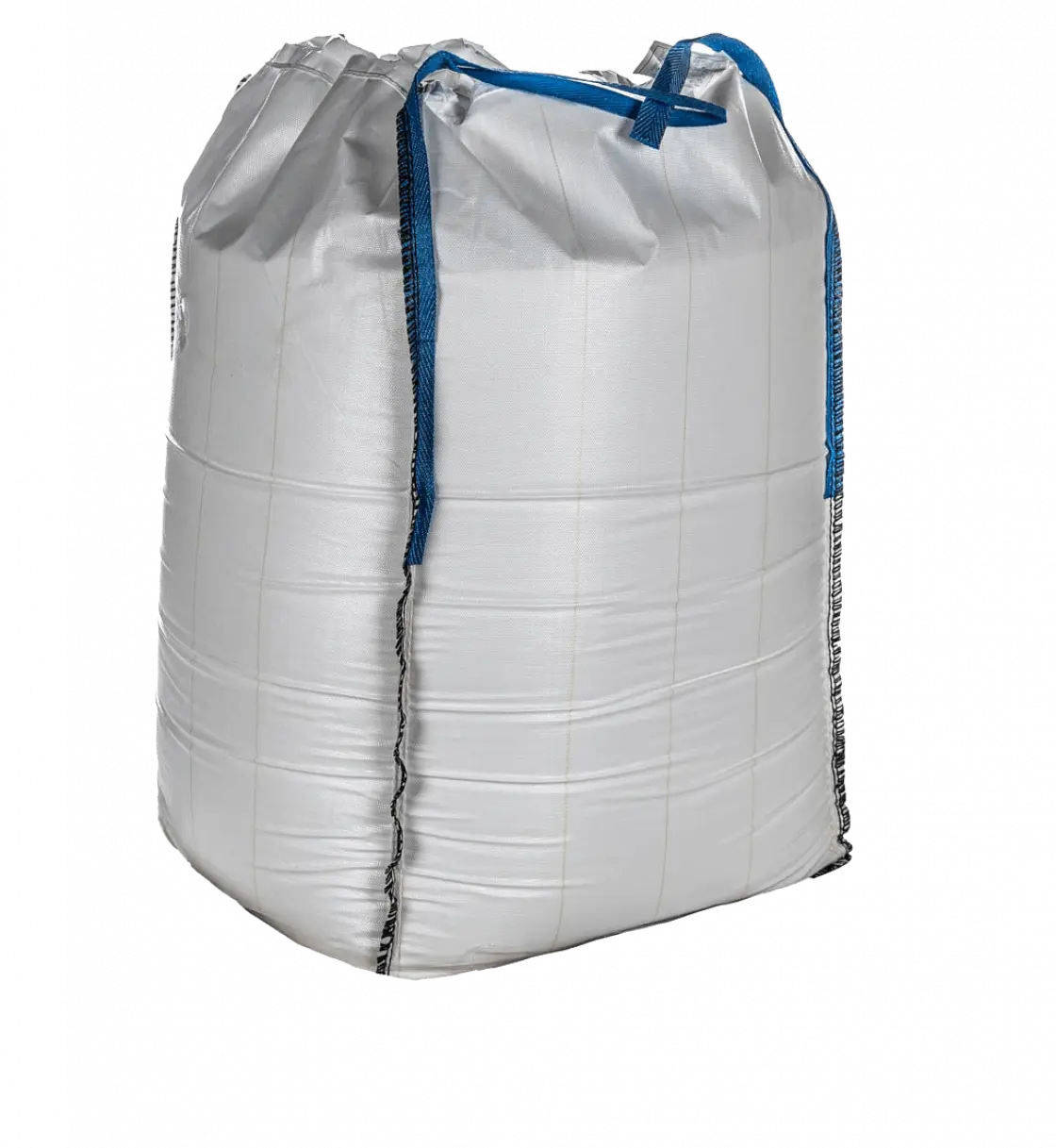
Yes, we support customization of parameters such as purity, impurities, residual solvents, and heavy metals. We also offer various bulk packaging options, including 25kg bags, drums, and IBC tanks, suitable for industrial applications and transportation.
7. What shipping options do you support?
We support both FCL (Full Container Load) and LCL (Less than Container Load) shipments, and can flexibly arrange logistics solutions based on order size to meet bulk chemical export needs.
8. Do you provide technical or application support?
Yes, we provide basic application guidance and technical support based on industry experience to help customers optimize product usage.
9. How do you handle compliance and export regulations?
We are familiar with international trade and export regulations, ensuring all products comply with relevant requirements. We also provide complete documentation to support smooth customs clearance and global delivery.
Use Bulk
Supply Factory
Direct ISO 9001
Certified Samples
Available Stable
Supply