TRIS(PENTAFLUOROPHENYL)BORANE Bulk Supply for Industrial Use
China Factory Direct
 |
|
| CAS number | 1109-15-5 |
| Product name | TRIS(PENTAFLUOROPHENYL)BORANE |
| Stock | Stock readily available; annual supply capacity exceeding 1,000 tons. |
| Grade | Industrial Grade |
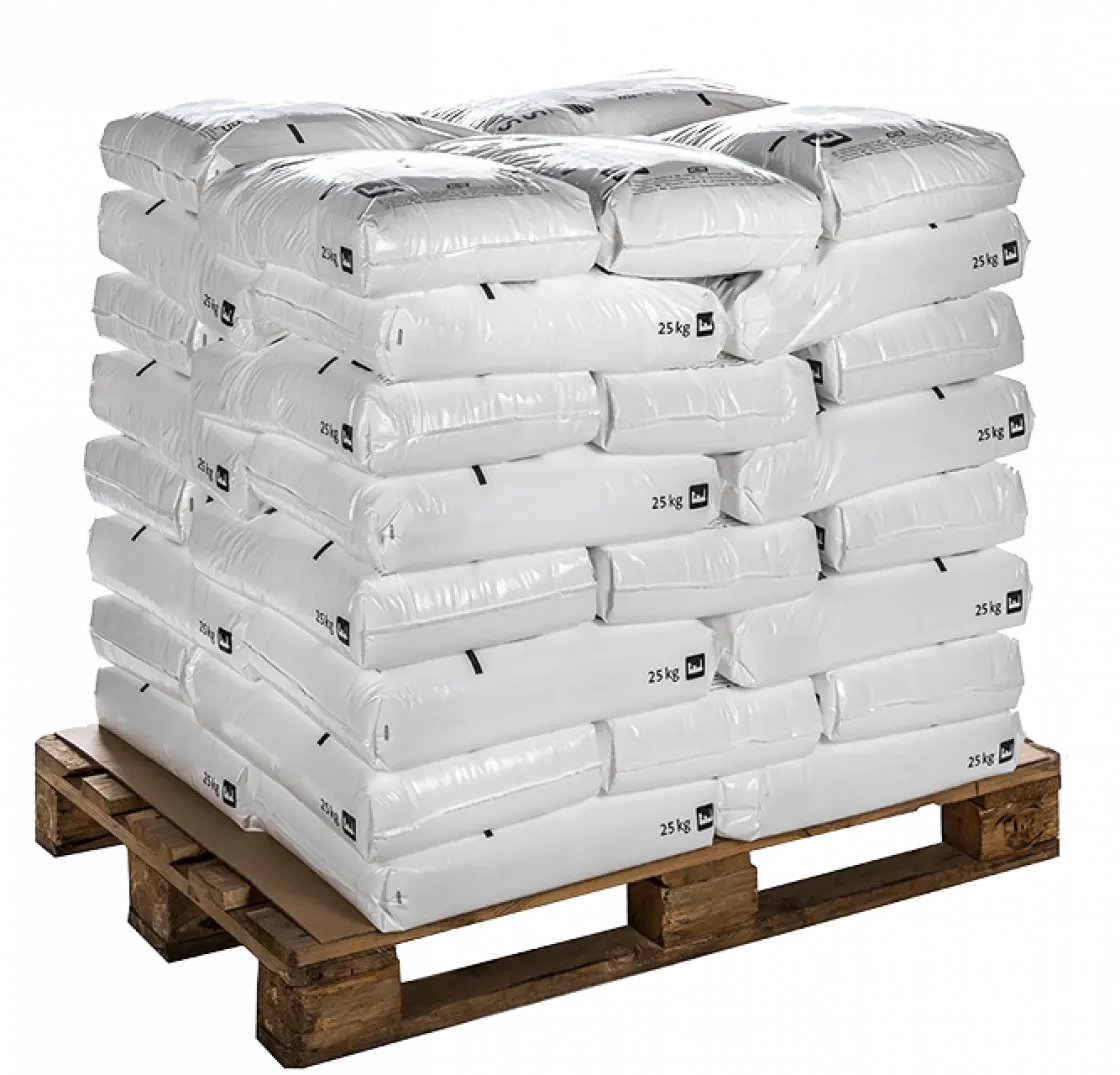
| Packaging | 25KG/bag |
| Sample | Test Samples Available (Click to Request Samples) |
| COA | View COA |
| Price | Get Quote |
| Supply Type | Bulk / Contract manufacturing / OEM |
| Shipping | FCL / LCL available |
| Payment Terms | Support FOB \ CIF \ EXW quotations, and accept Letter of Credit (L/C). |
| Manufacturer | Greenrock Chemical(China Factory) |






QUOTE TYPE
PACKAGING TYPE
TOTAL QUANTITY(KG)
PREFERRED SHIPPING METHOD
YOUR COMPANY
YOUR E-MAIL
Calculate Summary
Based on current marketvolatility and material availability.
Documents We Provide for TRIS(PENTAFLUOROPHENYL)BORANE
Post-sale: Full documentation is provided.
To request documents, please contact us via email at sales@GRchemical.com.
Bulk TRIS(PENTAFLUOROPHENYL)BORANE Supplier from China
17+ years in chemical exports.Fully compliant, reliable supply.Your B2B partner in bulk chemical procurement.
Industrial Applications of TRIS(PENTAFLUOROPHENYL)BORANE
| Industry | Application | Process |
|---|---|---|
| Petrochemical | Co-catalyst for olefin polymerization | Serves as an activator (Lewis acid) in metallocene catalyst systems, scavenges alkylaluminum impurities, and generates active cationic species to initiate polymerization. |
| Fine Chemicals | Catalysis in organic synthesis | Acts as a strong Lewis acid catalyst in organic synthesis reactions, such as Diels–Alder, hydrogenation, and silylation reactions. |
| Polymer Chemicals | Polymer material modification | Initiates and catalyzes ring-opening polymerization of specific monomers (e.g., epoxides, lactones) to synthesize polyether or polyester materials. |
| Electronics Industry | Organic light-emitting diode (OLED) manufacturing | Doped into hole-transport layer materials as a p-type dopant to enhance electrical conductivity, reduce device driving voltage, and improve efficiency. |
| New Energy | Additive for lithium-ion battery electrolytes | Used as an electrolyte additive to participate in or catalyze the formation of the solid electrolyte interphase (SEI) on electrode surfaces, thereby improving battery cycle performance. |
Manufacturing Quality Control of TRIS(PENTAFLUOROPHENYL)BORANE
| Detection Item | Common Detection Methods | Method Overview |
|---|---|---|
| Purity Analysis | Gas Chromatography-Mass Spectrometry (GC-MS) | Separates sample components via gas chromatography and performs qualitative and quantitative analysis using mass spectrometry, effectively detecting the main component and volatile impurities. Suitable for purity determination of high-purity organic boron compounds. |
| Purity Analysis | High-Performance Liquid Chromatography (HPLC) | Uses reversed-phase or normal-phase HPLC combined with UV detector (UV) or evaporative light scattering detector (ELSD) to separate and quantify the main component and non-volatile impurities. Particularly suitable for thermally unstable or polar compounds. |
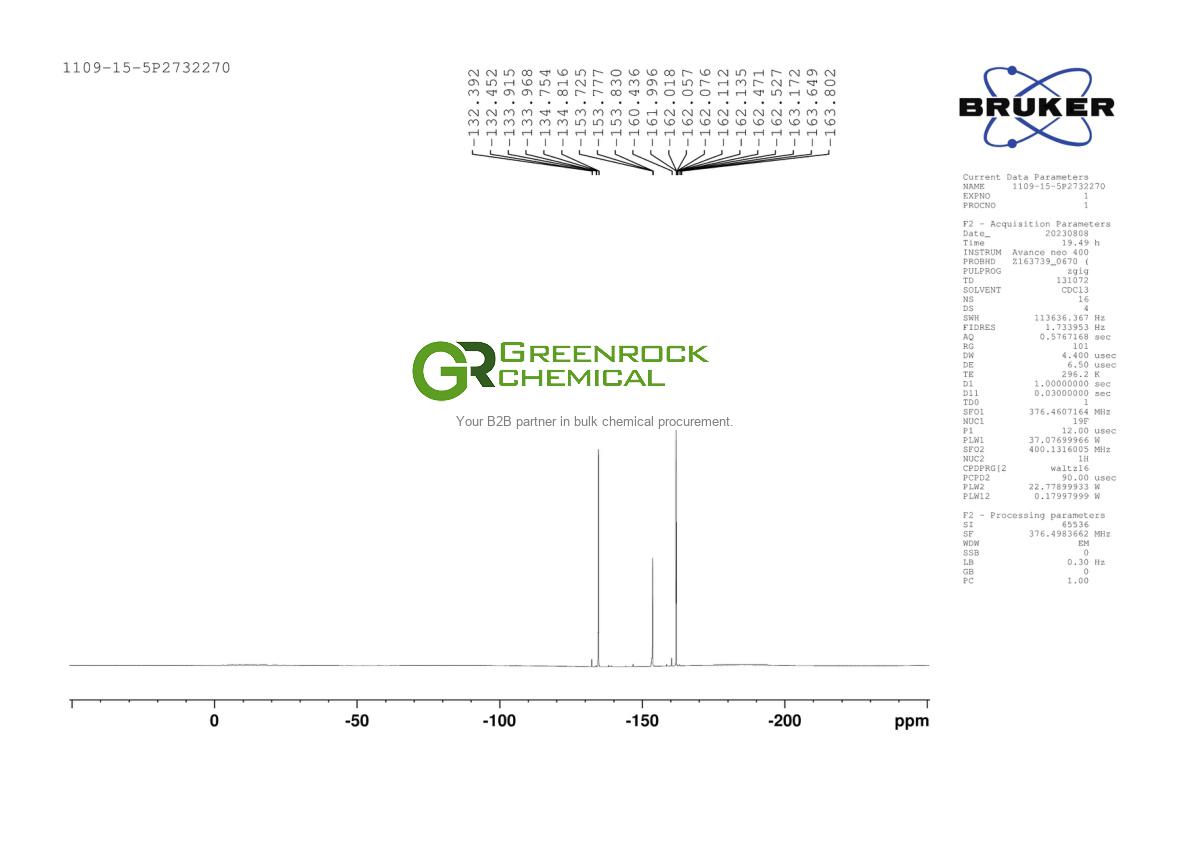
| Structural Identification | Nuclear Magnetic Resonance Spectroscopy (NMR) | ¹H NMR, ¹³C NMR, and ¹⁹F NMR are used to confirm molecular structure, verify the symmetry and substitution pattern of tri(pentafluorophenyl)borane, serving as a key technique for structural confirmation. |
| Structural Identification | Fourier Transform Infrared Spectroscopy (FTIR) | Identifies functional groups and molecular structure through characteristic absorption peaks (e.g., B–C, C–F bond vibrations), assisting in confirming whether the target compound is present. |
| Impurity Analysis | Gas Chromatography-Mass Spectrometry (GC-MS) | Used to detect by-products or residual solvents (e.g., benzene, dichloromethane) introduced during synthesis, offering high sensitivity and selectivity. |
| Content Determination | Ultraviolet-Visible Spectrophotometry (UV-Vis) | Quantifies the compound based on characteristic absorption of the pentafluorophenyl ring at specific wavelengths (e.g., 250–300 nm). Suitable for rapid screening, but requires calibration curve establishment and may be affected by interfering substances. |
| Moisture Content | Karl Fischer Titration | Specifically designed for trace moisture determination; suitable for water-sensitive organic boron compounds, ensuring stable storage and reactivity. |
| Ash/Inorganic Impurities | Thermogravimetric Analysis (TGA) / ICP-MS | TGA evaluates thermal stability and organic decomposition behavior; ICP-MS detects trace metal impurities (e.g., residual transition metal catalysts), ensuring product purity. |
| Thermal Stability Analysis | Differential Scanning Calorimetry (DSC) | Determines melting and decomposition temperatures, assessing material thermal behavior to guide storage conditions and usage safety. |
Technical Specifications of TRIS(PENTAFLUOROPHENYL)BORANE
| Test Item | Specification |
|---|---|
| Appearance | Pale-yellow solid |
| Purity | >=98.0% (HPLC) |
| Water Content (KF) | <=0.5% |
| Total Impurities | <=2.0% |
| Single Impurity | <=0.5% |
| Melting Point | 148–152°C |
| Identification (NMR) | Consistent with structure |
| Residue on Ignition | <=0.1% |
 Specifications vary by industry. Reach out to our technical experts for a COA tailored specifically to your application. Email:selse@GRchemical.com
|
|
Download COA of TRIS(PENTAFLUOROPHENYL)BORANE
| CAS/Product ID | *Required fields | |
| Lot/Batch Number | *Required fields | |
NMR Spectra of TRIS(PENTAFLUOROPHENYL)BORANE
Packaging of TRIS(PENTAFLUOROPHENYL)BORANE
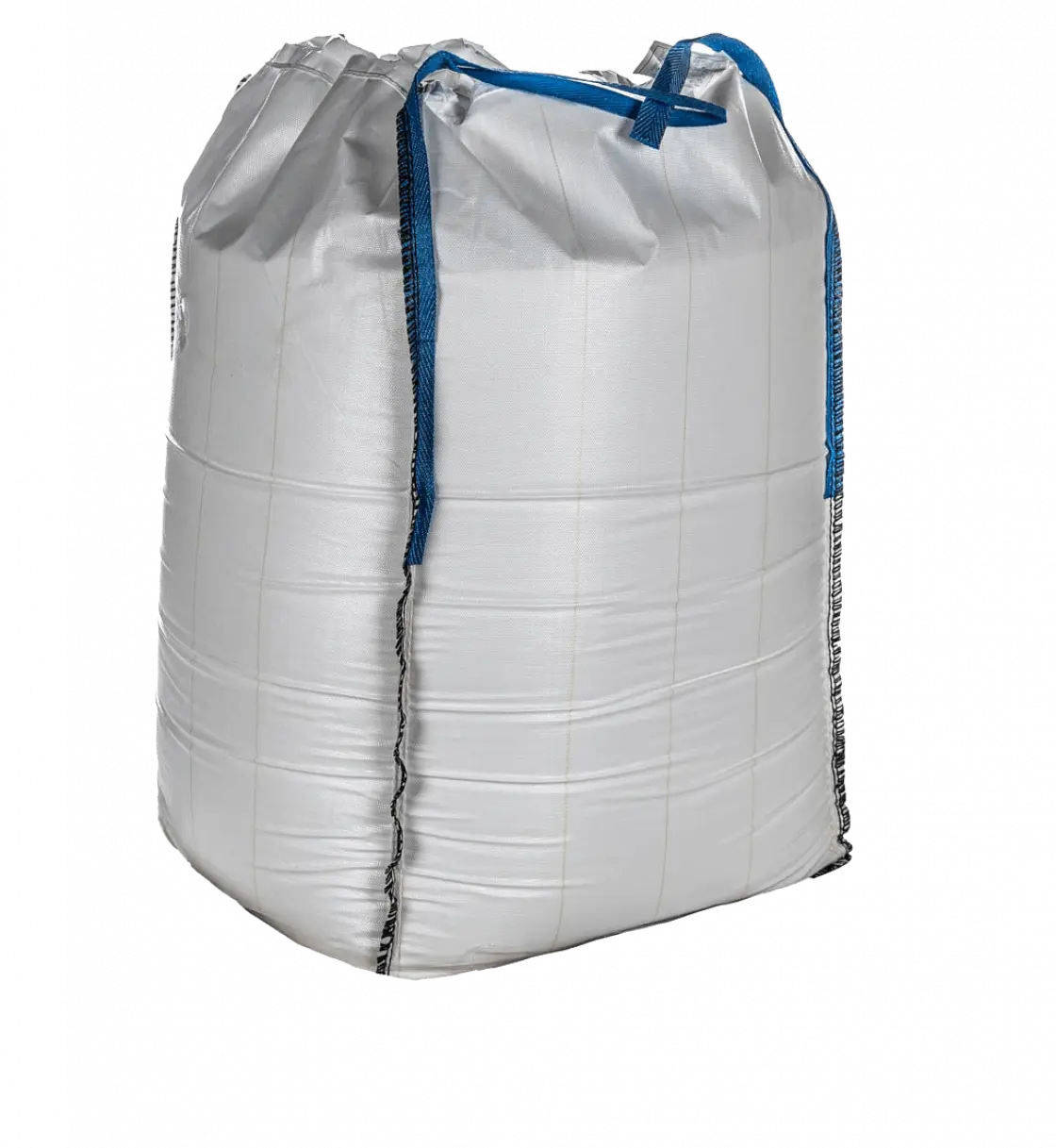
Industrial TRIS(PENTAFLUOROPHENYL)BORANE Procurement FAQ
1. How do you ensure product quality consistency?
We rely on a mature China-based manufacturing system and implement strict batch control and quality inspection for every shipment. Our production process complies with ISO 9001 standards, and a COA is provided for each batch to ensure consistent and reliable quality.
2. Do you offer competitive pricing for bulk orders?
Yes, as a China-based manufacturer and bulk supplier, we provide tiered pricing based on order volume. We support FOB and CIF quotations, as well as L/C payment terms for large transactions to meet international trade requirements.
3. Can you support large-volume or long-term supply?
We have stable production capacity and a well-established supply chain, enabling continuous bulk supply. We support ton-level and container-level orders, as well as long-term cooperation projects.
4. What is your typical lead time?
For in-stock products, shipment can be arranged within 1–3 days. For bulk packaging or customized orders, lead time depends on the specific quantity and production schedule.
5. What documents do you provide?
We can provide complete documentation upon request, including COA, SDS, TDS, and other compliance certificates, meeting industrial procurement and export requirements.
6. Can you customize product specifications or packaging?
Yes, we support customization of parameters such as purity, impurities, residual solvents, and heavy metals. We also offer various bulk packaging options, including 25kg bags, drums, and IBC tanks, suitable for industrial applications and transportation.
7. What shipping options do you support?
We support both FCL (Full Container Load) and LCL (Less than Container Load) shipments, and can flexibly arrange logistics solutions based on order size to meet bulk chemical export needs.
8. Do you provide technical or application support?
Yes, we provide basic application guidance and technical support based on industry experience to help customers optimize product usage.
9. How do you handle compliance and export regulations?
We are familiar with international trade and export regulations, ensuring all products comply with relevant requirements. We also provide complete documentation to support smooth customs clearance and global delivery.
Use Bulk
Supply Factory
Direct ISO 9001
Certified Samples
Available Stable
Supply