ETHYLENE GLYCOL MONOSTEARATE Bulk Supply for Industrial Use
China Factory Direct
 |
|
| CAS number | 111-60-4 |
| Product name | ETHYLENE GLYCOL MONOSTEARATE |
| Stock | Stock readily available; annual supply capacity exceeding 1,000 tons. |
| Grade | Industrial Grade |
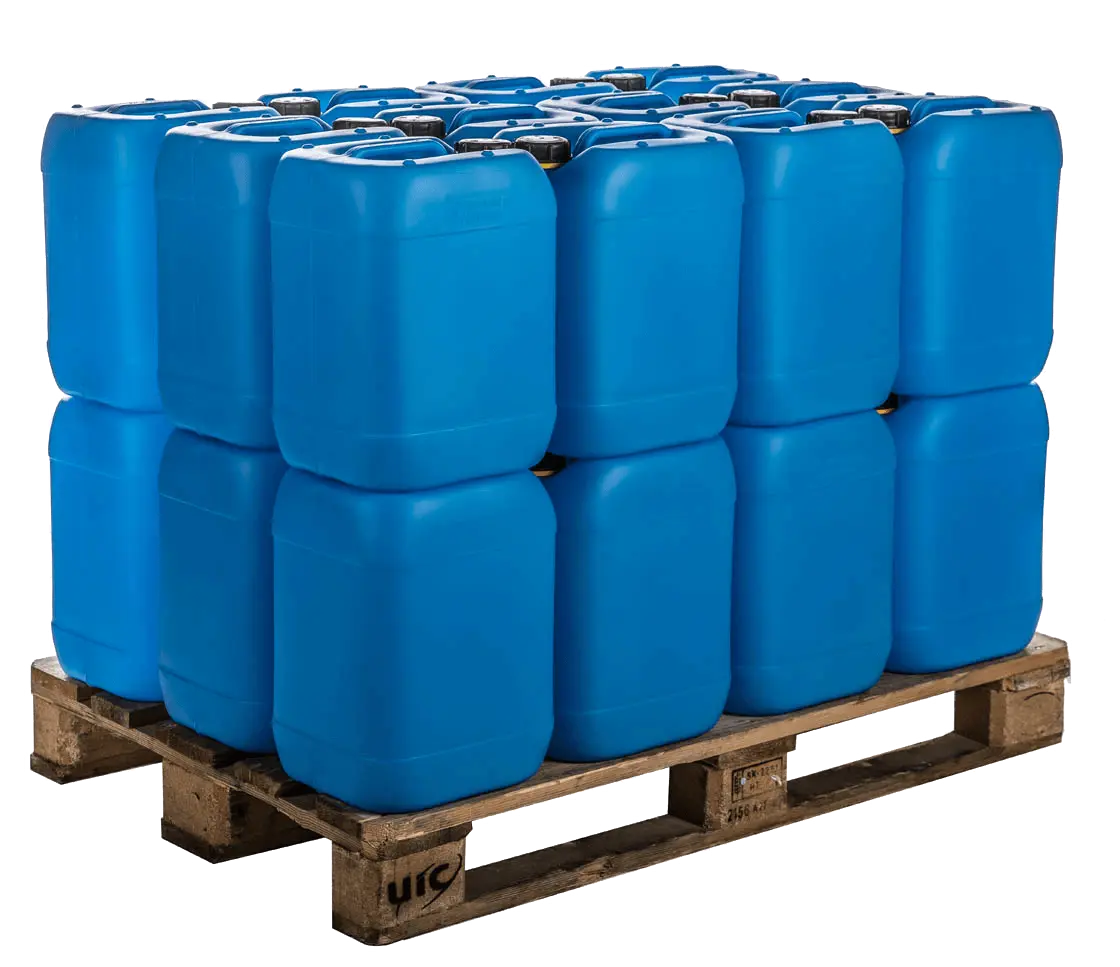
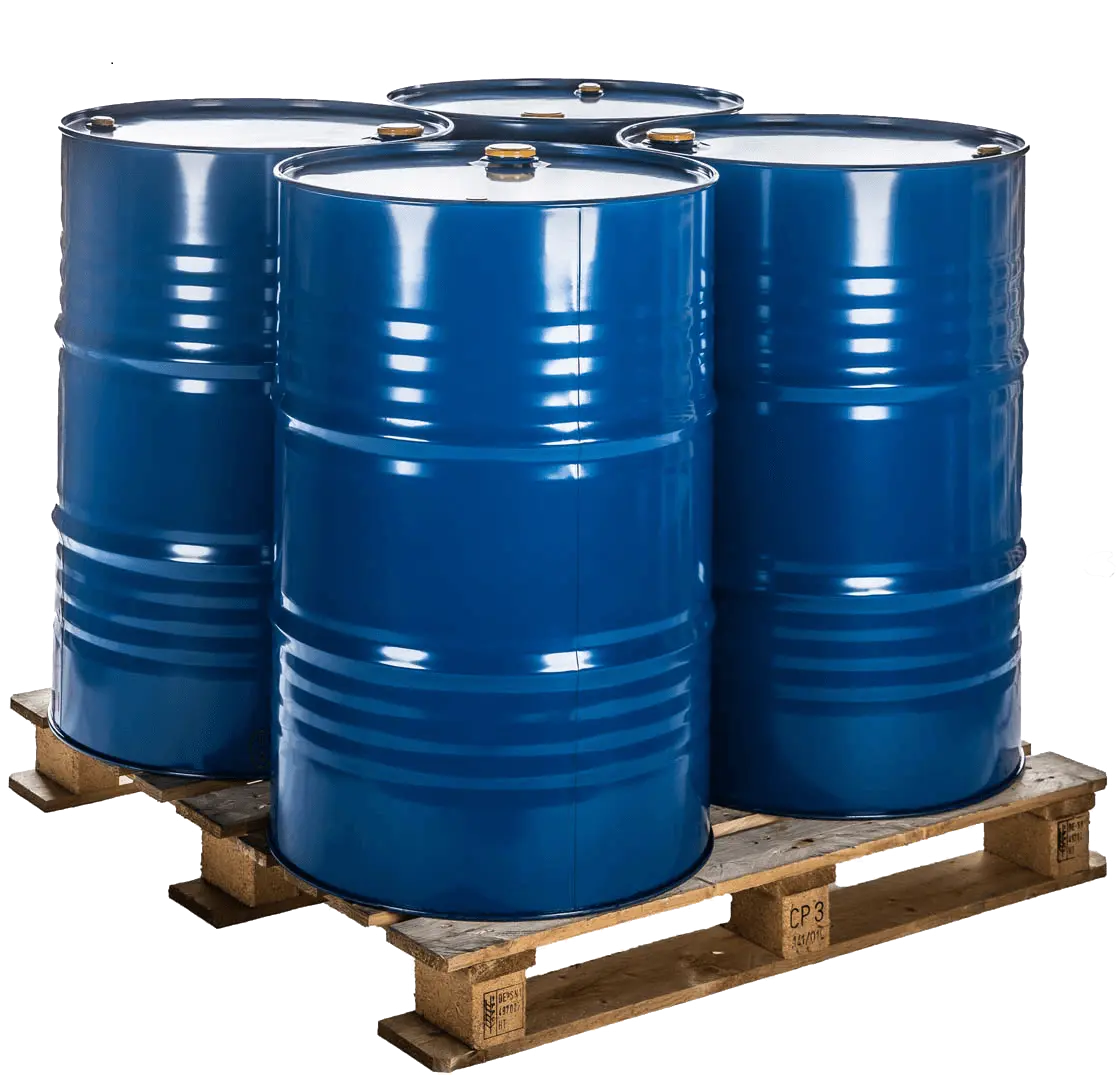
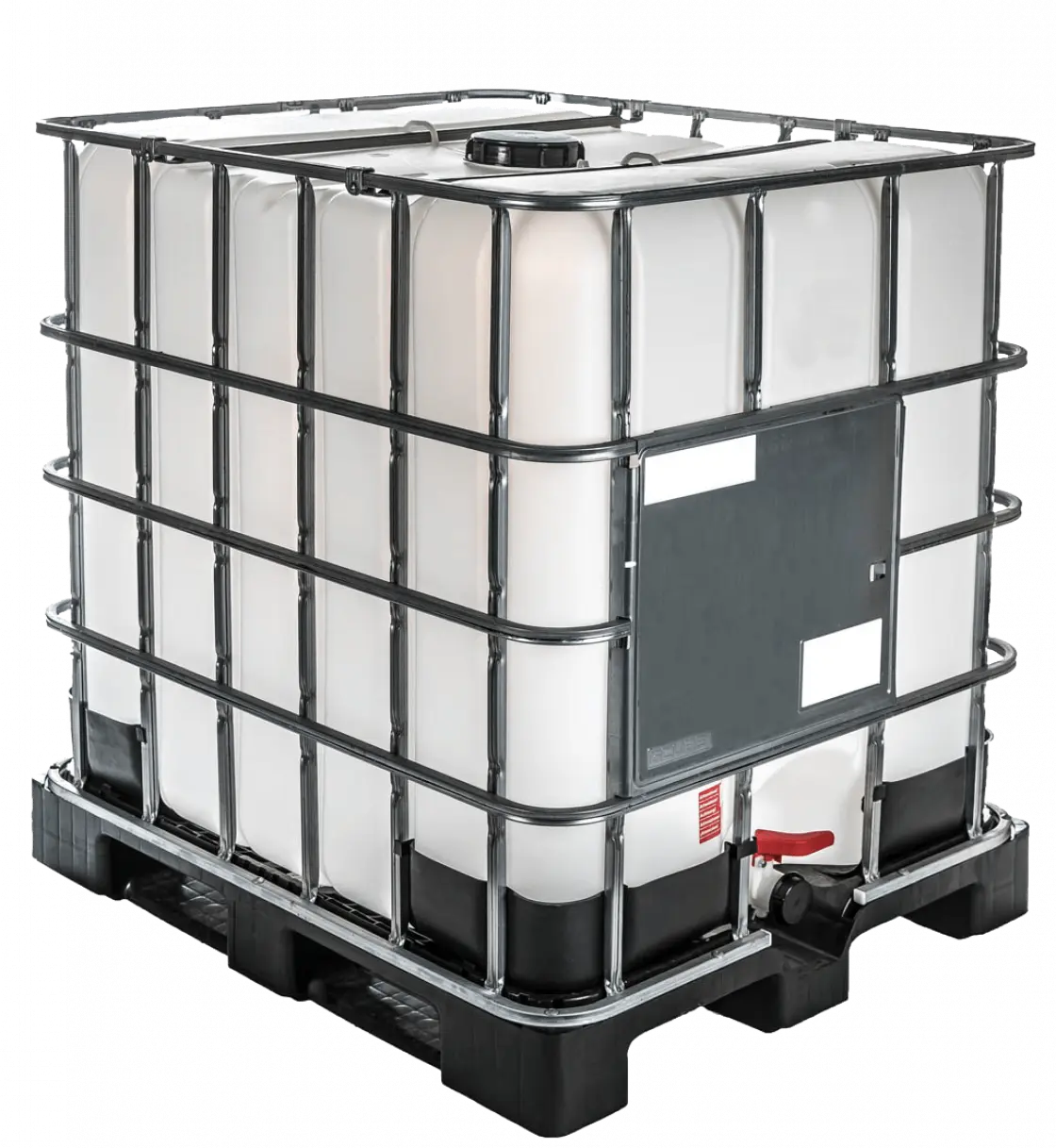
| Packaging | 25L/drum200L/drum1000L/IBC |
| Sample | Test Samples Available (Click to Request Samples) |
| COA | View COA |
| Price | Get Quote |
| Supply Type | Bulk / Contract manufacturing / OEM |
| Shipping | FCL / LCL available |
| Payment Terms | Support FOB \ CIF \ EXW quotations, and accept Letter of Credit (L/C). |
| Manufacturer | Greenrock Chemical(China Factory) |






QUOTE TYPE
PACKAGING TYPE
TOTAL QUANTITY(KG)
PREFERRED SHIPPING METHOD
YOUR COMPANY
YOUR E-MAIL
Calculate Summary
Based on current marketvolatility and material availability.
Documents We Provide for ETHYLENE GLYCOL MONOSTEARATE
Post-sale: Full documentation is provided.
To request documents, please contact us via email at sales@GRchemical.com.

Bulk ETHYLENE GLYCOL MONOSTEARATE Supplier from China
17+ years in chemical exports.Fully compliant, reliable supply.Your B2B partner in bulk chemical procurement.
Industrial Applications of ETHYLENE GLYCOL MONOSTEARATE
| Industry | Application | Process |
|---|---|---|
| Cosmetics | Emulsifier and pearlescent agent in creams (e.g., facial creams, hand creams), lotions, and moisturizers | Dissolved in the oil phase during heating, then added to the aqueous phase for emulsification; pearlescence develops during crystallization upon cooling |
| Detergents | Pearlescent agent, thickener, and foam stabilizer in shampoos, body washes, and facial cleansers | Added under heating and agitation to surfactant-based systems; plate-like crystals form during controlled cooling, imparting pearlescence and increasing viscosity |
| Textile Dyeing & Printing | Fiber lubricant, softener, and antistatic agent to improve fabric hand feel | Applied to fabric surfaces via padding or spraying during fiber finishing |
| Plastics Processing | Internal lubricant and release agent for polyvinyl chloride (PVC) and other plastics | Directly incorporated during plastic compounding or extrusion to reduce intermolecular friction and enhance mold release |
| Coatings & Inks | Matting agent (flatting agent) and thickener for coatings and inks | Dispersed into coating binders; surface gloss and rheology are modified via its crystalline properties |
Manufacturing Quality Control of ETHYLENE GLYCOL MONOSTEARATE
| Test Item | Common Testing Method | Method Overview |
|---|---|---|
| Appearance and Color | Visual Inspection | Observe the sample under natural or standard lighting to determine if it is a white to slightly yellowish waxy solid, checking for impurities, foreign matter, or discoloration. |
| Melting Point | Capillary Method / Melting Point Apparatus | The sample is packed into a capillary tube and heated at a constant rate. The temperature range from initial melting to complete liquefaction is recorded, typically between 55–65°C. |
| Acid Value (Free Fatty Acid Content) | Alkali Titration (GB/T 1668-2008) | Titrating free fatty acids in the sample with potassium hydroxide ethanol solution using phenolphthalein as indicator. The result is expressed as milligrams of KOH consumed per gram of sample (mg KOH/g). |
| Saponification Value | Saponification Titration (GB/T 5534-2008) | The sample is refluxed with excess potassium hydroxide ethanol solution to hydrolyze ester bonds. The remaining alkali is back-titrated with hydrochloric acid. The result indicates the milligrams of KOH required to saponify 1g of sample (mg KOH/g), reflecting average molecular weight. |
| Hydroxyl Value (Free Hydroxyl Content) | Acylation Method (GB/T 12008.3-2009) | The sample reacts with acetic anhydride in pyridine to acetylate hydroxyl groups. Excess anhydride is hydrolyzed and titrated with NaOH. The result is expressed as mg KOH equivalent per gram of sample. |
| Moisture Content | Karl Fischer Titration (GB/T 6283-2008) | Using Karl Fischer reagent (iodine, sulfur dioxide, pyridine, and methanol) which reacts quantitatively with water. Water content is precisely determined by potentiometric or visual endpoint detection, typically requiring ≤0.1%. |
| Ash Content | Ignition and Gravimetric Method (GB/T 9741-2008) | The sample is incinerated in a high-temperature furnace (550–600°C) until constant weight. The residue represents inorganic ash, and the result is calculated as a percentage of the original sample mass, indicating inorganic impurity levels. |
| Heavy Metal Content | Atomic Absorption Spectroscopy (AAS) or ICP-MS | After sample digestion, heavy metals such as lead, cadmium, mercury, and arsenic are measured using AAS or inductively coupled plasma mass spectrometry (ICP-MS), ensuring compliance with food/cosmetic grade limits (e.g., ≤10 mg/kg). |
| Purity (HPLC Method) | High-Performance Liquid Chromatography (HPLC) | Using a C18 reverse-phase column with acetonitrile/water gradient elution and UV detection (210–230 nm) to quantify the main component, glycol monostearate, and possible impurities (e.g., distearate, free stearic acid). |
| Residual Stearic Acid Content | Gas Chromatography (GC) | After methylation of the sample, stearic acid methyl ester is separated on a capillary column and detected by FID. Residual unreacted stearic acid is calculated based on the detected ester content. |
| Solubility | Solvent Dissolution Test | Evaluate the sample’s solubility behavior in solvents such as ethanol, acetone, hot water, and petroleum ether, confirming compliance with pharmacopoeial or industry standards for solubility requirements. |
Technical Specifications of ETHYLENE GLYCOL MONOSTEARATE
| Test Item | Specification |
|---|---|
| Appearance | White to off-white powder or flakes |
| Purity | >=98.5% |
| Melting Point | 53–57°C |
| Acid Value (mg KOH/g) | <=4.5 |
| Water Content (KF) | <=0.5% |
| Total Impurities | <=1.5% |
| Heavy Metals | <=20 ppm |
| Residue on Ignition | <=0.1% |
| Odor | Characteristic, faint fatty odor |
 Specifications vary by industry. Reach out to our technical experts for a COA tailored specifically to your application. Email:selse@GRchemical.com
|
|
Download COA of ETHYLENE GLYCOL MONOSTEARATE
| CAS/Product ID | *Required fields | |
| Lot/Batch Number | *Required fields | |
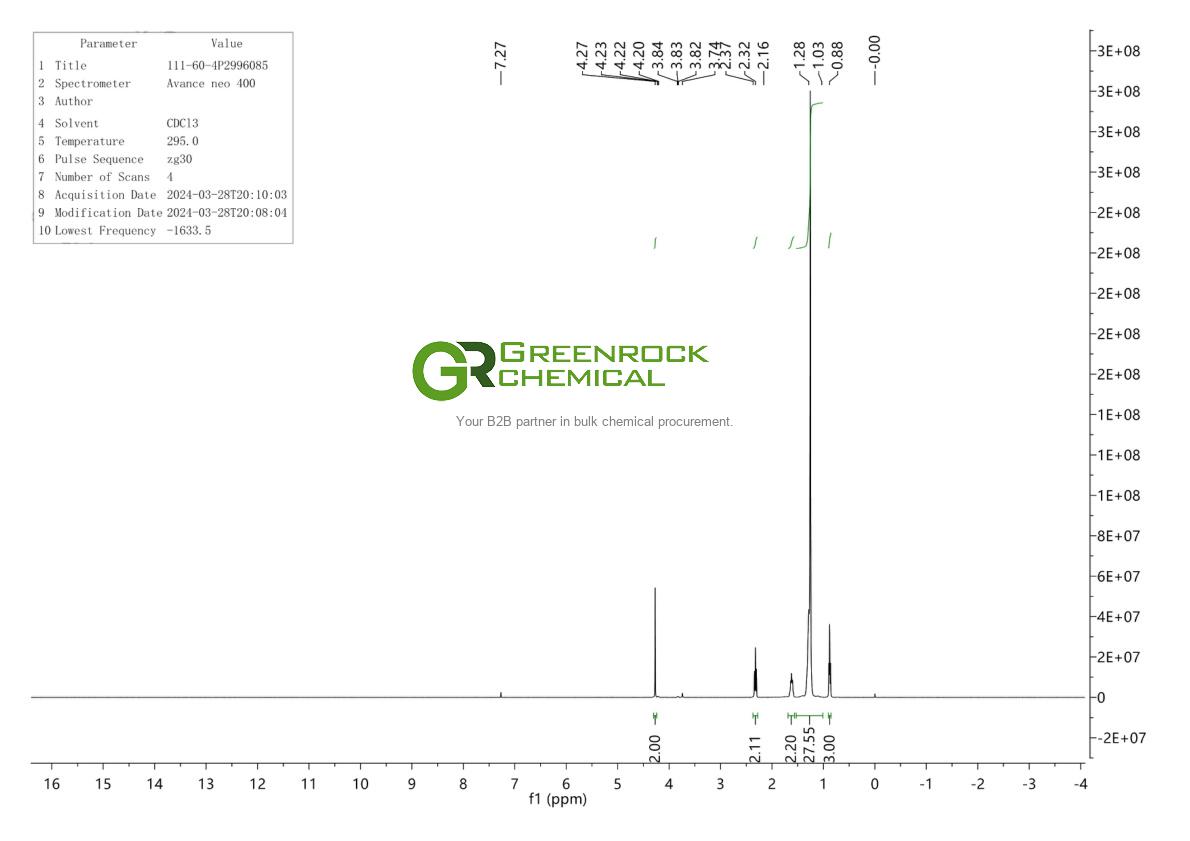
NMR Spectra of ETHYLENE GLYCOL MONOSTEARATE

Packaging of ETHYLENE GLYCOL MONOSTEARATE
Industrial ETHYLENE GLYCOL MONOSTEARATE Procurement FAQ
1. How do you ensure product quality consistency?
We rely on a mature China-based manufacturing system and implement strict batch control and quality inspection for every shipment. Our production process complies with ISO 9001 standards, and a COA is provided for each batch to ensure consistent and reliable quality.
2. Do you offer competitive pricing for bulk orders?
Yes, as a China-based manufacturer and bulk supplier, we provide tiered pricing based on order volume. We support FOB and CIF quotations, as well as L/C payment terms for large transactions to meet international trade requirements.
3. Can you support large-volume or long-term supply?
We have stable production capacity and a well-established supply chain, enabling continuous bulk supply. We support ton-level and container-level orders, as well as long-term cooperation projects.
4. What is your typical lead time?
For in-stock products, shipment can be arranged within 1–3 days. For bulk packaging or customized orders, lead time depends on the specific quantity and production schedule.
5. What documents do you provide?
We can provide complete documentation upon request, including COA, SDS, TDS, and other compliance certificates, meeting industrial procurement and export requirements.
6. Can you customize product specifications or packaging?
Yes, we support customization of parameters such as purity, impurities, residual solvents, and heavy metals. We also offer various bulk packaging options, including 25kg bags, drums, and IBC tanks, suitable for industrial applications and transportation.
7. What shipping options do you support?
We support both FCL (Full Container Load) and LCL (Less than Container Load) shipments, and can flexibly arrange logistics solutions based on order size to meet bulk chemical export needs.
8. Do you provide technical or application support?
Yes, we provide basic application guidance and technical support based on industry experience to help customers optimize product usage.
9. How do you handle compliance and export regulations?
We are familiar with international trade and export regulations, ensuring all products comply with relevant requirements. We also provide complete documentation to support smooth customs clearance and global delivery.
Use Bulk
Supply Factory
Direct ISO 9001
Certified Samples
Available Stable
Supply