α-Amylase Bulk Supply for Industrial Use
China Factory Direct
 |
|
| CAS number | 9001-19-8 |
| Product name | α-Amylase |
| Stock | Stock readily available; annual supply capacity exceeding 1,000 tons. |
| Grade | Pharmaceutical GradeMaterial GradeSpecialty GradeIndustrial GradeFood Grade |
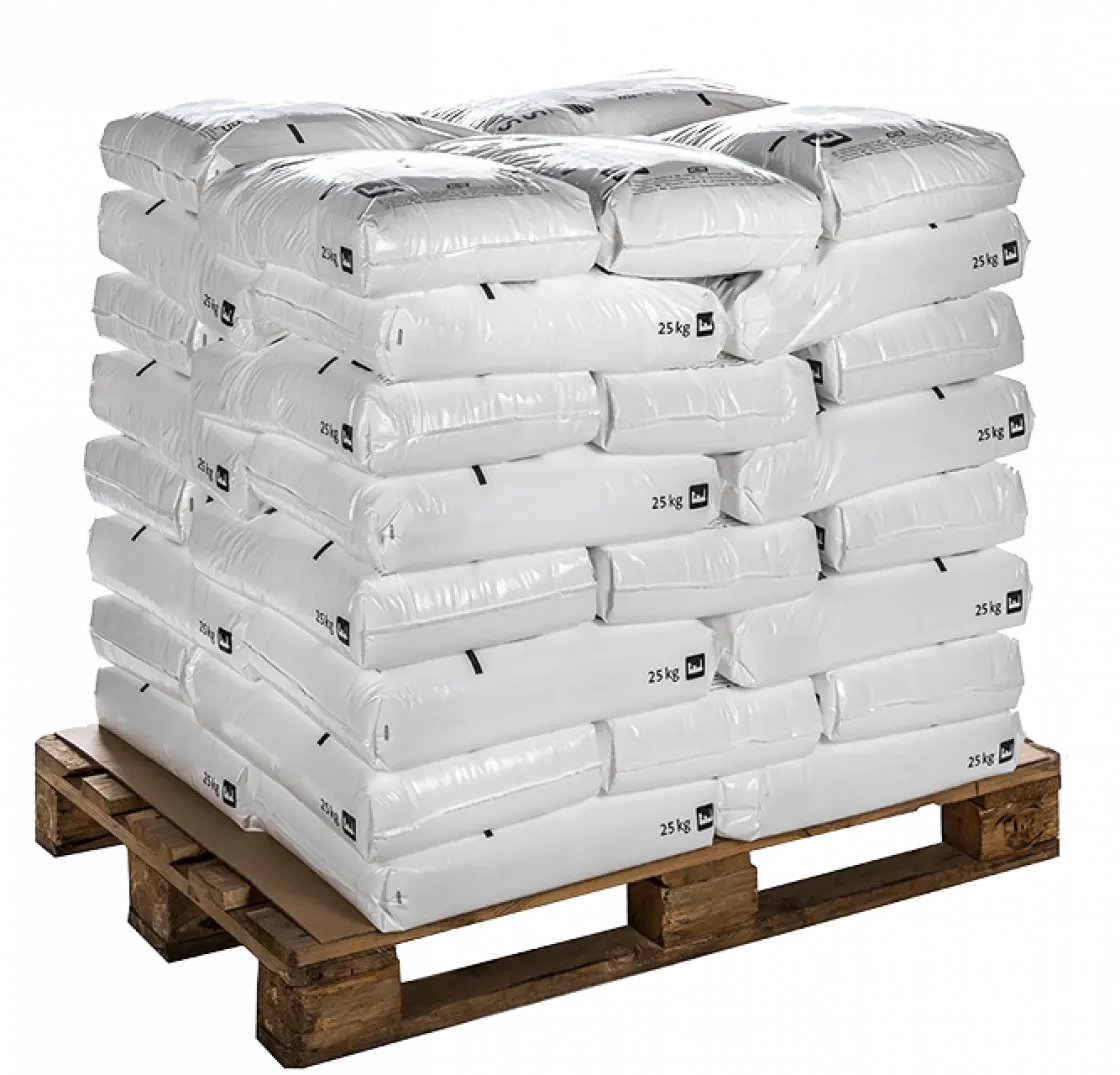
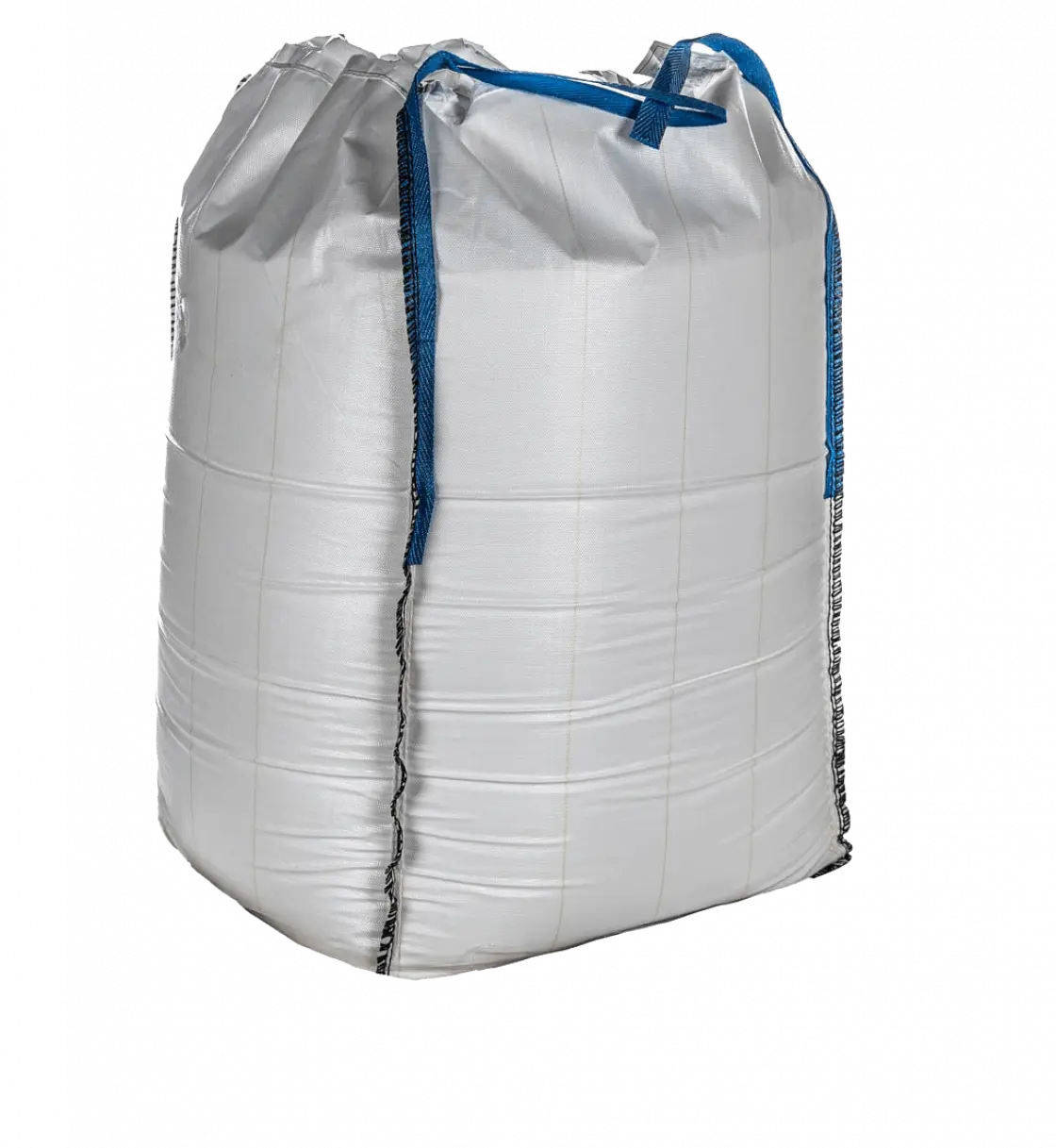
| Packaging | 25KG/bag500KG/bag1000KG/bag |
| Sample | Test Samples Available (Click to Request Samples) |
| COA | View COA |
| Price | Get Quote |
| Supply Type | Bulk / Contract manufacturing / OEM |
| Shipping | FCL / LCL available |
| Payment Terms | Support FOB \ CIF \ EXW quotations, and accept Letter of Credit (L/C). |
| Manufacturer | Greenrock Chemical(China Factory) |






QUOTE TYPE
PACKAGING TYPE
TOTAL QUANTITY(KG)
PREFERRED SHIPPING METHOD
YOUR COMPANY
YOUR E-MAIL
Calculate Summary
Based on current marketvolatility and material availability.
Documents We Provide for α-Amylase
Post-sale: Full documentation is provided.
To request documents, please contact us via email at sales@GRchemical.com.
Bulk α-Amylase Supplier from China
17+ years in chemical exports.Fully compliant, reliable supply.Your B2B partner in bulk chemical procurement.
Industrial Applications of α-Amylase
| Industry | Application | Process |
|---|---|---|
| Food Industry | Starch saccharification, bread improvement, beer brewing | Hydrolyzes starch into dextrins and oligosaccharides during the liquefaction stage; improves gluten network structure in dough to enhance fermentation efficiency; promotes generation of fermentable sugars in wort during beer production |
| Textile Industry | Desizing of fabrics | Treats cotton fabrics at 60–70°C and pH 6.0–7.0 to degrade starch-based sizing agents, thereby improving fabric water absorbency and softness |
| Paper Industry | Enzymatic pulp modification, deinking of recycled paper | Modifies fiber surfaces to improve paper strength; assists in deinking by degrading starch-based adhesives in ink carriers |
| Feed Industry | Feed additive for monogastric animals | Incorporated into compound feeds for swine and poultry to enhance starch digestibility, reduce digesta viscosity, and improve nutrient absorption |
| Biofuel Industry | Starch liquefaction in fuel ethanol production | Acts synergistically with glucoamylase to rapidly liquefy starch from corn, cassava, and other feedstocks into fermentable sugars, optimizing ethanol yield |
| Pharmaceutical Industry | Excipient in digestive enzyme formulations, clinical diagnostic reagent | Used as a component in compound digestive enzyme tablets; serves as a positive control or reference standard in α-amylase activity assay kits |
Manufacturing Quality Control of α-Amylase
| Detection Item | Common Analytical Method | Method Overview |
|---|---|---|
| Enzyme Activity | Spectrophotometric Assay (UV-Vis) | Measures rate of starch hydrolysis by monitoring absorbance change of liberated reducing sugars using DNS or iodine-starch complex. |
| Protein Content | Bradford Assay | Quantifies protein concentration based on Coomassie dye binding and absorbance shift at 595 nm. |
| Moisture Content | Gravimetric Method (Oven Drying) | Determines water loss by weight difference after drying at 105 C to constant mass. |
| pH | Potentiometric Measurement (pH Meter) | Measures hydrogen ion activity in aqueous solution using calibrated glass electrode. |
| Heavy Metals (Pb, Cd, Hg, As) | ICP-MS | Detects trace metal concentrations by ionization in plasma and mass-selective detection. |
| Residual Solvents | Gas Chromatography (GC-FID) | Separates and quantifies volatile organic solvents using flame ionization detection. |
| Microbial Contamination | Plate Count Method (AOAC) | Estimates viable aerobic microorganisms by colony formation on nutrient agar after incubation. |
| Total Viable Count | Membrane Filtration | Concentrates microorganisms from sample, filters, and enumerates colonies on selective media. |
| Coliforms | Most Probable Number (MPN) Method | Estimates coliform density based on presence/absence in lactose broth tubes with gas production. |
| Appearance | Visual Inspection | Assesses physical state, color, and homogeneity under controlled lighting against reference standard. |
| Particle Size Distribution | Laser Diffraction | Determines size distribution by analyzing angular variation in laser light scattering pattern. |
| Specific Activity | Enzyme Activity / Protein Content | Calculates enzymatic units per mg protein, derived from independent activity and protein assays. |
Technical Specifications of α-Amylase
| Test Item | Specification |
|---|---|
| Appearance | White to off-white powder |
| Purity | >=98.5% |
| Water Content (KF) | <=0.5% |
| Total Impurities | <=1.5% |
| Single Impurity | <=0.5% |
| Heavy Metals | <=20 ppm |
| Residue on Ignition | <=0.5% |
| Odor | Characteristic, mild enzymatic odor |
 Specifications vary by industry. Reach out to our technical experts for a COA tailored specifically to your application. Email:selse@GRchemical.com
|
|
Download COA of α-Amylase
| CAS/Product ID | *Required fields | |
| Lot/Batch Number | *Required fields | |

Packaging of α-Amylase
Industrial α-Amylase Procurement FAQ
1. How do you ensure product quality consistency?
We rely on a mature China-based manufacturing system and implement strict batch control and quality inspection for every shipment. Our production process complies with ISO 9001 standards, and a COA is provided for each batch to ensure consistent and reliable quality.
2. Do you offer competitive pricing for bulk orders?
Yes, as a China-based manufacturer and bulk supplier, we provide tiered pricing based on order volume. We support FOB and CIF quotations, as well as L/C payment terms for large transactions to meet international trade requirements.
3. Can you support large-volume or long-term supply?
We have stable production capacity and a well-established supply chain, enabling continuous bulk supply. We support ton-level and container-level orders, as well as long-term cooperation projects.
4. What is your typical lead time?
For in-stock products, shipment can be arranged within 1–3 days. For bulk packaging or customized orders, lead time depends on the specific quantity and production schedule.
5. What documents do you provide?
We can provide complete documentation upon request, including COA, SDS, TDS, and other compliance certificates, meeting industrial procurement and export requirements.
6. Can you customize product specifications or packaging?
Yes, we support customization of parameters such as purity, impurities, residual solvents, and heavy metals. We also offer various bulk packaging options, including 25kg bags, drums, and IBC tanks, suitable for industrial applications and transportation.
7. What shipping options do you support?
We support both FCL (Full Container Load) and LCL (Less than Container Load) shipments, and can flexibly arrange logistics solutions based on order size to meet bulk chemical export needs.
8. Do you provide technical or application support?
Yes, we provide basic application guidance and technical support based on industry experience to help customers optimize product usage.
9. How do you handle compliance and export regulations?
We are familiar with international trade and export regulations, ensuring all products comply with relevant requirements. We also provide complete documentation to support smooth customs clearance and global delivery.
Use Bulk
Supply Factory
Direct ISO 9001
Certified Samples
Available Stable
Supply