Urease Bulk Supply for Industrial Use
China Factory Direct
 |
|
| CAS number | 9002-13-5 |
| Product name | Urease |
| Stock | Stock readily available; annual supply capacity exceeding 1,000 tons. |
| Grade | Agricultural GradePharmaceutical GradeFood Grade |
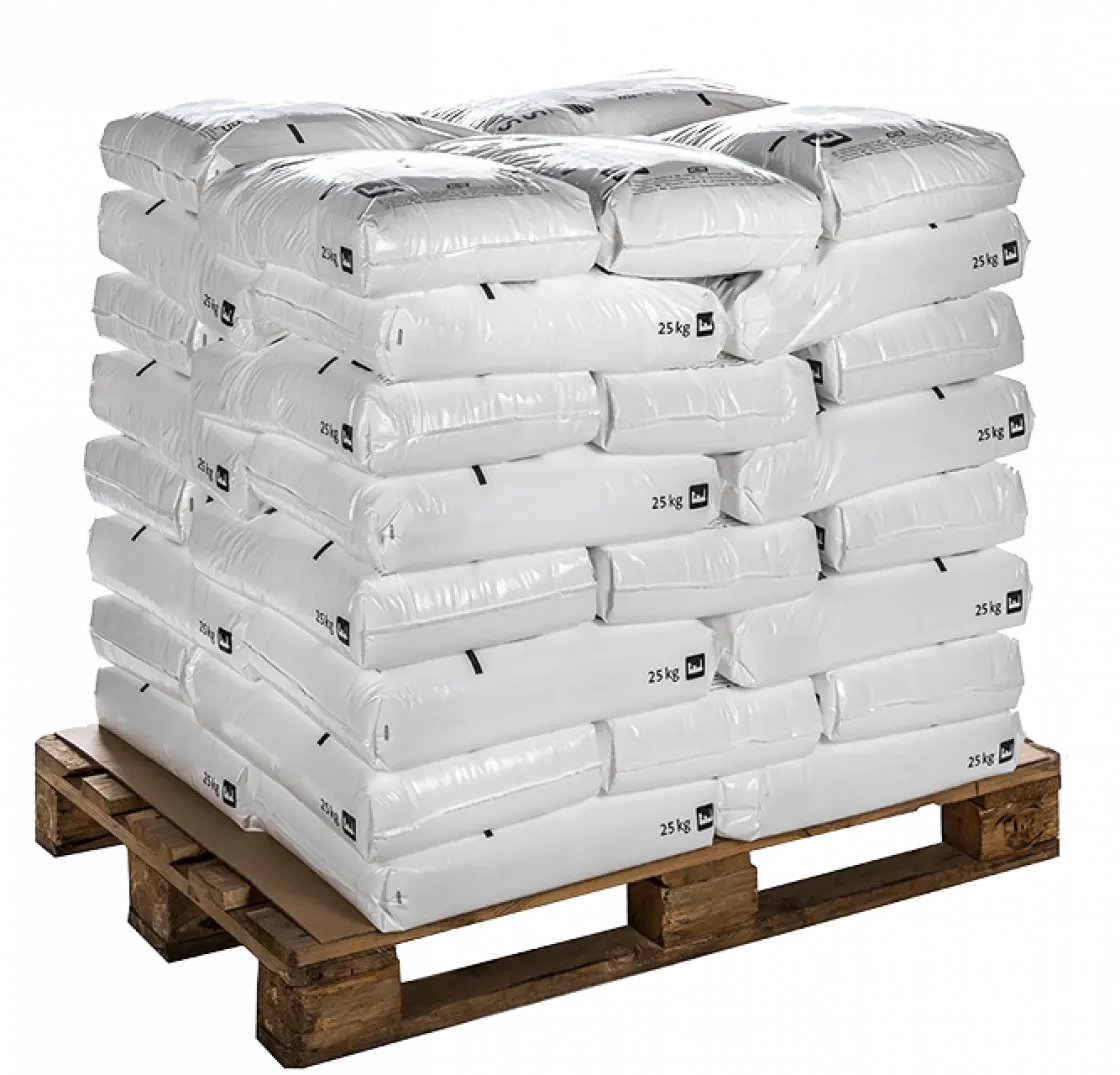
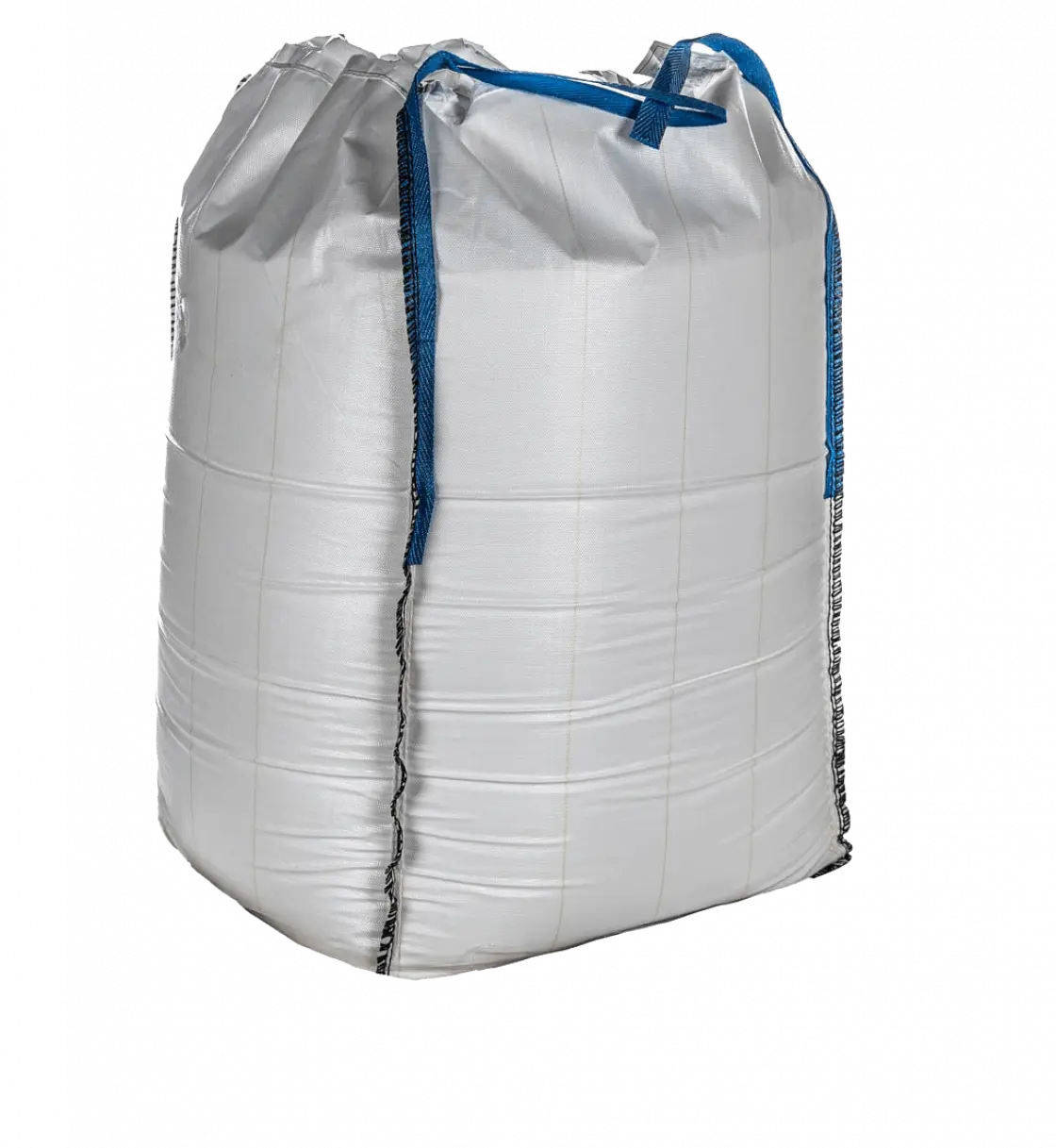
| Packaging | 25KG/bag500KG/bag1000KG/bag |
| Sample | Test Samples Available (Click to Request Samples) |
| COA | View COA |
| Price | Get Quote |
| Supply Type | Bulk / Contract manufacturing / OEM |
| Shipping | FCL / LCL available |
| Payment Terms | Support FOB \ CIF \ EXW quotations, and accept Letter of Credit (L/C). |
| Manufacturer | Greenrock Chemical(China Factory) |






QUOTE TYPE
PACKAGING TYPE
TOTAL QUANTITY(KG)
PREFERRED SHIPPING METHOD
YOUR COMPANY
YOUR E-MAIL
Calculate Summary
Based on current marketvolatility and material availability.
Documents We Provide for Urease
Post-sale: Full documentation is provided.
To request documents, please contact us via email at sales@GRchemical.com.
Bulk Urease Supplier from China
17+ years in chemical exports.Fully compliant, reliable supply.Your B2B partner in bulk chemical procurement.
Industrial Applications of Urease
| Industry | Application | Process |
|---|---|---|
| Medical Diagnostics | Detection of urea concentration in urine or blood to support diagnosis of renal function and Helicobacter pylori infection | Enzymatic assay: Urease catalyzes urea hydrolysis into ammonia and carbon dioxide; urea concentration is determined via pH change or ammonia quantification |
| Agriculture | Study of soil nitrogen cycling and assessment of fertilizer utilization efficiency | Urease is added to soil samples to measure urea hydrolysis rate, thereby evaluating soil microbial activity and nitrogen release potential |
| Food Industry | Reduction of urea content in fermented foods (e.g., soy sauce, fermented bean paste) to minimize formation of carcinogenic ethyl carbamate from the reaction between ethanol and urea | Urease is added prior to or during fermentation to degrade urea present in raw materials |
| Environmental Monitoring | Monitoring biodegradability of urea-containing wastewater in wastewater treatment | Urease activity is used to assess microbial capacity for urea degradation, enabling optimization of biological treatment processes |
| Biotechnology | Use as a tool enzyme in molecular biology assays and biosensor development | Immobilized urease is employed to construct urea-detecting electrodes or sensing elements in microfluidic chips |
Manufacturing Quality Control of Urease
| Detection Item | Common Analytical Method | Method Overview |
|---|---|---|
| Enzyme Activity (U/mg protein) | Spectrophotometric Urease Assay (UV-Vis) | Measures ammonia release from urea hydrolysis at 625 nm using phenol-hypochlorite reaction; activity calculated from standard ammonia curve. |
| Protein Content | Lowry or Bradford Assay (UV-Vis) | Quantifies total protein via colorimetric detection of peptide bonds (Lowry) or dye-binding to basic amino acids (Bradford). |
| Purity (SDS-PAGE Purity) | SDS-Polyacrylamide Gel Electrophoresis (SDS-PAGE) | Resolves protein subunits by molecular weight under denaturing conditions; purity estimated from band intensity of target ~100 kDa dimer. |
| Heavy Metals (Pb, Cd, Hg, As) | ICP-MS or ICP-OES | Quantifies trace metal impurities after acid digestion by detecting element-specific ion signals (ICP-MS) or atomic emission lines (ICP-OES). |
| Residual Solvents (e.g., acetone, ethanol) | Gas Chromatography (GC-FID) | Separates and quantifies volatile organic solvents using flame ionization detection based on retention time and peak area calibration. |
| Moisture Content | Karl Fischer Titration | Determines water content via stoichiometric iodine–sulfur dioxide reaction in anhydrous methanol/pyridine medium. |
| pH (1% w/v aqueous solution) | Potentiometric pH Measurement | Measures hydrogen ion activity in a standardized suspension using calibrated glass electrode and reference electrode. |
| Microbial Contamination (Total Aerobic Count) | Membrane Filtration / Plate Count Agar Culture | Quantifies viable aerobic microorganisms by filtration, membrane transfer to nutrient agar, and colony enumeration after incubation. |
| Endotoxin Level | Limulus Amebocyte Lysate (LAL) Assay (Turbidimetric or Chromogenic) | Detects bacterial endotoxins via coagulation cascade activation in horseshoe crab lysate, measured as turbidity or p-nitroaniline release. |
| Specific Absorbance (A280/A405) | UV-Vis Spectrophotometry | Assesses purity and absence of heme contamination by ratio of absorbance at 280 nm (protein/aromatics) and 405 nm (heme/hemoprotein impurities). |
Technical Specifications of Urease
| Test Item | Specification |
|---|---|
| Appearance | White to off-white crystalline powder |
| Purity | >=98.5% |
| Water Content (KF) | <=0.5% |
| Total Impurities | <=1.0% |
| Single Impurity | <=0.3% |
| Residue on Ignition | <=0.2% |
| Heavy Metals | <=10 ppm |
| Solubility | Freely soluble in water; practically insoluble in ethanol and ether |
 Specifications vary by industry. Reach out to our technical experts for a COA tailored specifically to your application. Email:selse@GRchemical.com
|
|
Download COA of Urease
| CAS/Product ID | *Required fields | |
| Lot/Batch Number | *Required fields | |


Packaging of Urease
Industrial Urease Procurement FAQ
1. How do you ensure product quality consistency?
We rely on a mature China-based manufacturing system and implement strict batch control and quality inspection for every shipment. Our production process complies with ISO 9001 standards, and a COA is provided for each batch to ensure consistent and reliable quality.
2. Do you offer competitive pricing for bulk orders?
Yes, as a China-based manufacturer and bulk supplier, we provide tiered pricing based on order volume. We support FOB and CIF quotations, as well as L/C payment terms for large transactions to meet international trade requirements.
3. Can you support large-volume or long-term supply?
We have stable production capacity and a well-established supply chain, enabling continuous bulk supply. We support ton-level and container-level orders, as well as long-term cooperation projects.
4. What is your typical lead time?
For in-stock products, shipment can be arranged within 1–3 days. For bulk packaging or customized orders, lead time depends on the specific quantity and production schedule.
5. What documents do you provide?
We can provide complete documentation upon request, including COA, SDS, TDS, and other compliance certificates, meeting industrial procurement and export requirements.
6. Can you customize product specifications or packaging?
Yes, we support customization of parameters such as purity, impurities, residual solvents, and heavy metals. We also offer various bulk packaging options, including 25kg bags, drums, and IBC tanks, suitable for industrial applications and transportation.
7. What shipping options do you support?
We support both FCL (Full Container Load) and LCL (Less than Container Load) shipments, and can flexibly arrange logistics solutions based on order size to meet bulk chemical export needs.
8. Do you provide technical or application support?
Yes, we provide basic application guidance and technical support based on industry experience to help customers optimize product usage.
9. How do you handle compliance and export regulations?
We are familiar with international trade and export regulations, ensuring all products comply with relevant requirements. We also provide complete documentation to support smooth customs clearance and global delivery.
Use Bulk
Supply Factory
Direct ISO 9001
Certified Samples
Available Stable
Supply