Polymethylene polyphenyl polyisocyanate Bulk Supply for Industrial Use
China Factory Direct
 |
|
| CAS number | 9016-87-9 |
| Product name | Polymethylene polyphenyl polyisocyanate |
| Stock | Stock readily available; annual supply capacity exceeding 1,000 tons. |
| Grade | Industrial Grade |
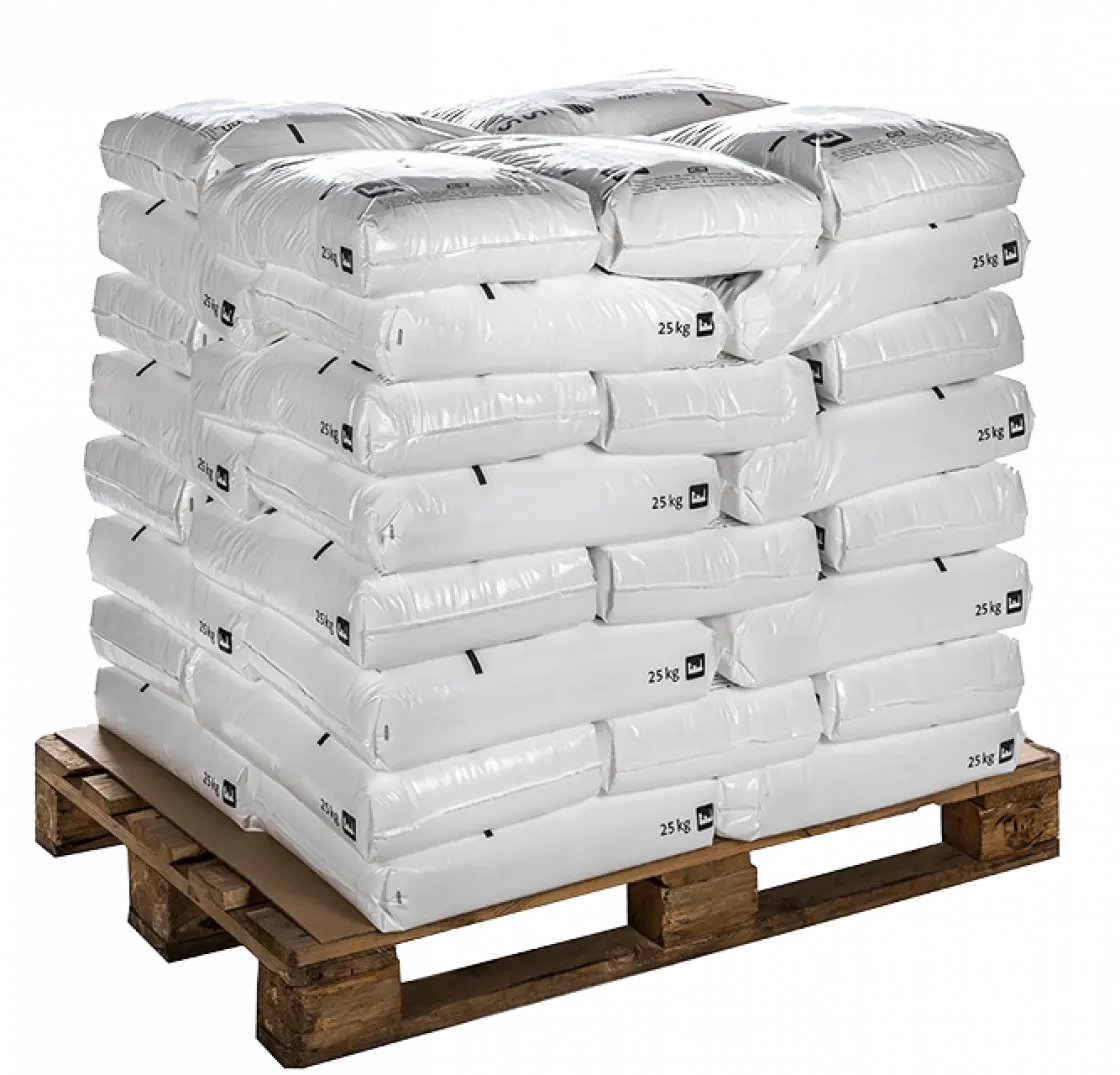
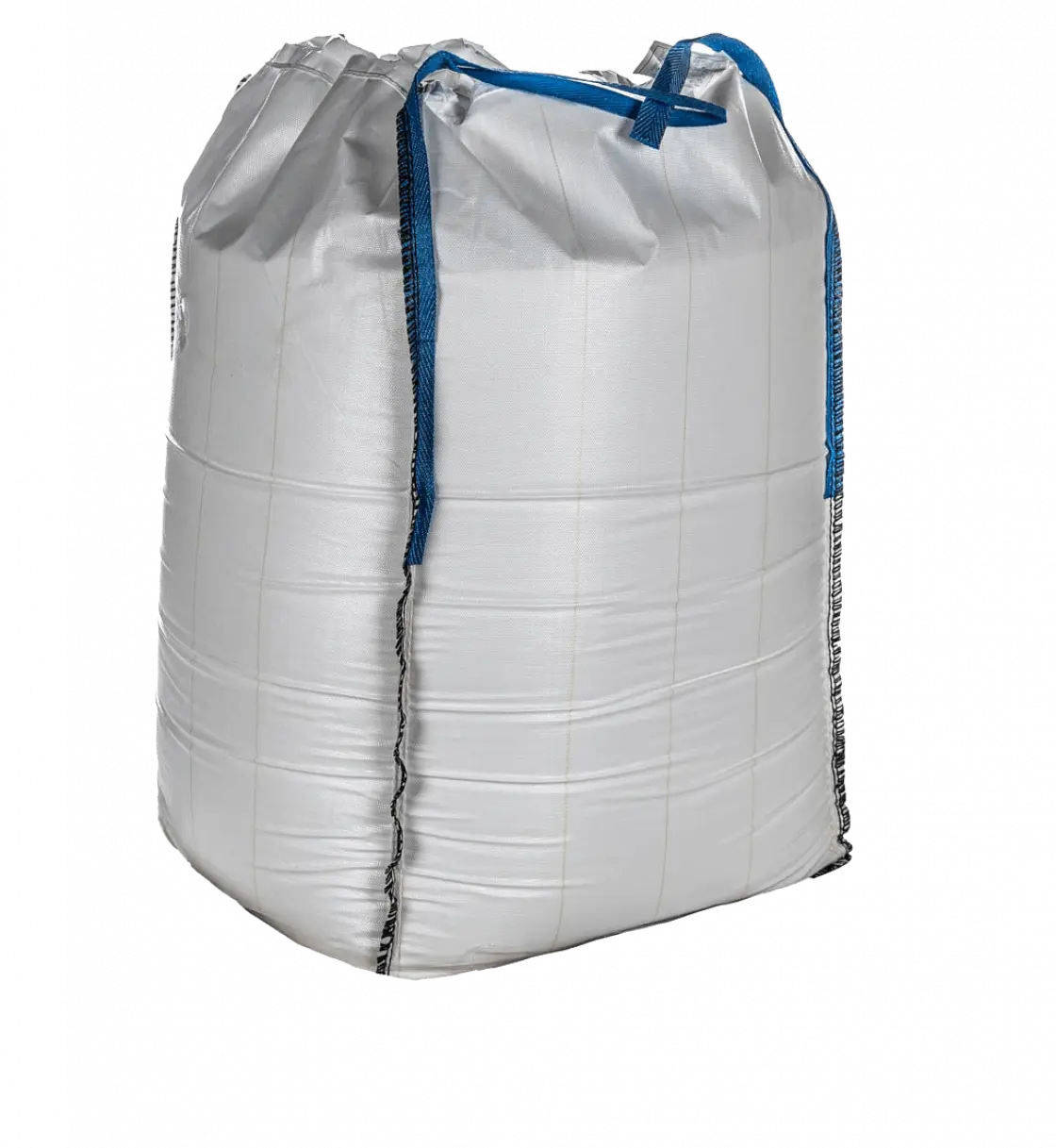
| Packaging | 25KG/bag500KG/bag1000KG/bag |
| Sample | Test Samples Available (Click to Request Samples) |
| COA | View COA |
| Price | Get Quote |
| Supply Type | Bulk / Contract manufacturing / OEM |
| Shipping | FCL / LCL available |
| Payment Terms | Support FOB \ CIF \ EXW quotations, and accept Letter of Credit (L/C). |
| Manufacturer | Greenrock Chemical(China Factory) |






QUOTE TYPE
PACKAGING TYPE
TOTAL QUANTITY(KG)
PREFERRED SHIPPING METHOD
YOUR COMPANY
YOUR E-MAIL
Calculate Summary
Based on current marketvolatility and material availability.
Documents We Provide for Polymethylene polyphenyl polyisocyanate
Post-sale: Full documentation is provided.
To request documents, please contact us via email at sales@GRchemical.com.
Bulk Polymethylene polyphenyl polyisocyanate Supplier from China
17+ years in chemical exports.Fully compliant, reliable supply.Your B2B partner in bulk chemical procurement.
Industrial Applications of Polymethylene polyphenyl polyisocyanate
| Industry | Application | Process |
|---|---|---|
| Construction Materials | Production of rigid polyurethane foam insulation | Serves as the isocyanate component in foaming reactions with polyether polyols to generate closed-cell foam for wall insulation and refrigeration unit thermal insulation layers. |
| Automotive | Interior trim adhesives | Applied via spray or knife-coating to bond fabrics, leather, foam, or metal substrates—used in assembly of instrument panels, door panels, and other interior components. |
| Furniture | Manufacturing of flexible and high-resilience foam | Foamed with polyether polyols to produce flexible polyurethane foam for sofas, mattresses, and other furniture applications. |
| Footwear | Polyurethane sole casting compounds | Processed via casting or injection molding with polyester/polyether polyols to produce abrasion-resistant, lightweight polyurethane soles. |
| Coatings | Corrosion-resistant coatings and floor coatings | Functions as the curing agent (Component B), mixed on-site with hydroxyl-containing resins (Component A) to form chemically resistant, abrasion-resistant cured films. |
| Adhesives | Structural adhesives and sealants | Cured via moisture-cure or two-component reaction mechanisms for bonding wood products, composite panels, and sealing construction joints. |
| Thermal Insulation Materials | Pipe insulation | Applied via on-site spraying or factory-based foaming to manufacture thermal insulation layers for petrochemical and district heating pipelines. |
Manufacturing Quality Control of Polymethylene polyphenyl polyisocyanate
| Test Item | Common Test Methods | Method Overview |
|---|---|---|
| Isocyanate Content (NCO%) | Titration Method (Dibutylamine Method) | An excess of dibutylamine reacts with the NCO groups in the sample, and the unreacted amine is then titrated with a standard hydrochloric acid solution to calculate the NCO content. |
| Viscosity | Rotational Viscometer Method | The resistance to flow of the sample is measured using a rotational viscometer at a specified temperature (e.g., 25°C) to evaluate its processing properties. |
| Color | Platinum-Cobalt Colorimetric Method (APHA Color) | The sample is visually compared with platinum-cobalt standard solutions to determine its color intensity, reflecting raw material purity and oxidation level. |
| Density | Pycnometer Method or Digital Density Meter Method | The mass per unit volume is measured at a standard temperature (e.g., 20°C or 25°C) for quality control and conversion purposes. |
| Acid Value | Acid-Base Titration Method | Free acids in the sample are titrated with a potassium hydroxide ethanol standard solution, and the result is expressed as milligrams of KOH consumed per gram of sample. |
| Hydrolyzable Chlorine Content | Potentiometric Titration or Ion Chromatography | After hydrolysis of the sample, HCl is released. The chloride ion content is determined by titration or ion chromatography to reflect the level of by-products. |
| Total Chlorine Content | Oxygen Bomb Combustion - Ion Chromatography or Coulometric Method | The sample is combusted at high temperature to convert organic chlorine to inorganic chloride, and then the total chlorine content is measured to assess impurity levels. |
| Molecular Weight Distribution | Gel Permeation Chromatography (GPC/SEC) | The sample is dissolved in a solvent such as tetrahydrofuran (THF), and molecular weight and its distribution are analyzed by gel permeation chromatography. |
| Volatile Matter (Moisture + Low Boiling Components) | Karl Fischer Moisture Determination + Thermogravimetric Analysis (TGA) | Karl Fischer method is used to measure moisture; TGA is used to measure weight loss upon heating, to evaluate the content of volatile components. |
| Appearance | Visual Inspection | The sample is inspected visually for clarity, presence of suspended particles, sediment, or abnormal color, serving as a preliminary quality check. |
Technical Specifications of Polymethylene polyphenyl polyisocyanate
| Test Item | Specification |
|---|---|
| Appearance | White to gray to brown powder or crystals |
| Purity | >=98.0% (by NCO content ~30.0%) |
| Water Content (KF) | <=0.5% |
| Total Impurities | <=2.0% |
| Single Impurity | <=0.5% |
| Refractive Index (n20/D) | 1.640–1.660 |
| Relative Density (20°C/25°C) | 1.22–1.26 g/cm³ |
| Color (APHA/Pt-Co) | <=200 |
 Specifications vary by industry. Reach out to our technical experts for a COA tailored specifically to your application. Email:selse@GRchemical.com
|
|
Download COA of Polymethylene polyphenyl polyisocyanate
| CAS/Product ID | *Required fields | |
| Lot/Batch Number | *Required fields | |
Safety Information of Polymethylene polyphenyl polyisocyanate
| Pictograms | 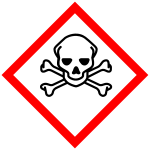  |
| Signal Word | Danger |
| Safety Data Sheet | |
Packaging of Polymethylene polyphenyl polyisocyanate
Industrial Polymethylene polyphenyl polyisocyanate Procurement FAQ
1. How do you ensure product quality consistency?
We rely on a mature China-based manufacturing system and implement strict batch control and quality inspection for every shipment. Our production process complies with ISO 9001 standards, and a COA is provided for each batch to ensure consistent and reliable quality.
2. Do you offer competitive pricing for bulk orders?
Yes, as a China-based manufacturer and bulk supplier, we provide tiered pricing based on order volume. We support FOB and CIF quotations, as well as L/C payment terms for large transactions to meet international trade requirements.
3. Can you support large-volume or long-term supply?
We have stable production capacity and a well-established supply chain, enabling continuous bulk supply. We support ton-level and container-level orders, as well as long-term cooperation projects.
4. What is your typical lead time?
For in-stock products, shipment can be arranged within 1–3 days. For bulk packaging or customized orders, lead time depends on the specific quantity and production schedule.
5. What documents do you provide?
We can provide complete documentation upon request, including COA, SDS, TDS, and other compliance certificates, meeting industrial procurement and export requirements.
6. Can you customize product specifications or packaging?
Yes, we support customization of parameters such as purity, impurities, residual solvents, and heavy metals. We also offer various bulk packaging options, including 25kg bags, drums, and IBC tanks, suitable for industrial applications and transportation.
7. What shipping options do you support?
We support both FCL (Full Container Load) and LCL (Less than Container Load) shipments, and can flexibly arrange logistics solutions based on order size to meet bulk chemical export needs.
8. Do you provide technical or application support?
Yes, we provide basic application guidance and technical support based on industry experience to help customers optimize product usage.
9. How do you handle compliance and export regulations?
We are familiar with international trade and export regulations, ensuring all products comply with relevant requirements. We also provide complete documentation to support smooth customs clearance and global delivery.
Use Bulk
Supply Factory
Direct ISO 9001
Certified Samples
Available Stable
Supply