Sodium hyaluronate Bulk Supply for Industrial Use
China Factory Direct
 |
|
| CAS number | 9067-32-7 |
| Product name | Sodium hyaluronate |
| Stock | Stock readily available; annual supply capacity exceeding 1,000 tons. |
| Grade | Pharmaceutical GradeFood GradeCosmetic Grade |
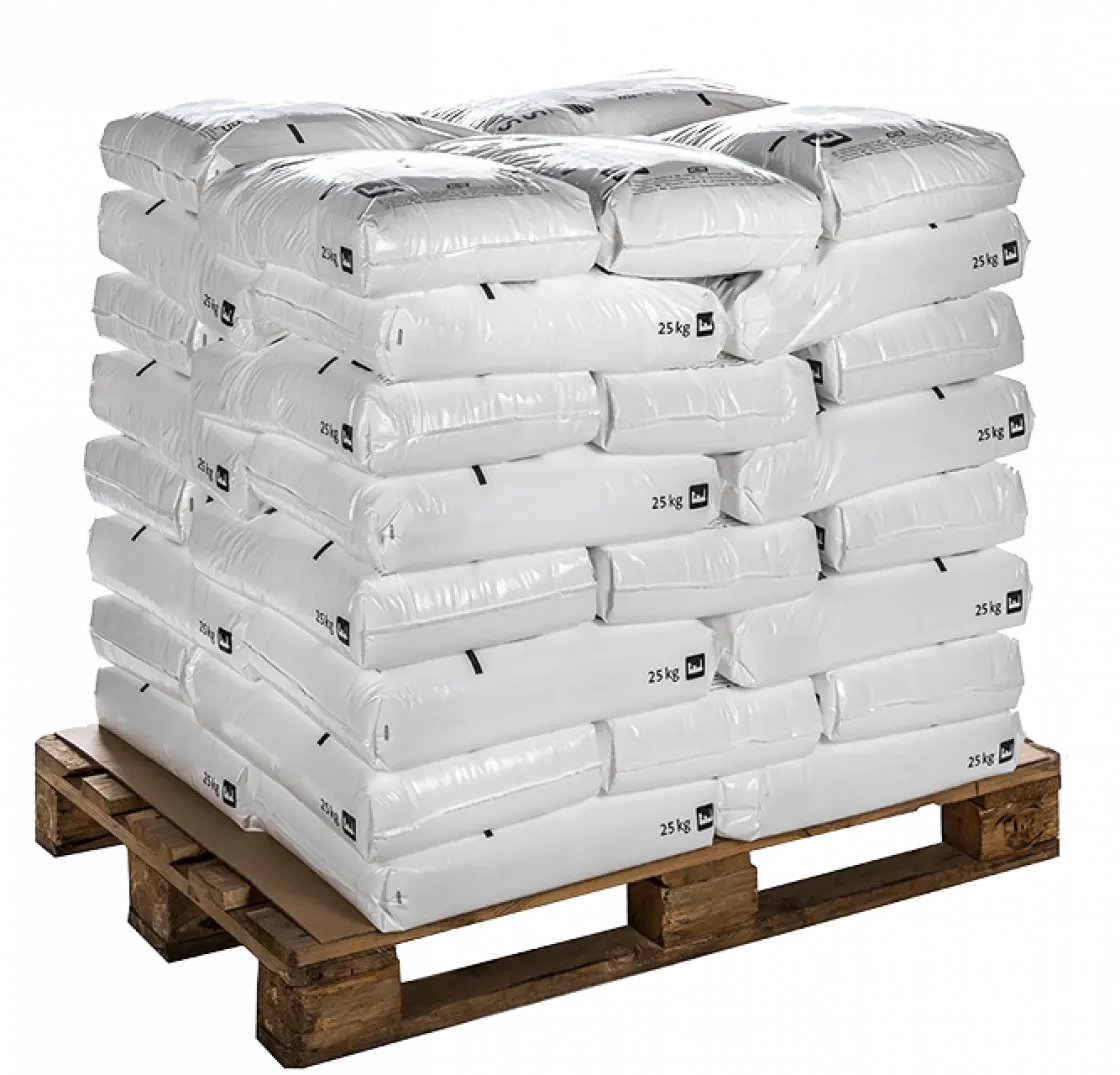
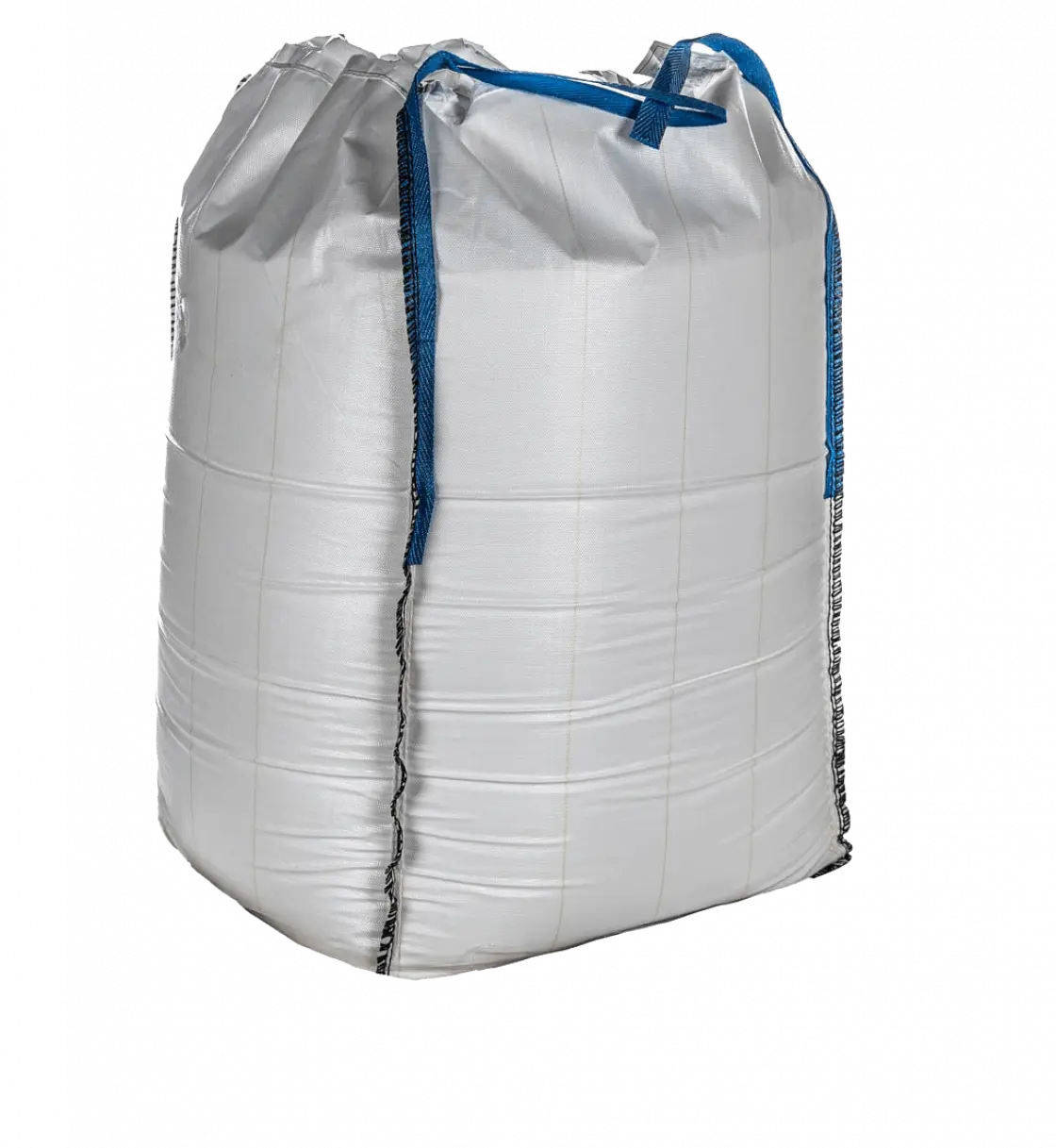
| Packaging | 25KG/bag500KG/bag1000KG/bag |
| Sample | Test Samples Available (Click to Request Samples) |
| COA | View COA |
| Price | Get Quote |
| Supply Type | Bulk / Contract manufacturing / OEM |
| Shipping | FCL / LCL available |
| Payment Terms | Support FOB \ CIF \ EXW quotations, and accept Letter of Credit (L/C). |
| Manufacturer | Greenrock Chemical(China Factory) |






QUOTE TYPE
PACKAGING TYPE
TOTAL QUANTITY(KG)
PREFERRED SHIPPING METHOD
YOUR COMPANY
YOUR E-MAIL
Calculate Summary
Based on current marketvolatility and material availability.
Documents We Provide for Sodium hyaluronate
Post-sale: Full documentation is provided.
To request documents, please contact us via email at sales@GRchemical.com.
Bulk Sodium hyaluronate Supplier from China
17+ years in chemical exports.Fully compliant, reliable supply.Your B2B partner in bulk chemical procurement.
Industrial Applications of Sodium hyaluronate
| Industry | Application | Process |
|---|---|---|
| Pharmaceuticals | Humectant, skin-repairing agent | Incorporated as a raw material into ointments or oral formulations |
| Medical Aesthetics | Injectable filler | Directly injected into subcutaneous tissue |
| Cosmetics | Moisturizing, anti-wrinkle | Added to lotions, creams, and serums |
| Food | Thickener, humectant | Used in beverages, yogurt, and other food products |
| Biomaterials | Scaffold material for tissue engineering | Employed in 3D printing or as a cell culture matrix |
| Ophthalmology | Artificial tears | Dissolved in saline solution to formulate eye drops |
| Pharmaceutical Manufacturing | Controlled-release drug carrier | Combined with active pharmaceutical ingredients to form microspheres or gels |
| Dentistry | Oral mucosal protectant | Formulated into oral care products |
Manufacturing Quality Control of Sodium hyaluronate
| Molecular Weight Determination | Common Testing Methods | Method Overview |
|---|---|---|
| Molecular Weight Determination | Gel Permeation Chromatography (GPC) | Separates components by molecular weight through a chromatographic column, with calibration using standard samples to determine weight-average or number-average molecular weight. |
| Content Determination | Cetyltrimethylammonium Bromide Titration (CTAB) | Utilizes CTAB to form a precipitate with sodium hyaluronate; content is determined via turbidity or potentiometric titration. |
| Drying Loss | Drying Method | Sample dried at 105°C until constant weight; the percentage loss due to moisture and volatile substances is calculated. |
| pH Value | pH Meter Method | Prepare an aqueous solution of specified concentration, then directly measure acidity or alkalinity using a calibrated pH meter. |
| Protein Residue | Lowry Method / Bradford Method | Measures residual protein content by color development resulting from reactions between proteins and dyes or reagents, followed by spectrophotometric analysis. |
| Nucleic Acid Residue | Ultraviolet Absorption Method (A260) | Assesses levels of nucleic acid impurities by measuring absorbance at 260 nm wavelength. |
| Total Heavy Metals | Atomic Absorption Spectroscopy (AAS) | After sample digestion, total content of heavy metals such as lead, arsenic, mercury, and cadmium is determined using atomic absorption spectrometry. |
| Endotoxin | LAL Test (Limulus Amebocyte Lysate Assay) | Utilizes lysate from horseshoe crab blood to induce gel formation in response to endotoxins; quantified using gel clot, chromogenic, or turbidimetric methods. |
| Microbial Limits | Plate Count Method / Membrane Filtration Method | According to pharmacopoeial specifications, samples are inoculated and cultured to count total aerobic bacteria, molds, and yeasts, ensuring microbial contamination control. |
| Bacterial Endotoxin Limit | Quantitative LAL Method | Uses dynamic chromogenic or endpoint chromogenic assay to quantitatively determine bacterial endotoxin levels, ensuring compliance with established limits. |
| Chondroitin Sulfate Impurity | High-Performance Liquid Chromatography (HPLC) | Separates and detects chondroitin sulfate and structurally similar impurities under specific chromatographic conditions. |
| Purity / Related Substances | High-Performance Anion Exchange Chromatography with Pulsed Amperometric Detection (HPAEC-PAD) | Ion-exchange columns separate glycosaminoglycans and their degradation products; PAD detection enables highly sensitive quantitative analysis. |
| Viscosity | Ubbelohde Viscometer Method / Rotational Viscometer Method | Measures kinematic or dynamic viscosity of a solution at a specified concentration and temperature, reflecting molecular weight and structural integrity. |
Technical Specifications of Sodium hyaluronate
| Test Item | Specification |
|---|---|
| Appearance | White powder or granules |
| Glucuronic acid content (%) | ≥45.0 |
| Sodium hyaluronate content (%) | ≥95.0 |
| Average molecular weight | (1.5–2.0)*10^6 Dalton |
| Absorbance | ≤0.25 |
| Transparency (%) | ≥99.0 |
| Intrinsic viscosity value (dL/g) | 23.64–29.59 |
| Dry weight loss (%) | ≤10.0 |
| pH | 5.0–8.5 |
| Pb (Pb, mg/kg) | ≤2 |
| As (As, mg/kg) | ≤1 |
| Hg (Hg, mg/kg) | ≤0.5 |
| Cd (Cd, mg/kg) | ≤0.5 |
| Heavy metal (in lead, mg/kg) | ≤10 |
| Protein content (%) | ≤0.10 |
| Total Colony Number (CFU/g) | ≤100 |
| Fungi and yeasts (CFU/g) | ≤50 |
| Escherichia Coli /g | ND |
| Coliforms /g | ND |
| Staphylococcus Aureus | ND |
| Pseudomonas Aeruginosas | ND |
 Specifications vary by industry. Reach out to our technical experts for a COA tailored specifically to your application. Email:selse@GRchemical.com
|
|
Download COA of Sodium hyaluronate
| CAS/Product ID | *Required fields | |
| Lot/Batch Number | *Required fields | |
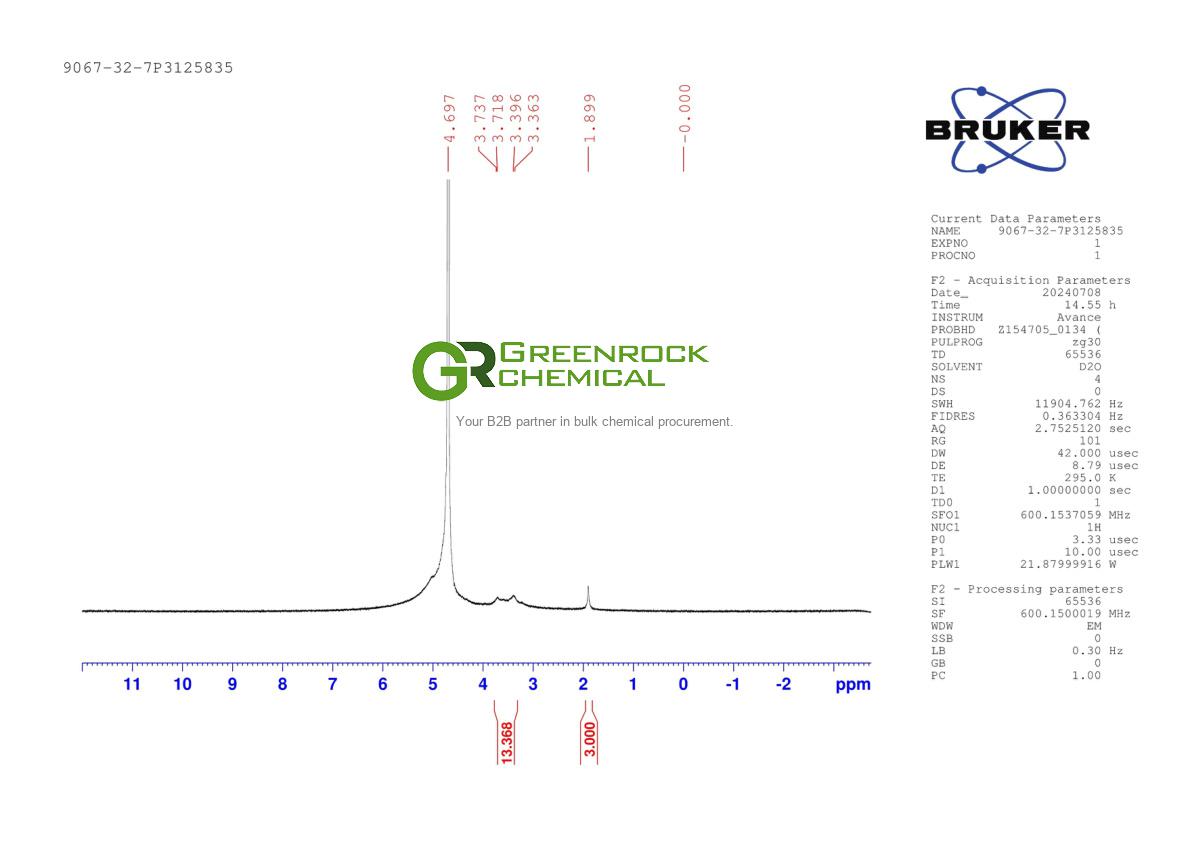
NMR Spectra of Sodium hyaluronate
Packaging of Sodium hyaluronate
Industrial Sodium hyaluronate Procurement FAQ
1. How do you ensure product quality consistency?
We rely on a mature China-based manufacturing system and implement strict batch control and quality inspection for every shipment. Our production process complies with ISO 9001 standards, and a COA is provided for each batch to ensure consistent and reliable quality.
2. Do you offer competitive pricing for bulk orders?
Yes, as a China-based manufacturer and bulk supplier, we provide tiered pricing based on order volume. We support FOB and CIF quotations, as well as L/C payment terms for large transactions to meet international trade requirements.
3. Can you support large-volume or long-term supply?
We have stable production capacity and a well-established supply chain, enabling continuous bulk supply. We support ton-level and container-level orders, as well as long-term cooperation projects.
4. What is your typical lead time?
For in-stock products, shipment can be arranged within 1–3 days. For bulk packaging or customized orders, lead time depends on the specific quantity and production schedule.
5. What documents do you provide?
We can provide complete documentation upon request, including COA, SDS, TDS, and other compliance certificates, meeting industrial procurement and export requirements.
6. Can you customize product specifications or packaging?
Yes, we support customization of parameters such as purity, impurities, residual solvents, and heavy metals. We also offer various bulk packaging options, including 25kg bags, drums, and IBC tanks, suitable for industrial applications and transportation.
7. What shipping options do you support?
We support both FCL (Full Container Load) and LCL (Less than Container Load) shipments, and can flexibly arrange logistics solutions based on order size to meet bulk chemical export needs.
8. Do you provide technical or application support?
Yes, we provide basic application guidance and technical support based on industry experience to help customers optimize product usage.
9. How do you handle compliance and export regulations?
We are familiar with international trade and export regulations, ensuring all products comply with relevant requirements. We also provide complete documentation to support smooth customs clearance and global delivery.
Use Bulk
Supply Factory
Direct ISO 9001
Certified Samples
Available Stable
Supply