Stannous chloride dihydrate Bulk Supply for Industrial Use
China Factory Direct
 |
|
| CAS number | 10025-69-1 |
| Product name | Stannous chloride dihydrate |
| Stock | Stock readily available; annual supply capacity exceeding 1,000 tons. |
| Grade | Material GradeSpecialty GradeIndustrial GradeElectronic GradeReagent Grade |
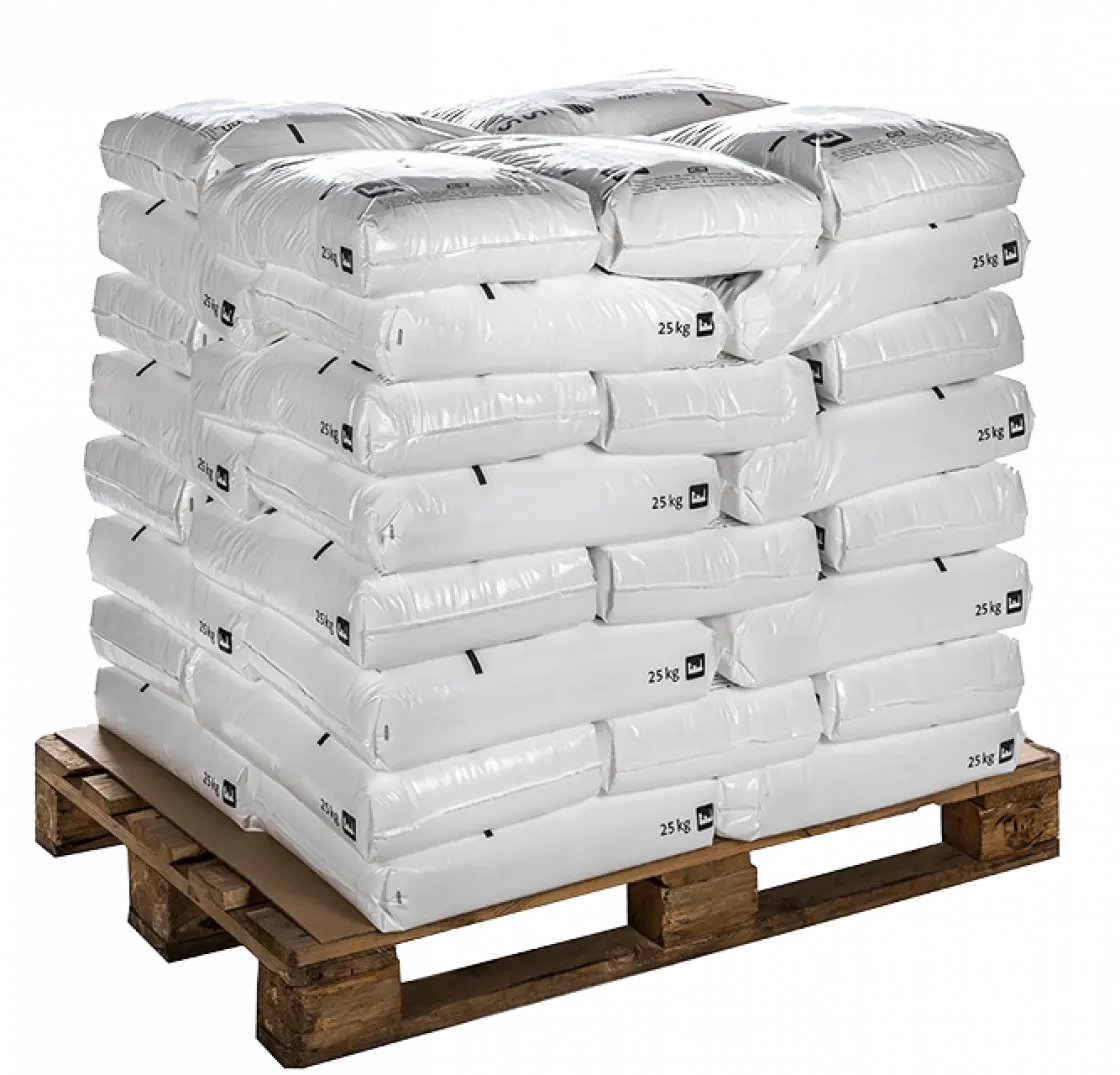
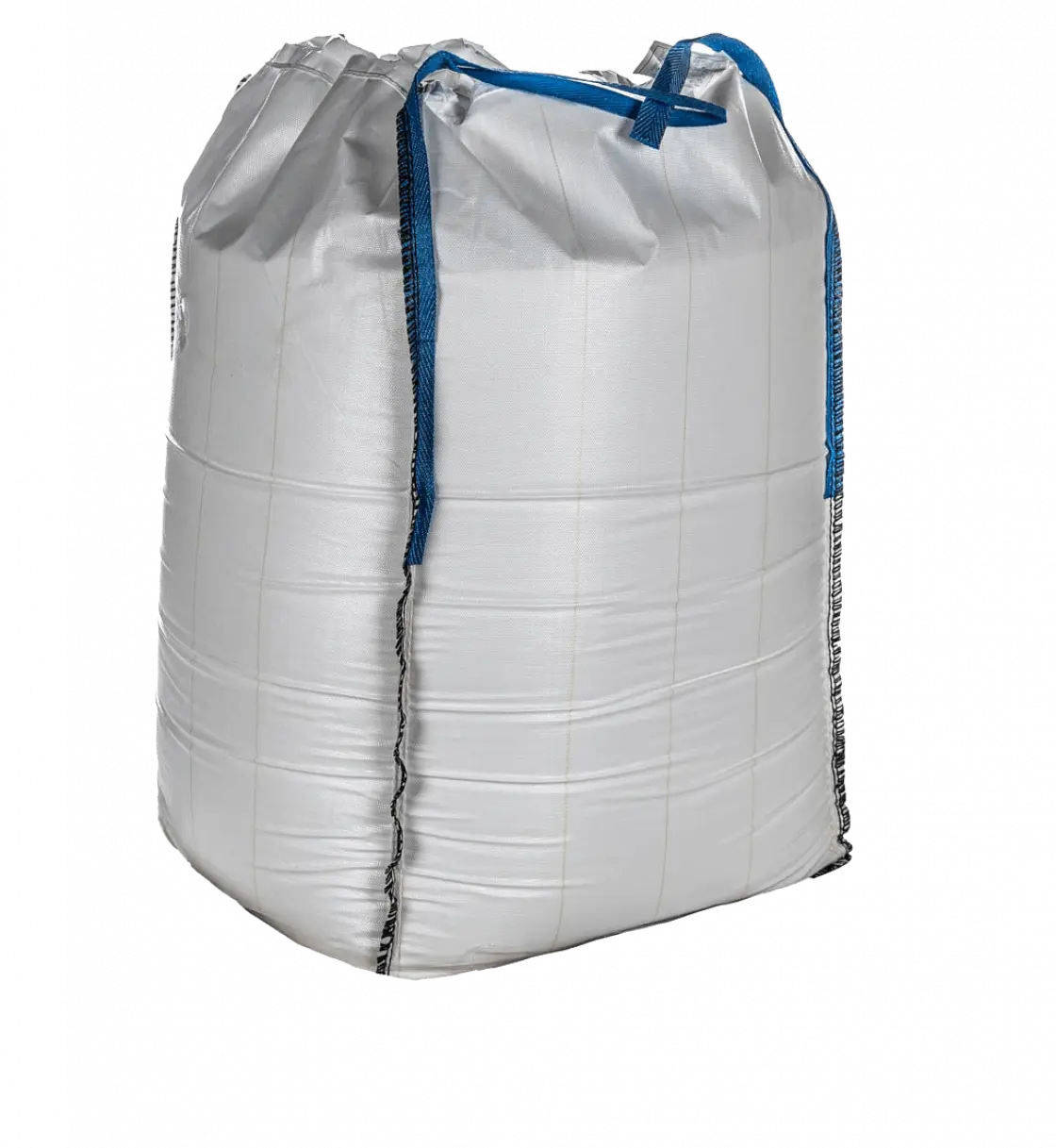
| Packaging | 25KG/bag500KG/bag1000KG/bag |
| Sample | Test Samples Available (Click to Request Samples) |
| COA | View COA |
| Price | Get Quote |
| Supply Type | Bulk / Contract manufacturing / OEM |
| Shipping | FCL / LCL available |
| Payment Terms | Support FOB \ CIF \ EXW quotations, and accept Letter of Credit (L/C). |
| Manufacturer | Greenrock Chemical(China Factory) |






QUOTE TYPE
PACKAGING TYPE
TOTAL QUANTITY(KG)
PREFERRED SHIPPING METHOD
YOUR COMPANY
YOUR E-MAIL
Calculate Summary
Based on current marketvolatility and material availability.
Documents We Provide for Stannous chloride dihydrate
Post-sale: Full documentation is provided.
To request documents, please contact us via email at sales@GRchemical.com.

Bulk Stannous chloride dihydrate Supplier from China
17+ years in chemical exports.Fully compliant, reliable supply.Your B2B partner in bulk chemical procurement.
Industrial Applications of Stannous chloride dihydrate
| Industry | Application | Process |
|---|---|---|
| Electroplating Industry | Used as a reducing agent and stabilizer for electroplating copper, silver, and other metals | Added to acidic plating baths to maintain stable metal ion valence states and promote uniform deposition |
| Dyeing and Printing Industry | Used as a mordant and reducing agent | Forms complexes with dyes during dyeing to improve color fastness; reduces azo dyes to develop color |
| Analytical Chemistry | Used as a reducing colorimetric reagent for detecting metal ions such as mercury, gold, and arsenic | Reacts with Hg²⁺ to form a white mercurous chloride precipitate and with Au³⁺ to form a black metallic gold precipitate |
| Organic Synthesis | Acts as a Lewis acid catalyst in esterification, condensation, and related reactions | Catalyzes Friedel-Crafts acylation of aromatic compounds or reduction of nitrobenzene to phenylhydroxylamine |
| Photographic Materials | Used as an antifogging agent and developing accelerator in photographic developers | Suppresses development in non-exposed areas to enhance image contrast and sharpness |
| Ceramic Glazes | Functions as a tin-based coloring assistant and opacifier component | Decomposes during high-temperature firing to generate SnO₂ microcrystals, imparting a milky-white luster and opacity to the glaze |
Manufacturing Quality Control of Stannous chloride dihydrate
| Detection Item | Common Testing Methods | Method Overview |
|---|---|---|
| Appearance and Physical Properties | Visual Inspection + Microscopic Observation | Inspect whether the sample appears as a white or off-white crystalline powder, checking for lumping, discoloration, or impurities. If necessary, use a microscope to observe crystal morphology and confirm compliance with pharmacopoeial or internal company specifications. |
| Content (SnCl₂·2H₂O) | Iodometric Titration (Redox Titration) | In acidic conditions, standard iodine solution is used to titrate Sn²⁺ in the sample. Sn²⁺ is oxidized to Sn⁴⁺, while iodine is reduced to iodide ions. Starch is used as an indicator, with the endpoint marked by the appearance of blue color. The content of SnCl₂·2H₂O is calculated accordingly. |
| Water Content (H₂O) | Karl Fischer Titration | Utilizes a Karl Fischer reagent composed of iodine, sulfur dioxide, pyridine, and methanol to quantitatively react with water. The water content is determined via potentiometric or endpoint detection methods. This method is highly suitable for precise moisture analysis of hydrates. |
| Iron (Fe) Impurity | Atomic Absorption Spectroscopy (AAS) or ICP-OES | After acid digestion, iron ion content is determined using AAS or Inductively Coupled Plasma Optical Emission Spectrometry (ICP-OES). These techniques offer low detection limits and are ideal for trace metal impurity control. |
| Arsenic (As) Impurity | Gutzeit Method or Arsenic Spot Test | Under acidic conditions, the sample reacts with zinc granules to generate arsine gas, which is then passed through a brominated mercury test paper. Color development is compared with a standard arsenic spot to determine if arsenic levels comply with pharmacopoeial limits (e.g., ≤ 2 ppm). |
| Total Heavy Metals | Thioacetamide Test (ChP/USP) | In a pH 3.5 acetate buffer solution, thioacetamide reacts with heavy metal ions to form a yellow to brown sulfide precipitate. The intensity is visually compared with a standard lead solution to assess whether total heavy metals meet requirements (e.g., ≤ 10 ppm). |
| Chloride Ion (Cl⁻) Content | Ion Chromatography (IC) or Silver Nitrate Titration | Ion Chromatography: Separates and quantifies chloride ions in the sample; Silver Nitrate Titration: Uses potassium chromate as an indicator, titrating Cl⁻ with AgNO₃ to form AgCl precipitate, with the endpoint indicated by the appearance of brick-red Ag₂CrO₄. |
| pH Value | pH Meter Measurement | Prepare a solution of the sample at a specified concentration (e.g., 5%) and measure its pH using a calibrated pH meter. Ensure it falls within the specified range (typically 1.0–3.0), reflecting acidity and degree of hydrolysis. |
| Solution Clarity and Color | Visual Comparison or Spectrophotometry | Dissolve the sample in dilute hydrochloric acid and assess clarity visually or use a spectrophotometer to measure turbidity or absorbance in the visible range (e.g., 400–700 nm). Detect any cloudiness or abnormal coloring (e.g., due to oxidation forming Sn⁴⁺). |
| Melting Point or Decomposition Temperature | Differential Scanning Calorimetry (DSC) or Melting Point Apparatus | Use DSC to analyze thermal behavior, confirming dehydration temperature (~100–120°C) and decomposition temperature (>200°C), thereby assessing potential presence of impurities or moisture-induced degradation. |
| Drying Loss | Thermogravimetric Analysis (TGA) or Oven Drying Method | Dry the sample at 105°C until constant weight is achieved, calculating the percentage of mass loss. This evaluates free water and partial crystalline water content, which should correspond closely to the theoretical water content (~16.5%). |
| Microbial Limits (if for pharmaceutical use) | Plate Count Method (Chinese Pharmacopoeia General Rules) | For pharmaceutical-grade products, microbial limit testing includes assessment of aerobic bacterial count, mold and yeast count, and presence of Escherichia coli, ensuring compliance with stringent microbial contamination standards required for medicinal use. |
Technical Specifications of Stannous chloride dihydrate
| Test Item | Specification |
|---|---|
| Appearance | White crystalline solid |
| Purity | >=98.0% |
| Water Content (KF) | <=0.5% |
| Total Impurities | <=2.0% |
| Single Impurity | <=0.5% |
| Heavy Metals | <=20 ppm |
| Residue on Ignition | <=0.1% |
| Solubility | Freely soluble in water and ethanol |
 Specifications vary by industry. Reach out to our technical experts for a COA tailored specifically to your application. Email:selse@GRchemical.com
|
|
Download COA of Stannous chloride dihydrate
| CAS/Product ID | *Required fields | |
| Lot/Batch Number | *Required fields | |


Packaging of Stannous chloride dihydrate
Industrial Stannous chloride dihydrate Procurement FAQ
1. How do you ensure product quality consistency?
We rely on a mature China-based manufacturing system and implement strict batch control and quality inspection for every shipment. Our production process complies with ISO 9001 standards, and a COA is provided for each batch to ensure consistent and reliable quality.
2. Do you offer competitive pricing for bulk orders?
Yes, as a China-based manufacturer and bulk supplier, we provide tiered pricing based on order volume. We support FOB and CIF quotations, as well as L/C payment terms for large transactions to meet international trade requirements.
3. Can you support large-volume or long-term supply?
We have stable production capacity and a well-established supply chain, enabling continuous bulk supply. We support ton-level and container-level orders, as well as long-term cooperation projects.
4. What is your typical lead time?
For in-stock products, shipment can be arranged within 1–3 days. For bulk packaging or customized orders, lead time depends on the specific quantity and production schedule.
5. What documents do you provide?
We can provide complete documentation upon request, including COA, SDS, TDS, and other compliance certificates, meeting industrial procurement and export requirements.
6. Can you customize product specifications or packaging?
Yes, we support customization of parameters such as purity, impurities, residual solvents, and heavy metals. We also offer various bulk packaging options, including 25kg bags, drums, and IBC tanks, suitable for industrial applications and transportation.
7. What shipping options do you support?
We support both FCL (Full Container Load) and LCL (Less than Container Load) shipments, and can flexibly arrange logistics solutions based on order size to meet bulk chemical export needs.
8. Do you provide technical or application support?
Yes, we provide basic application guidance and technical support based on industry experience to help customers optimize product usage.
9. How do you handle compliance and export regulations?
We are familiar with international trade and export regulations, ensuring all products comply with relevant requirements. We also provide complete documentation to support smooth customs clearance and global delivery.
Use Bulk
Supply Factory
Direct ISO 9001
Certified Samples
Available Stable
Supply