Lithium oxide Bulk Supply for Industrial Use
China Factory Direct
 |
|
| CAS number | 12057-24-8 |
| Product name | Lithium oxide |
| Stock | Stock readily available; annual supply capacity exceeding 1,000 tons. |
| Grade | Industrial Grade |
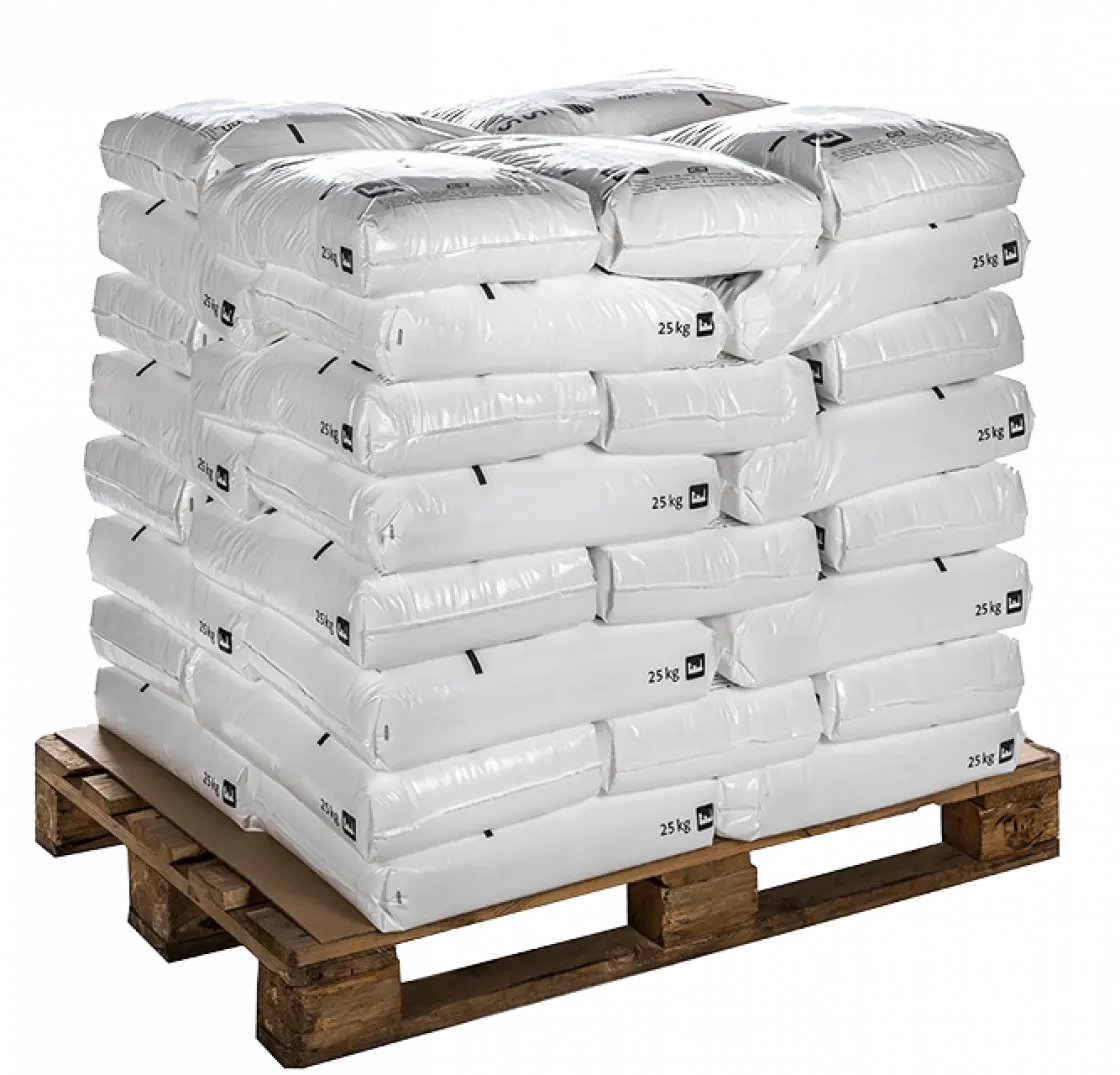
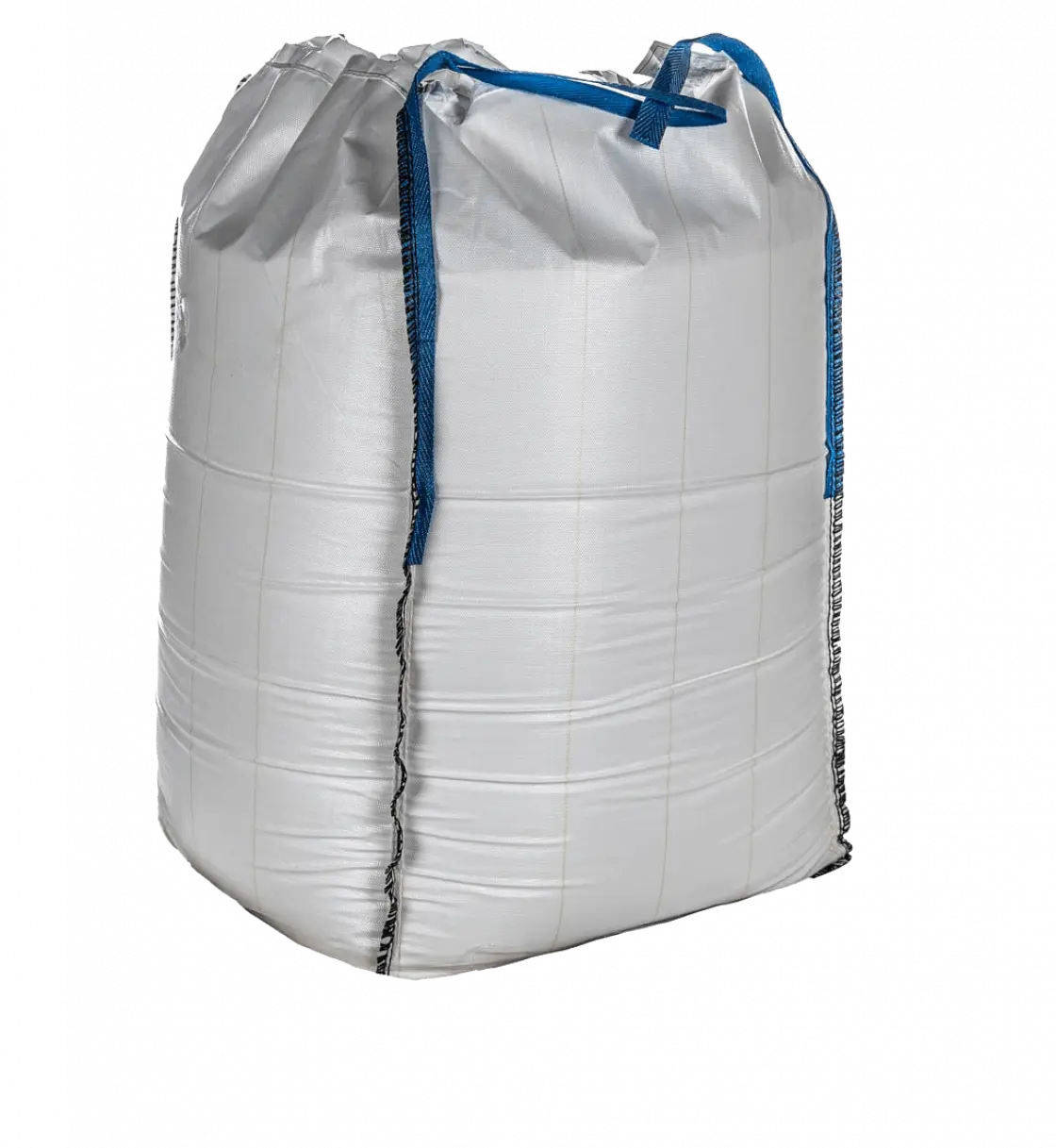
| Packaging | 25KG/bag500KG/bag1000KG/bag |
| Sample | Test Samples Available (Click to Request Samples) |
| COA | View COA |
| Price | Get Quote |
| Supply Type | Bulk / Contract manufacturing / OEM |
| Shipping | FCL / LCL available |
| Payment Terms | Support FOB \ CIF \ EXW quotations, and accept Letter of Credit (L/C). |
| Manufacturer | Greenrock Chemical(China Factory) |






QUOTE TYPE
PACKAGING TYPE
TOTAL QUANTITY(KG)
PREFERRED SHIPPING METHOD
YOUR COMPANY
YOUR E-MAIL
Calculate Summary
Based on current marketvolatility and material availability.
Documents We Provide for Lithium oxide
Post-sale: Full documentation is provided.
To request documents, please contact us via email at sales@GRchemical.com.
Bulk Lithium oxide Supplier from China
17+ years in chemical exports.Fully compliant, reliable supply.Your B2B partner in bulk chemical procurement.
Industrial Applications of Lithium oxide
| Industry | Application | Process |
|---|---|---|
| Lithium-ion Battery Industry | Cathode Material Additive | Added as an additive to lithium nickel manganese cobalt oxide (NMC) or lithium nickel cobalt aluminum oxide (NCA) to stabilize the crystal structure, thereby enhancing battery cycle life and safety. |
| Lithium-ion Battery Industry | Solid Electrolyte Synthesis | Used as a lithium source in the preparation of solid electrolyte materials such as lithium aluminum titanium phosphate (LATP) or lithium lanthanum zirconium oxide (LLZO). |
| Glass-Ceramic Industry | Specialty Glass Component | Incorporated into glass batch formulations as a network former or intermediate to lower melting temperature and coefficient of thermal expansion, thereby improving chemical durability and thermal shock resistance (e.g., in lithium aluminosilicate glass production). |
| Glass-Ceramic Industry | Precursor for Glass-Ceramics | Serves as a nucleating agent or base constituent in glass-ceramic manufacturing; low-expansion crystals (e.g., β-spodumene, petalite) are precipitated via controlled crystallization heat treatment to produce high-temperature-resistant, low-expansion materials. |
| Electronics Industry | Ferroelectric Thin Films and Capacitor Dielectrics | Employed in the fabrication of dielectric materials such as lithium titanate (Li₂TiO₃) or lithium niobate (LiNbO₃), leveraging their high dielectric constant in thin-film deposition or sintering processes for high-performance capacitors and piezoelectric components. |
| Nuclear Industry | Tritium Breeder Material | Used to fabricate ceramic breeder materials (e.g., lithium aluminate, LiAlO₂) that generate tritium gas through neutron irradiation in fusion reactor blankets. |
| Catalysis Industry | Catalyst Support and Promoter | Applied in the preparation of supported catalysts to enhance basic site density or metal dispersion in transesterification or hydrogenation reactions. |
| Coatings Industry | Inorganic Functional Coatings | Incorporated as a functional filler into high-temperature corrosion-resistant coatings to improve coating resistance to corrosion and high-temperature oxidation, leveraging its chemical stability. |
Manufacturing Quality Control of Lithium oxide
| Test Item | Common Testing Methods | Method Overview |
|---|---|---|
| Lithium Oxide (Li₂O) Content | Acid-Base Titration | The sample is dissolved in a strong acid (e.g., hydrochloric acid), converting Li₂O into LiCl. The excess acid is back-titrated with a standard NaOH solution to calculate the Li₂O content. Simple to operate and suitable for determining high-purity lithium oxide. |
| Atomic Absorption Spectroscopy (AAS) | After acid digestion of the sample, it is introduced into an atomic absorption spectrometer to measure the absorbance of lithium at 670.8 nm. The Li₂O content is determined via a calibration curve. Offers high sensitivity and good selectivity. | |
| Inductively Coupled Plasma Optical Emission Spectrometry (ICP-OES) | The digested sample is introduced into an ICP source, where lithium atoms are excited to emit characteristic spectra. Lithium concentration is quantified based on emission intensity and converted to Li₂O content. Allows simultaneous detection of multiple impurity elements, with high precision; ideal for multi-element analysis. | |
| Impurity Element Content | ICP-OES or ICP-MS | Uses ICP-OES or Inductively Coupled Plasma Mass Spectrometry (ICP-MS) to detect metallic impurities such as Fe, Na, K, Ca, and Mg. Offers low detection limits and is suitable for trace impurity analysis in high-purity lithium oxide. |
| Moisture Content | Karl Fischer Titration | Measures water content based on the quantitative reaction of iodine and sulfur dioxide with water in an anhydrous environment. Water is determined by measuring reagent consumption or electrical charge. Suitable for determining adsorbed moisture in lithium oxide, minimizing interference from side reactions. |
| Loss on Ignition (LOI) | Gravimetric Method (Thermogravimetric Analysis) | The sample is heated to high temperature (e.g., 1000°C) for a specified duration, and the weight loss before and after heating is measured. Assesses volatiles, moisture, and decomposition of carbonates. Provides indirect evaluation of purity and thermal stability. |
| Particle Size Distribution | Laser Diffraction Particle Size Analysis | The sample is dispersed in liquid or gas, and particle size distribution is determined based on laser light scattering principles. Critical for controlling processing performance of lithium oxide powders. |
| Crystal Structure | X-Ray Diffraction (XRD) | Analyzes crystal structure using X-ray diffraction patterns to confirm whether the material is pure-phase Li₂O and detect potential impurities such as Li₂CO₃. Used for phase identification. |
Technical Specifications of Lithium oxide
| Test Item | Specification |
|---|---|
| Appearance | White crystal |
| Purity | ≥97.0% |
| Lithium carbonate | ≤2.5% |
| Na | ≤0.03% |
| Ni | ≤0.005% |
| Ca | ≤0.03% |
| Si | ≤0.03% |
| Zn | ≤0.002% |
| Cu | ≤0.002% |
| Fe | ≤0.002% |
| Cr | ≤0.001% |
 Specifications vary by industry. Reach out to our technical experts for a COA tailored specifically to your application. Email:selse@GRchemical.com
|
|
Download COA of Lithium oxide
| CAS/Product ID | *Required fields | |
| Lot/Batch Number | *Required fields | |

Packaging of Lithium oxide
Industrial Lithium oxide Procurement FAQ
1. How do you ensure product quality consistency?
We rely on a mature China-based manufacturing system and implement strict batch control and quality inspection for every shipment. Our production process complies with ISO 9001 standards, and a COA is provided for each batch to ensure consistent and reliable quality.
2. Do you offer competitive pricing for bulk orders?
Yes, as a China-based manufacturer and bulk supplier, we provide tiered pricing based on order volume. We support FOB and CIF quotations, as well as L/C payment terms for large transactions to meet international trade requirements.
3. Can you support large-volume or long-term supply?
We have stable production capacity and a well-established supply chain, enabling continuous bulk supply. We support ton-level and container-level orders, as well as long-term cooperation projects.
4. What is your typical lead time?
For in-stock products, shipment can be arranged within 1–3 days. For bulk packaging or customized orders, lead time depends on the specific quantity and production schedule.
5. What documents do you provide?
We can provide complete documentation upon request, including COA, SDS, TDS, and other compliance certificates, meeting industrial procurement and export requirements.
6. Can you customize product specifications or packaging?
Yes, we support customization of parameters such as purity, impurities, residual solvents, and heavy metals. We also offer various bulk packaging options, including 25kg bags, drums, and IBC tanks, suitable for industrial applications and transportation.
7. What shipping options do you support?
We support both FCL (Full Container Load) and LCL (Less than Container Load) shipments, and can flexibly arrange logistics solutions based on order size to meet bulk chemical export needs.
8. Do you provide technical or application support?
Yes, we provide basic application guidance and technical support based on industry experience to help customers optimize product usage.
9. How do you handle compliance and export regulations?
We are familiar with international trade and export regulations, ensuring all products comply with relevant requirements. We also provide complete documentation to support smooth customs clearance and global delivery.
Use Bulk
Supply Factory
Direct ISO 9001
Certified Samples
Available Stable
Supply