Sodium stannate Bulk Supply for Industrial Use
China Factory Direct
 |
|
| CAS number | 12058-66-1 |
| Product name | Sodium stannate |
| Stock | Stock readily available; annual supply capacity exceeding 1,000 tons. |
| Grade | Industrial Grade |
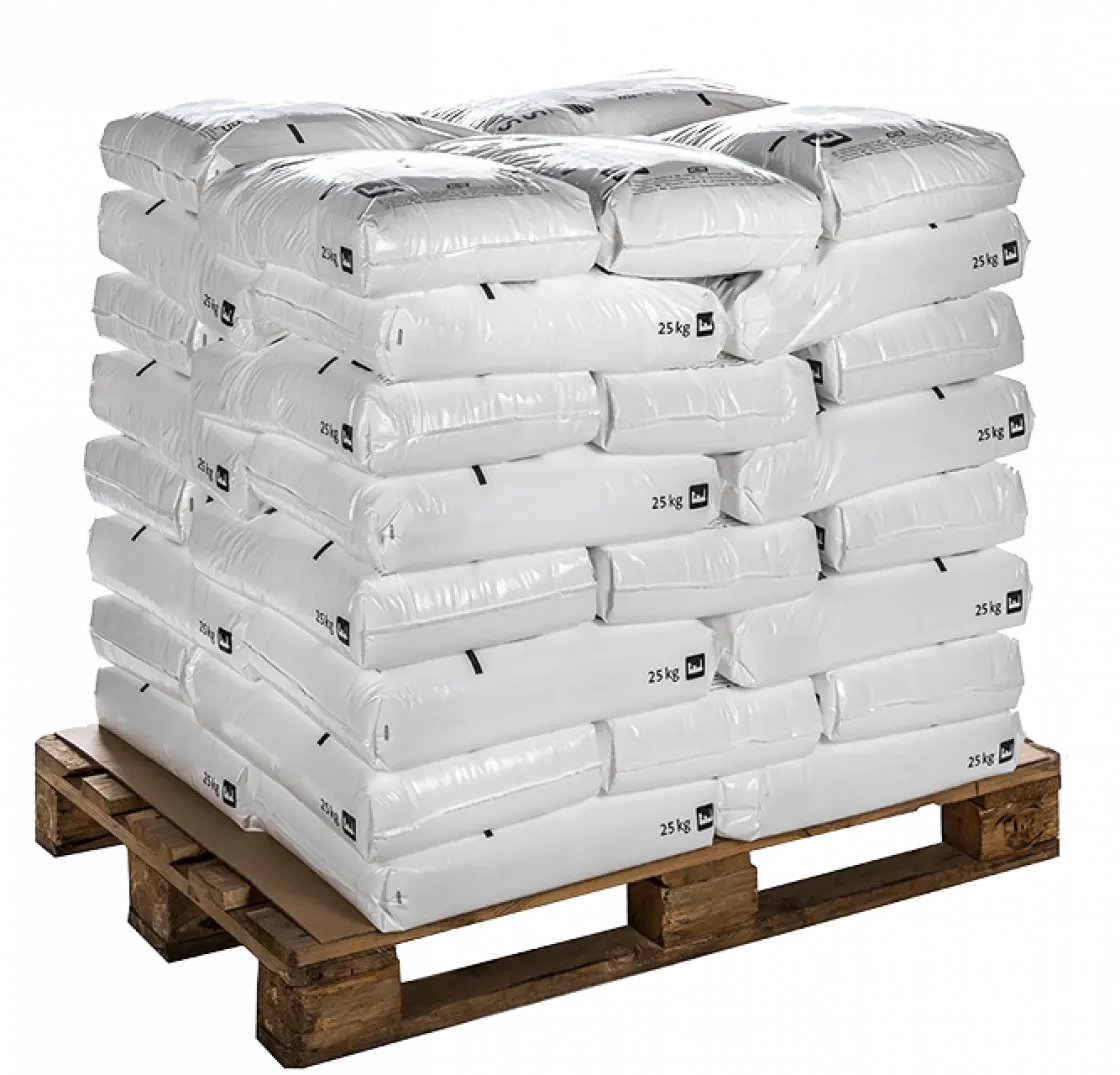
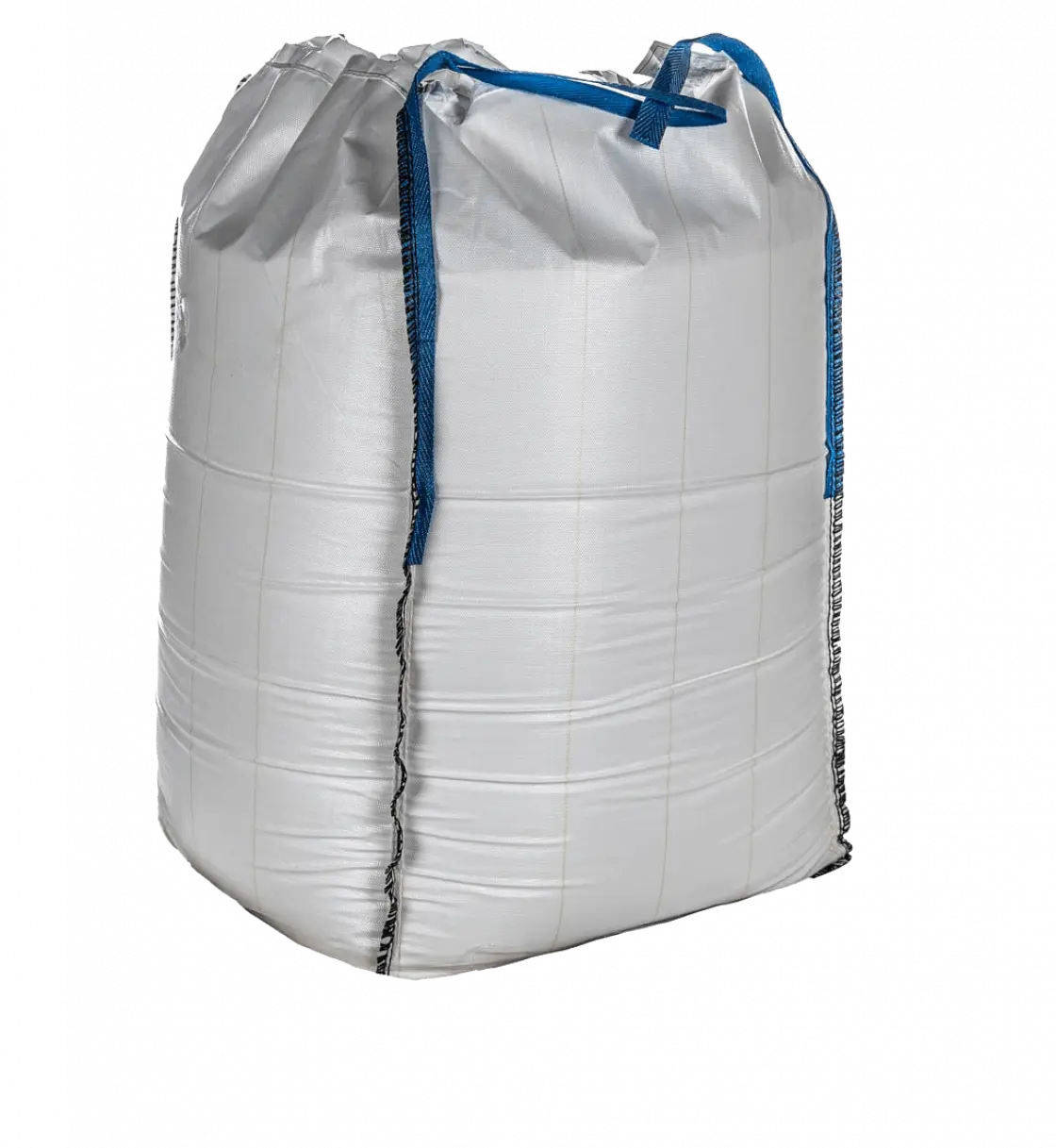
| Packaging | 25KG/bag500KG/bag1000KG/bag |
| Sample | Test Samples Available (Click to Request Samples) |
| COA | View COA |
| Price | Get Quote |
| Supply Type | Bulk / Contract manufacturing / OEM |
| Shipping | FCL / LCL available |
| Payment Terms | Support FOB \ CIF \ EXW quotations, and accept Letter of Credit (L/C). |
| Manufacturer | Greenrock Chemical(China Factory) |






QUOTE TYPE
PACKAGING TYPE
TOTAL QUANTITY(KG)
PREFERRED SHIPPING METHOD
YOUR COMPANY
YOUR E-MAIL
Calculate Summary
Based on current marketvolatility and material availability.
Documents We Provide for Sodium stannate
Post-sale: Full documentation is provided.
To request documents, please contact us via email at sales@GRchemical.com.

Bulk Sodium stannate Supplier from China
17+ years in chemical exports.Fully compliant, reliable supply.Your B2B partner in bulk chemical procurement.
Industrial Applications of Sodium stannate
| Industry | Application | Process |
|---|---|---|
| Electroplating Industry | Primary salt for alkaline tin plating | Supplies tin ions in alkaline plating baths; enables electrodeposition of bright, dense tin coatings on substrates to enhance solderability and corrosion resistance. |
| Electroplating Industry | Tin–nickel alloy electroplating | Serves as the tin source in combination with nickel salts to deposit tin–nickel alloy coatings, which offer high hardness and excellent tarnish resistance. |
| Electroplating Industry | Tin–cobalt alloy electroplating | Acts as the tin source in combination with cobalt salts to produce silver-white alloy coatings as an environmentally preferable alternative to chromium plating. |
| Glass Manufacturing | Glass surface treatment agent | Used in the production of conductive glass (e.g., as a pretreatment or alternative to ITO glass) or optical glass; modifies surface refractive index, conductivity, or antistatic properties via chemical vapor deposition or dip-coating processes. |
| Glass Manufacturing | Glass decolorizing agent | Regulates the redox state during glass melting—acting as either an oxidizing or reducing agent—to eliminate greenish tint caused by iron impurities. |
| Ceramic Industry | Additive for ceramic glazes | Formulates low-expansion glazes; promotes formation of specific crystalline phases during firing to improve thermal stability and gloss of ceramic products. |
| Textile Dyeing & Printing | Mordant and auxiliary agent | Used in dyeing with acid mordant dyes; tin ions form complexes with dye molecules to increase color fastness and brightness on protein fibers such as wool and silk. |
| Flame-Retardant Materials | Flame-retardant synergist | Employed in flame-retardant formulations for certain polymers (e.g., polyester, nylon); acts synergistically with halogen- or phosphorus-based flame retardants to promote char formation and reduce smoke generation. |
| Catalysis | Catalyst for esterification reactions | Serves as a non-acidic catalyst in certain organic syntheses (e.g., phthalate ester production), offering high activity, minimal equipment corrosion, and ease of product separation. |
| Others | Ceramic capacitor material | Used in manufacturing electronic ceramic capacitor dielectric materials to tailor dielectric constant and temperature characteristics. |
Manufacturing Quality Control of Sodium stannate
| Test Item | Common Test Methods | Method Overview |
|---|---|---|
| Tin Content (Sn Content) | Iodometric Method (Redox Titration) | Under acidic conditions, Sn(IV) is reduced to Sn(II), which is then titrated with standard iodine solution. The total tin content is calculated based on the amount of iodine consumed, from which the purity of sodium stannate is derived. |
| Atomic Absorption Spectroscopy (AAS) | The sample is dissolved and the characteristic absorption peak intensity of tin is measured using an atomic absorption spectrophotometer to quantitatively determine tin content. | |
| Inductively Coupled Plasma Optical Emission Spectrometry (ICP-OES) | A highly sensitive multi-element analysis method suitable for simultaneous determination of main components and impurities in high-purity sodium stannate. | |
| pH Value | pH Meter Method | Prepare an aqueous solution of sodium stannate at a specific concentration and directly measure its pH value using a calibrated pH meter to assess its alkalinity. |
| Chlorides | Silver Nitrate Turbidity Method | In a nitric acid medium, chloride ions react with silver nitrate to form white turbidity of silver chloride; chloride content is determined by turbidimetric analysis. |
| Sulfates | Turbidimetric Method (BaCl₂ Method) | In acidic conditions, sulfate ions react with barium chloride to form barium sulfate precipitate; sulfate content is determined by turbidimetry or gravimetric analysis. |
| Heavy Metals (e.g., Pb, As, Hg) | Atomic Absorption Spectroscopy (AAS) or ICP-MS | After sample digestion, trace levels of heavy metal elements are detected using AAS or Inductively Coupled Plasma Mass Spectrometry (ICP-MS). |
| Iron Content | Spectrophotometry (o-Phenanthroline Method) | Iron ions form an orange-red complex with o-phenanthroline; absorbance is measured at 510 nm to quantify iron impurity content. |
| Water-Insoluble Matter | Gravimetric Method | Dissolve the sample in water, filter the insoluble residue, dry it, and weigh to calculate the percentage of water-insoluble matter. |
| Crystallization Water / Moisture | Karl Fischer Titration | Uses KF reagent to accurately determine the content of crystallization or adsorbed water in the sample; suitable for trace moisture analysis. |
| Appearance | Visual Inspection | Observe the sample's color, physical state (e.g., white powder or granules), and whether there is caking, to evaluate appearance quality. |
Technical Specifications of Sodium stannate
| Test Item | Specification |
|---|---|
| Appearance | White solid |
| Sn | ≥42.0% |
| Pb | ≤0.002% |
| Sb | ≤0.0025% |
| As | ≤0.001% |
| Fe | ≤0.02% |
| Free alkali as NaOH | ≤3.5% |
| Nitrate as NO3- | ≤0.1% |
| Alkali insoluble matter | ≤0.1% |
 Specifications vary by industry. Reach out to our technical experts for a COA tailored specifically to your application. Email:selse@GRchemical.com
|
|
Download COA of Sodium stannate
| CAS/Product ID | *Required fields | |
| Lot/Batch Number | *Required fields | |

Packaging of Sodium stannate
Industrial Sodium stannate Procurement FAQ
1. How do you ensure product quality consistency?
We rely on a mature China-based manufacturing system and implement strict batch control and quality inspection for every shipment. Our production process complies with ISO 9001 standards, and a COA is provided for each batch to ensure consistent and reliable quality.
2. Do you offer competitive pricing for bulk orders?
Yes, as a China-based manufacturer and bulk supplier, we provide tiered pricing based on order volume. We support FOB and CIF quotations, as well as L/C payment terms for large transactions to meet international trade requirements.
3. Can you support large-volume or long-term supply?
We have stable production capacity and a well-established supply chain, enabling continuous bulk supply. We support ton-level and container-level orders, as well as long-term cooperation projects.
4. What is your typical lead time?
For in-stock products, shipment can be arranged within 1–3 days. For bulk packaging or customized orders, lead time depends on the specific quantity and production schedule.
5. What documents do you provide?
We can provide complete documentation upon request, including COA, SDS, TDS, and other compliance certificates, meeting industrial procurement and export requirements.
6. Can you customize product specifications or packaging?
Yes, we support customization of parameters such as purity, impurities, residual solvents, and heavy metals. We also offer various bulk packaging options, including 25kg bags, drums, and IBC tanks, suitable for industrial applications and transportation.
7. What shipping options do you support?
We support both FCL (Full Container Load) and LCL (Less than Container Load) shipments, and can flexibly arrange logistics solutions based on order size to meet bulk chemical export needs.
8. Do you provide technical or application support?
Yes, we provide basic application guidance and technical support based on industry experience to help customers optimize product usage.
9. How do you handle compliance and export regulations?
We are familiar with international trade and export regulations, ensuring all products comply with relevant requirements. We also provide complete documentation to support smooth customs clearance and global delivery.
Use Bulk
Supply Factory
Direct ISO 9001
Certified Samples
Available Stable
Supply