Tantalum carbide Bulk Supply for Industrial Use
China Factory Direct
 |
|
| CAS number | 12070-06-3 |
| Product name | Tantalum carbide |
| Stock | Stock readily available; annual supply capacity exceeding 1,000 tons. |
| Grade | Material GradeSpecialty GradeElectronic Grade |
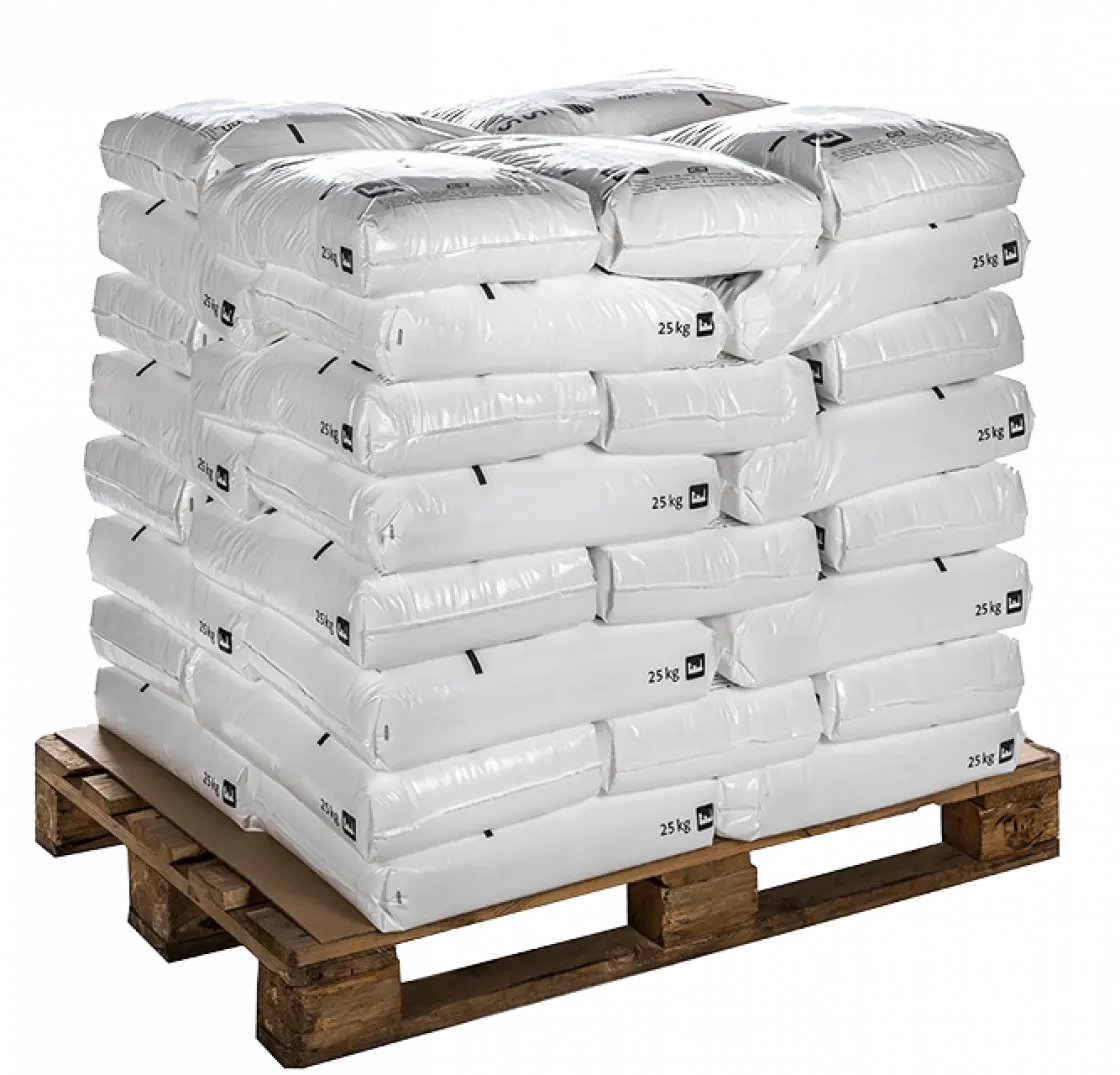
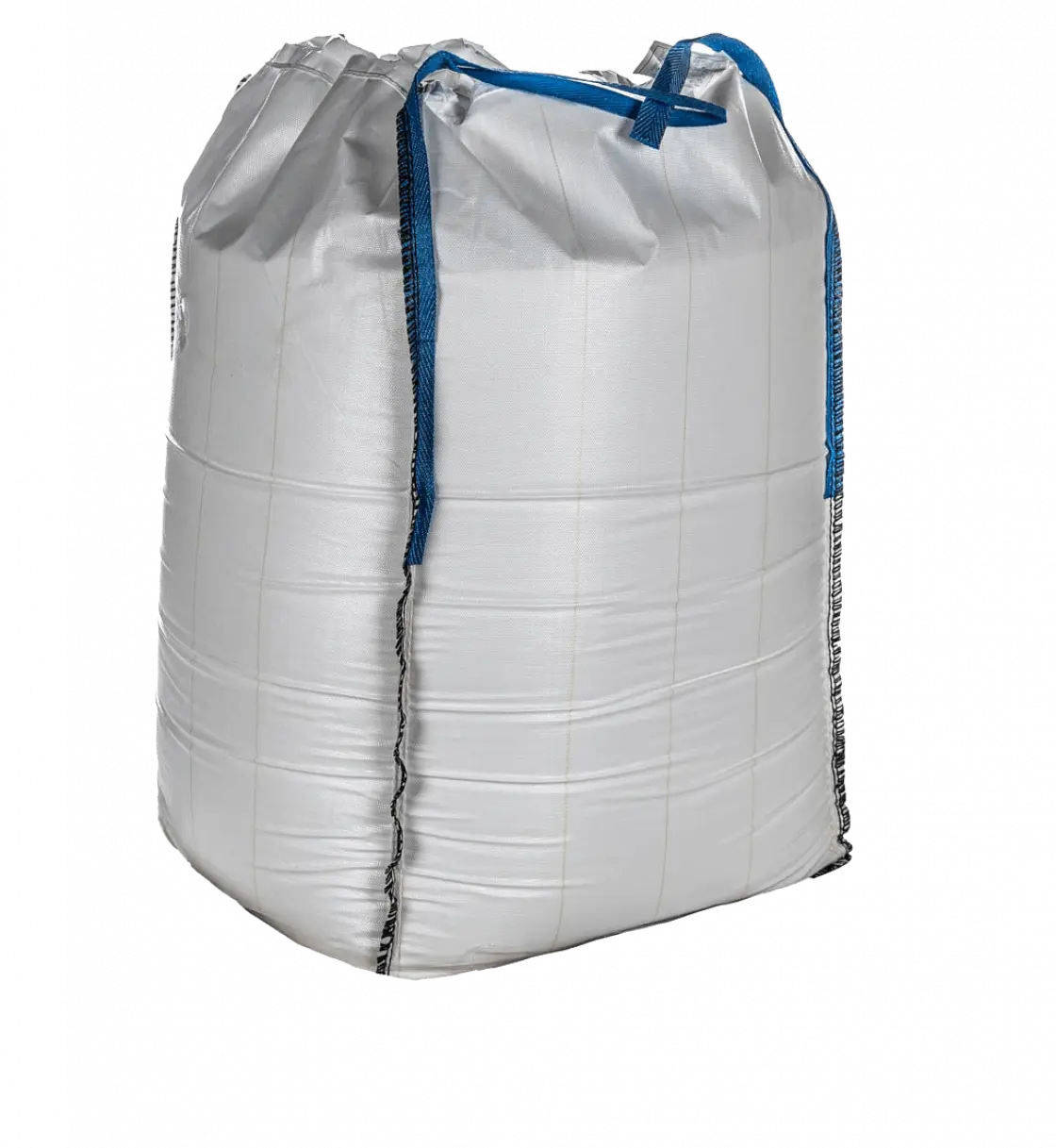
| Packaging | 25KG/bag500KG/bag1000KG/bag |
| Sample | Test Samples Available (Click to Request Samples) |
| COA | View COA |
| Price | Get Quote |
| Supply Type | Bulk / Contract manufacturing / OEM |
| Shipping | FCL / LCL available |
| Payment Terms | Support FOB \ CIF \ EXW quotations, and accept Letter of Credit (L/C). |
| Manufacturer | Greenrock Chemical(China Factory) |






QUOTE TYPE
PACKAGING TYPE
TOTAL QUANTITY(KG)
PREFERRED SHIPPING METHOD
YOUR COMPANY
YOUR E-MAIL
Calculate Summary
Based on current marketvolatility and material availability.
Documents We Provide for Tantalum carbide
Post-sale: Full documentation is provided.
To request documents, please contact us via email at sales@GRchemical.com.
Bulk Tantalum carbide Supplier from China
17+ years in chemical exports.Fully compliant, reliable supply.Your B2B partner in bulk chemical procurement.
Industrial Applications of Tantalum carbide
| Industry | Application | Process |
|---|---|---|
| Cemented Carbides | Enhancing hardness and wear resistance | Added as a reinforcement phase in cemented carbides for manufacturing cutting tools, drill bits, etc. |
| Aerospace | High-temperature structural material | Used to fabricate jet engine components and high-temperature furnace parts via powder metallurgy |
| Electronics Industry | Semiconductor thin-film material | Applied as a diffusion barrier layer in integrated circuits, deposited via chemical vapor deposition (CVD) or physical vapor deposition (PVD) |
| Metallurgical Industry | Refractory material | Employed as crucible linings to resist erosion by high-temperature molten metals; formed by hot-press sintering |
| Cutting Tools | Coating material | Applied as a wear-resistant coating on tool surfaces via plasma spraying or CVD |
| Nuclear Industry | Neutron-absorbing material | Used in reactor control rod assemblies, leveraging its effective neutron absorption; manufactured by powder compaction and sintering |
Manufacturing Quality Control of Tantalum carbide
| Test Item | Common Testing Methods | Method Overview |
|---|---|---|
| Chemical Composition Analysis | X-Ray Fluorescence Spectroscopy (XRF) | Non-destructive testing method for rapidly determining the relative content of tantalum, carbon, and other impurity elements in samples. |
| Inductively Coupled Plasma Optical Emission Spectrometry (ICP-OES) | After dissolving the sample, elements are excited by high-temperature plasma to emit light, enabling precise measurement of metallic impurity elements (e.g., Fe, Ni, Cr). | |
| Infrared Absorption Method (for carbon content determination) | The sample is combusted via high-frequency induction, converting carbon into CO₂, which is then quantified using an infrared detector; suitable for total and free carbon analysis. | |
| Phase Composition Analysis | X-Ray Diffraction (XRD) | Identifies the crystal structure of tantalum carbide and detects any secondary phases (e.g., Ta₂O₅, free carbon) through diffraction patterns, assessing purity and crystallinity. |
| Particle Size Distribution | Laser Particle Size Analysis (LPSA) | Measures particle size distribution based on laser scattering principles, evaluating powder uniformity and suitability. |
| Scanning Electron Microscopy (SEM) with Image Analysis | Observes particle morphology and uses software to analyze particle size, providing intuitive microstructural information. | |
| Specific Surface Area | Nitrogen Adsorption Method (BET Method) | Calculates specific surface area from nitrogen adsorption-desorption isotherms, reflecting powder fineness and reactivity, which influences sintering performance. |
| Impurity Elements (Gases) | Inert Gas Fusion with Infrared/Thermal Conductivity Detection | Sample is melted at high temperature under inert atmosphere to release gases such as O, N, H, which are then quantified using infrared or thermal conductivity detectors. |
| Microstructure and Morphology | Scanning Electron Microscopy (SEM) | High-resolution imaging of tantalum carbide powders or sintered bodies to observe surface morphology, particle aggregation, and defects. |
| Transmission Electron Microscopy (TEM) | Analyzes nanoscale grain structures, lattice fringes, and interface characteristics; suitable for ultrafine or nano-scale tantalum carbide materials. | |
| Density | Archimedes Displacement Method / Helium Pycnometry | Measures bulk density; helium pycnometry is more suitable for porous or hygroscopic samples and offers higher accuracy. |
| Crystallinity | XRD Peak Broadening Analysis (Scherrer Equation) | Estimates crystallite size based on diffraction peak width, indirectly indicating crystalline perfection and lattice defect levels. |
Technical Specifications of Tantalum carbide
| Test Item | Specification |
|---|---|
| Appearance | Gray-black powder |
| Purity | >=99.0% (metals basis) |
| Total Impurities | <=1.0% |
| Water Content (KF) | <=0.5% |
| Residue on Ignition | <=0.3% |
| Heavy Metals | <=20 ppm |
| Particle Size (D50) | <=10 μm |
 Specifications vary by industry. Reach out to our technical experts for a COA tailored specifically to your application. Email:selse@GRchemical.com
|
|
Download COA of Tantalum carbide
| CAS/Product ID | *Required fields | |
| Lot/Batch Number | *Required fields | |
Packaging of Tantalum carbide
Industrial Tantalum carbide Procurement FAQ
1. How do you ensure product quality consistency?
We rely on a mature China-based manufacturing system and implement strict batch control and quality inspection for every shipment. Our production process complies with ISO 9001 standards, and a COA is provided for each batch to ensure consistent and reliable quality.
2. Do you offer competitive pricing for bulk orders?
Yes, as a China-based manufacturer and bulk supplier, we provide tiered pricing based on order volume. We support FOB and CIF quotations, as well as L/C payment terms for large transactions to meet international trade requirements.
3. Can you support large-volume or long-term supply?
We have stable production capacity and a well-established supply chain, enabling continuous bulk supply. We support ton-level and container-level orders, as well as long-term cooperation projects.
4. What is your typical lead time?
For in-stock products, shipment can be arranged within 1–3 days. For bulk packaging or customized orders, lead time depends on the specific quantity and production schedule.
5. What documents do you provide?
We can provide complete documentation upon request, including COA, SDS, TDS, and other compliance certificates, meeting industrial procurement and export requirements.
6. Can you customize product specifications or packaging?
Yes, we support customization of parameters such as purity, impurities, residual solvents, and heavy metals. We also offer various bulk packaging options, including 25kg bags, drums, and IBC tanks, suitable for industrial applications and transportation.
7. What shipping options do you support?
We support both FCL (Full Container Load) and LCL (Less than Container Load) shipments, and can flexibly arrange logistics solutions based on order size to meet bulk chemical export needs.
8. Do you provide technical or application support?
Yes, we provide basic application guidance and technical support based on industry experience to help customers optimize product usage.
9. How do you handle compliance and export regulations?
We are familiar with international trade and export regulations, ensuring all products comply with relevant requirements. We also provide complete documentation to support smooth customs clearance and global delivery.
Use Bulk
Supply Factory
Direct ISO 9001
Certified Samples
Available Stable
Supply