TITANIUM MONOXIDE Bulk Supply for Industrial Use
China Factory Direct
 |
|
| CAS number | 12137-20-1 |
| Product name | TITANIUM MONOXIDE |
| Stock | Stock readily available; annual supply capacity exceeding 1,000 tons. |
| Grade | Pharmaceutical GradeMaterial GradeSpecialty GradeIndustrial GradeElectronic GradeFood Grade |
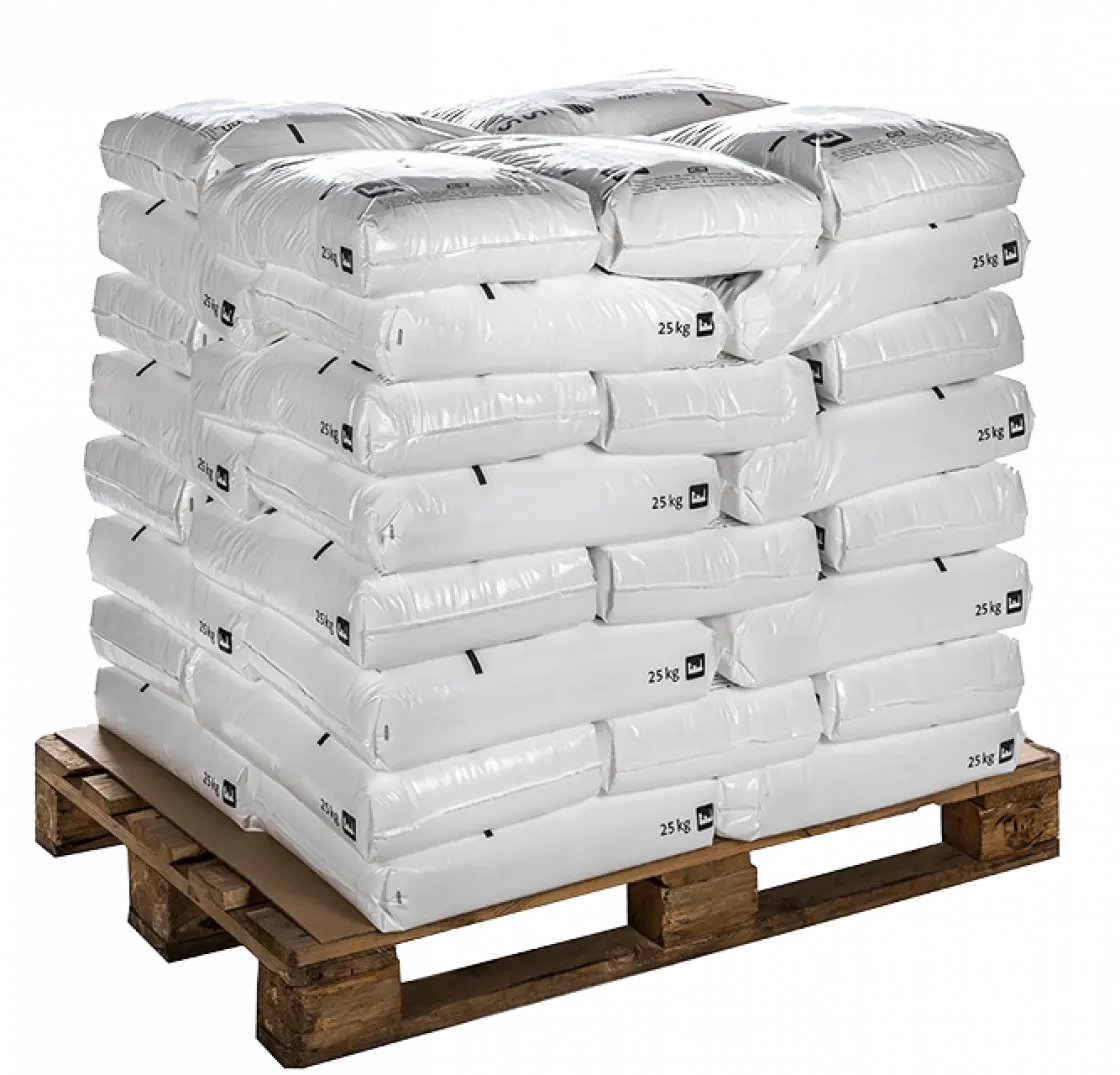
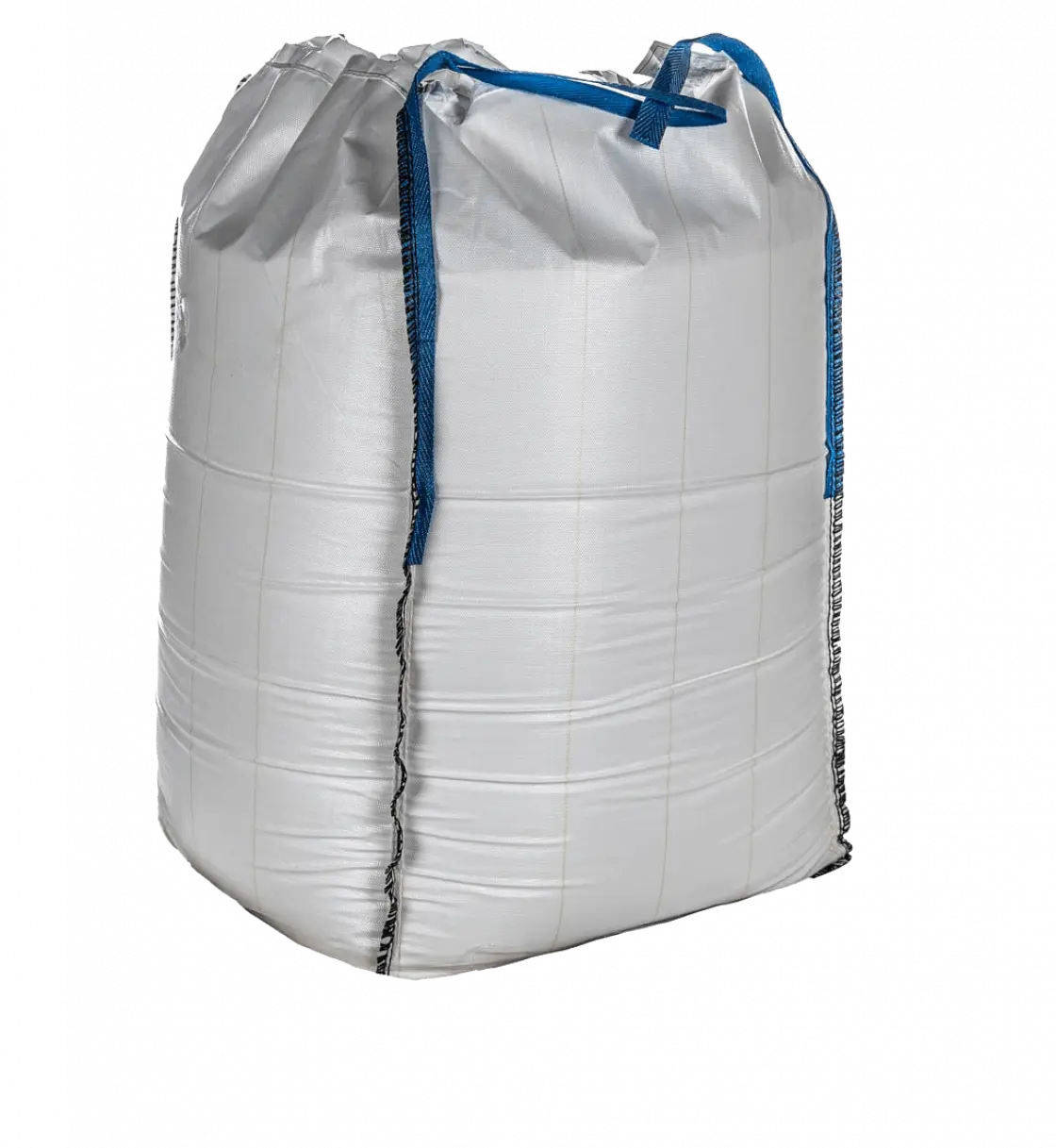
| Packaging | 25KG/bag500KG/bag1000KG/bag |
| Sample | Test Samples Available (Click to Request Samples) |
| COA | View COA |
| Price | Get Quote |
| Supply Type | Bulk / Contract manufacturing / OEM |
| Shipping | FCL / LCL available |
| Payment Terms | Support FOB \ CIF \ EXW quotations, and accept Letter of Credit (L/C). |
| Manufacturer | Greenrock Chemical(China Factory) |






QUOTE TYPE
PACKAGING TYPE
TOTAL QUANTITY(KG)
PREFERRED SHIPPING METHOD
YOUR COMPANY
YOUR E-MAIL
Calculate Summary
Based on current marketvolatility and material availability.
Documents We Provide for TITANIUM MONOXIDE
Post-sale: Full documentation is provided.
To request documents, please contact us via email at sales@GRchemical.com.

Bulk TITANIUM MONOXIDE Supplier from China
17+ years in chemical exports.Fully compliant, reliable supply.Your B2B partner in bulk chemical procurement.
Industrial Applications of TITANIUM MONOXIDE
| Industry | Application | Process |
|---|---|---|
| Pigments & Coatings | Used as a white pigment to provide high hiding power and gloss | Prepared by hydrolysis of titanium salts (e.g., titanium tetrabutoxide), followed by calcination and grinding |
| Plastics | Enhances whiteness, weather resistance, and hiding power of plastics | Dispersed into polymer matrices and processed into final products via extrusion or compounding |
| Paper | Improves paper whiteness and opacity | Incorporated as a filler into the pulp during papermaking |
| Pharmaceuticals | Used as an excipient or colorant in drug formulations | Produced via dedicated purification processes to meet pharmaceutical-grade specifications |
| Food | Employed as a food additive for coloring and whitening | Added to food products after rigorous purification to comply with food safety standards |
| Optical Glass | Serves as a raw material for optical glass manufacturing to increase refractive index | Melted with other oxides, formed into shape, and subsequently annealed |
| Ceramics | Used as a component in glazes to enhance surface gloss and durability | Mixed with other ceramic raw materials, applied to the green body surface, and fired at high temperature |
| Water Treatment | Acts as a photocatalyst for degradation of organic pollutants | Leverages the photocatalytic activity of titanium dioxide under UV irradiation to decompose organic compounds in water |
Manufacturing Quality Control of TITANIUM MONOXIDE
| Test Item | Common Testing Methods | Method Overview |
|---|---|---|
| Primary Component Content (TiO₂) | Ammonium Iron(III) Sulfate Titration | The sample is dissolved and Ti⁴⁺ is reduced to Ti³⁺ using metallic aluminum or zinc. The resulting Ti³⁺ is then titrated with ammonium iron(III) sulfate standard solution to determine the TiO₂ content. This method offers high accuracy and is suitable for high-purity products. |
| Spectrophotometry | Ti⁴⁺ forms a yellow complex with hydrogen peroxide under acidic conditions. Absorbance is measured at around 410 nm, and concentration is determined via a calibration curve. Suitable for trace or low-level detection. | |
| Impurity Element Content | Inductively Coupled Plasma Optical Emission Spectrometry (ICP-OES) | After acid digestion or fusion, the sample is introduced into an ICP source for excitation. Impurity elements (e.g., Fe, Cr, Si, Al) are quantified based on the intensity of their characteristic emission lines. Enables simultaneous multi-element analysis with high sensitivity. |
| Atomic Absorption Spectroscopy (AAS) | For specific impurity elements (e.g., Fe, Pb, Cr), the sample is atomized in a flame or graphite furnace, and absorbance at specific wavelengths is measured for quantification. Simple to operate with good selectivity. | |
| Crystal Structure | X-Ray Diffraction (XRD) | X-rays are directed at the sample, and the diffraction pattern (peak positions and intensities) is analyzed to determine the ratio of rutile to anatase phases and assess crystalline purity. |
| Particle Size Distribution | Laser Particle Size Analysis | The sample is dispersed in liquid or gas, and particle size distribution is determined by analyzing angular scattering patterns of laser light. Fast and highly reproducible. |
| Scanning Electron Microscopy (SEM) + Image Analysis | Particle morphology is observed using SEM, and image processing software is used to statistically analyze particle size and distribution. Ideal for microscopic morphological and dimensional evaluation. | |
| Specific Surface Area | Nitrogen Adsorption Method (BET Method) | Nitrogen adsorption on the sample surface is measured at low temperature, and the BET equation is used to calculate specific surface area. Widely used for evaluating photocatalytic performance indicators. |
| Whiteness | Whiteness Meter Measurement | An integrating sphere-type whiteness meter measures tristimulus values under D65 illumination, and calculates whiteness indices (e.g., Hunter whiteness or Ganz whiteness) to evaluate appearance quality. |
| Moisture Content | Karl Fischer Titration | Quantitative determination based on the reaction of iodine and sulfur dioxide with water in anhydrous methanol. Available in volumetric and coulometric modes; suitable for trace moisture analysis. |
| Loss on Drying (LOD) | The sample is dried to constant weight at a specified temperature (e.g., 105–110°C), and moisture plus volatile content is estimated from mass loss. Simple to perform, but may include other volatiles. | |
| pH Value | pH Meter Measurement | A 10% aqueous suspension of titanium oxide is stirred thoroughly and the pH is directly measured using a calibrated pH meter, reflecting surface chemical properties. |
| Color Parameters (L*, a*, b*) | Colorimeter Measurement | Under standard lighting conditions, the lightness (L*), red-green value (a*), and yellow-blue value (b*) are measured to ensure color consistency in quality control. |
Technical Specifications of TITANIUM MONOXIDE
| Test Item | Specification |
|---|---|
| Appearance | White to dark green to brown to black solid |
| Purity | >=98.5% (metals basis) |
| Water Content (KF) | <=0.5% |
| Total Impurities | <=1.5% |
| Heavy Metals | <=20 ppm |
| Residue on Ignition | <=0.3% |
| Solubility | Insoluble in water; soluble in concentrated sulfuric acid and hydrofluoric acid |
| Odor | Odorless |
 Specifications vary by industry. Reach out to our technical experts for a COA tailored specifically to your application. Email:selse@GRchemical.com
|
|
Download COA of TITANIUM MONOXIDE
| CAS/Product ID | *Required fields | |
| Lot/Batch Number | *Required fields | |
Packaging of TITANIUM MONOXIDE
Industrial TITANIUM MONOXIDE Procurement FAQ
1. How do you ensure product quality consistency?
We rely on a mature China-based manufacturing system and implement strict batch control and quality inspection for every shipment. Our production process complies with ISO 9001 standards, and a COA is provided for each batch to ensure consistent and reliable quality.
2. Do you offer competitive pricing for bulk orders?
Yes, as a China-based manufacturer and bulk supplier, we provide tiered pricing based on order volume. We support FOB and CIF quotations, as well as L/C payment terms for large transactions to meet international trade requirements.
3. Can you support large-volume or long-term supply?
We have stable production capacity and a well-established supply chain, enabling continuous bulk supply. We support ton-level and container-level orders, as well as long-term cooperation projects.
4. What is your typical lead time?
For in-stock products, shipment can be arranged within 1–3 days. For bulk packaging or customized orders, lead time depends on the specific quantity and production schedule.
5. What documents do you provide?
We can provide complete documentation upon request, including COA, SDS, TDS, and other compliance certificates, meeting industrial procurement and export requirements.
6. Can you customize product specifications or packaging?
Yes, we support customization of parameters such as purity, impurities, residual solvents, and heavy metals. We also offer various bulk packaging options, including 25kg bags, drums, and IBC tanks, suitable for industrial applications and transportation.
7. What shipping options do you support?
We support both FCL (Full Container Load) and LCL (Less than Container Load) shipments, and can flexibly arrange logistics solutions based on order size to meet bulk chemical export needs.
8. Do you provide technical or application support?
Yes, we provide basic application guidance and technical support based on industry experience to help customers optimize product usage.
9. How do you handle compliance and export regulations?
We are familiar with international trade and export regulations, ensuring all products comply with relevant requirements. We also provide complete documentation to support smooth customs clearance and global delivery.
Use Bulk
Supply Factory
Direct ISO 9001
Certified Samples
Available Stable
Supply