Molybdenum disulfide Bulk Supply for Industrial Use
China Factory Direct
 |
|
| CAS number | 1317-33-5 |
| Product name | Molybdenum disulfide |
| Stock | Stock readily available; annual supply capacity exceeding 1,000 tons. |
| Grade | Material GradeSpecialty GradeIndustrial GradeElectronic Grade |
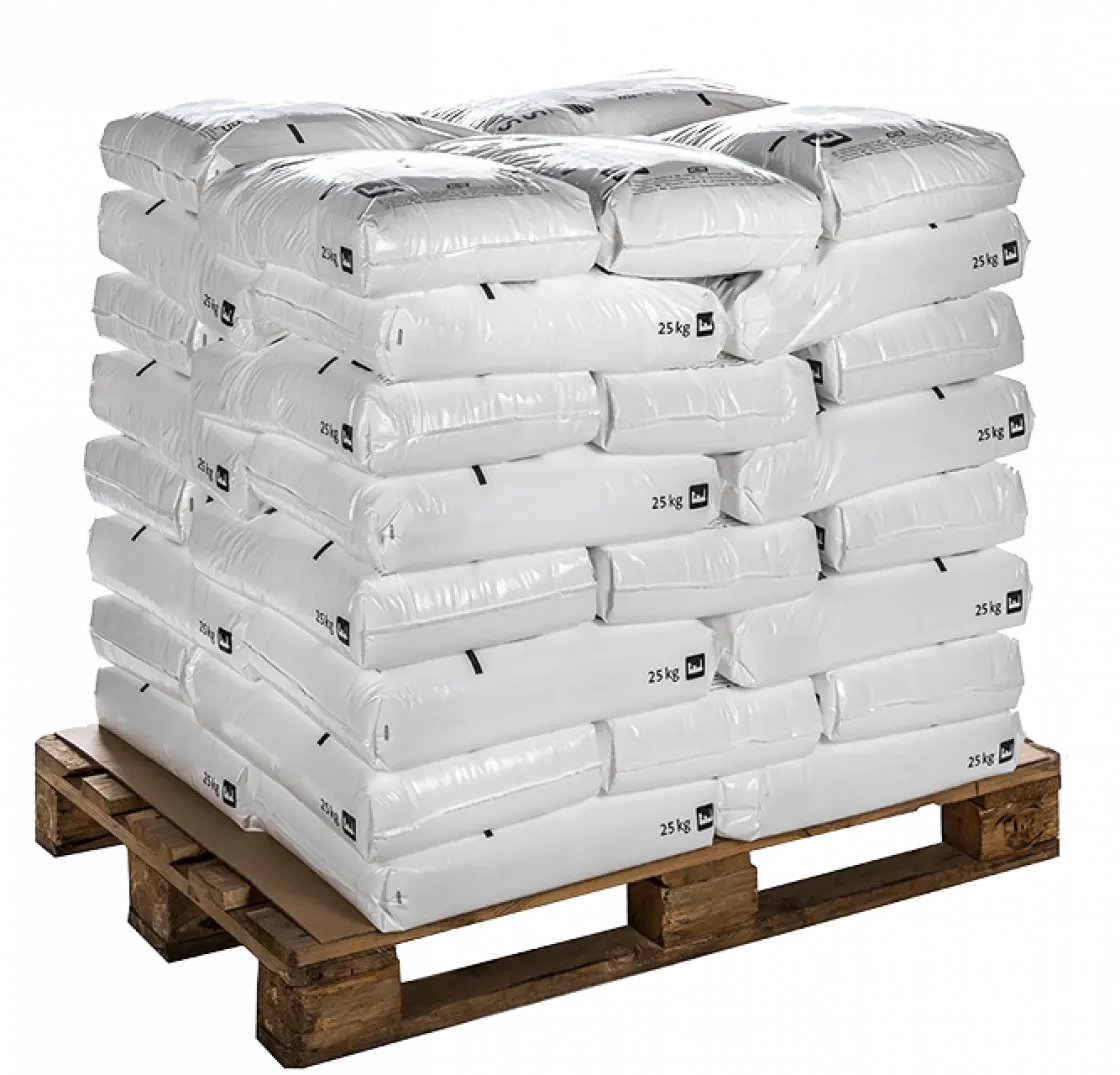
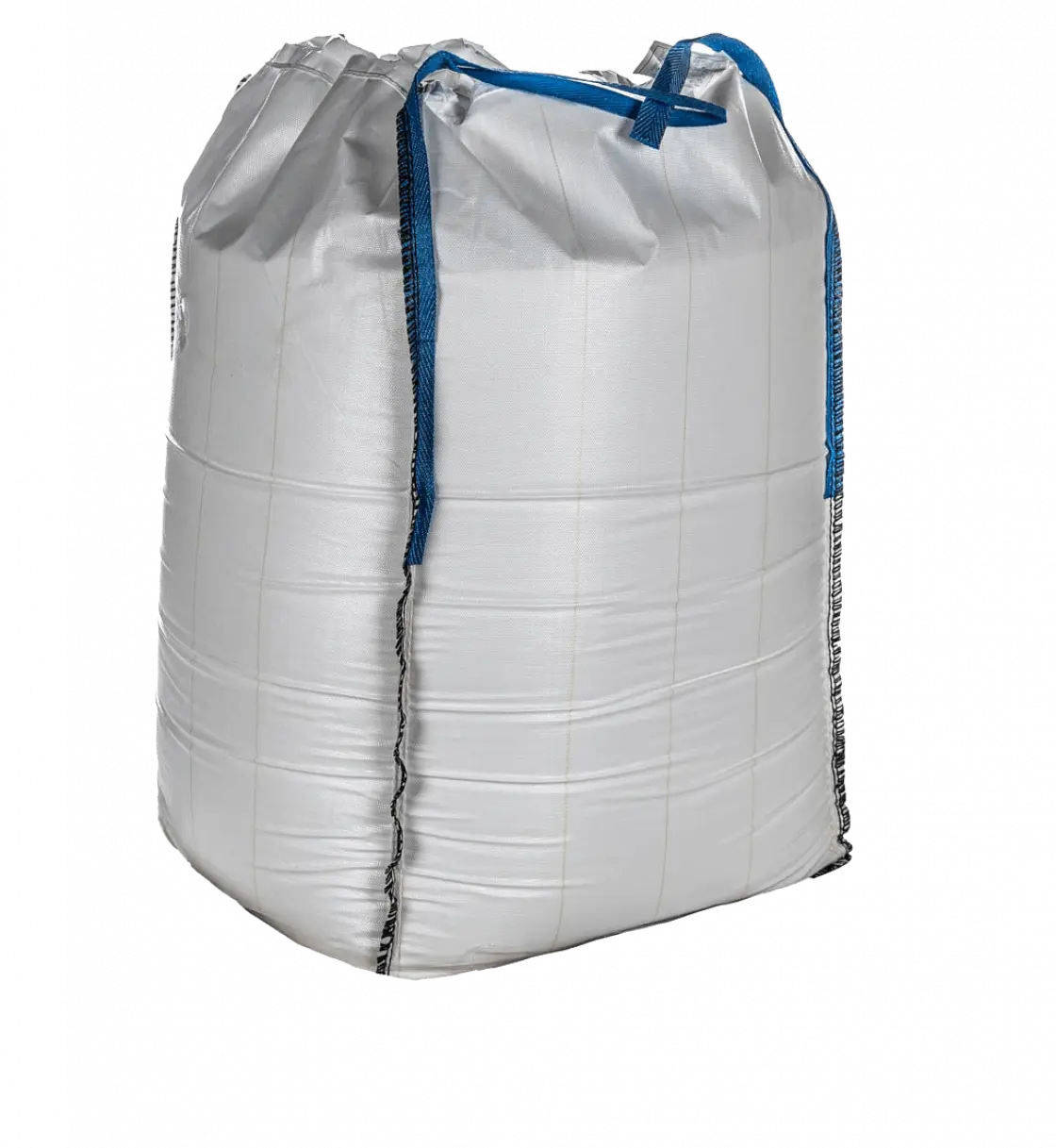
| Packaging | 25KG/bag500KG/bag1000KG/bag |
| Sample | Test Samples Available (Click to Request Samples) |
| COA | View COA |
| Price | Get Quote |
| Supply Type | Bulk / Contract manufacturing / OEM |
| Shipping | FCL / LCL available |
| Payment Terms | Support FOB \ CIF \ EXW quotations, and accept Letter of Credit (L/C). |
| Manufacturer | Greenrock Chemical(China Factory) |






QUOTE TYPE
PACKAGING TYPE
TOTAL QUANTITY(KG)
PREFERRED SHIPPING METHOD
YOUR COMPANY
YOUR E-MAIL
Calculate Summary
Based on current marketvolatility and material availability.
Documents We Provide for Molybdenum disulfide
Post-sale: Full documentation is provided.
To request documents, please contact us via email at sales@GRchemical.com.

Bulk Molybdenum disulfide Supplier from China
17+ years in chemical exports.Fully compliant, reliable supply.Your B2B partner in bulk chemical procurement.
Industrial Applications of Molybdenum disulfide
| Industry | Application | Process |
|---|---|---|
| Lubricants | Solid lubricant for friction components operating under high-temperature, high-pressure, high-vacuum, or corrosive conditions | Incorporated into lubricating oils or greases, or directly applied via spraying or sintering onto metal surfaces to form a lubricating film |
| Electronics & Semiconductors | Two-dimensional material for field-effect transistors (FETs), photodetectors, and flexible electronic devices | Preparation of monolayer or few-layer MoS₂ thin films via chemical vapor deposition (CVD), mechanical exfoliation, or liquid-phase exfoliation |
| Catalysis | Active component of hydrodesulfurization (HDS) catalysts for petroleum refining | Supported on carriers such as γ-Al₂O₃ and sulfided to form Co-Mo-S or Ni-Mo-S active phases |
| Composites | Reinforcing filler to enhance wear resistance, thermal conductivity, and antistatic properties of polymer-based composites | Dispersion of MoS₂ nanosheets into resin matrices via melt blending, solution blending, or in-situ polymerization |
| Batteries | Anode material for lithium- and sodium-ion batteries, offering high theoretical specific capacity | Synthesis of MoS₂ nanostructures (e.g., nanoflowers, microspheres) via hydrothermal, solvothermal, or calcination methods; combined with carbon materials to improve electrical conductivity |
| Coatings | Wear-resistant, self-lubricating protective coatings for aerospace and precision mechanical components | Deposition of MoS₂-based coatings using physical vapor deposition (PVD), magnetron sputtering, or thermal spray techniques |
Manufacturing Quality Control of Molybdenum disulfide
| Detection Item | Common Detection Methods | Method Overview |
|---|---|---|
| Purity/Main Component Content | X-ray Fluorescence Spectroscopy (XRF) | Utilizes X-rays to excite elements in the sample, generating characteristic fluorescence to rapidly determine the content of elements such as molybdenum and sulfur for purity assessment. |
| Inductively Coupled Plasma Optical Emission Spectroscopy (ICP-OES) | After dissolving the sample, it is nebulized into a high-temperature plasma; quantitative determination of molybdenum and other metal impurities is achieved by measuring the intensity of characteristic spectral lines. | |
| Impurity Element Content | ICP-MS (Inductively Coupled Plasma Mass Spectrometry) | High sensitivity enables detection of trace impurity elements (e.g., Fe, Cu, Ni, Pb) at ppb levels, suitable for impurity analysis in high-purity MoS₂. |
| Phase Structure | X-ray Diffraction (XRD) | Analyzes crystal structure to confirm whether the phase is 2H-MoS₂ or 3R-MoS₂, and detects the presence of impurity phases such as MoO₃. |
| Surface Morphology and Particle Size | Scanning Electron Microscopy (SEM) | Observes particle morphology, agglomeration state, and surface features; combined with Energy Dispersive Spectroscopy (EDS) for micro-area elemental analysis. |
| Particle Size Distribution | Laser Diffraction Analysis (LDA) | Measures particle size distribution based on laser scattering principles; applicable to dry powders or suspension samples, reflecting product uniformity. |
| Specific Surface Area | BET Specific Surface Area Method (Nitrogen Adsorption) | Calculates specific surface area from nitrogen adsorption-desorption isotherms, reflecting material dispersibility and the number of active sites. |
| Layered Structure and Number of Layers | Transmission Electron Microscopy (TEM) | High-resolution imaging enables observation of MoS₂ layer number, lattice fringes, and defects, suitable for nano-scale structural characterization. |
| Chemical Bonds and Functional Groups | Raman Spectroscopy | Characteristic peaks (e.g., E²g and A₁g modes) can determine layer number, crystallinity, and presence of defects or doping. |
| Thermal Stability | Thermogravimetric Analysis (TGA) | Monitors mass changes during heating to evaluate the onset temperature of oxidation and volatile content, assessing thermal stability. |
| Moisure and Volatile Content | Karl Fischer Method / Thermogravimetric Method | The Karl Fischer method precisely measures water content; TGA can determine total volatile content. |
| Electrical Conductivity (for specific applications) | Four-Point Probe Method | Measures resistivity of thin films or pressed samples to evaluate electrical properties, suitable for electronic-grade MoS₂ materials. |
Technical Specifications of Molybdenum disulfide
| Test Item | Specification |
|---|---|
| Appearance | Orange to brown powder or crystalline solid |
| Purity | >=98.5% |
| Water Content (KF) | <=0.5% |
| Total Impurities | <=1.5% |
| Heavy Metals | <=20 ppm |
| Residue on Ignition | <=0.3% |
| Solubility | Insoluble in water; soluble in aqua regia and hot concentrated sulfuric acid |
 Specifications vary by industry. Reach out to our technical experts for a COA tailored specifically to your application. Email:selse@GRchemical.com
|
|
Download COA of Molybdenum disulfide
| CAS/Product ID | *Required fields | |
| Lot/Batch Number | *Required fields | |

Packaging of Molybdenum disulfide
Industrial Molybdenum disulfide Procurement FAQ
1. How do you ensure product quality consistency?
We rely on a mature China-based manufacturing system and implement strict batch control and quality inspection for every shipment. Our production process complies with ISO 9001 standards, and a COA is provided for each batch to ensure consistent and reliable quality.
2. Do you offer competitive pricing for bulk orders?
Yes, as a China-based manufacturer and bulk supplier, we provide tiered pricing based on order volume. We support FOB and CIF quotations, as well as L/C payment terms for large transactions to meet international trade requirements.
3. Can you support large-volume or long-term supply?
We have stable production capacity and a well-established supply chain, enabling continuous bulk supply. We support ton-level and container-level orders, as well as long-term cooperation projects.
4. What is your typical lead time?
For in-stock products, shipment can be arranged within 1–3 days. For bulk packaging or customized orders, lead time depends on the specific quantity and production schedule.
5. What documents do you provide?
We can provide complete documentation upon request, including COA, SDS, TDS, and other compliance certificates, meeting industrial procurement and export requirements.
6. Can you customize product specifications or packaging?
Yes, we support customization of parameters such as purity, impurities, residual solvents, and heavy metals. We also offer various bulk packaging options, including 25kg bags, drums, and IBC tanks, suitable for industrial applications and transportation.
7. What shipping options do you support?
We support both FCL (Full Container Load) and LCL (Less than Container Load) shipments, and can flexibly arrange logistics solutions based on order size to meet bulk chemical export needs.
8. Do you provide technical or application support?
Yes, we provide basic application guidance and technical support based on industry experience to help customers optimize product usage.
9. How do you handle compliance and export regulations?
We are familiar with international trade and export regulations, ensuring all products comply with relevant requirements. We also provide complete documentation to support smooth customs clearance and global delivery.
Use Bulk
Supply Factory
Direct ISO 9001
Certified Samples
Available Stable
Supply