Sodium tetraborate Bulk Supply for Industrial Use
China Factory Direct
 |
|
| CAS number | 1330-43-4 |
| Product name | Sodium tetraborate |
| Stock | Stock readily available; annual supply capacity exceeding 1,000 tons. |
| Grade | Agricultural GradePharmaceutical GradeMaterial GradeSpecialty GradeIndustrial GradeReagent GradeFood GradeCosmetic Grade |
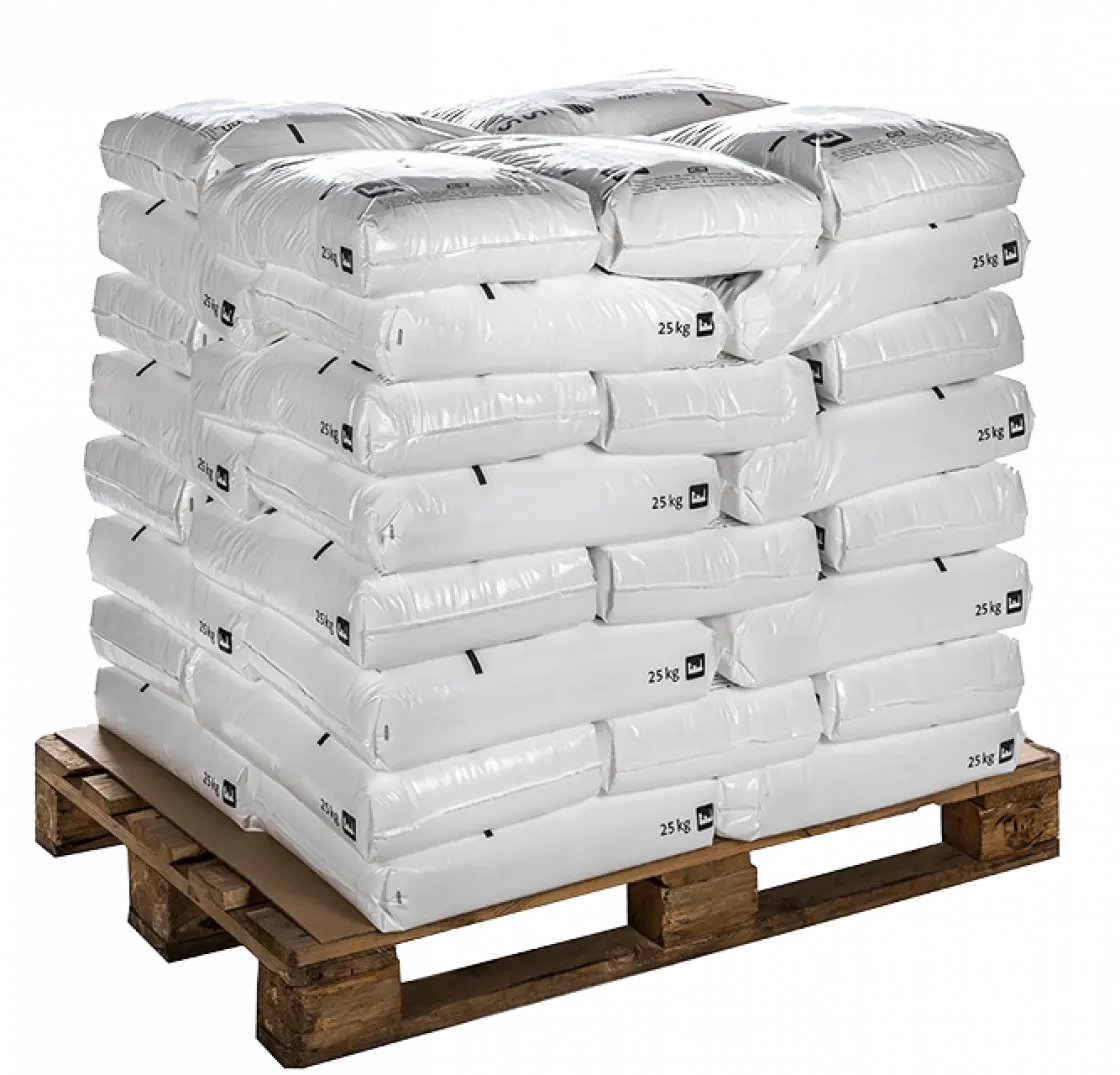
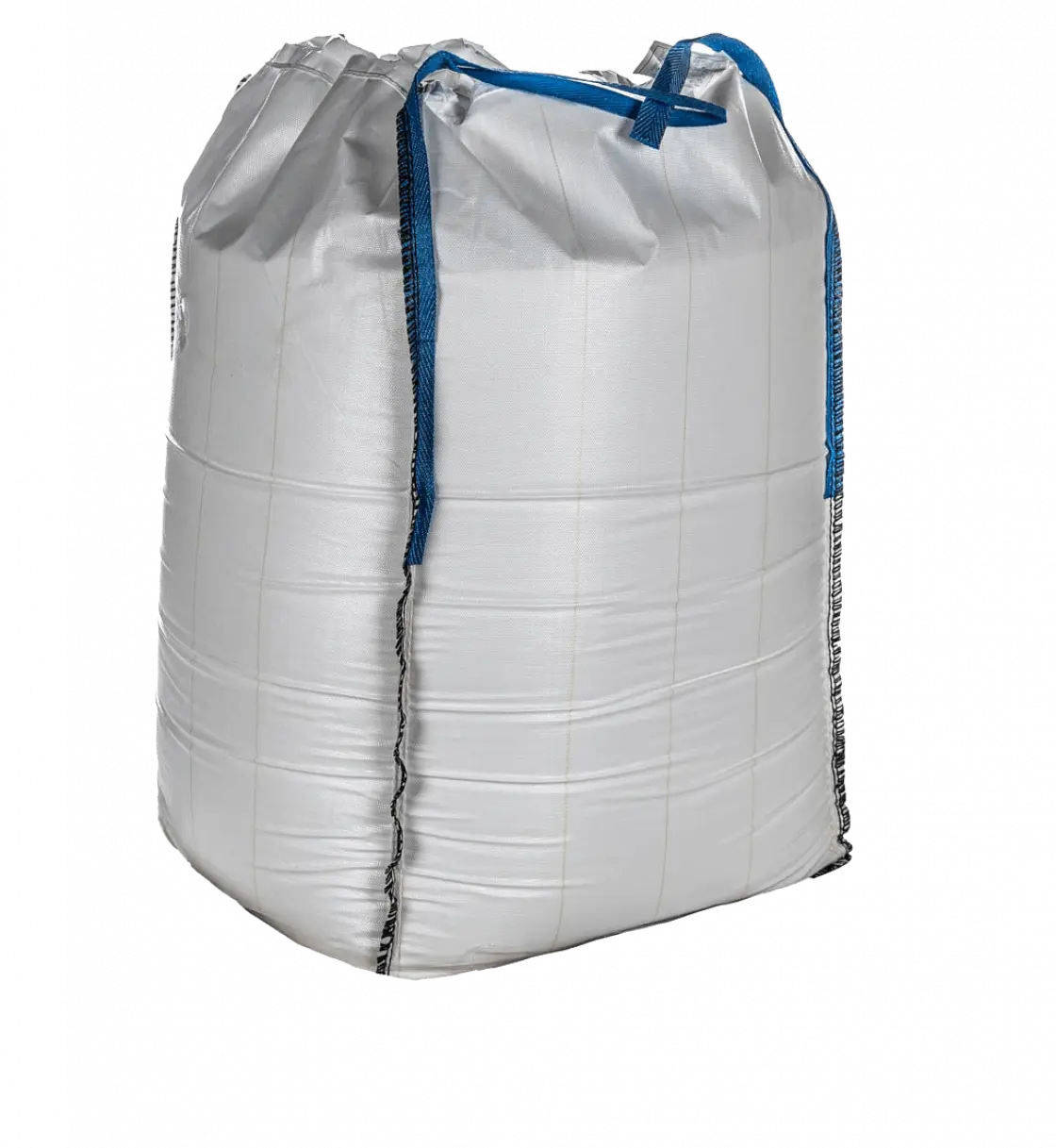
| Packaging | 25KG/bag500KG/bag1000KG/bag |
| Sample | Test Samples Available (Click to Request Samples) |
| COA | View COA |
| Price | Get Quote |
| Supply Type | Bulk / Contract manufacturing / OEM |
| Shipping | FCL / LCL available |
| Payment Terms | Support FOB \ CIF \ EXW quotations, and accept Letter of Credit (L/C). |
| Manufacturer | Greenrock Chemical(China Factory) |






QUOTE TYPE
PACKAGING TYPE
TOTAL QUANTITY(KG)
PREFERRED SHIPPING METHOD
YOUR COMPANY
YOUR E-MAIL
Calculate Summary
Based on current marketvolatility and material availability.
Documents We Provide for Sodium tetraborate
Post-sale: Full documentation is provided.
To request documents, please contact us via email at sales@GRchemical.com.

Bulk Sodium tetraborate Supplier from China
17+ years in chemical exports.Fully compliant, reliable supply.Your B2B partner in bulk chemical procurement.
Industrial Applications of Sodium tetraborate
| Industry | Application | Process Description |
|---|---|---|
| Glass Industry | Glass Manufacturing | Used as a glass constituent to enhance thermal resistance and chemical stability. |
| Ceramics Industry | Ceramic Glazes | Used as a glaze component to improve surface gloss and hardness of ceramics. |
| Detergents | Detergents and Cleaners | Used as a water softener and cleaning enhancer to remove oils and stains. |
| Preservatives | Wood Preservation | Incorporated into wood preservative formulations to improve resistance to mold and insects. |
| Agriculture | Insecticides | Used as a boron source in certain insecticide formulations for controlling pests such as cockroaches and ants. |
| Pharmaceuticals | Disinfectants and Preservatives | Used in the formulation of mild disinfectant solutions and as a preservative in ophthalmic solutions. |
| Metalworking | Welding Flux | Applied as a flux during metal welding to improve weld quality and efficiency. |
| Nuclear Industry | Neutron Absorption Material | Leveraged for its boron content as a neutron absorption material in nuclear reactor control rods. |
| Consumer Products | Laundry Detergents and Liquids | Used as a bleach stabilizer and alkaline buffer to enhance cleaning performance. |
| Textile Industry | Fabric Treatment | Applied in flame-retardant finishing and as a dyeing auxiliary to improve fabric performance. |
| Education & Research | Analytical Reagent | Used as an analytical reagent for preparing buffer solutions or in borate-related reaction studies. |
| Environmental Protection | Water Treatment Chemicals | Used in water treatment for pH control and as a corrosion inhibitor. |
| Plastics Industry | Flame Retardant | Incorporated into plastic products as a flame retardant to improve fire resistance. |
| Petroleum Drilling | Drilling Fluid Additive | Used in drilling fluids as a viscosity modifier and fluid loss control agent. |
Manufacturing Quality Control of Sodium tetraborate
| Detection Item | Common Detection Methods | Method Overview |
|---|---|---|
| Assay | Acid-Base Titration (Mannitol Enhancement Method) | Utilizing the fact that boric acid is a weak acid and difficult to titrate directly, mannitol or other polyols are added to form a stable complex with boric acid, enhancing its acidity. The solution is then titrated with standard NaOH solution using phenolphthalein as the indicator to calculate the content of sodium tetraborate. |
| pH Value | pH Meter Method | Aqueous solution of sodium tetraborate at a specified concentration is prepared and its pH is measured directly using a calibrated pH meter, with the value controlled within the specified range (typically 9.0–9.6). |
| Chlorides | Silver Nitrate Turbidity Method | In nitric acid medium, chlorides react with silver nitrate to form a white turbidity of silver chloride, which is compared visually with a standard chloride turbidity solution to control impurity limits. |
| Sulfates | Barium Chloride Turbidity Method | In hydrochloric acid medium, sulfates react with barium chloride to form a white precipitate of barium sulfate, which is compared visually with a standard sulfate turbidity solution to assess sulfate impurity content. |
| Heavy Metals | Thioacetamide Method (or Atomic Absorption Spectrometry) | Under weakly acidic conditions, heavy metal ions react with thioacetamide to form colored sulfides for colorimetric quantification; alternatively, atomic absorption spectrometry may be used for precise determination of heavy metals such as lead and cadmium. |
| Arsenic Content | Goossens Method or Hydride Generation-Atomic Fluorescence Spectrometry | Goossens method: Metal zinc reacts with acid to generate nascent hydrogen, which reacts with arsenic compounds to form arsine gas that turns a bromide-mercury test paper colored; modern methods typically employ hydride generation-atomic fluorescence spectrometry, offering higher sensitivity and accuracy. |
| Drying Loss | Drying Method (Gravimetric) | The sample is dried at 105°C until constant weight is achieved; the weight loss is used to calculate the content of water and water of crystallization, with drying loss controlled within a specified range (e.g., 32.0%–37.0%). |
| Residue on Ignition (Ashing Residue) | Ignition Method | The sample is incinerated at high temperature (approximately 800°C) until constant weight is reached, and the total amount of non-volatile inorganic impurities is measured and calculated in terms of sulfate equivalent. |
| Ammonium Salts | Nessler’s Reagent Colorimetric Method | Ammonium ions release ammonia gas under alkaline conditions, which reacts with Nessler’s reagent (K₂HgI₄) to form a reddish-brown precipitate; the concentration is determined by colorimetry. |
| Sodium Ion (Auxiliary Verification) | Flame Photometry or Atomic Absorption Spectrometry | Sodium content is determined using a flame photometer or atomic absorption spectrometer to verify stoichiometric ratios or assist in purity analysis. |
Technical Specifications of Sodium tetraborate
| Test Item | Specification |
|---|---|
| Appearance | White crystalline powder or solid |
| Purity | >=98.5% (T) |
| Water Content (KF) | <=0.5% |
| Residue on Ignition | <=0.2% |
| Heavy Metals | <=10 ppm |
| Solubility | Freely soluble in water; insoluble in ethanol |
| Odor | Odorless |
 Specifications vary by industry. Reach out to our technical experts for a COA tailored specifically to your application. Email:selse@GRchemical.com
|
|
Download COA of Sodium tetraborate
| CAS/Product ID | *Required fields | |
| Lot/Batch Number | *Required fields | |


Packaging of Sodium tetraborate
Industrial Sodium tetraborate Procurement FAQ
1. How do you ensure product quality consistency?
We rely on a mature China-based manufacturing system and implement strict batch control and quality inspection for every shipment. Our production process complies with ISO 9001 standards, and a COA is provided for each batch to ensure consistent and reliable quality.
2. Do you offer competitive pricing for bulk orders?
Yes, as a China-based manufacturer and bulk supplier, we provide tiered pricing based on order volume. We support FOB and CIF quotations, as well as L/C payment terms for large transactions to meet international trade requirements.
3. Can you support large-volume or long-term supply?
We have stable production capacity and a well-established supply chain, enabling continuous bulk supply. We support ton-level and container-level orders, as well as long-term cooperation projects.
4. What is your typical lead time?
For in-stock products, shipment can be arranged within 1–3 days. For bulk packaging or customized orders, lead time depends on the specific quantity and production schedule.
5. What documents do you provide?
We can provide complete documentation upon request, including COA, SDS, TDS, and other compliance certificates, meeting industrial procurement and export requirements.
6. Can you customize product specifications or packaging?
Yes, we support customization of parameters such as purity, impurities, residual solvents, and heavy metals. We also offer various bulk packaging options, including 25kg bags, drums, and IBC tanks, suitable for industrial applications and transportation.
7. What shipping options do you support?
We support both FCL (Full Container Load) and LCL (Less than Container Load) shipments, and can flexibly arrange logistics solutions based on order size to meet bulk chemical export needs.
8. Do you provide technical or application support?
Yes, we provide basic application guidance and technical support based on industry experience to help customers optimize product usage.
9. How do you handle compliance and export regulations?
We are familiar with international trade and export regulations, ensuring all products comply with relevant requirements. We also provide complete documentation to support smooth customs clearance and global delivery.
Use Bulk
Supply Factory
Direct ISO 9001
Certified Samples
Available Stable
Supply