FEMA 2871 Bulk Supply for Industrial Use
China Factory Direct
 |
|
| CAS number | 140-26-1 |
| Product name | FEMA 2871 |
| Stock | Stock readily available; annual supply capacity exceeding 1,000 tons. |
| Grade | Food GradeCosmetic Grade |
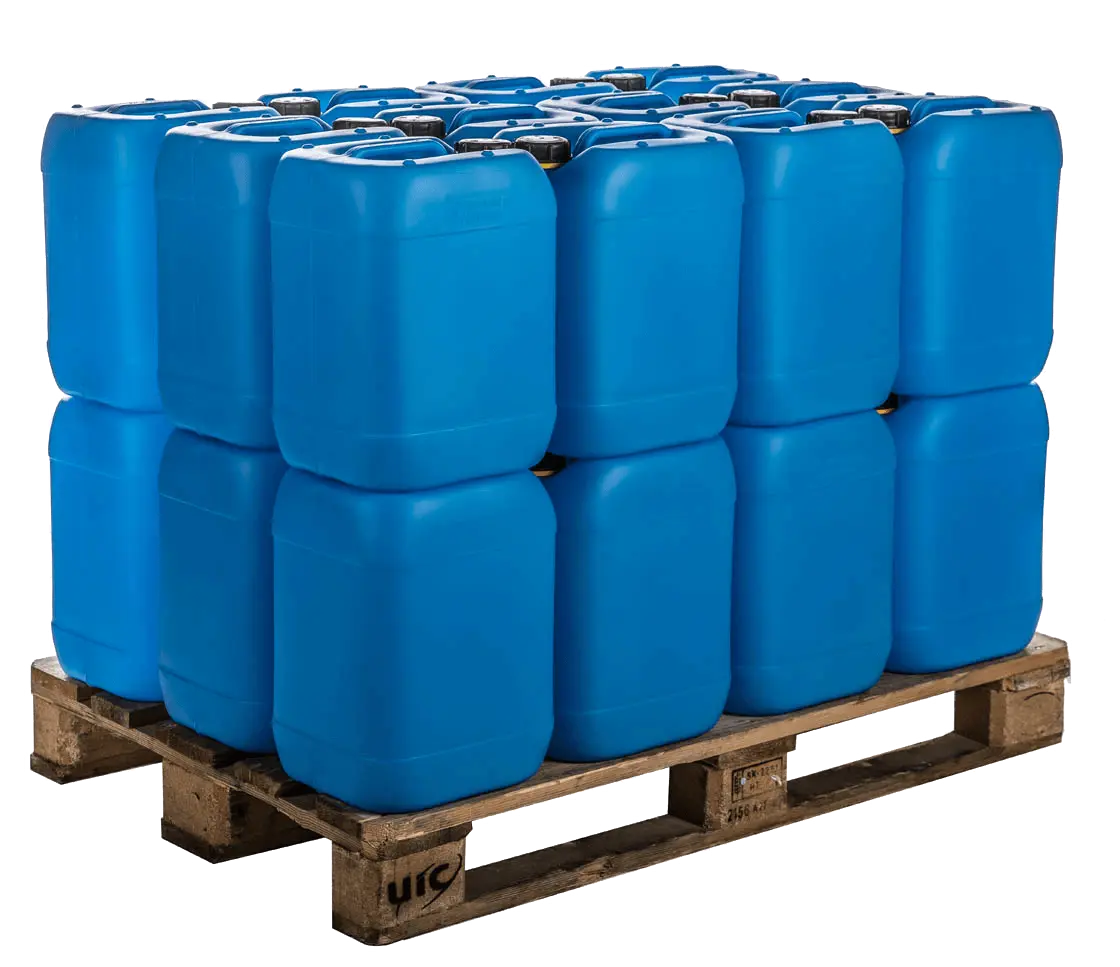
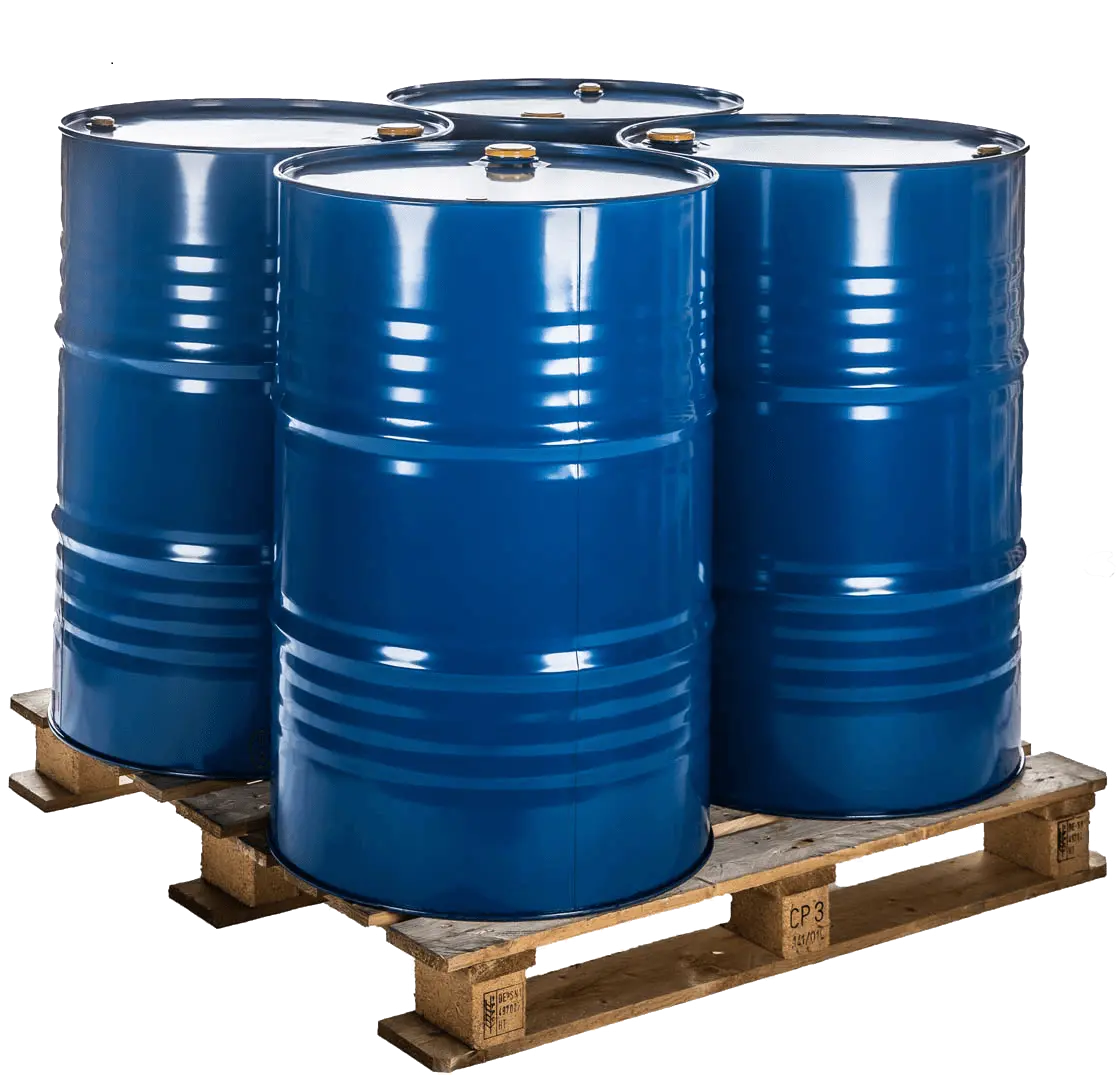
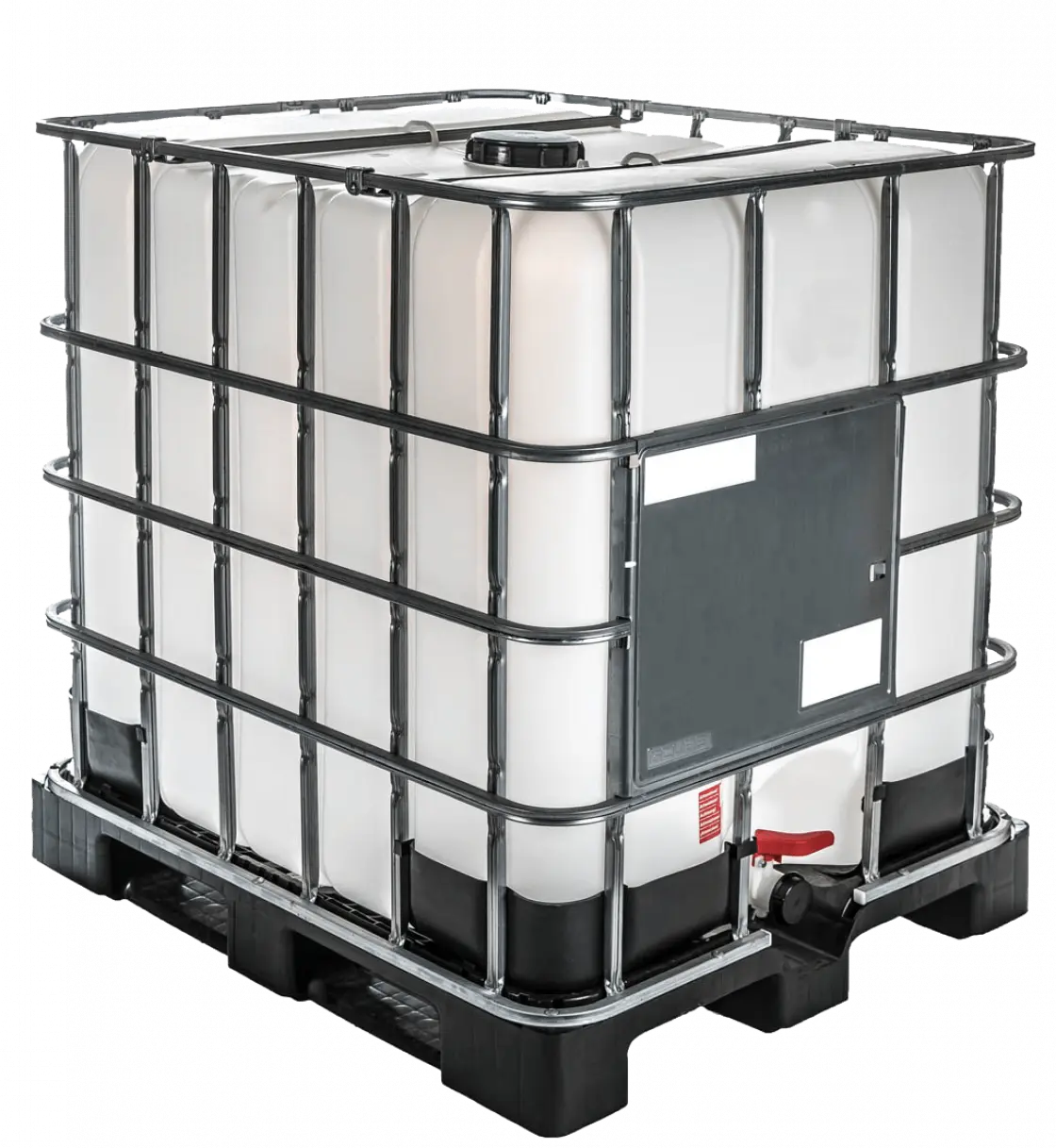
| Packaging | 25L/drum200L/drum1000L/IBC |
| Sample | Test Samples Available (Click to Request Samples) |
| COA | View COA |
| Price | Get Quote |
| Supply Type | Bulk / Contract manufacturing / OEM |
| Shipping | FCL / LCL available |
| Payment Terms | Support FOB \ CIF \ EXW quotations, and accept Letter of Credit (L/C). |
| Manufacturer | Greenrock Chemical(China Factory) |






QUOTE TYPE
PACKAGING TYPE
TOTAL QUANTITY(KG)
PREFERRED SHIPPING METHOD
YOUR COMPANY
YOUR E-MAIL
Calculate Summary
Based on current marketvolatility and material availability.
Documents We Provide for FEMA 2871
Post-sale: Full documentation is provided.
To request documents, please contact us via email at sales@GRchemical.com.

Bulk FEMA 2871 Supplier from China
17+ years in chemical exports.Fully compliant, reliable supply.Your B2B partner in bulk chemical procurement.
Industrial Applications of FEMA 2871
| Industry | Application | Process |
|---|---|---|
| Fine Fragrances & Flavors | Used in formulating fruit-type (e.g., banana, apple, strawberry) and floral fragrances to impart sweet, fruity notes | Functions as a primary odorant or modifier in fragrance formulations; typically added at 0.1–5 wt% to the final fragrance system, followed by homogenization for use in household and personal care products |
| Household & Personal Care Products | Applied for fragrance addition in perfumes, cosmetics, shampoos, and shower gels | Added to the base formulation via cold blending or hot blending (≤60°C) after fragrance compounding to prevent thermal degradation of aroma compounds |
| Food Industry | FEMA GRAS-listed flavoring agent for flavor enhancement in soft drinks, confectionery, and baked goods | Directly incorporated into food matrices at ppm levels (typically 1–20 ppm), in compliance with GB 2760–2024 and FDA 21 CFR §172.515, followed by mixing or emulsification for uniform dispersion |
| Tobacco Industry | Used in cigarette flavorings to improve taste and deliver sweet, fruity tonalities | Formulated with solvents such as propylene glycol and triacetin into flavor bases, then applied to tobacco cut filler via spraying or immersion; typical dosage: 0.05–0.3 wt% |
Manufacturing Quality Control of FEMA 2871
| Test Item | Common Test Methods | Method Overview |
|---|---|---|
| Purity | Gas Chromatography (GC) | Separation using a capillary column and quantitative analysis of the main component with an FID detector to evaluate sample purity. Suitable for volatile ester compounds. |
| Moisture | Karl Fischer Titration | Utilizes the reaction of iodine and sulfur dioxide with water in a methanol/pyridine system. Moisture content is determined by potentiometric or visual endpoint detection, offering high accuracy. |
| Acid Value | Acid-Base Titration | Phenolphthalein is used as an indicator, and a standard potassium hydroxide ethanol solution is used to titrate free acids. The acid value is calculated to reflect the degree of incomplete esterification or hydrolysis. |
| Refractive Index | Refractometer Method | The refractive index is measured at 20°C using an Abbe refractometer. It is used for identification and auxiliary purity assessment, and is a routine physical parameter for flavor compounds. |
| Relative Density | Density Bottle Method / Digital Density Meter | Measures the sample density relative to water at 20°C. Used for product consistency control and preliminary identification. |
| Appearance and Color | Visual Color Comparison Method | Observe the sample color and clarity under standard lighting conditions. Typically, the sample should be a clear, colorless to light yellow liquid, free of suspended matter. |
| Odor | Olfactory Evaluation Method (Sensory Analysis) | Professional perfumers or quality control personnel assess the odor characteristics according to standard procedures to confirm whether it has a typical fruity fragrance (e.g., apple, pear), with no off-odors. |
| Heavy Metal Residues | Atomic Absorption Spectroscopy (AAS) | After sample digestion, an atomic absorption spectrometer is used to measure the content of heavy metals such as lead, arsenic, and mercury, ensuring compliance with food safety or cosmetic standards. |
| Residual Solvents | Headspace Gas Chromatography (HS-GC) | Possible residual organic solvents (e.g., methanol, ethanol, acetone) are separated and detected using headspace sampling technology to ensure product safety. |
| Boiling Point/Distillation Range | Distillation Method | Measures the boiling point range or distillation temperature interval under atmospheric pressure to verify product consistency and assist in authenticity identification. |
Technical Specifications of FEMA 2871
| Test Item | Specification |
|---|---|
| Appearance | Colorless to almost colorless clear liquid |
| Purity | >=98.0% (GC) |
| Water Content (KF) | <=0.5% |
| Total Impurities | <=2.0% |
| Single Impurity | <=0.5% |
| Refractive Index (n20/D) | 1.452–1.456 |
| Relative Density (20°C/25°C) | 0.955–0.965 g/cm³ |
| Odor | Characteristic fruity odor |
 Specifications vary by industry. Reach out to our technical experts for a COA tailored specifically to your application. Email:selse@GRchemical.com
|
|
Download COA of FEMA 2871
| CAS/Product ID | *Required fields | |
| Lot/Batch Number | *Required fields | |
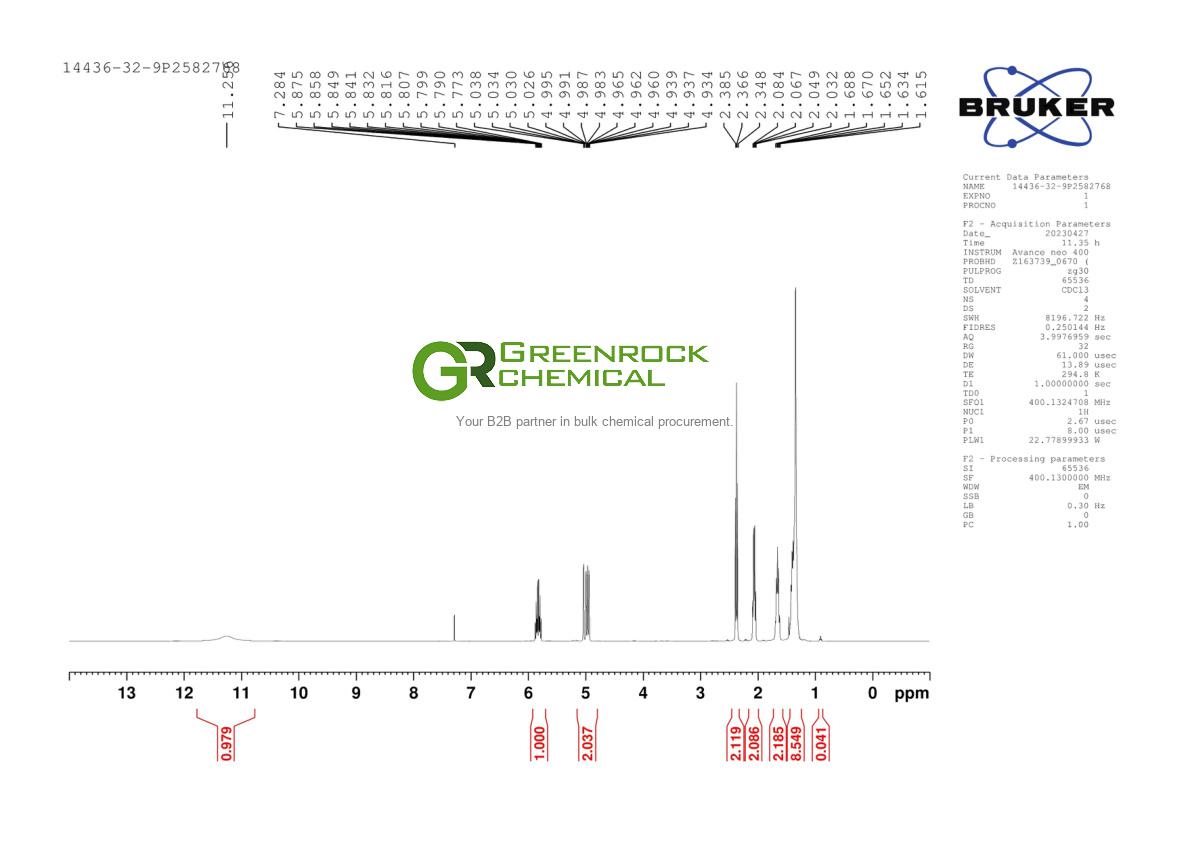
NMR Spectra of FEMA 2871
Packaging of FEMA 2871
Industrial FEMA 2871 Procurement FAQ
1. How do you ensure product quality consistency?
We rely on a mature China-based manufacturing system and implement strict batch control and quality inspection for every shipment. Our production process complies with ISO 9001 standards, and a COA is provided for each batch to ensure consistent and reliable quality.
2. Do you offer competitive pricing for bulk orders?
Yes, as a China-based manufacturer and bulk supplier, we provide tiered pricing based on order volume. We support FOB and CIF quotations, as well as L/C payment terms for large transactions to meet international trade requirements.
3. Can you support large-volume or long-term supply?
We have stable production capacity and a well-established supply chain, enabling continuous bulk supply. We support ton-level and container-level orders, as well as long-term cooperation projects.
4. What is your typical lead time?
For in-stock products, shipment can be arranged within 1–3 days. For bulk packaging or customized orders, lead time depends on the specific quantity and production schedule.
5. What documents do you provide?
We can provide complete documentation upon request, including COA, SDS, TDS, and other compliance certificates, meeting industrial procurement and export requirements.
6. Can you customize product specifications or packaging?
Yes, we support customization of parameters such as purity, impurities, residual solvents, and heavy metals. We also offer various bulk packaging options, including 25kg bags, drums, and IBC tanks, suitable for industrial applications and transportation.
7. What shipping options do you support?
We support both FCL (Full Container Load) and LCL (Less than Container Load) shipments, and can flexibly arrange logistics solutions based on order size to meet bulk chemical export needs.
8. Do you provide technical or application support?
Yes, we provide basic application guidance and technical support based on industry experience to help customers optimize product usage.
9. How do you handle compliance and export regulations?
We are familiar with international trade and export regulations, ensuring all products comply with relevant requirements. We also provide complete documentation to support smooth customs clearance and global delivery.
Use Bulk
Supply Factory
Direct ISO 9001
Certified Samples
Available Stable
Supply