trans-Cinnamaldehyde Bulk Supply for Industrial Use
China Factory Direct
 |
|
| CAS number | 14371-10-9 |
| Product name | trans-Cinnamaldehyde |
| Stock | Stock readily available; annual supply capacity exceeding 1,000 tons. |
| Grade | Industrial Grade |
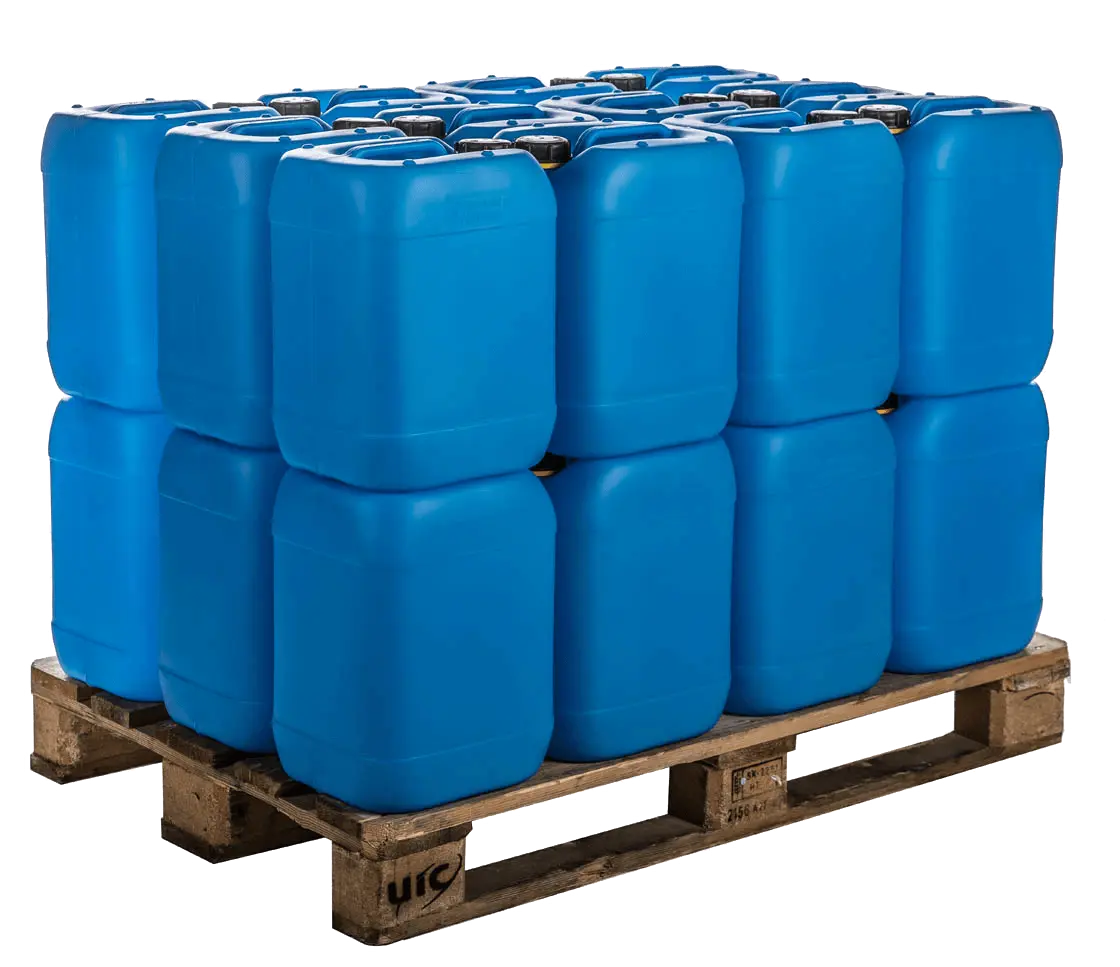
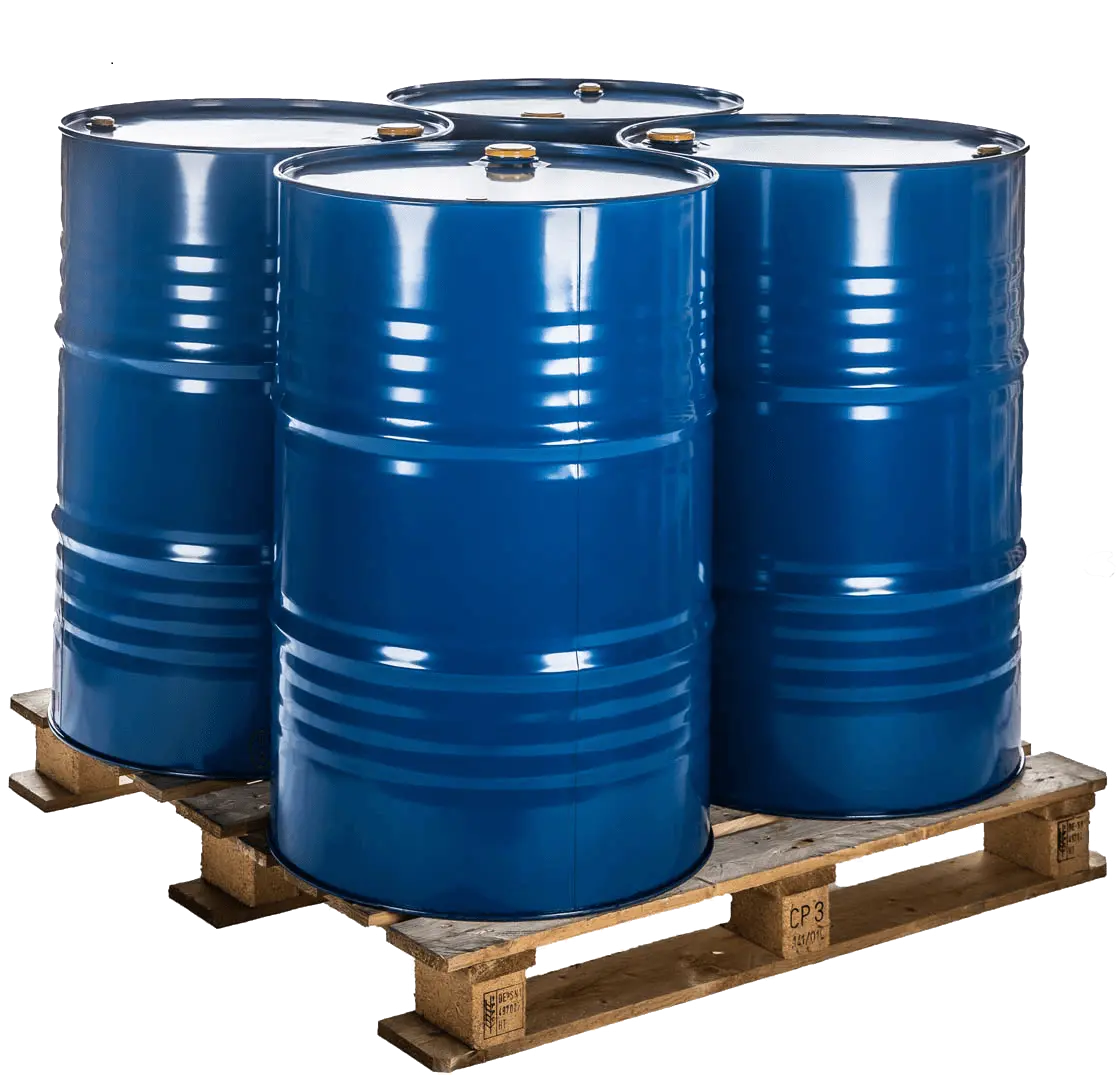
| Packaging | 25L/drum200L/drum1000L/IBC |
| Sample | Test Samples Available (Click to Request Samples) |
| COA | View COA |
| Price | Get Quote |
| Supply Type | Bulk / Contract manufacturing / OEM |
| Shipping | FCL / LCL available |
| Payment Terms | Support FOB \ CIF \ EXW quotations, and accept Letter of Credit (L/C). |
| Manufacturer | Greenrock Chemical(China Factory) |






QUOTE TYPE
PACKAGING TYPE
TOTAL QUANTITY(KG)
PREFERRED SHIPPING METHOD
YOUR COMPANY
YOUR E-MAIL
Calculate Summary
Based on current marketvolatility and material availability.
Documents We Provide for trans-Cinnamaldehyde
Post-sale: Full documentation is provided.
To request documents, please contact us via email at sales@GRchemical.com.

Bulk trans-Cinnamaldehyde Supplier from China
17+ years in chemical exports.Fully compliant, reliable supply.Your B2B partner in bulk chemical procurement.
Industrial Applications of trans-Cinnamaldehyde
| Industry | Application | Process |
|---|---|---|
| Flavor & Fragrance Industry | Fragrance ingredient | Used as a fixative in formulating soaps, detergents, air fresheners, and oriental-type perfumes to impart a cinnamon note; serves as an intermediate in the synthesis of other fragrance compounds (e.g., cinnamyl alcohol, cinnamic acid). |
| Pharmaceutical Industry | Pharmaceutical intermediate | Serves as a raw material for synthesizing cardiovascular drugs, anticancer agents, and other fine chemicals; used to prepare derivatives (e.g., halogenated cinnamaldehydes) for pharmacological activity studies. |
| Agrochemical Industry | Fungicide and intermediate | Applied directly as a plant growth regulator and fungicide; used in synthesizing high-efficacy, low-toxicity fungicidal agrochemicals. |
| Organic Synthesis Industry | Synthetic reagent | Leverages its α,β-unsaturated aldehyde structure in Diels–Alder reactions, Michael additions, and oxidation/reduction reactions to synthesize heterocyclic compounds or functional organic molecules. |
| Food Additives Industry | Food flavoring | Used as a food flavoring agent (FEMA No.: 2286) to enhance aroma in soft drinks, confectionery, ice cream, and baked goods. |
| Electroplating Industry | Additive | Acts as a brightener in zinc and nickel electroplating baths to refine deposit crystallinity and improve coating brightness and surface smoothness. |
Manufacturing Quality Control of trans-Cinnamaldehyde
| Test Item | Common Testing Methods | Method Overview |
|---|---|---|
| Content Assay | Gas Chromatography (GC) | Utilizes capillary column gas chromatography with a flame ionization detector (FID) for quantitative analysis by comparison with reference standards; suitable for precise determination of highly volatile components. |
| High-Performance Liquid Chromatography (HPLC) | Employs a C18 reversed-phase chromatographic column with a UV detector (typically at ~280 nm); suitable for content analysis of thermally unstable or non-volatile samples. | |
| Purity Analysis | Gas Chromatography-Mass Spectrometry (GC-MS) | Combines the separation capability of GC with the qualitative power of MS to accurately identify impurities and assess the purity of the main component; widely used in organic impurity analysis. |
| Identification Test | Infrared Spectroscopy (IR) | Compares the sample spectrum with a reference standard, identifying structural features based on characteristic absorption peaks (e.g., carbonyl stretching vibration at ~1680 cm⁻¹, aromatic C=C at ~1600 cm⁻¹). |
| Ultraviolet-Visible Spectrophotometry (UV-Vis) | Features a characteristic absorption peak near 280 nm, useful for preliminary identification and auxiliary quantification. | |
| Relative Density | Density Bottle Method | According to the Chinese Pharmacopoeia, measures the relative density of the sample versus water at 20°C using a density bottle to verify physical properties. |
| Refractive Index | Refractometry | Measures refractive index at 20°C using an Abbe refractometer (typically ~1.620–1.630), serving as an indicator for identification and purity assessment. |
| Boiling Point / Distillation Range | Distillation Method | Determines the boiling point range (trans-cinnamaldehyde boils at ~248–250°C) to evaluate volatility and impurity content. |
| Moisutre Content | Karl Fischer Titration (KF) | Uses Karl Fischer titration to accurately measure trace water content in samples, ensuring product quality stability, especially for active pharmaceutical ingredients or flavor and fragrance materials. |
| Heavy Metals | Atomic Absorption Spectroscopy (AAS) or ICP-MS | After sample digestion, measures residual heavy metals such as lead, arsenic, and mercury to comply with safety standards for pharmaceutical or food additive applications. |
| Residual Solvents | Gas Chromatography (GC) | Detects residual organic solvents (e.g., methanol, ethanol, benzene) potentially left from manufacturing processes, in accordance with ICH guidelines, to ensure safety. |
| Microbial Limits | Microbial Limit Test | Performs tests as required by pharmacopoeial standards, including total aerobic microbial count, mold and yeast counts, and control organism testing (e.g., Escherichia coli), applicable to pharmaceutical or cosmetic-grade products. |
Technical Specifications of trans-Cinnamaldehyde
| Test Item | Specification |
|---|---|
| Appearance | Yellow liquid |
| Purity | >=98.0% (GC-MS) |
| Water Content (KF) | <=0.5% |
| Total Impurities | <=2.0% |
| Single Impurity | <=0.5% |
| Refractive Index (n20/D) | 1.619–1.623 |
| Relative Density (20°C/25°C) | 1.048–1.052 g/cm³ |
| Odor | Characteristic cinnamic aldehyde odor |
 Specifications vary by industry. Reach out to our technical experts for a COA tailored specifically to your application. Email:selse@GRchemical.com
|
|
Download COA of trans-Cinnamaldehyde
| CAS/Product ID | *Required fields | |
| Lot/Batch Number | *Required fields | |
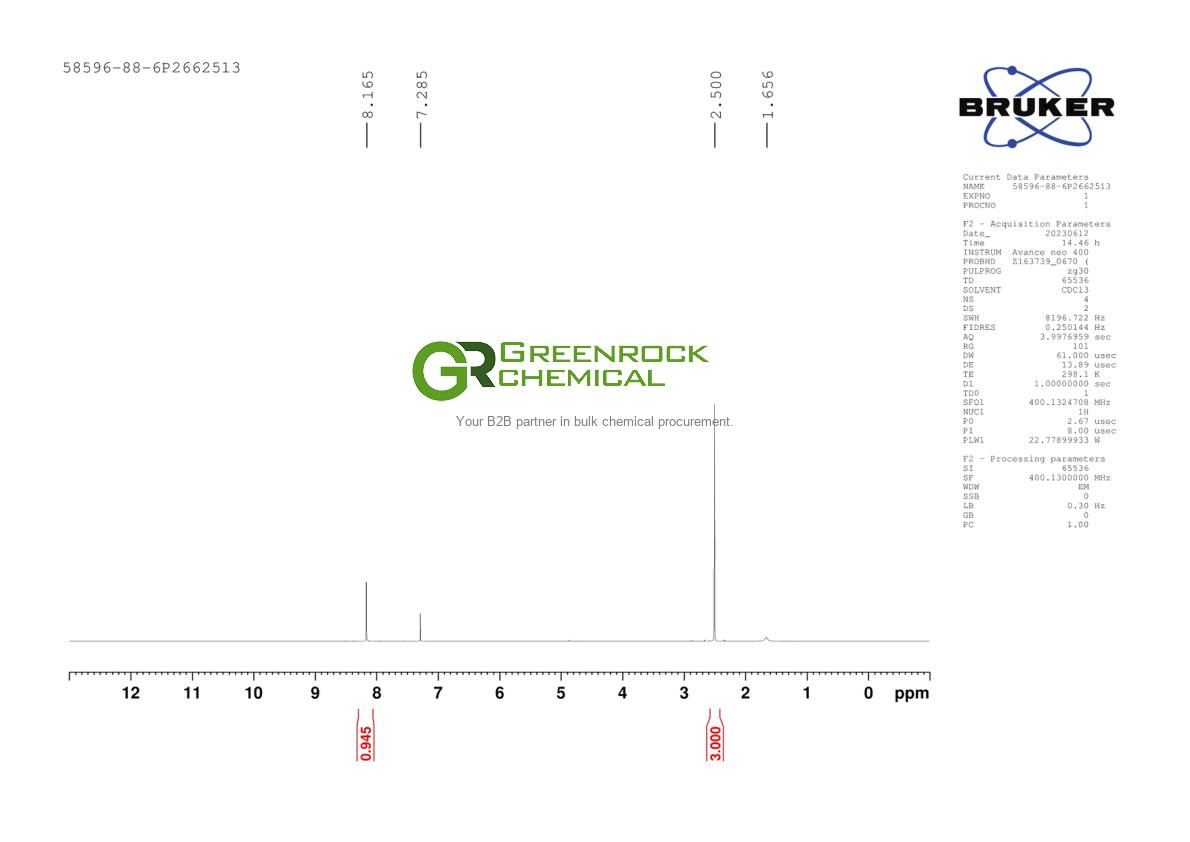
NMR Spectra of trans-Cinnamaldehyde

Packaging of trans-Cinnamaldehyde
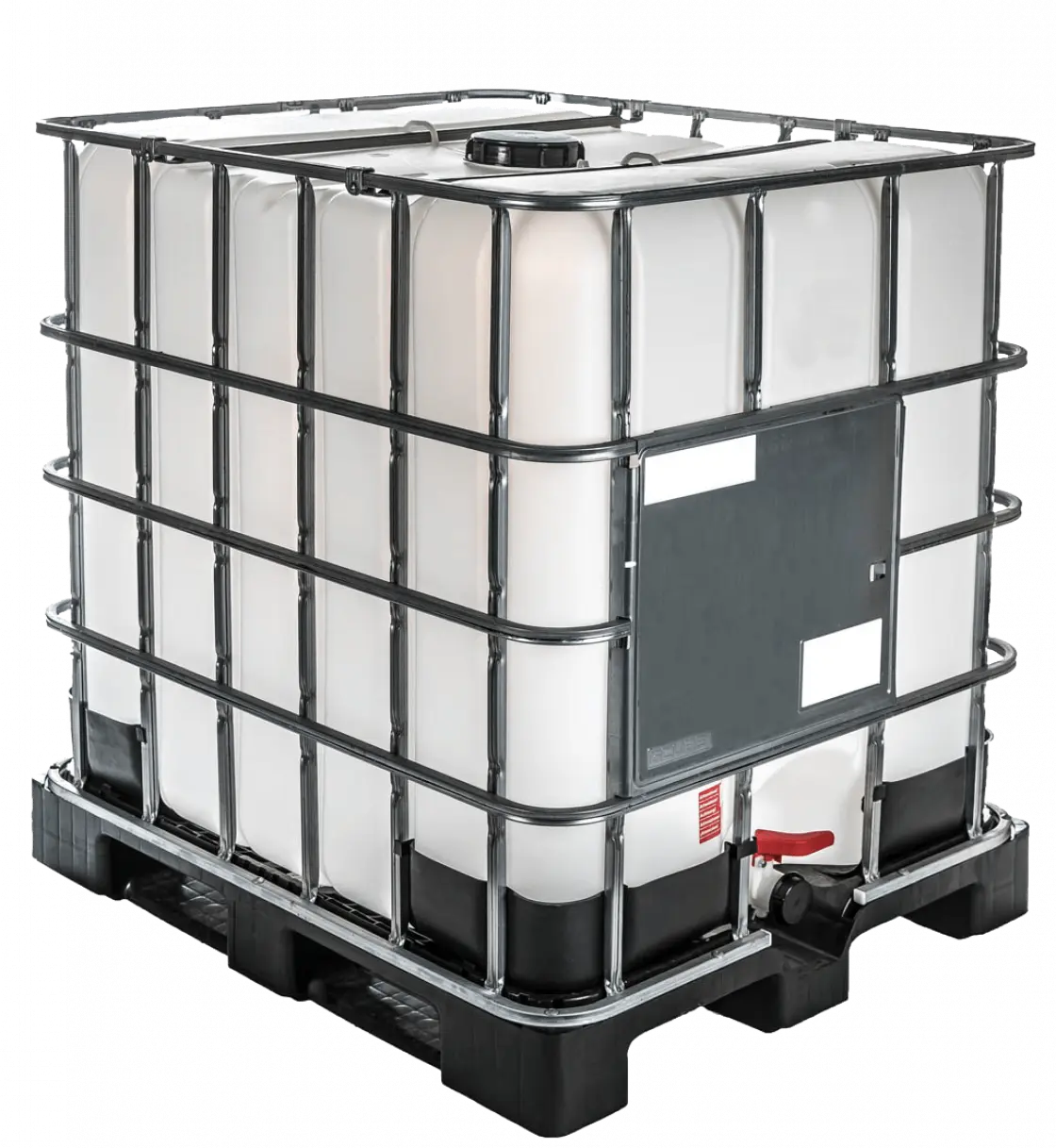
Industrial trans-Cinnamaldehyde Procurement FAQ
1. How do you ensure product quality consistency?
We rely on a mature China-based manufacturing system and implement strict batch control and quality inspection for every shipment. Our production process complies with ISO 9001 standards, and a COA is provided for each batch to ensure consistent and reliable quality.
2. Do you offer competitive pricing for bulk orders?
Yes, as a China-based manufacturer and bulk supplier, we provide tiered pricing based on order volume. We support FOB and CIF quotations, as well as L/C payment terms for large transactions to meet international trade requirements.
3. Can you support large-volume or long-term supply?
We have stable production capacity and a well-established supply chain, enabling continuous bulk supply. We support ton-level and container-level orders, as well as long-term cooperation projects.
4. What is your typical lead time?
For in-stock products, shipment can be arranged within 1–3 days. For bulk packaging or customized orders, lead time depends on the specific quantity and production schedule.
5. What documents do you provide?
We can provide complete documentation upon request, including COA, SDS, TDS, and other compliance certificates, meeting industrial procurement and export requirements.
6. Can you customize product specifications or packaging?
Yes, we support customization of parameters such as purity, impurities, residual solvents, and heavy metals. We also offer various bulk packaging options, including 25kg bags, drums, and IBC tanks, suitable for industrial applications and transportation.
7. What shipping options do you support?
We support both FCL (Full Container Load) and LCL (Less than Container Load) shipments, and can flexibly arrange logistics solutions based on order size to meet bulk chemical export needs.
8. Do you provide technical or application support?
Yes, we provide basic application guidance and technical support based on industry experience to help customers optimize product usage.
9. How do you handle compliance and export regulations?
We are familiar with international trade and export regulations, ensuring all products comply with relevant requirements. We also provide complete documentation to support smooth customs clearance and global delivery.
Use Bulk
Supply Factory
Direct ISO 9001
Certified Samples
Available Stable
Supply