5'-INOSINIC ACID DISODIUM SALT HYDRATE Bulk Supply for Industrial Use
China Factory Direct
 |
|
| CAS number | 20813-76-7 |
| Product name | 5'-INOSINIC ACID DISODIUM SALT HYDRATE |
| Stock | Stock readily available; annual supply capacity exceeding 1,000 tons. |
| Grade | Industrial Grade |
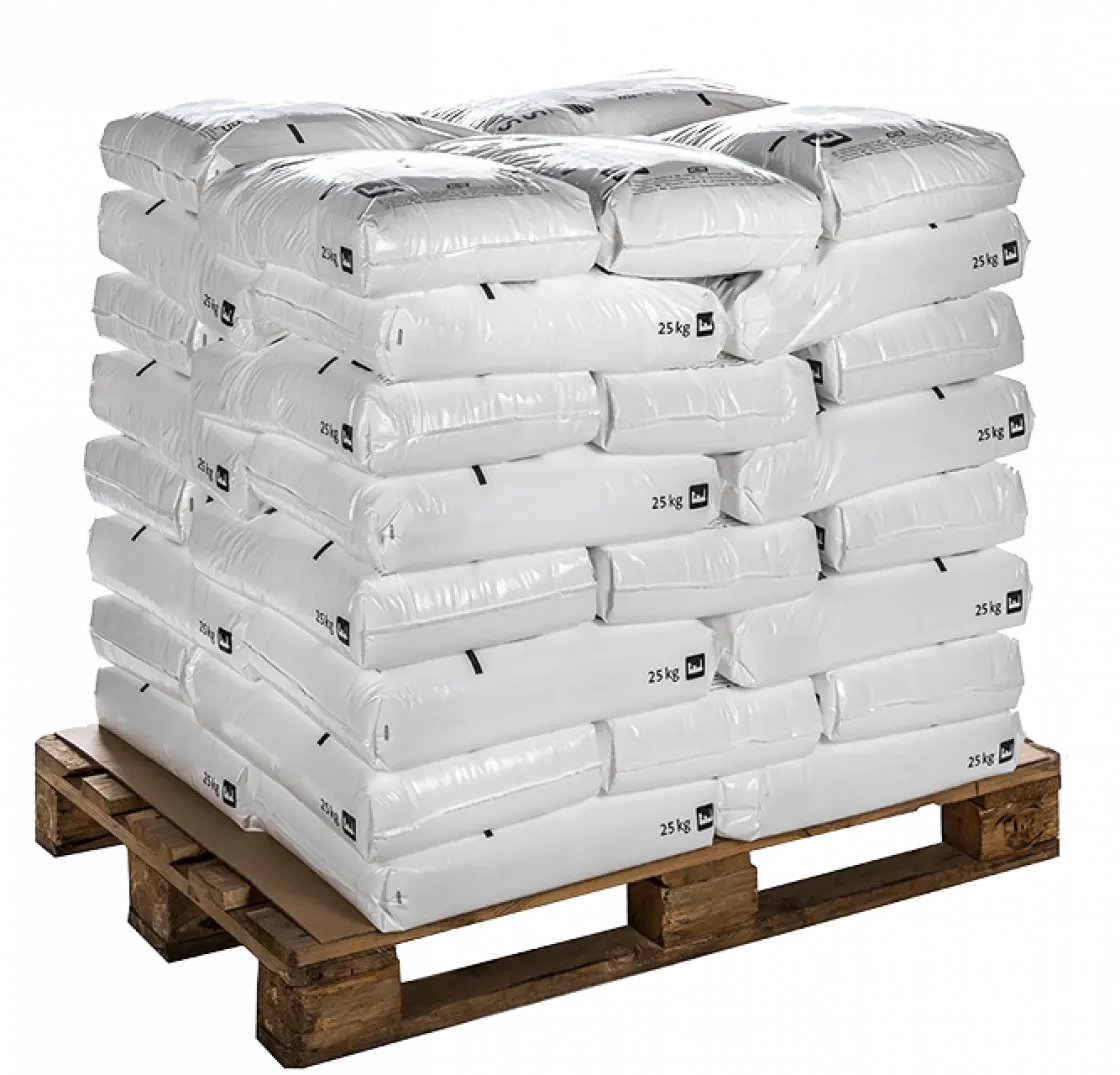
| Packaging | 25KG/bag500KG/bag1000KG/bag |
| Sample | Test Samples Available (Click to Request Samples) |
| COA | View COA |
| Price | Get Quote |
| Supply Type | Bulk / Contract manufacturing / OEM |
| Shipping | FCL / LCL available |
| Payment Terms | Support FOB \ CIF \ EXW quotations, and accept Letter of Credit (L/C). |
| Manufacturer | Greenrock Chemical(China Factory) |






QUOTE TYPE
PACKAGING TYPE
TOTAL QUANTITY(KG)
PREFERRED SHIPPING METHOD
YOUR COMPANY
YOUR E-MAIL
Calculate Summary
Based on current marketvolatility and material availability.
Documents We Provide for 5'-INOSINIC ACID DISODIUM SALT HYDRATE
Post-sale: Full documentation is provided.
To request documents, please contact us via email at sales@GRchemical.com.

Bulk 5'-INOSINIC ACID DISODIUM SALT HYDRATE Supplier from China
17+ years in chemical exports.Fully compliant, reliable supply.Your B2B partner in bulk chemical procurement.
Industrial Applications of 5'-INOSINIC ACID DISODIUM SALT HYDRATE
| Industry | Application | Process |
|---|---|---|
| Pharmaceutical Industry | Formulation of combination preparations (e.g., inosine tablets, inosine injection) for adjunctive treatment of leukopenia, thrombocytopenia, and acute/chronic liver diseases | Wet granulation and tablet compression (tablets); dissolution, filtration, filling, and sterilization (injection) |
| Food Industry | Used as a food nutrient fortifier or flavor enhancer to improve food taste | Blended with sodium chloride, monosodium glutamate, and other ingredients |
| Agriculture / Animal Husbandry | Employed as a feed additive to promote livestock and poultry growth and enhance immunity | Directly mixed into basal feed |
| Chemical / Biotechnology Industry | Served as a biochemical reagent in nucleotide biosynthesis or related enzymology studies | Dissolved in buffer solution and incorporated into enzymatic reaction systems |
Manufacturing Quality Control of 5'-INOSINIC ACID DISODIUM SALT HYDRATE
| Detection Item | Common Analytical Method | Method Overview |
|---|---|---|
| Assay (Purity) | HPLC-UV | Quantitative determination using reversed-phase HPLC with UV detection at 260 nm, based on peak area comparison against a certified reference standard. |
| Related Substances | HPLC-UV | Separation and quantification of impurities (e.g., inosine, IMP acid, hydrolysis products) using gradient HPLC-UV; identification by retention time matching and/or spiking. |
| Water Content | Karl Fischer Titration | Electrochemical titration with iodine-based reagent to quantify water content based on stoichiometric reaction with iodine and sulfur dioxide in pyridine/methanol medium. |
| Residue on Ignition | Gravimetric Analysis (Weight Loss on Ignition) | Heating sample at 700–800 °C to constant weight; residual inorganic ash mass expressed as percentage of original sample. |
| Heavy Metals (as Pb) | ICP-OES | Multi-element quantification of heavy metals (Pb, Cd, As, Hg, Cr) after acid digestion, using plasma excitation and element-specific emission wavelength detection. |
| pH (1% aqueous solution) | Potentiometric pH Measurement | Measurement of hydrogen ion activity in a 1% w/v aqueous solution at 25 °C using calibrated glass electrode and pH meter. |
| Specific Optical Rotation | [α]D | Measurement of plane-polarized light rotation in a 1% w/v solution at 20 °C using sodium D-line (589 nm); verifies chiral integrity and identity. |
| Loss on Drying | Thermogravimetric Analysis (TGA) or Oven Drying | Weight loss measured after drying at 105 °C for 2 hours; reflects volatile content including residual solvents and moisture. |
| Microbial Limits | Membrane Filtration / Plate Count | Enumeration of aerobic mesophilic bacteria and yeasts/molds via membrane filtration followed by incubation on appropriate agar media (e.g., TSA, SDA). |
| Residual Solvents (e.g., Ethanol, Acetone) | GC-FID | Headspace or direct injection GC with flame ionization detection; quantification against certified solvent standards using internal standard calibration. |
| Sodium Content | Flame Photometry or ICP-OES | Quantification of Na⁺ after acid dissolution, based on characteristic emission intensity in flame or plasma excitation. |
| Chloride Impurity | Ion Chromatography (IC) with Conductivity Detection | Separation of chloride anions on anion-exchange column and detection via suppressed conductivity; quantified against chloride standard. |
| Endotoxins (for pharmaceutical-grade) | Kinetic Turbidimetric LAL Assay | Quantitative measurement of endotoxin-induced clotting enzyme activation in Limulus amebocyte lysate, detected as turbidity increase over time. |
| Particle Size Distribution | Laser Diffraction | Analysis of dry or wet dispersed sample using Mie scattering theory to determine volumetric particle size distribution (D10, D50, D90). |
Technical Specifications of 5'-INOSINIC ACID DISODIUM SALT HYDRATE
| Test Item | Specification |
|---|---|
| Appearance | White crystalline solid |
| Purity | >=98.0% |
| Water Content (KF) | <=0.5% |
| Total Impurities | <=2.0% |
| Single Impurity | <=0.5% |
| Heavy Metals | <=20 ppm |
| Residue on Ignition | <=0.1% |
| Optical Rotation | -20.0° to -24.0° (c=1, H2O) |
 Specifications vary by industry. Reach out to our technical experts for a COA tailored specifically to your application. Email:selse@GRchemical.com
|
|
Download COA of 5'-INOSINIC ACID DISODIUM SALT HYDRATE
| CAS/Product ID | *Required fields | |
| Lot/Batch Number | *Required fields | |
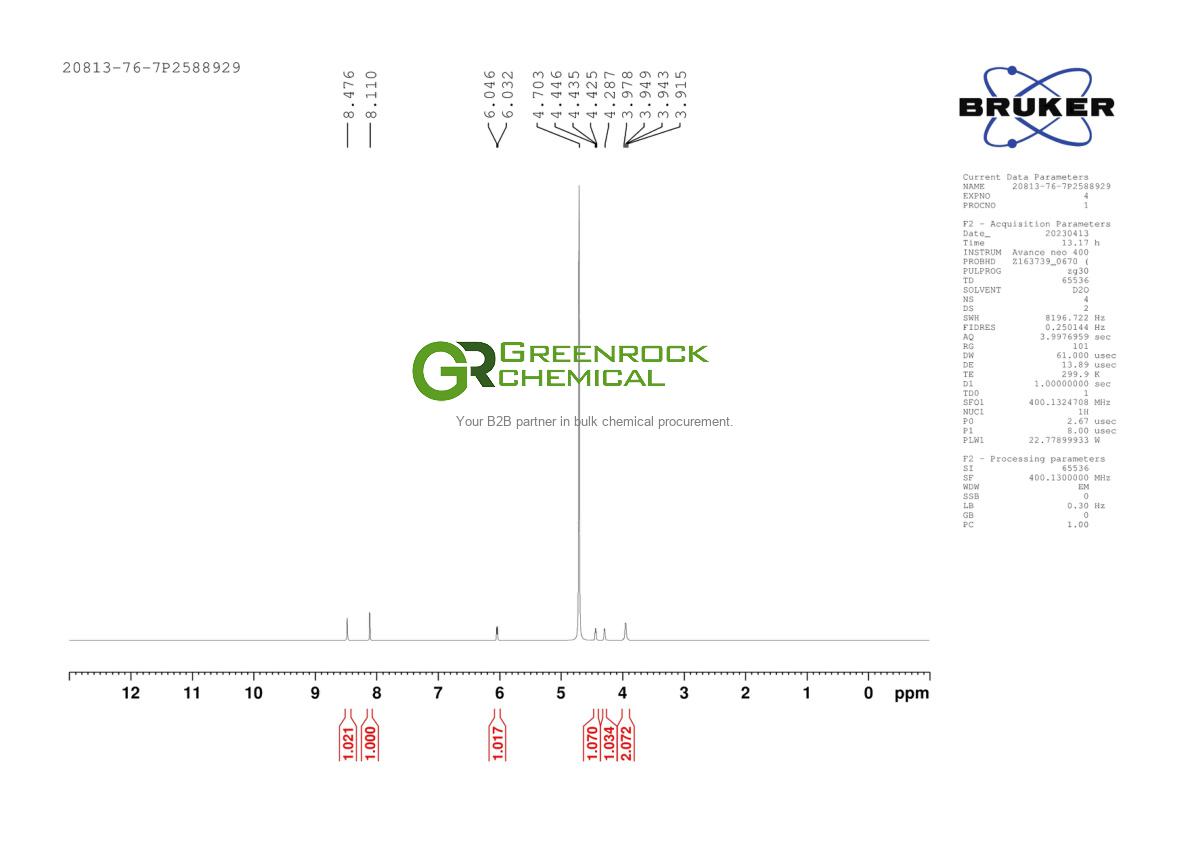
NMR Spectra of 5'-INOSINIC ACID DISODIUM SALT HYDRATE
Safety Information of 5'-INOSINIC ACID DISODIUM SALT HYDRATE
| Pictograms |  |
| Signal Word | Warning |
| Safety Data Sheet | |
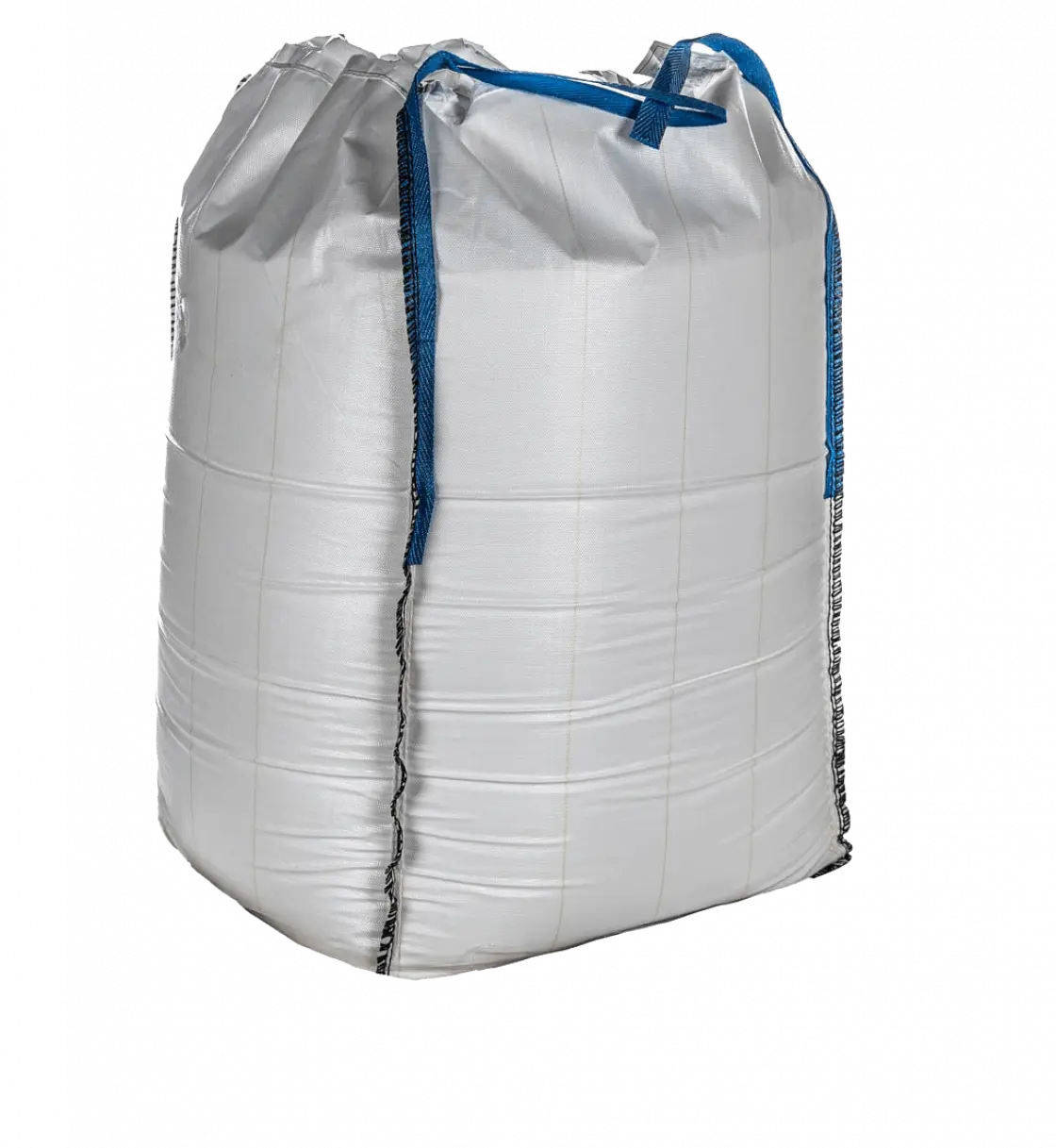
Packaging of 5'-INOSINIC ACID DISODIUM SALT HYDRATE
Industrial 5'-INOSINIC ACID DISODIUM SALT HYDRATE Procurement FAQ
1. How do you ensure product quality consistency?
We rely on a mature China-based manufacturing system and implement strict batch control and quality inspection for every shipment. Our production process complies with ISO 9001 standards, and a COA is provided for each batch to ensure consistent and reliable quality.
2. Do you offer competitive pricing for bulk orders?
Yes, as a China-based manufacturer and bulk supplier, we provide tiered pricing based on order volume. We support FOB and CIF quotations, as well as L/C payment terms for large transactions to meet international trade requirements.
3. Can you support large-volume or long-term supply?
We have stable production capacity and a well-established supply chain, enabling continuous bulk supply. We support ton-level and container-level orders, as well as long-term cooperation projects.
4. What is your typical lead time?
For in-stock products, shipment can be arranged within 1–3 days. For bulk packaging or customized orders, lead time depends on the specific quantity and production schedule.
5. What documents do you provide?
We can provide complete documentation upon request, including COA, SDS, TDS, and other compliance certificates, meeting industrial procurement and export requirements.
6. Can you customize product specifications or packaging?
Yes, we support customization of parameters such as purity, impurities, residual solvents, and heavy metals. We also offer various bulk packaging options, including 25kg bags, drums, and IBC tanks, suitable for industrial applications and transportation.
7. What shipping options do you support?
We support both FCL (Full Container Load) and LCL (Less than Container Load) shipments, and can flexibly arrange logistics solutions based on order size to meet bulk chemical export needs.
8. Do you provide technical or application support?
Yes, we provide basic application guidance and technical support based on industry experience to help customers optimize product usage.
9. How do you handle compliance and export regulations?
We are familiar with international trade and export regulations, ensuring all products comply with relevant requirements. We also provide complete documentation to support smooth customs clearance and global delivery.
Use Bulk
Supply Factory
Direct ISO 9001
Certified Samples
Available Stable
Supply