3-[(3-AMINO-4-METHYLAMINO-BENZOYL)-PYRIDIN-2-YL-AMINO]-PROPIONIC ACID ETHYL ESTER Bulk Supply for Industrial Use
China Factory Direct
 |
|
| CAS number | 212322-56-0 |
| Product name | 3-[(3-AMINO-4-METHYLAMINO-BENZOYL)-PYRIDIN-2-YL-AMINO]-PROPIONIC ACID ETHYL ESTER |
| Stock | Stock readily available; annual supply capacity exceeding 1,000 tons. |
| Grade | Pharmaceutical GradeReagent Grade |
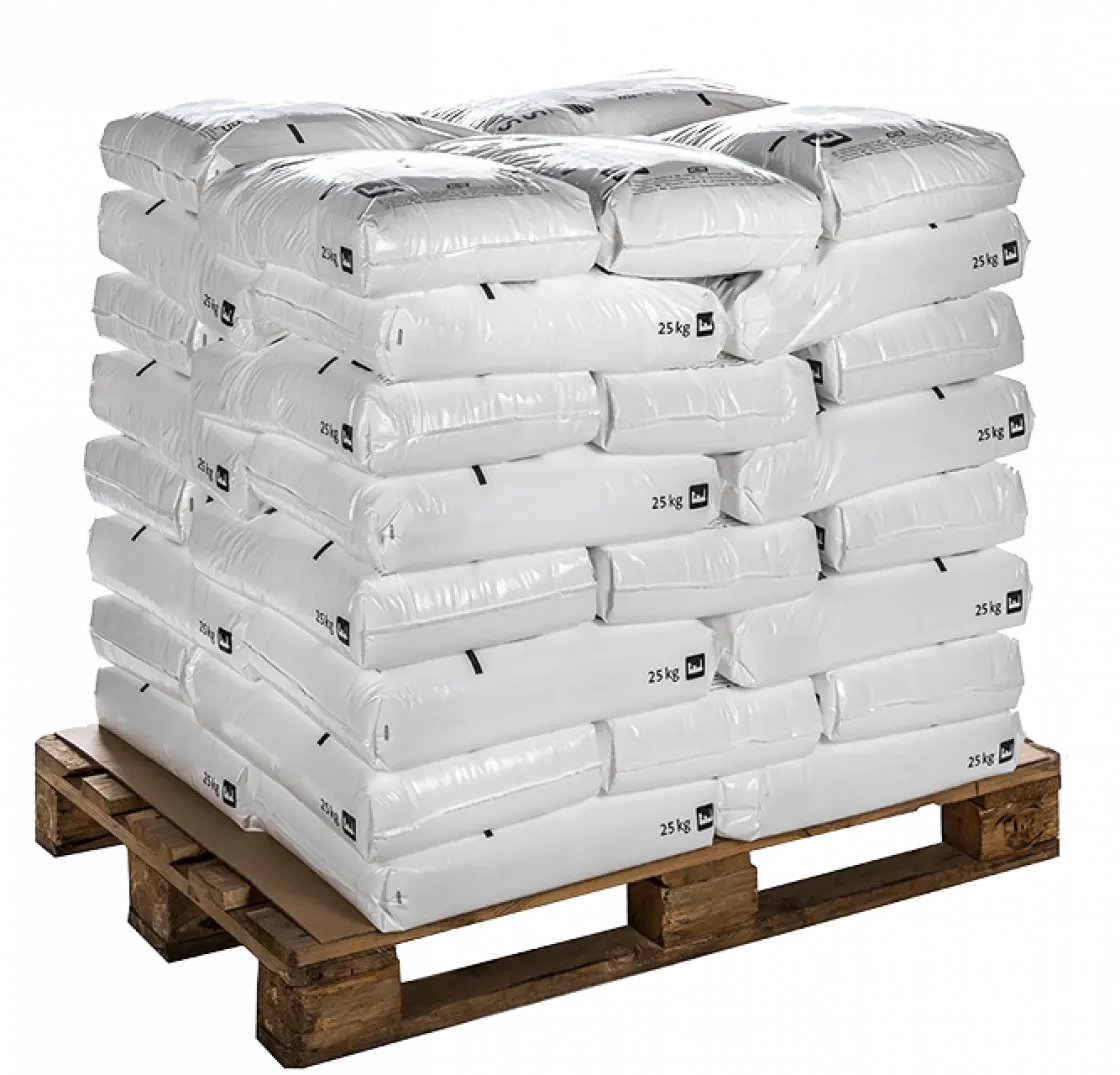
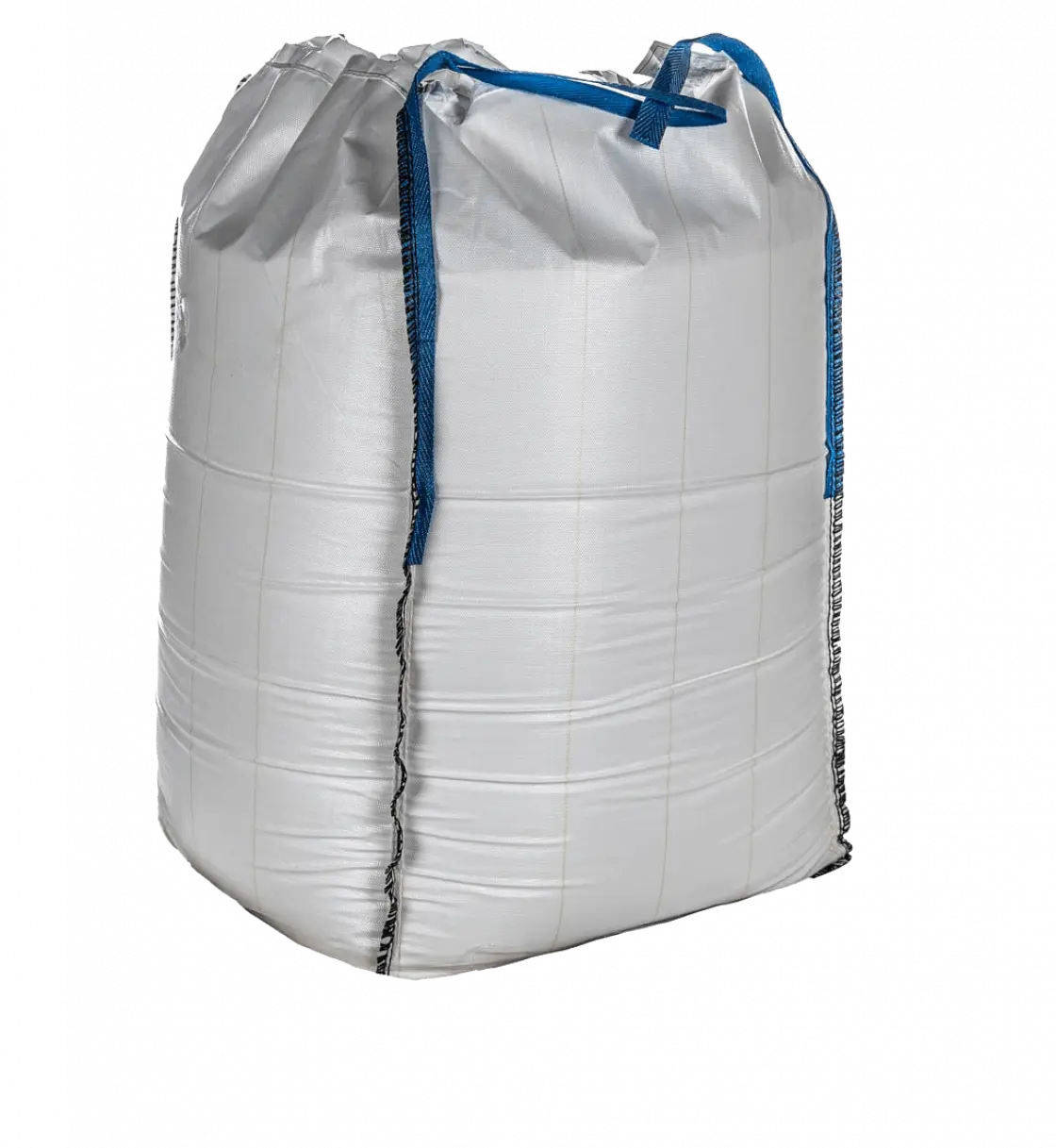
| Packaging | 25KG/bag500KG/bag1000KG/bag |
| Sample | Test Samples Available (Click to Request Samples) |
| COA | View COA |
| Price | Get Quote |
| Supply Type | Bulk / Contract manufacturing / OEM |
| Shipping | FCL / LCL available |
| Payment Terms | Support FOB \ CIF \ EXW quotations, and accept Letter of Credit (L/C). |
| Manufacturer | Greenrock Chemical(China Factory) |






QUOTE TYPE
PACKAGING TYPE
TOTAL QUANTITY(KG)
PREFERRED SHIPPING METHOD
YOUR COMPANY
YOUR E-MAIL
Calculate Summary
Based on current marketvolatility and material availability.
Documents We Provide for 212322-56-0
Post-sale: Full documentation is provided.
To request documents, please contact us via email at sales@GRchemical.com.

Bulk 212322-56-0 Supplier from China
17+ years in chemical exports.Fully compliant, reliable supply.Your B2B partner in bulk chemical procurement.
Industrial Applications of 212322-56-0
| Industry | Application | Process |
|---|---|---|
| Pharmaceutical R&D | Intermediate for synthesizing anticancer drugs or kinase inhibitors | Prepared via organic synthesis reactions including amidation and condensation |
| Chemical Research | Fluorescent labeling reagent or precursor for biological probes | Functionalized and coupled to target molecules for cellular imaging or molecular recognition |
| Medicinal Chemistry | Building block for constructing heterocyclic compound libraries containing pyridine and aniline motifs | Structural diversification performed using combinatorial or parallel synthesis techniques |
Manufacturing Quality Control of 212322-56-0
| Test Item | Common Testing Methods | Method Overview |
|---|---|---|
| Identification | Infrared Spectroscopy (IR) | Determine the infrared absorption spectrum of the sample and compare it with reference spectra to confirm the presence of characteristic functional groups (e.g., amide, amino, ester, pyridine ring), used for structural confirmation of compounds. |
| Identification | High-Performance Liquid Chromatography (HPLC) | Compare the retention time of the main peak of the test sample with that of a reference standard under specific chromatographic conditions, used for preliminary identification of the target compound. |
| Identification | Mass Spectrometry (MS) or Liquid Chromatography-Mass Spectrometry (LC-MS) | Determine the molecular ion peak and fragment ions to verify molecular weight and structural characteristics, providing highly specific identification evidence. |
| Assay | High-Performance Liquid Chromatography (HPLC) | Use a reversed-phase C18 column with an appropriate mobile phase (e.g., acetonitrile-buffer system) under isocratic or gradient elution; determine the content of the active ingredient by external or internal standard method. This is the most commonly used quantitative method in quality control. |
| Related Substances (Impurities) | High-Performance Liquid Chromatography (HPLC) | Employ a high-sensitivity HPLC method (typically gradient elution) to separate and detect process-related impurities and degradation products. Quantify individual impurities using area normalization or relative response factor methods. |
| Residual Solvents | Gas Chromatography (GC) | Using headspace or direct injection, separate components on a capillary column and detect with an FID detector to quantitatively determine residual organic solvents such as methanol, ethanol, dichloromethane, ethyl acetate, etc. |
| Loss on Drying | Thermogravimetric Analysis (TGA) or Atmospheric Pressure Drying Method | Dry the sample at a specified temperature (e.g., 105°C) to constant weight and measure the percentage loss in mass due to water or other volatile components, assessing the degree of dryness of the sample. |
| Sulfated Ash (Residue on Ignition) | Gravimetric Method | Ignite the sample at high temperature (approximately 700–800°C) and weigh the residual inorganic matter to monitor inorganic impurities (e.g., metal catalyst residues). |
| Heavy Metals | Atomic Absorption Spectroscopy (AAS) or Inductively Coupled Plasma Mass Spectrometry (ICP-MS) | After sample digestion, determine the levels of heavy metal elements such as lead, cadmium, mercury, and arsenic to ensure compliance with pharmacopoeial or ICH Q3D limits. |
| pH Value | pH Meter Method | Prepare an aqueous solution of defined concentration and measure its acidity or alkalinity using a calibrated pH meter, reflecting the influence of free acid/base or salt forms. |
| Specific Optical Rotation (for chiral compounds) | Polarimetry | If the compound contains a chiral center and optical purity needs to be controlled, measure its specific optical rotation at a specified wavelength (e.g., sodium D line) and temperature for quality control purposes. |
Technical Specifications of 212322-56-0
| Test Item | Specification |
|---|---|
| Appearance | White to light yellow crystalline powder |
| Purity | >=98.0% (LC-MS) |
| Total Impurities | <=2.0% |
| Single Impurity | <=0.5% |
| Water Content (KF) | <=0.5% |
| Melting Point | 148–152°C |
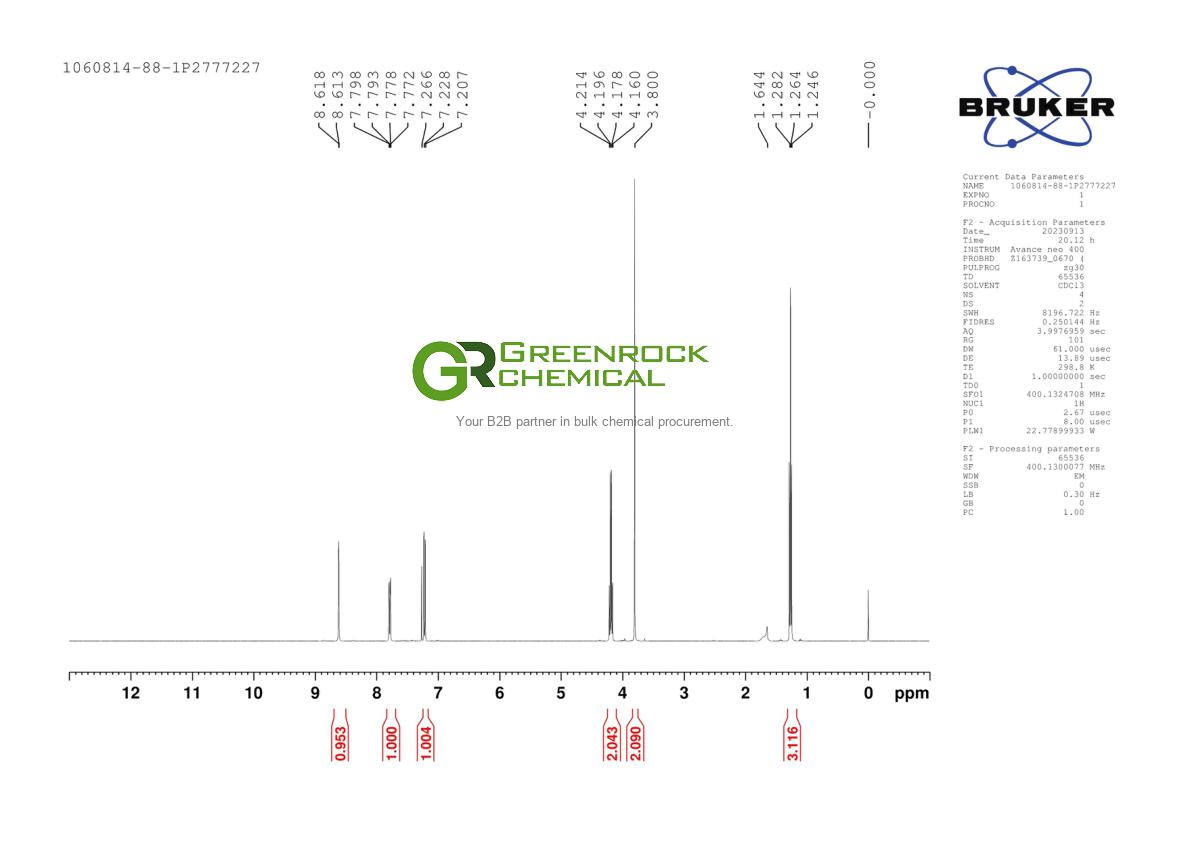
| Identification (NMR) | Consistent with structure |
| Residue on Ignition | <=0.3% |
 Specifications vary by industry. Reach out to our technical experts for a COA tailored specifically to your application. Email:selse@GRchemical.com
|
|
Download COA of 212322-56-0
| CAS/Product ID | *Required fields | |
| Lot/Batch Number | *Required fields | |
NMR Spectra of 212322-56-0

Packaging of 212322-56-0
Industrial 212322-56-0 Procurement FAQ
1. How do you ensure product quality consistency?
We rely on a mature China-based manufacturing system and implement strict batch control and quality inspection for every shipment. Our production process complies with ISO 9001 standards, and a COA is provided for each batch to ensure consistent and reliable quality.
2. Do you offer competitive pricing for bulk orders?
Yes, as a China-based manufacturer and bulk supplier, we provide tiered pricing based on order volume. We support FOB and CIF quotations, as well as L/C payment terms for large transactions to meet international trade requirements.
3. Can you support large-volume or long-term supply?
We have stable production capacity and a well-established supply chain, enabling continuous bulk supply. We support ton-level and container-level orders, as well as long-term cooperation projects.
4. What is your typical lead time?
For in-stock products, shipment can be arranged within 1–3 days. For bulk packaging or customized orders, lead time depends on the specific quantity and production schedule.
5. What documents do you provide?
We can provide complete documentation upon request, including COA, SDS, TDS, and other compliance certificates, meeting industrial procurement and export requirements.
6. Can you customize product specifications or packaging?
Yes, we support customization of parameters such as purity, impurities, residual solvents, and heavy metals. We also offer various bulk packaging options, including 25kg bags, drums, and IBC tanks, suitable for industrial applications and transportation.
7. What shipping options do you support?
We support both FCL (Full Container Load) and LCL (Less than Container Load) shipments, and can flexibly arrange logistics solutions based on order size to meet bulk chemical export needs.
8. Do you provide technical or application support?
Yes, we provide basic application guidance and technical support based on industry experience to help customers optimize product usage.
9. How do you handle compliance and export regulations?
We are familiar with international trade and export regulations, ensuring all products comply with relevant requirements. We also provide complete documentation to support smooth customs clearance and global delivery.
Use Bulk
Supply Factory
Direct ISO 9001
Certified Samples
Available Stable
Supply