L-Fucose Bulk Supply for Industrial Use
China Factory Direct
 |
|
| CAS number | 2438-80-4 |
| Product name | L-Fucose |
| Stock | Stock readily available; annual supply capacity exceeding 1,000 tons. |
| Grade | Pharmaceutical GradeFood Grade |
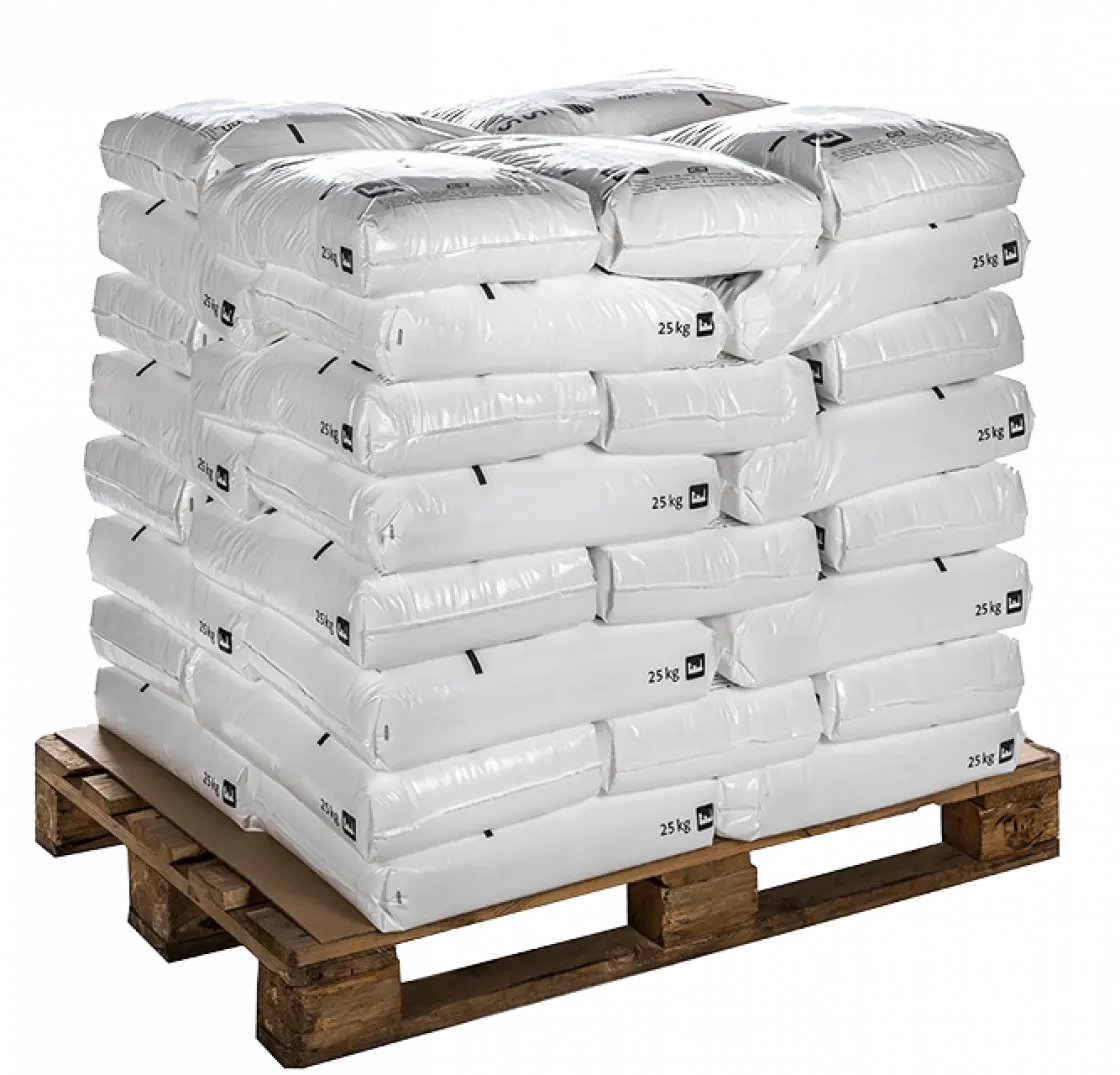
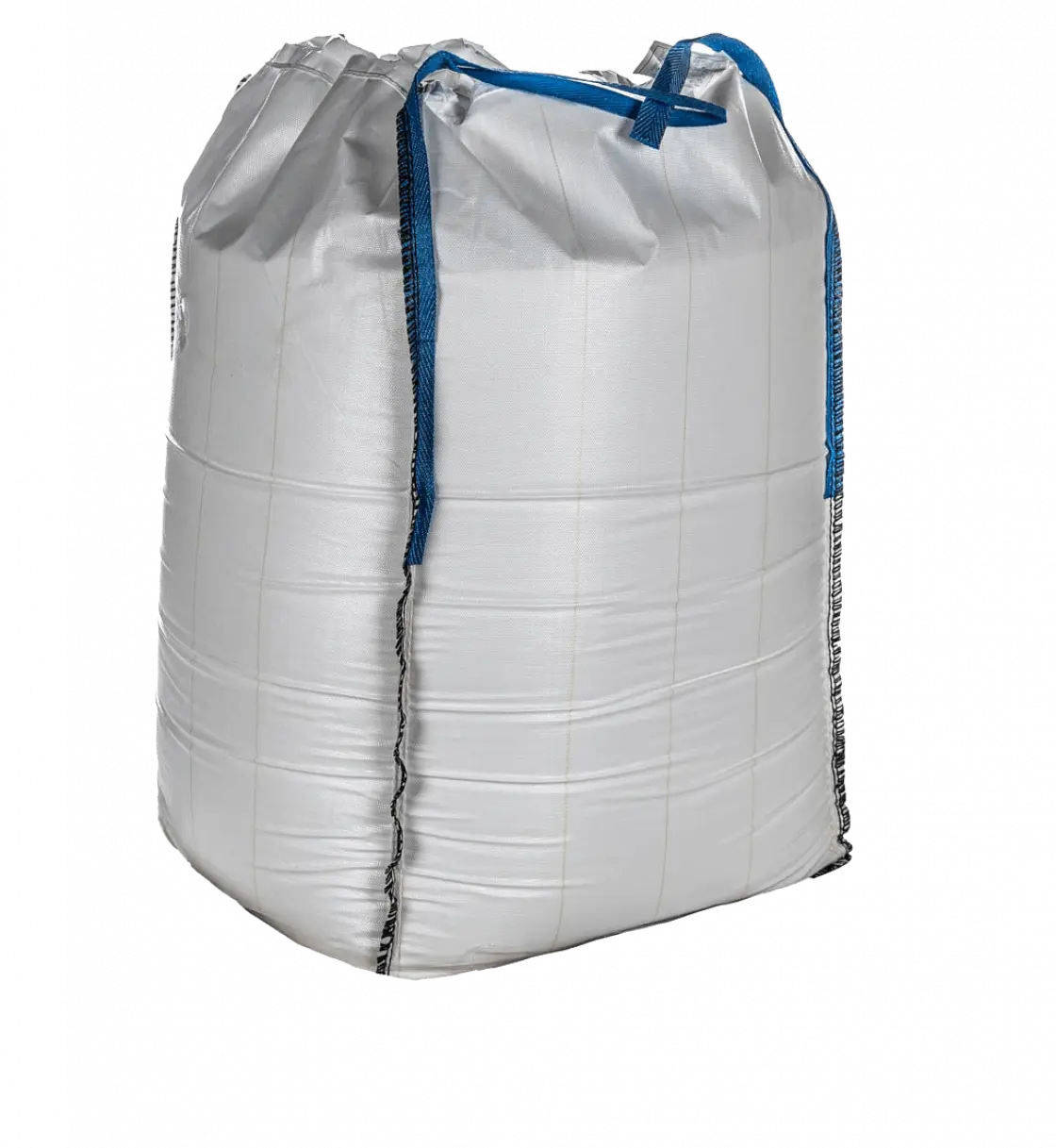
| Packaging | 25KG/bag |
| Sample | Test Samples Available (Click to Request Samples) |
| COA | View COA |
| Price | Get Quote |
| Supply Type | Bulk / Contract manufacturing / OEM |
| Shipping | FCL / LCL available |
| Payment Terms | Support FOB \ CIF \ EXW quotations, and accept Letter of Credit (L/C). |
| Manufacturer | Greenrock Chemical(China Factory) |






QUOTE TYPE
PACKAGING TYPE
TOTAL QUANTITY(KG)
PREFERRED SHIPPING METHOD
YOUR COMPANY
YOUR E-MAIL
Calculate Summary
Based on current marketvolatility and material availability.
Documents We Provide for L-Fucose
Post-sale: Full documentation is provided.
To request documents, please contact us via email at sales@GRchemical.com.

Bulk L-Fucose Supplier from China
17+ years in chemical exports.Fully compliant, reliable supply.Your B2B partner in bulk chemical procurement.
Industrial Applications of L-Fucose
| Industry | Application | Process |
|---|---|---|
| Pharmaceuticals | As a carbohydrate-based drug intermediate for synthesizing antiviral, antitumor, and immunomodulatory agents; for preparing fucosylated monoclonal antibodies to enhance ADCC activity | Chemically synthesized or enzymatically coupled to the terminus of glycan chains; in vitro glycosylation modification mediated by glycosyltransferases |
| Biological Research | As a ligand for cell surface receptors to study cell adhesion, signal transduction, and pathogen infection mechanisms; for constructing fucose-deficient cell models | Added to cell culture media; combined with gene editing and metabolic labeling techniques |
| Food & Nutrition | As a functional oligosaccharide component to modulate gut microbiota (e.g., promoting Bifidobacterium proliferation); incorporated into infant formula to mimic human milk oligosaccharide (HMO) structures containing fucose | Microencapsulated prior to addition to dairy products; HMO analogues prepared via enzymatic transglycosylation using lactose or other substrates |
| Diagnostics | As an antigenic epitope for developing immunoassays to detect pathogens such as Helicobacter pylori and rotavirus; for detecting fucosylated biomarkers in flow cytometry | Conjugated to solid-phase carriers (e.g., magnetic beads, microtiter plates); used in combination with fluorescent dyes or enzyme-labeled antibodies |
Manufacturing Quality Control of L-Fucose
| Test Item | Common Testing Methods | Method Overview |
|---|---|---|
| Identification | Infrared Spectroscopy (IR) | Determine the infrared absorption spectrum of the sample and compare it with reference spectra to confirm functional groups and structural characteristics. |
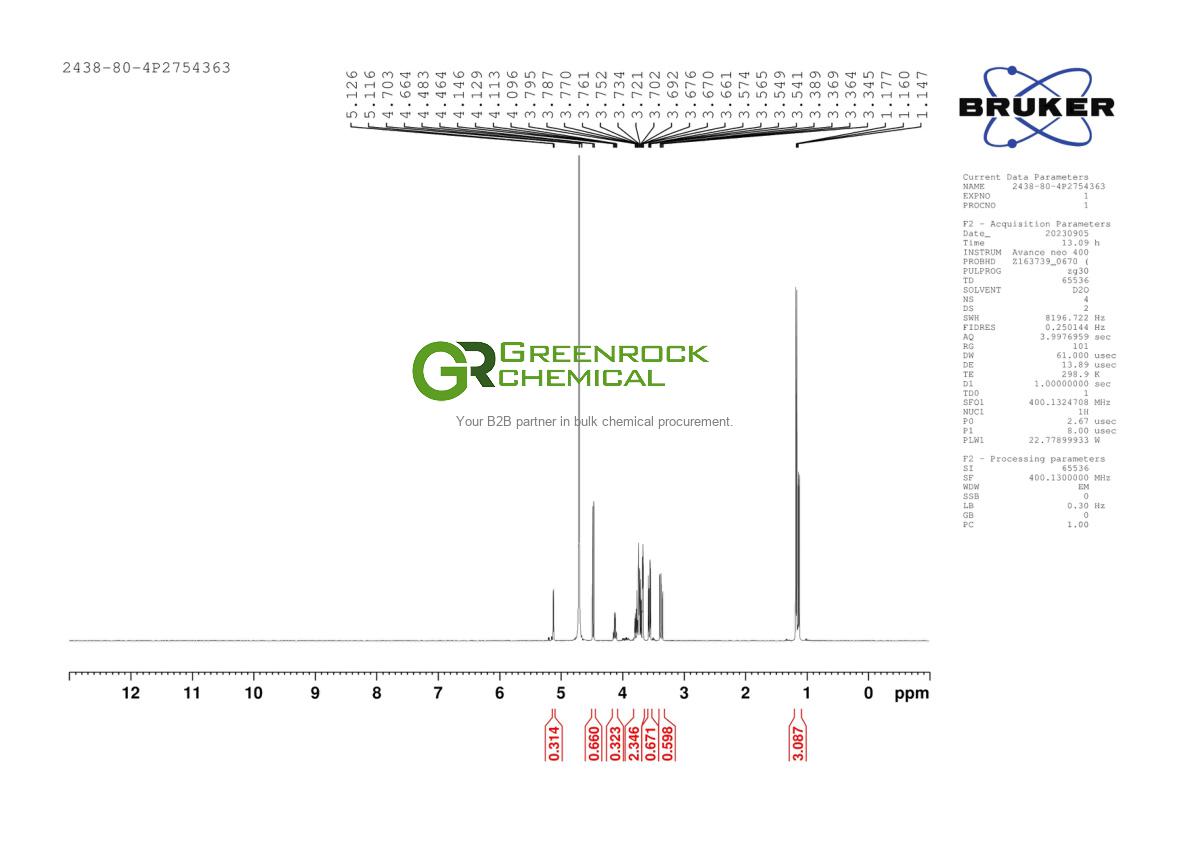
| Proton Nuclear Magnetic Resonance (¹H NMR) | Use NMR technology to analyze chemical shifts and coupling constants of hydrogen atoms in the molecule, verifying the stereochemistry of L-fucose. | |
| Assay | High-Performance Liquid Chromatography (HPLC) | Employ reversed-phase or hydrophilic interaction chromatography columns combined with refractive index detection (RID) or evaporative light scattering detection (ELSD) for quantitative analysis of the active ingredient. |
| Gas Chromatography (GC) | Derivatize fucose (e.g., trimethylsilylation), then separate via gas chromatography and quantify using a flame ionization detector (FID). | |
| Specific Optical Rotation | Polarimetry | Measure the optical rotation of the solution at a specified temperature and wavelength (typically sodium D line, 589 nm), then calculate the specific rotation to assess optical purity and configuration. |
| Loss on Drying | Thermogravimetric Analysis (TGA) or Constant Weight Drying Method | Dry the sample at a specified temperature (e.g., 105°C) until constant weight is achieved; measure mass loss to evaluate moisture and volatile impurity content. |
| Sulfated Ash (Residue on Ignition) | High-Temperature Incineration | Ignite the sample at high temperature (typically 600–800°C), then weigh the residual inorganic matter to indicate levels of inorganic impurities. |
| Heavy Metals | Atomic Absorption Spectroscopy (AAS) or ICP-MS | Determine residual levels of heavy metal elements such as lead, arsenic, cadmium, and mercury using atomic absorption spectroscopy or inductively coupled plasma mass spectrometry (ICP-MS). |
| Microbial Limits | Microbiological Culture Methods | Perform tests according to pharmacopoeial methods (e.g., Chinese Pharmacopoeia, USP) for total aerobic microbial count, total mold/yeast count, and specified microorganisms (e.g., *Escherichia coli*). |
| pH Value | pH Meter Method | Prepare an aqueous solution of defined concentration and measure its acidity or alkalinity using a calibrated pH meter to detect acidic or basic impurities. |
| Related Substances (Impurities) | HPLC-ELSD or HPLC-RID | Use high-performance liquid chromatography to separate and detect potential sugar-related impurities (e.g., glucose, galactose) and other organic impurities. |
| Water Content | Karl Fischer Titration | Utilize a highly specific titration reaction to determine water content in the sample; suitable for accurate measurement of trace moisture. |
Technical Specifications of L-Fucose
| Test Item | Specification |
|---|---|
| Appearance | White crystalline solid |
| Purity | >=98.0% |
| Water Content (KF) | <=0.5% |
| Melting Point | 138-142°C |
| Optical Rotation | -72 to -77 deg (c=1, H2O) |
| Total Impurities | <=2.0% |
| Single Impurity | <=0.5% |
| Residue on Ignition | <=0.1% |
| Heavy Metals | <=10 ppm |
 Specifications vary by industry. Reach out to our technical experts for a COA tailored specifically to your application. Email:selse@GRchemical.com
|
|
Download COA of L-Fucose
| CAS/Product ID | *Required fields | |
| Lot/Batch Number | *Required fields | |
NMR Spectra of L-Fucose

Packaging of L-Fucose
Industrial L-Fucose Procurement FAQ
1. How do you ensure product quality consistency?
We rely on a mature China-based manufacturing system and implement strict batch control and quality inspection for every shipment. Our production process complies with ISO 9001 standards, and a COA is provided for each batch to ensure consistent and reliable quality.
2. Do you offer competitive pricing for bulk orders?
Yes, as a China-based manufacturer and bulk supplier, we provide tiered pricing based on order volume. We support FOB and CIF quotations, as well as L/C payment terms for large transactions to meet international trade requirements.
3. Can you support large-volume or long-term supply?
We have stable production capacity and a well-established supply chain, enabling continuous bulk supply. We support ton-level and container-level orders, as well as long-term cooperation projects.
4. What is your typical lead time?
For in-stock products, shipment can be arranged within 1–3 days. For bulk packaging or customized orders, lead time depends on the specific quantity and production schedule.
5. What documents do you provide?
We can provide complete documentation upon request, including COA, SDS, TDS, and other compliance certificates, meeting industrial procurement and export requirements.
6. Can you customize product specifications or packaging?
Yes, we support customization of parameters such as purity, impurities, residual solvents, and heavy metals. We also offer various bulk packaging options, including 25kg bags, drums, and IBC tanks, suitable for industrial applications and transportation.
7. What shipping options do you support?
We support both FCL (Full Container Load) and LCL (Less than Container Load) shipments, and can flexibly arrange logistics solutions based on order size to meet bulk chemical export needs.
8. Do you provide technical or application support?
Yes, we provide basic application guidance and technical support based on industry experience to help customers optimize product usage.
9. How do you handle compliance and export regulations?
We are familiar with international trade and export regulations, ensuring all products comply with relevant requirements. We also provide complete documentation to support smooth customs clearance and global delivery.
Use Bulk
Supply Factory
Direct ISO 9001
Certified Samples
Available Stable
Supply