Chondroitin 4-sulfate Bulk Supply for Industrial Use
China Factory Direct
 |
|
| CAS number | 24967-93-9 |
| Product name | Chondroitin 4-sulfate |
| Stock | Stock readily available; annual supply capacity exceeding 1,000 tons. |
| Grade | Pharmaceutical GradeFood GradeCosmetic Grade |
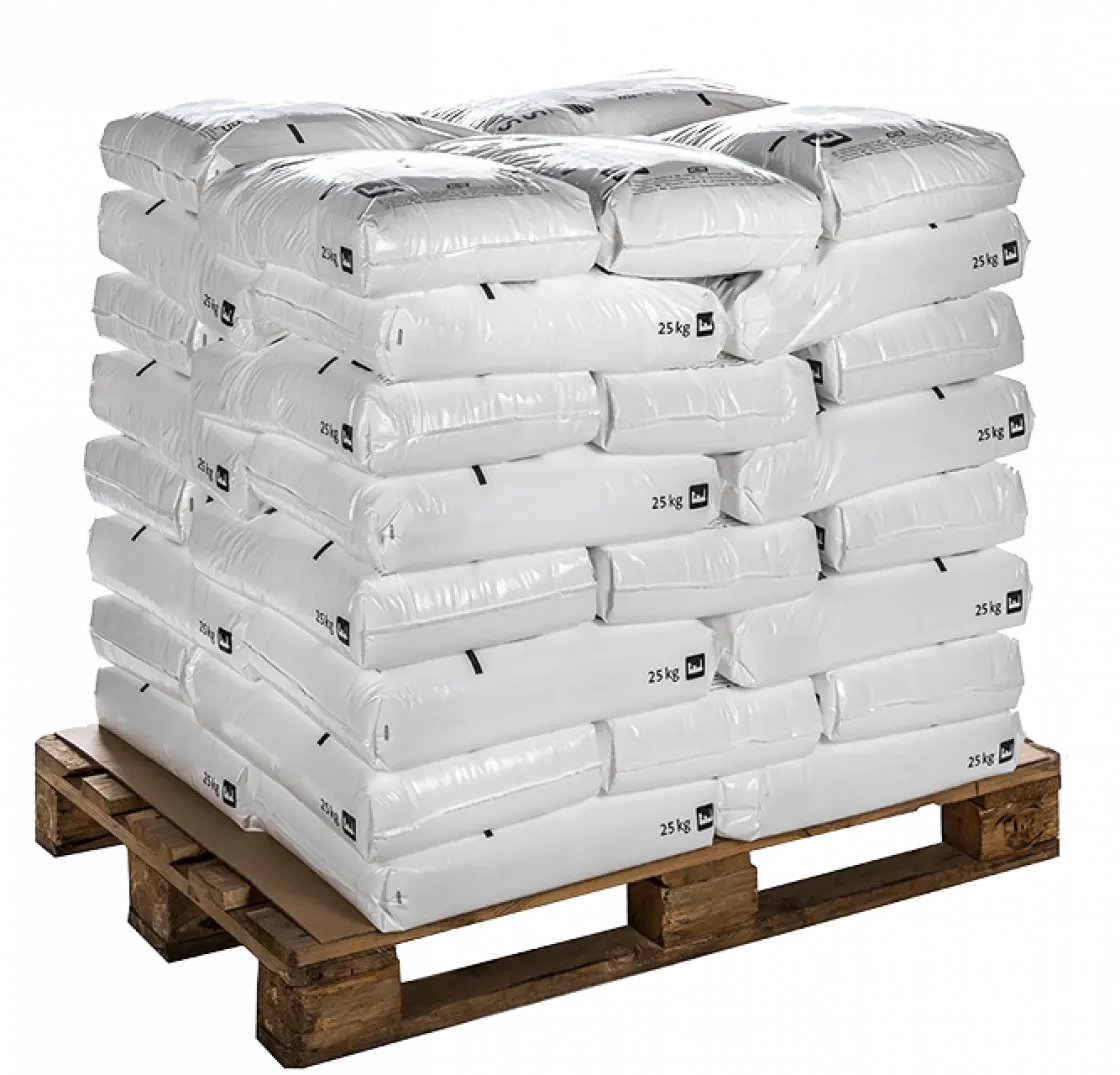
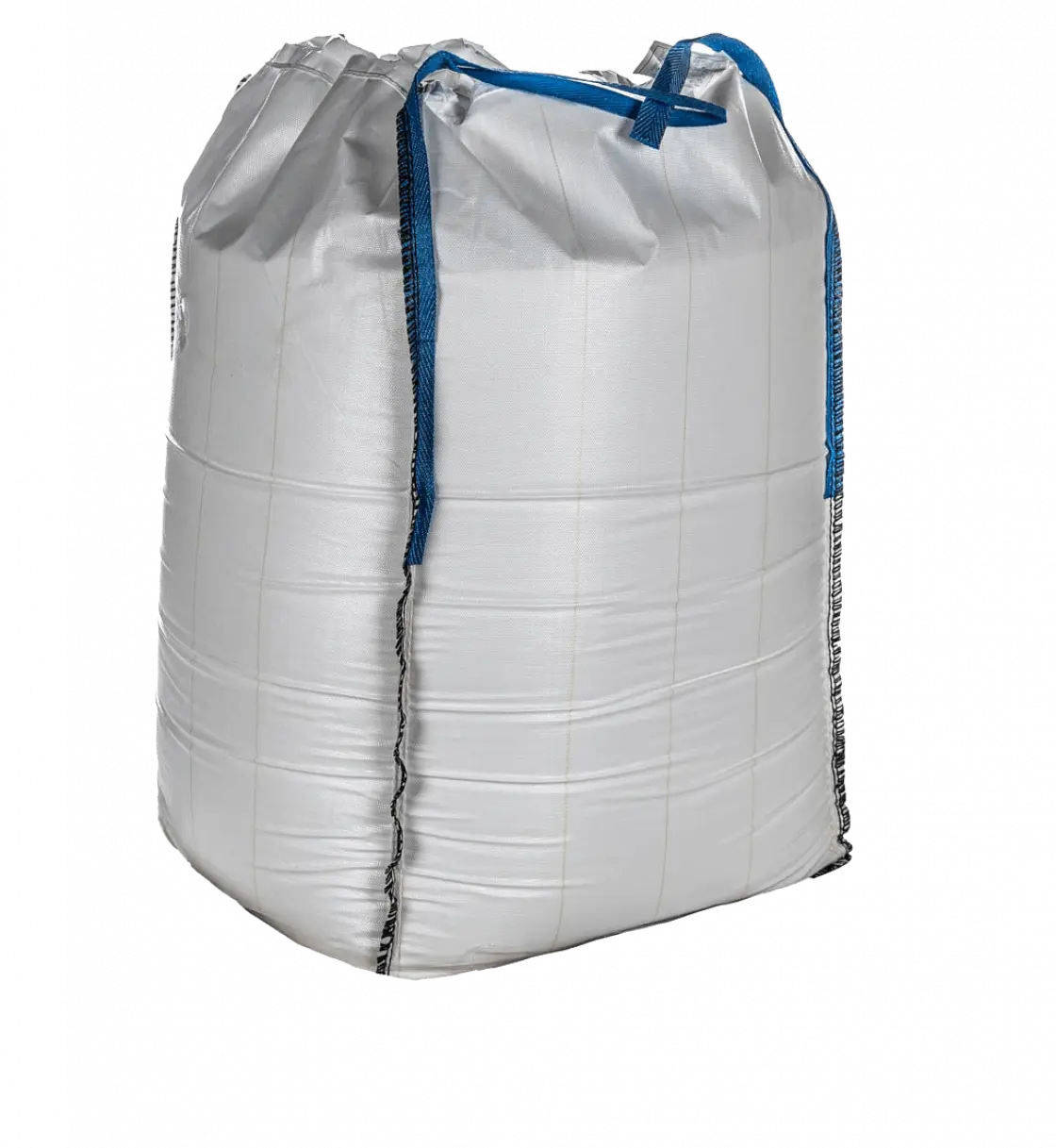
| Packaging | 25KG/bag500KG/bag1000KG/bag |
| Sample | Test Samples Available (Click to Request Samples) |
| COA | View COA |
| Price | Get Quote |
| Supply Type | Bulk / Contract manufacturing / OEM |
| Shipping | FCL / LCL available |
| Payment Terms | Support FOB \ CIF \ EXW quotations, and accept Letter of Credit (L/C). |
| Manufacturer | Greenrock Chemical(China Factory) |






QUOTE TYPE
PACKAGING TYPE
TOTAL QUANTITY(KG)
PREFERRED SHIPPING METHOD
YOUR COMPANY
YOUR E-MAIL
Calculate Summary
Based on current marketvolatility and material availability.
Documents We Provide for Chondroitin 4-sulfate
Post-sale: Full documentation is provided.
To request documents, please contact us via email at sales@GRchemical.com.

Bulk Chondroitin 4-sulfate Supplier from China
17+ years in chemical exports.Fully compliant, reliable supply.Your B2B partner in bulk chemical procurement.
Industrial Applications of Chondroitin 4-sulfate
| Industry | Application | Process |
|---|---|---|
| Pharmaceuticals | Dietary supplement for osteoarthritis and joint pain; promotes cartilage repair | Extracted from animal cartilage (e.g., bovine, shark), followed by purification and sulfation |
| Dietary Supplements | Joint health ingredient to improve joint flexibility and lubrication | Formulated with other ingredients (e.g., glucosamine) into capsules or tablets |
| Cosmetics | Anti-aging ingredient to enhance skin hydration and elasticity | Formulated with other active ingredients (e.g., hyaluronic acid) into serums or creams |
| Food Additives | Functional food additive for supporting joint health | Incorporated as a nutritional fortificant into beverages and dairy products |
| Veterinary Medicine | Treatment and prevention of joint disorders in pets (e.g., dogs, cats) | Processed similarly to pharmaceutical applications, with dosage adjustments for pet-specific formulations |
| Biomaterials | Scaffold material for cartilage regeneration in tissue engineering | Combined with polymeric materials (e.g., collagen) to fabricate biomimetic scaffolds |
Manufacturing Quality Control of Chondroitin 4-sulfate
| Detection Item | Common Analytical Method | Method Overview |
|---|---|---|
| Assay (Purity) | HPLC-UV | Quantifies chondroitin sulfate content using reversed-phase HPLC with UV detection at 200-210 nm based on peak area comparison to reference standard. |
| Identification | FTIR Spectroscopy | Confirms molecular structure by matching characteristic absorption bands (e.g., sulfate ester, amide, glycosidic bonds) to reference spectrum. |
| Molecular Weight Distribution | Size Exclusion Chromatography (SEC) | Determines weight-average and number-average molecular weights and polydispersity by separation according to hydrodynamic volume in aqueous buffer. |
| Sulfate Content | Ion Chromatography (IC) or Barium Chloride Turbidimetry | Measures sulfate ion concentration after acid hydrolysis; IC separates and quantifies SO4(2-) anions, while turbidimetry measures BaSO4 precipitate formation. |
| Protein Impurity | Lowry or BCA Assay | Quantifies residual protein via colorimetric reaction of peptide bonds with copper ions and Folin-Ciocalteu reagent. |
| Heavy Metals | ICP-OES | Simultaneously quantifies trace metals (e.g., Pb, Cd, As, Hg) after acid digestion by measuring element-specific atomic emission intensities. |
| Residual Solvents | Gas Chromatography (GC-FID) | Detects and quantifies volatile organic solvents (e.g., ethanol, acetone) using flame ionization detection after headspace or direct injection. |
| Loss on Drying (LOD) | Gravimetric Thermogravimetry | Determines moisture and volatile content by measuring mass loss after heating at 105 C under controlled conditions. |
| pH (1% w/v solution) | Potentiometric Titration | Measures hydrogen ion activity in aqueous solution using calibrated pH electrode. |
| Viscosity (Intrinsic) | Capillary Viscometry | Determines intrinsic viscosity in 0.1 M NaCl solution at 25 C by measuring flow time relative to solvent, reflecting polymer chain length and conformation. |
| Microbial Limits | Membrane Filtration + Plate Count | Quantifies aerobic mesophilic bacteria and yeasts/molds by filtration, membrane transfer to selective agar, and colony enumeration after incubation. |
| Endotoxin Level | Kinetic Turbidimetric LAL Assay | Detects bacterial endotoxins via enzymatic cascade in Limulus amebocyte lysate that generates measurable turbidity proportional to endotoxin concentration. |
Technical Specifications of Chondroitin 4-sulfate
| Test Item | Specification |
|---|---|
| Appearance | White to off-white powder |
| Purity | >=98.5% |
| Water Content (KF) | <=0.5% |
| Total Impurities | <=1.5% |
| Single Impurity | <=0.5% |
| Heavy Metals | <=20 ppm |
| Residue on Ignition | <=0.5% |
| Optical Rotation | -25° to -35° (c=1, H2O) |
 Specifications vary by industry. Reach out to our technical experts for a COA tailored specifically to your application. Email:selse@GRchemical.com
|
|
Download COA of Chondroitin 4-sulfate
| CAS/Product ID | *Required fields | |
| Lot/Batch Number | *Required fields | |
Packaging of Chondroitin 4-sulfate
Industrial Chondroitin 4-sulfate Procurement FAQ
1. How do you ensure product quality consistency?
We rely on a mature China-based manufacturing system and implement strict batch control and quality inspection for every shipment. Our production process complies with ISO 9001 standards, and a COA is provided for each batch to ensure consistent and reliable quality.
2. Do you offer competitive pricing for bulk orders?
Yes, as a China-based manufacturer and bulk supplier, we provide tiered pricing based on order volume. We support FOB and CIF quotations, as well as L/C payment terms for large transactions to meet international trade requirements.
3. Can you support large-volume or long-term supply?
We have stable production capacity and a well-established supply chain, enabling continuous bulk supply. We support ton-level and container-level orders, as well as long-term cooperation projects.
4. What is your typical lead time?
For in-stock products, shipment can be arranged within 1–3 days. For bulk packaging or customized orders, lead time depends on the specific quantity and production schedule.
5. What documents do you provide?
We can provide complete documentation upon request, including COA, SDS, TDS, and other compliance certificates, meeting industrial procurement and export requirements.
6. Can you customize product specifications or packaging?
Yes, we support customization of parameters such as purity, impurities, residual solvents, and heavy metals. We also offer various bulk packaging options, including 25kg bags, drums, and IBC tanks, suitable for industrial applications and transportation.
7. What shipping options do you support?
We support both FCL (Full Container Load) and LCL (Less than Container Load) shipments, and can flexibly arrange logistics solutions based on order size to meet bulk chemical export needs.
8. Do you provide technical or application support?
Yes, we provide basic application guidance and technical support based on industry experience to help customers optimize product usage.
9. How do you handle compliance and export regulations?
We are familiar with international trade and export regulations, ensuring all products comply with relevant requirements. We also provide complete documentation to support smooth customs clearance and global delivery.
Use Bulk
Supply Factory
Direct ISO 9001
Certified Samples
Available Stable
Supply