Polyacrylonitrile Bulk Supply for Industrial Use
China Factory Direct
 |
|
| CAS number | 25014-41-9 |
| Product name | Polyacrylonitrile |
| Stock | Stock readily available; annual supply capacity exceeding 1,000 tons. |
| Grade | Industrial Grade |
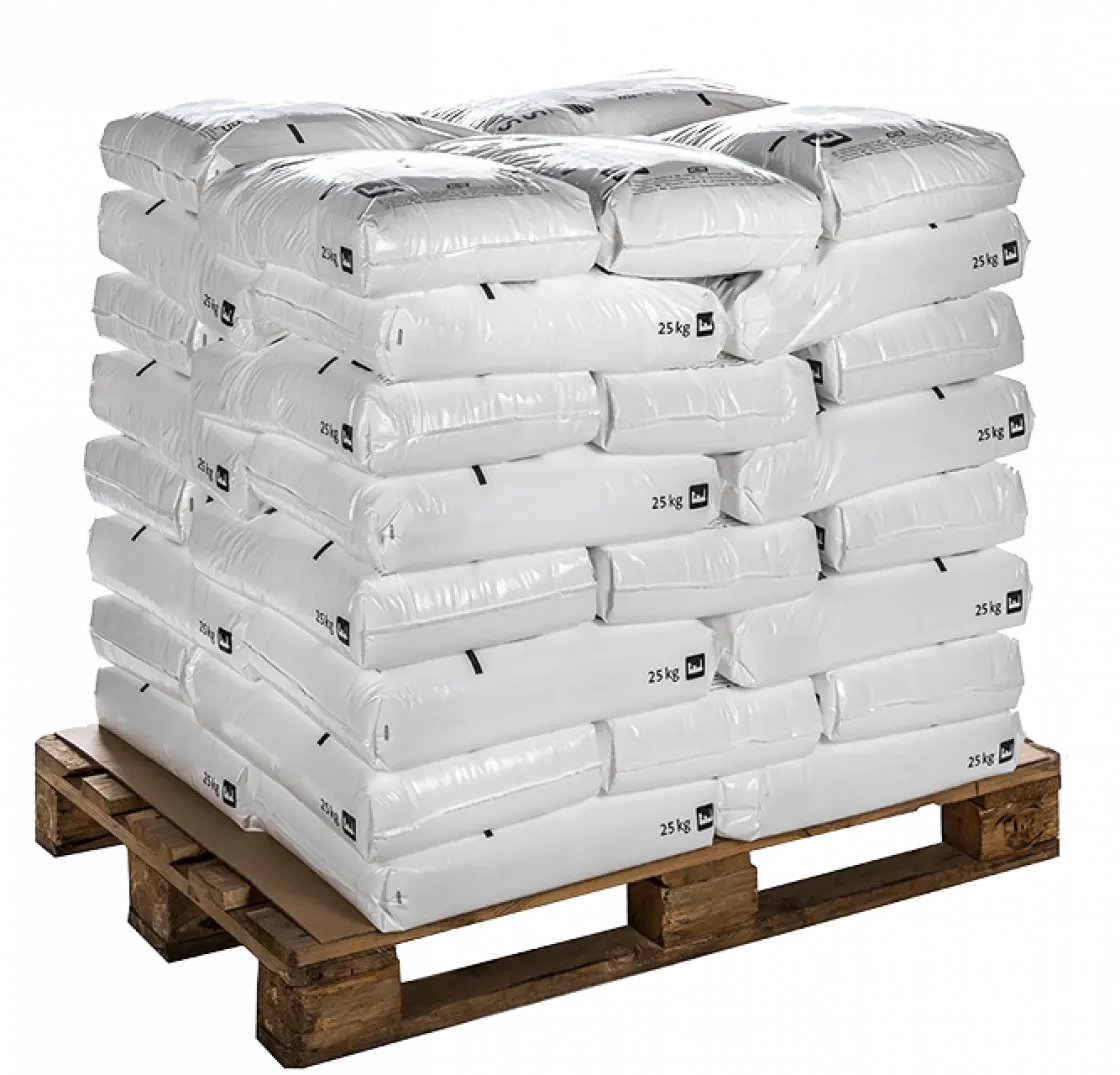
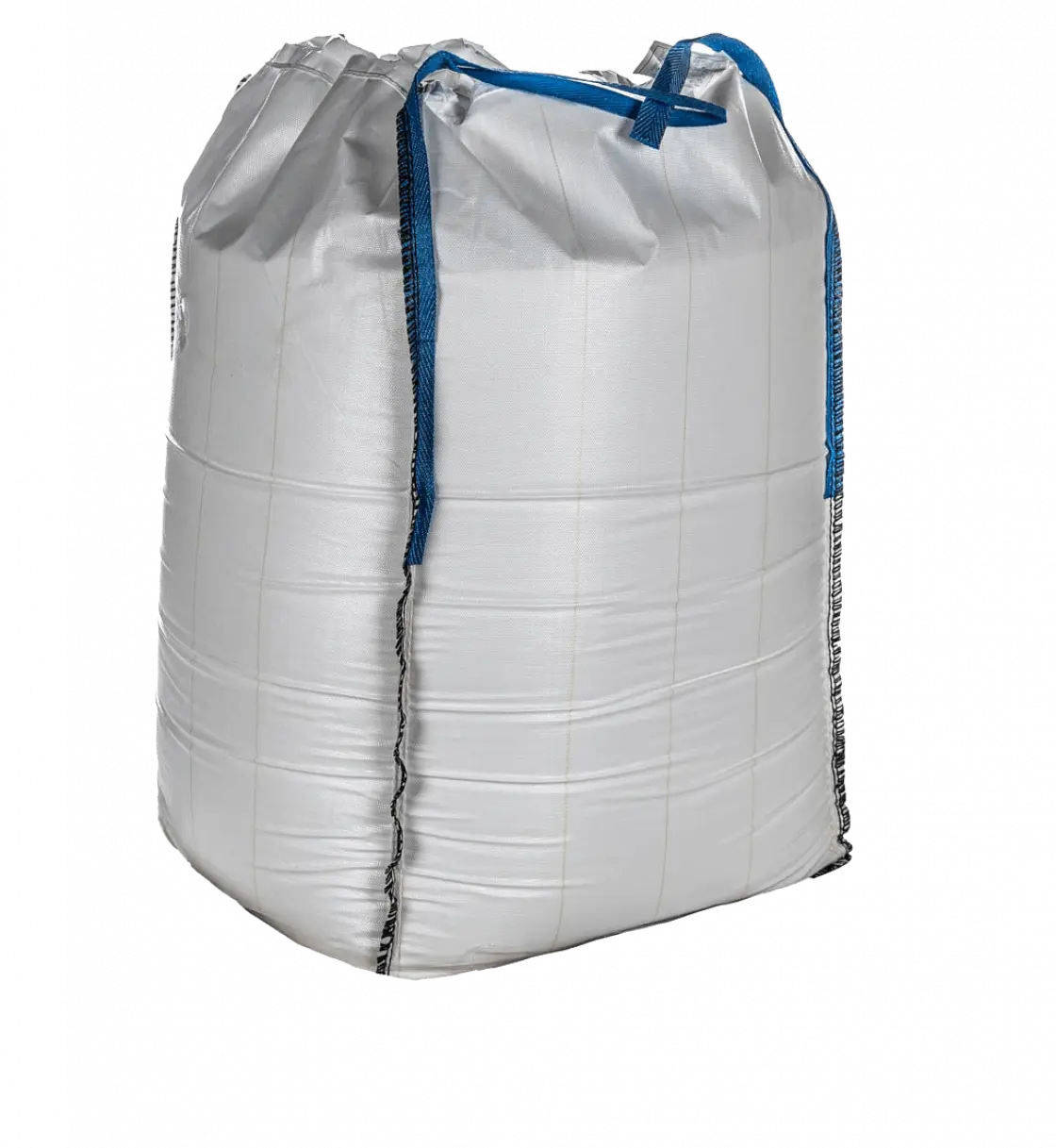
| Packaging | 25KG/bag500KG/bag1000KG/bag |
| Sample | Test Samples Available (Click to Request Samples) |
| COA | View COA |
| Price | Get Quote |
| Supply Type | Bulk / Contract manufacturing / OEM |
| Shipping | FCL / LCL available |
| Payment Terms | Support FOB \ CIF \ EXW quotations, and accept Letter of Credit (L/C). |
| Manufacturer | Greenrock Chemical(China Factory) |






QUOTE TYPE
PACKAGING TYPE
TOTAL QUANTITY(KG)
PREFERRED SHIPPING METHOD
YOUR COMPANY
YOUR E-MAIL
Calculate Summary
Based on current marketvolatility and material availability.
Documents We Provide for Polyacrylonitrile
Post-sale: Full documentation is provided.
To request documents, please contact us via email at sales@GRchemical.com.
Bulk Polyacrylonitrile Supplier from China
17+ years in chemical exports.Fully compliant, reliable supply.Your B2B partner in bulk chemical procurement.
Industrial Applications of Polyacrylonitrile
| Industry | Application | Process |
|---|---|---|
| Textile Fibers | Fibers for apparel (e.g., wool substitutes, synthetic fur, sportswear) | Melt spinning or solution spinning of polyacrylonitrile resin to produce staple fibers or filaments |
| Textile Fibers | Precursor for carbon fiber | Pre-oxidation, carbonization, and graphitization of polyacrylonitrile precursor fibers |
| Construction | Concrete reinforcement fiber | Incorporation of polyacrylonitrile staple fibers into concrete mix to mitigate cracking and enhance impermeability |
| Filtration & Environmental Protection | Water treatment filtration media (liquid filtration) | Needle-punching or melt-blowing to produce felt or hollow-fiber membranes |
| Filtration & Environmental Protection | Air filtration (high-temperature flue gas dedusting) | Fabrication into filter bags for industrial flue gas dedusting |
| Cation Exchange | Ion exchange resin | Hydrolysis and amination of polyacrylonitrile to introduce functional groups, yielding chelating or ion exchange resins |
| Plastics Processing | Reinforced modified material | Blending with resins such as polyvinyl chloride (PVC), followed by extrusion or injection molding to improve product performance |
| Medical & Healthcare | Medical dressings | Solution spinning into nonwovens, leveraging high absorbency and softness |
| Chemical Industry | Encapsulation material for semiconductors/electronic components | Copolymer modification to produce engineering plastic for precision component encapsulation |
| Aerospace | Structural composite material | Carbonized polyacrylonitrile-based carbon fibers used as reinforcement in resin matrix composites |
Manufacturing Quality Control of Polyacrylonitrile
| Test Item | Common Testing Methods | Method Overview |
|---|---|---|
| Appearance and Color | Visual Inspection, Colorimeter Method | Observe sample color and appearance state by eye or using a colorimeter to assess uniformity, presence of impurities, yellowing, etc. |
| Average Molecular Weight | Gel Permeation Chromatography (GPC) | Separate components of different molecular weights using a gel chromatography column; calculate weight-average (Mw) and number-average (Mn) molecular weights via a standard calibration curve. |
| Molecular Weight Distribution | Gel Permeation Chromatography (GPC) | GPC provides the molecular weight distribution width (Đ = Mw/Mn), reflecting the uniformity of the polymer. |
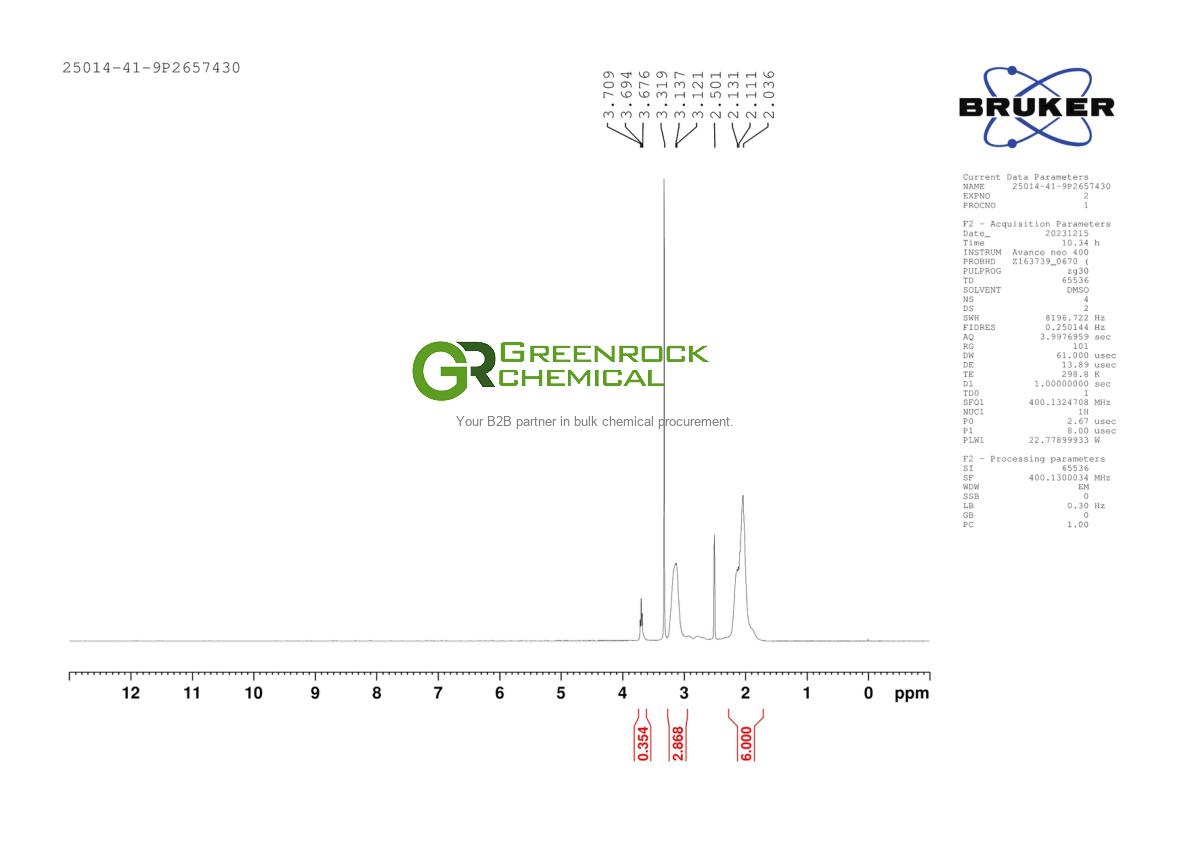
| Chemical Composition (Acrylonitrile Content) | Proton Nuclear Magnetic Resonance (¹H-NMR) | Quantitatively determine the ratio of acrylonitrile units to other comonomers by analyzing characteristic peak area ratios. |
| Crystallinity | X-ray Diffraction (XRD) | Measure diffraction peak intensities at specific angles to calculate the proportion of crystalline to amorphous regions, evaluating structural order. |
| Thermal Properties (Glass Transition Temperature, Tg) | Differential Scanning Calorimetry (DSC) | Measure heat flow under programmed temperature control to identify the glass transition temperature, indicating processing and service temperature ranges. |
| Thermal Stability | Thermogravimetric Analysis (TGA) | Record mass loss during heating to evaluate onset of decomposition and char yield, assessing thermal stability and pre-oxidation behavior. |
| Moisture Content | Karl Fischer Titration | Use a specific chemical reaction to measure trace moisture content; suitable for powdered or granular PAN resin. |
| Volatile Content | Thermogravimetric Method (Oven Method) | Heat the sample at a specified temperature for a defined period and measure the mass loss, indicating residual solvent or low-molecular-weight volatiles. |
| Residual Monomer Content | Gas Chromatography (GC) | Extract unreacted acrylonitrile monomer from the sample and quantify using gas chromatography to ensure product safety. |
| Fiber Mechanical Properties (if applicable) | Tensile Testing with Electronic Universal Tester | Perform tensile tests on PAN precursor fibers to measure breaking strength, elongation at break, and initial modulus for fiber quality evaluation. |
| Particle Size Distribution (for powdered PAN) | Laser Diffraction Particle Size Analysis | Use laser scattering principles to determine particle size distribution, which affects solubility and subsequent processing performance. |
Technical Specifications of Polyacrylonitrile
| Test Item | Specification |
|---|---|
| Appearance | White solid |
| Purity | >=98.5% |
| Water Content (KF) | <=0.5% |
| Total Impurities | <=1.5% |
| Single Impurity | <=0.3% |
| Residue on Ignition | <=0.1% |
| Odor | Characteristic, non-irritating |
| Solubility | Insoluble in water; soluble in DMF and NMP |
 Specifications vary by industry. Reach out to our technical experts for a COA tailored specifically to your application. Email:selse@GRchemical.com
|
|
Download COA of Polyacrylonitrile
| CAS/Product ID | *Required fields | |
| Lot/Batch Number | *Required fields | |
NMR Spectra of Polyacrylonitrile



Packaging of Polyacrylonitrile
Industrial Polyacrylonitrile Procurement FAQ
1. How do you ensure product quality consistency?
We rely on a mature China-based manufacturing system and implement strict batch control and quality inspection for every shipment. Our production process complies with ISO 9001 standards, and a COA is provided for each batch to ensure consistent and reliable quality.
2. Do you offer competitive pricing for bulk orders?
Yes, as a China-based manufacturer and bulk supplier, we provide tiered pricing based on order volume. We support FOB and CIF quotations, as well as L/C payment terms for large transactions to meet international trade requirements.
3. Can you support large-volume or long-term supply?
We have stable production capacity and a well-established supply chain, enabling continuous bulk supply. We support ton-level and container-level orders, as well as long-term cooperation projects.
4. What is your typical lead time?
For in-stock products, shipment can be arranged within 1–3 days. For bulk packaging or customized orders, lead time depends on the specific quantity and production schedule.
5. What documents do you provide?
We can provide complete documentation upon request, including COA, SDS, TDS, and other compliance certificates, meeting industrial procurement and export requirements.
6. Can you customize product specifications or packaging?
Yes, we support customization of parameters such as purity, impurities, residual solvents, and heavy metals. We also offer various bulk packaging options, including 25kg bags, drums, and IBC tanks, suitable for industrial applications and transportation.
7. What shipping options do you support?
We support both FCL (Full Container Load) and LCL (Less than Container Load) shipments, and can flexibly arrange logistics solutions based on order size to meet bulk chemical export needs.
8. Do you provide technical or application support?
Yes, we provide basic application guidance and technical support based on industry experience to help customers optimize product usage.
9. How do you handle compliance and export regulations?
We are familiar with international trade and export regulations, ensuring all products comply with relevant requirements. We also provide complete documentation to support smooth customs clearance and global delivery.
Use Bulk
Supply Factory
Direct ISO 9001
Certified Samples
Available Stable
Supply