POLYANILINE Bulk Supply for Industrial Use
China Factory Direct
 |
|
| CAS number | 25233-30-1 |
| Product name | POLYANILINE |
| Stock | Stock readily available; annual supply capacity exceeding 1,000 tons. |
| Grade | Industrial GradeMaterial GradeElectronic Grade |
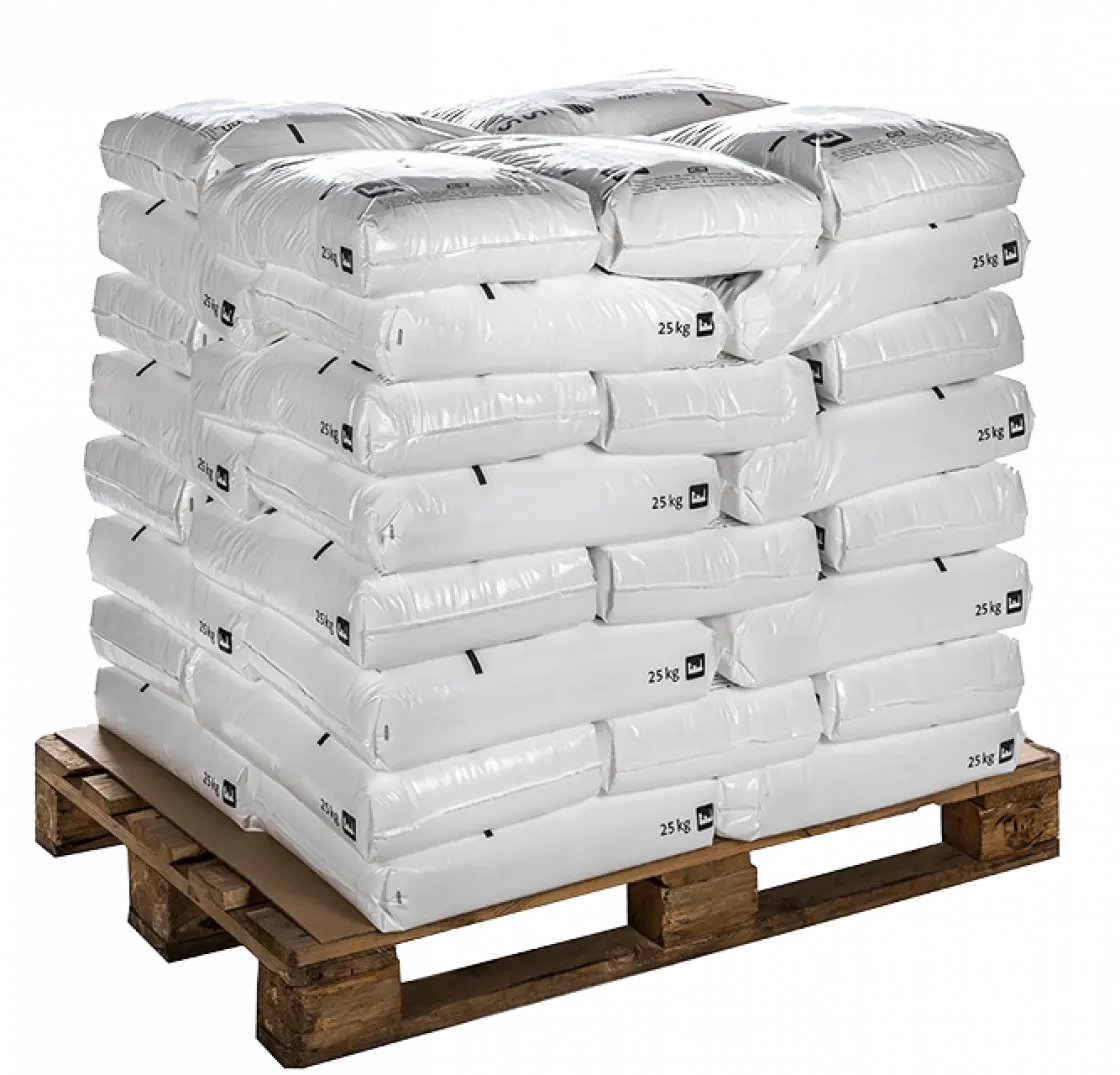
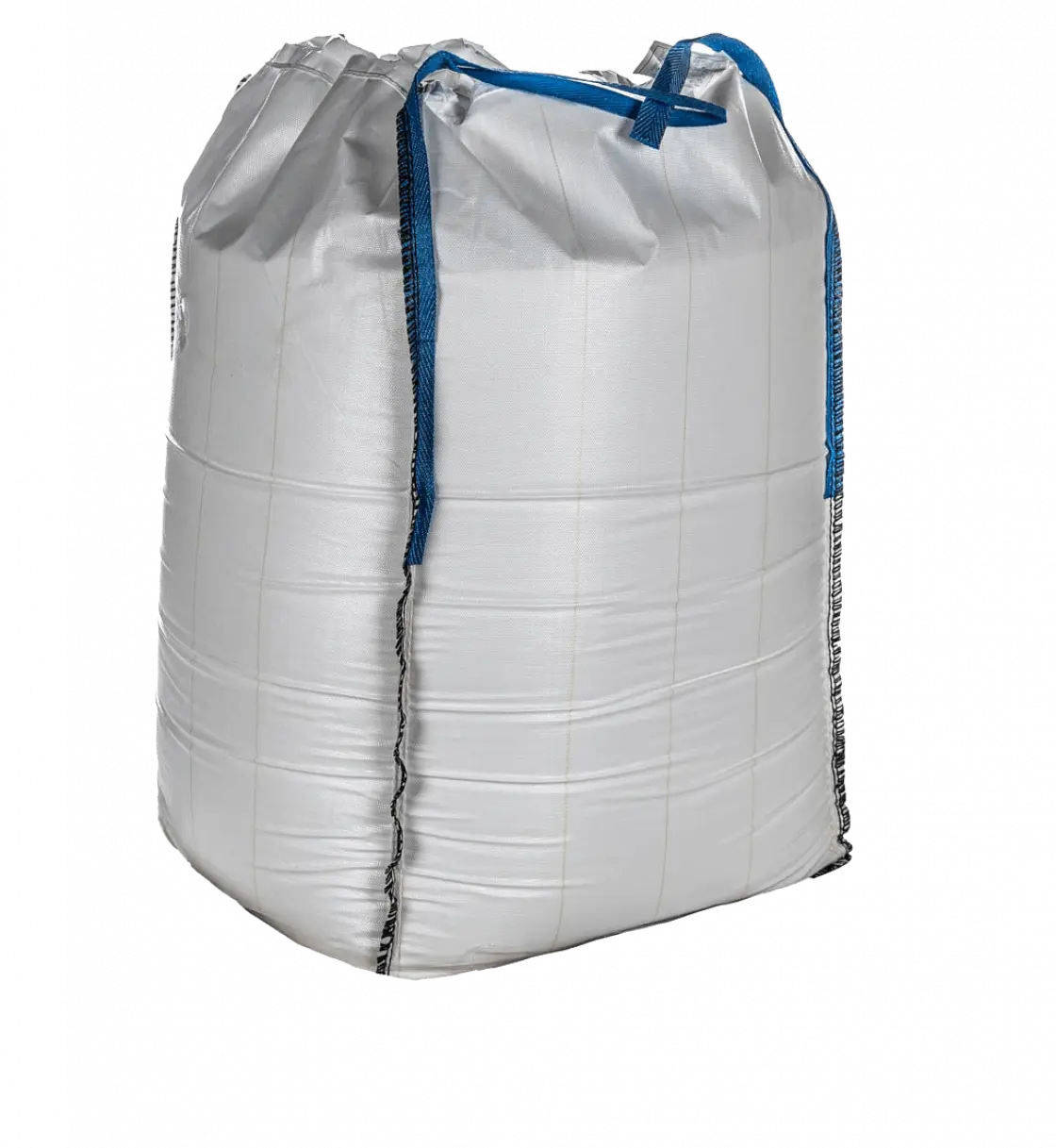
| Packaging | 25KG/bag500KG/bag1000KG/bag |
| Sample | Test Samples Available (Click to Request Samples) |
| COA | View COA |
| Price | Get Quote |
| Supply Type | Bulk / Contract manufacturing / OEM |
| Shipping | FCL / LCL available |
| Payment Terms | Support FOB \ CIF \ EXW quotations, and accept Letter of Credit (L/C). |
| Manufacturer | Greenrock Chemical(China Factory) |






QUOTE TYPE
PACKAGING TYPE
TOTAL QUANTITY(KG)
PREFERRED SHIPPING METHOD
YOUR COMPANY
YOUR E-MAIL
Calculate Summary
Based on current marketvolatility and material availability.
Documents We Provide for POLYANILINE
Post-sale: Full documentation is provided.
To request documents, please contact us via email at sales@GRchemical.com.

Bulk POLYANILINE Supplier from China
17+ years in chemical exports.Fully compliant, reliable supply.Your B2B partner in bulk chemical procurement.
Industrial Applications of POLYANILINE
| Industry | Application | Process |
|---|---|---|
| Electronics Industry | Conductive Material | Chemical or electrochemical polymerization of aniline monomer to produce conductive polyaniline thin films. |
| Coatings & Protection | Corrosion-Resistant Coating | Applied as a coating on metal surfaces, leveraging its reversible redox behavior across pH ranges to inhibit corrosion. |
| Battery Industry | Electrode Material | Used as cathode or anode material in secondary batteries to enhance capacity and cycling stability. |
| Sensor Manufacturing | Gas Sensor | Employed in gas-sensing elements due to its sensitivity to specific gases (e.g., ammonia). |
| Environmental Remediation | Adsorbent | Applied for removal of heavy metal ions and other contaminants from water via combined physical adsorption and chemical interaction. |
| Energy Storage | Electrode Material for Supercapacitors | Utilized as a high-specific-surface-area, highly conductive electrode material in supercapacitors. |
Manufacturing Quality Control of POLYANILINE
| Test Item | Common Testing Methods | Method Overview |
|---|---|---|
| Chemical Structure | Fourier Transform Infrared Spectroscopy (FTIR) | Confirms the molecular structure and doping state of polyaniline by analyzing characteristic absorption peaks (e.g., quinoid/benzenoid structures, N-H stretching vibrations). |
| Raman Spectroscopy | Identifies oxidation states (e.g., fully reduced, semi-oxidized, fully oxidized) and doping levels in polyaniline based on Raman scattering signals. | |
| Molecular Weight and Distribution | Gel Permeation Chromatography (GPC) | Determines number-average molecular weight (Mn), weight-average molecular weight (Mw), and polydispersity index (PDI) to evaluate polymerization degree and uniformity. Note: Strongly acidic or polar solvents (e.g., NMP with LiCl) are required to dissolve the sample. |
| Thermal Stability | Thermogravimetric Analysis (TGA) | Measures mass loss under programmed temperature increase to assess thermal decomposition temperature and thermal stability. Typically performed under nitrogen atmosphere. |
| Differential Scanning Calorimetry (DSC) | Analyzes phase transition temperatures, glass transition temperature (Tg), and reaction enthalpies to assist in evaluating material purity and structural characteristics. | |
| Surface Morphology | Scanning Electron Microscopy (SEM) | Observes microstructural features of polyaniline (e.g., nanofibers, particle morphology) to evaluate the impact of synthesis methods on morphology. |
| Transmission Electron Microscopy (TEM) | Provides high-resolution internal structural information, suitable for morphological and particle size analysis of nanoscale polyaniline materials. | |
| Crystallinity | X-ray Diffraction (XRD) | Analyzes the degree of crystallinity and crystal structure. Polyaniline is typically amorphous, but structural order can be inferred from peak positions. |
| Electrical Conductivity | Four-point Probe or Two-point Probe Method | Measures electrical conductivity of films or pressed pellets to evaluate doping level and conductive performance—key indicators for conductive polyaniline. |
| Oxidation-Reduction State | Ultraviolet-Visible-Near Infrared Spectroscopy (UV-Vis-NIR) | Determines doping state and electronic structure through characteristic absorption bands (e.g., ~330 nm aromatic C=C, ~430 nm polaron band, >800 nm free carrier tail). |
| Elemental Composition and Doping Level | X-ray Photoelectron Spectroscopy (XPS) | Precisely measures the content and chemical states of C, N, O, and dopant elements (e.g., S, Cl), and analyzes nitrogen bonding configurations (–NH–, =NH⁺, –NH₂⁺, etc.). |
| Thermal Conductivity (Optional) | Laser Flash Analysis (LFA) or Hot Wire Method | Measures thermal conductivity, useful for evaluating the performance of polyaniline composites in thermoelectric applications. |
Technical Specifications of POLYANILINE
| Test Item | Specification |
|---|---|
| Appearance | Black powder |
| Purity | >=98.0% |
| Water Content (KF) | <=0.5% |
| Total Impurities | <=2.0% |
| Single Impurity | <=0.5% |
| Heavy Metals | <=20 ppm |
| Residue on Ignition | <=0.3% |
| Solubility | Insoluble in water; soluble in NMP and concentrated sulfuric acid |
 Specifications vary by industry. Reach out to our technical experts for a COA tailored specifically to your application. Email:selse@GRchemical.com
|
|
Download COA of POLYANILINE
| CAS/Product ID | *Required fields | |
| Lot/Batch Number | *Required fields | |
NMR Spectra of POLYANILINE


Packaging of POLYANILINE
Industrial POLYANILINE Procurement FAQ
1. How do you ensure product quality consistency?
We rely on a mature China-based manufacturing system and implement strict batch control and quality inspection for every shipment. Our production process complies with ISO 9001 standards, and a COA is provided for each batch to ensure consistent and reliable quality.
2. Do you offer competitive pricing for bulk orders?
Yes, as a China-based manufacturer and bulk supplier, we provide tiered pricing based on order volume. We support FOB and CIF quotations, as well as L/C payment terms for large transactions to meet international trade requirements.
3. Can you support large-volume or long-term supply?
We have stable production capacity and a well-established supply chain, enabling continuous bulk supply. We support ton-level and container-level orders, as well as long-term cooperation projects.
4. What is your typical lead time?
For in-stock products, shipment can be arranged within 1–3 days. For bulk packaging or customized orders, lead time depends on the specific quantity and production schedule.
5. What documents do you provide?
We can provide complete documentation upon request, including COA, SDS, TDS, and other compliance certificates, meeting industrial procurement and export requirements.
6. Can you customize product specifications or packaging?
Yes, we support customization of parameters such as purity, impurities, residual solvents, and heavy metals. We also offer various bulk packaging options, including 25kg bags, drums, and IBC tanks, suitable for industrial applications and transportation.
7. What shipping options do you support?
We support both FCL (Full Container Load) and LCL (Less than Container Load) shipments, and can flexibly arrange logistics solutions based on order size to meet bulk chemical export needs.
8. Do you provide technical or application support?
Yes, we provide basic application guidance and technical support based on industry experience to help customers optimize product usage.
9. How do you handle compliance and export regulations?
We are familiar with international trade and export regulations, ensuring all products comply with relevant requirements. We also provide complete documentation to support smooth customs clearance and global delivery.
Use Bulk
Supply Factory
Direct ISO 9001
Certified Samples
Available Stable
Supply