Polyglycerine Bulk Supply for Industrial Use
China Factory Direct
 |
|
| CAS number | 25618-55-7 |
| Product name | Polyglycerine |
| Stock | Stock readily available; annual supply capacity exceeding 1,000 tons. |
| Grade | Agricultural GradePharmaceutical GradeMaterial GradeSpecialty GradeIndustrial GradeCosmetic GradeFood Grade |
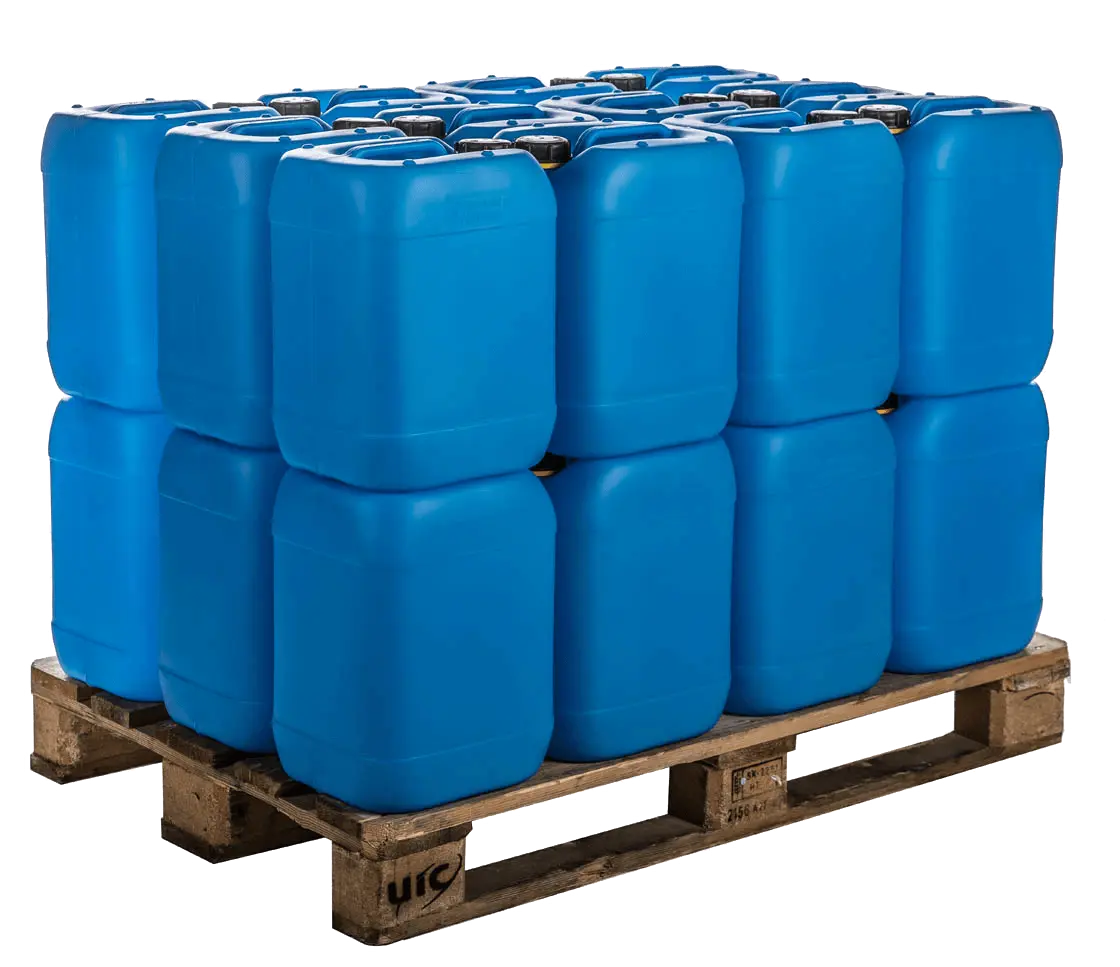
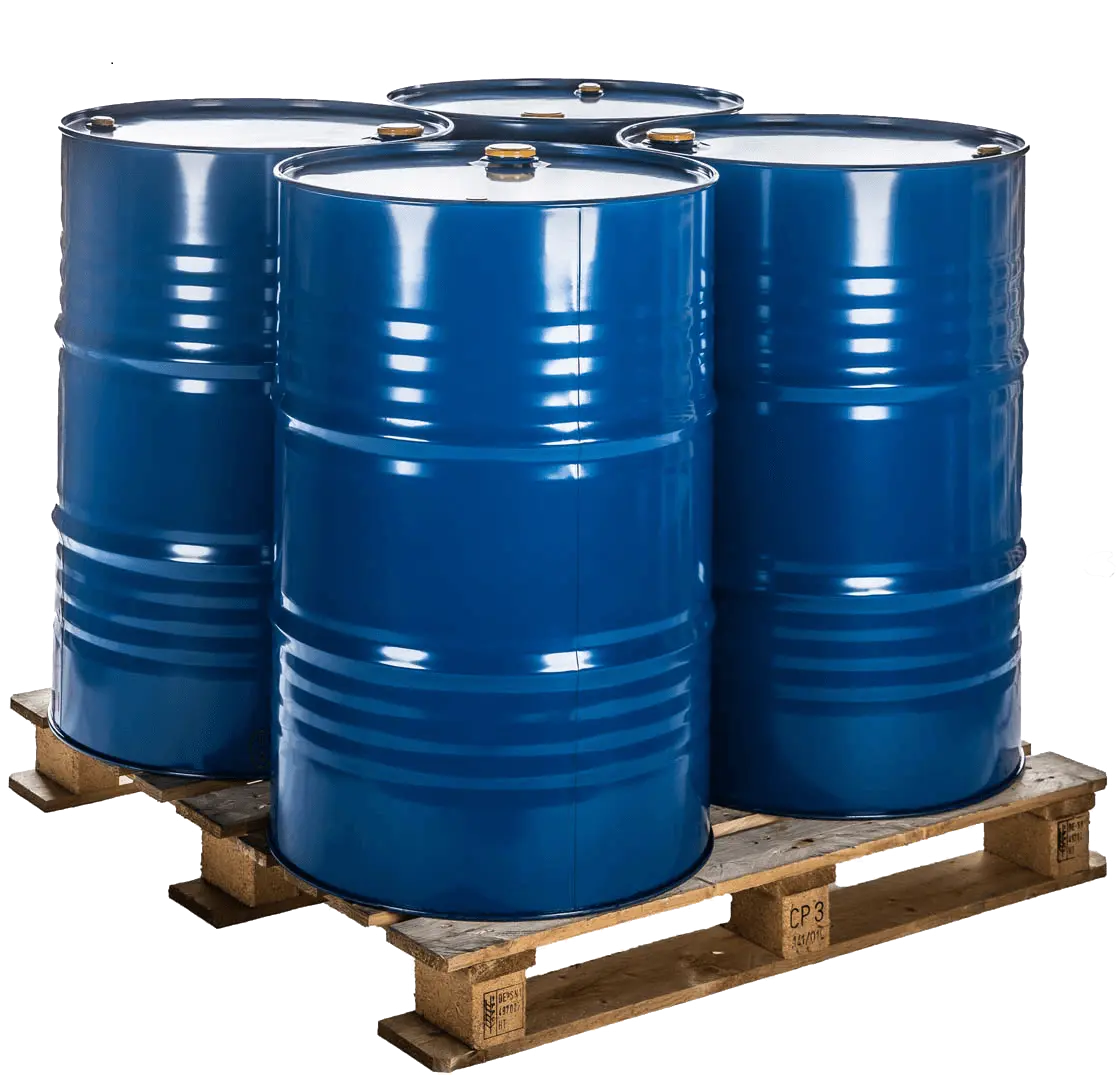
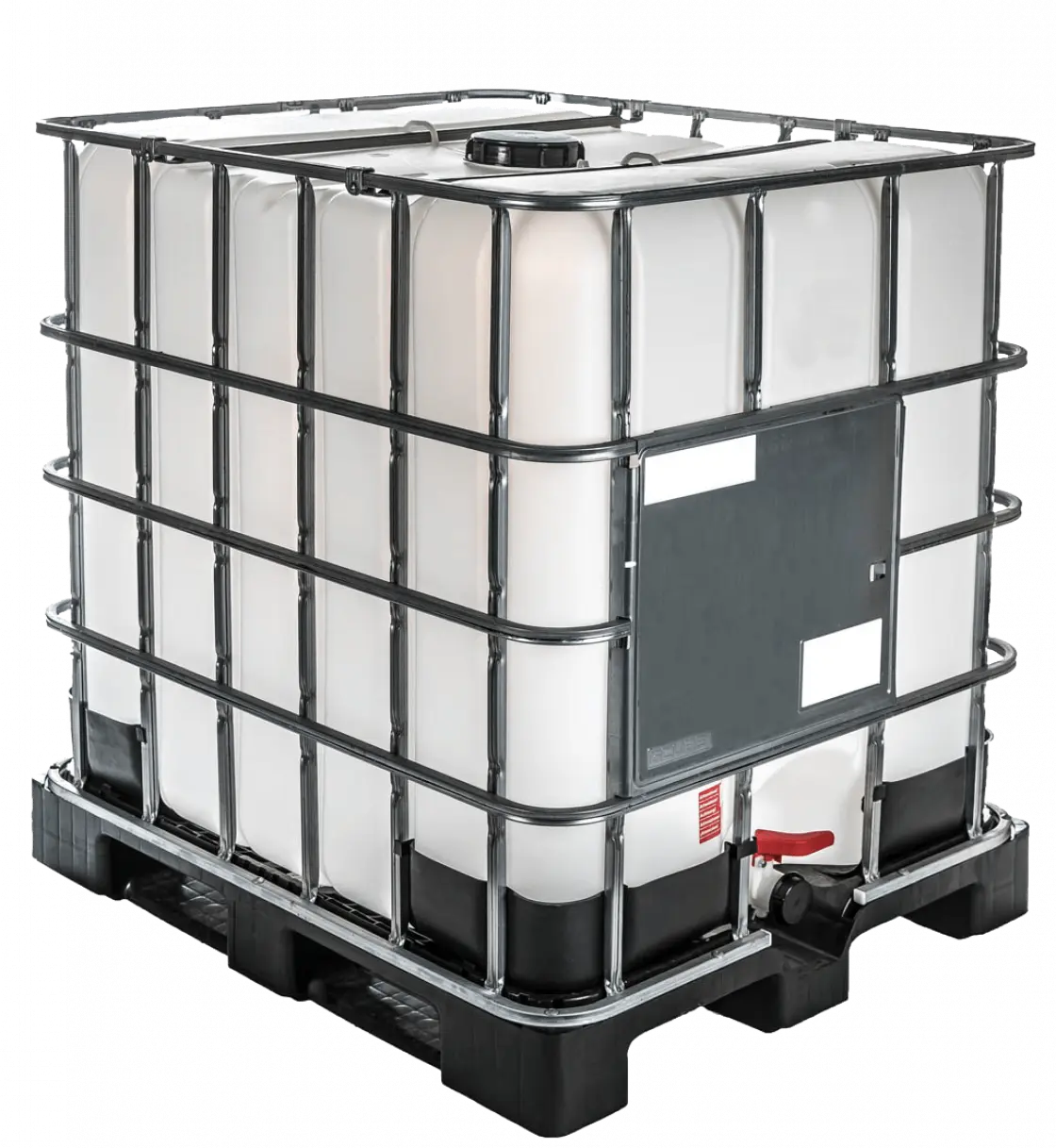
| Packaging | 25L/drum200L/drum1000L/IBC |
| Sample | Test Samples Available (Click to Request Samples) |
| COA | View COA |
| Price | Get Quote |
| Supply Type | Bulk / Contract manufacturing / OEM |
| Shipping | FCL / LCL available |
| Payment Terms | Support FOB \ CIF \ EXW quotations, and accept Letter of Credit (L/C). |
| Manufacturer | Greenrock Chemical(China Factory) |






QUOTE TYPE
PACKAGING TYPE
TOTAL QUANTITY(KG)
PREFERRED SHIPPING METHOD
YOUR COMPANY
YOUR E-MAIL
Calculate Summary
Based on current marketvolatility and material availability.
Documents We Provide for Polyglycerine
Post-sale: Full documentation is provided.
To request documents, please contact us via email at sales@GRchemical.com.

Bulk Polyglycerine Supplier from China
17+ years in chemical exports.Fully compliant, reliable supply.Your B2B partner in bulk chemical procurement.
Industrial Applications of Polyglycerine
| Industry | Application | Process |
|---|---|---|
| Food Industry | Emulsifier, stabilizer | Used in the production of ice cream, dairy products, and margarine to improve texture and extend shelf life. |
| Cosmetics Industry | Humectant, thickener | Applied in moisturizers, shampoos, and conditioners to enhance viscosity and moisturizing performance. |
| Industrial | Plasticizer, lubricant | Used in plastic manufacturing and lubricant formulations to impart improved flexibility and lubricating properties. |
| Home Care | Cleaning agent, surfactant | Employed in detergents and cleaning products as a surfactant to facilitate cleaning and soil removal. |
| Pharmaceutical Industry | Drug carrier, emulsifier | Utilized in drug formulation as a carrier to aid drug dispersion and absorption, and as a lubricant in ointments and tablets. |
| Agriculture | Lubricant, feed additive | Applied for agricultural machinery lubrication and as a feed additive to support animal health and feed stability. |
| Textile Industry | Softener, antistatic agent | Used in textile processing as a softener and antistatic agent to enhance fabric softness and prevent static buildup. |
| Coatings Industry | Thickener, dispersant | Applied in paints and coatings as a thickener and dispersant to increase viscosity and ensure uniformity. |
| Rubber Industry | Plasticizer, lubricant | Used during rubber product manufacturing as a plasticizer and lubricant to improve processability and final product flexibility. |
| Petrochemical Industry | Lubricant, dispersant | Applied in petroleum extraction and refining for lubrication and dispersion to improve operational efficiency and reduce equipment wear. |
Manufacturing Quality Control of Polyglycerine
| Detection Item | Common Testing Method | Method Overview |
|---|---|---|
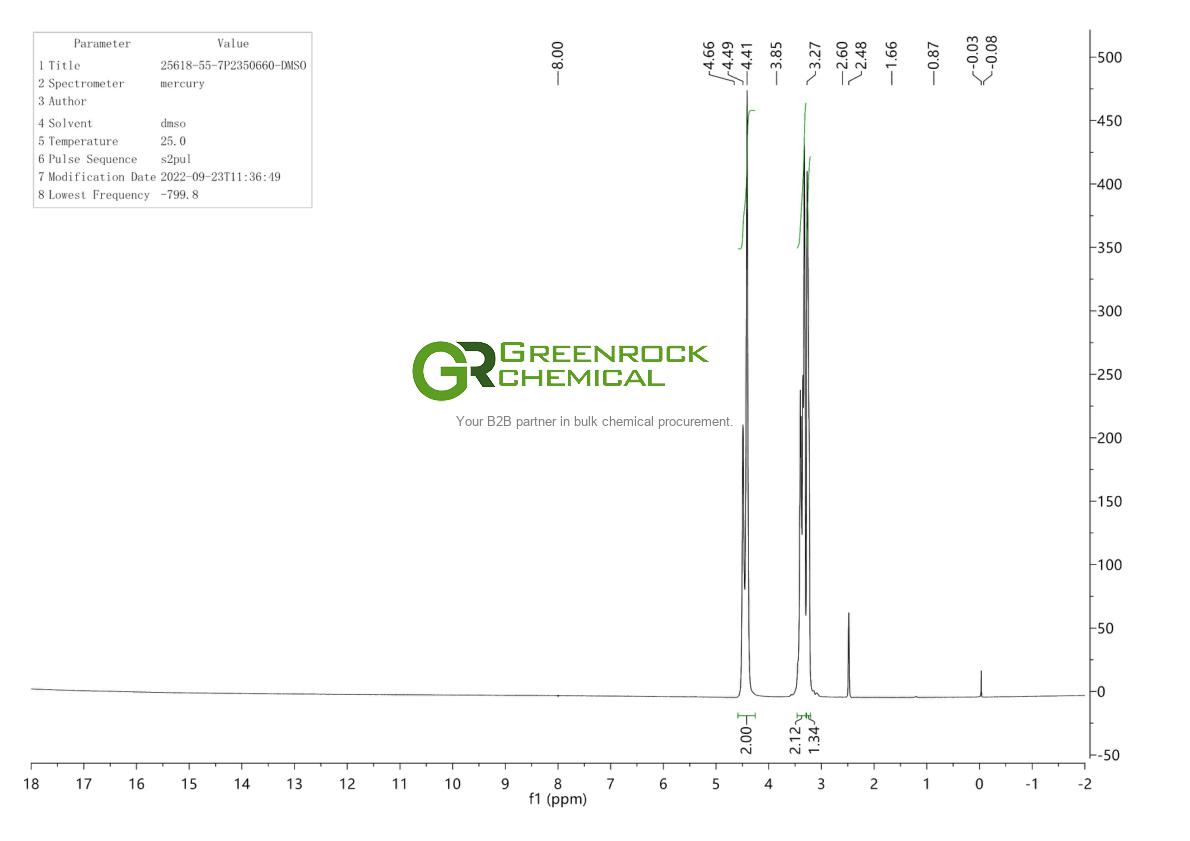
| Average Degree of Polymerization (DP) | Proton Nuclear Magnetic Resonance (¹H NMR) | By analyzing the ratio of peak areas corresponding to hydroxyl (–OH) and methylene (–CH₂–) protons, the average degree of polymerization is calculated. This method offers high accuracy and is suitable for both oligomers and high polymers. |
| Hydroxyl Value | Acid Anhydride Titration (Acetic Anhydride-Pyridine Method) | Hydroxyl groups react with acetic anhydride to form esters; excess anhydride is hydrolyzed and titrated with sodium hydroxide. The hydroxyl value is calculated as the milligrams of KOH consumed per gram of sample, reflecting hydroxyl group content. |
| Acid Value | Alkaline Titration (ASTM D974 or ISO 3682) | Free acids in the sample are titrated with standardized potassium hydroxide in ethanol solution. The acid value is expressed as the milligrams of KOH required to neutralize one gram of sample, assessing the level of acidic impurities. |
| Moisture Content | Karl Fischer Titration | Based on the quantitative reaction between iodine and water, this method uses either electrochemical or volumetric techniques to determine trace moisture levels in samples, with precision down to ppm levels. It is suitable for polar polymers. |
| Color (Appearance) | Colorimetry (APHA/Pt-Co Color Scale) | Measured using a colorimeter or visual comparison against platinum-cobalt standard solutions to determine the yellowness index, evaluating refining degree and thermal stability. |
| Weight-Average Molecular Weight (Mw) | Gel Permeation Chromatography (GPC/SEC) | Using polystyrene standards, the weight-average molecular weight and molecular weight distribution of polyglycerol are determined based on elution time. Polar solvents such as THF or DMF are required. |
| Ash Content | High-Temperature Incineration (GB/T 9741) | Sample is ashed at high temperature (550–600°C), and the mass of residual inorganic matter is measured to assess metal salts or catalyst residues. |
| Unreacted Glycerol Content | High-Performance Liquid Chromatography (HPLC) | Residual monomeric glycerol is separated using amino or HILIC columns, detected by refractive index or evaporative light scattering detection, enabling control of monomer impurity levels. |
| Thermal Stability | Thermogravimetric Analysis (TGA) | Sample is heated under nitrogen or air atmosphere while monitoring mass loss. The resulting thermogravimetric curve provides information on decomposition temperature and thermal degradation behavior, indicating purity and structural stability. |
| pH Value | pH Meter Method | Sample is dissolved in water (e.g., 10% w/v), and pH is directly measured using a calibrated pH meter to evaluate acidity/basicity, reflecting the extent of neutralization and process control. |
Technical Specifications of Polyglycerine
| Test Item | Specification |
|---|---|
| Appearance | Colorless to light orange to yellow, clear liquid |
| Purity | >=98.5% |
| Water Content (KF) | <=0.5% |
| Total Impurities | <=1.5% |
| Acid Value (mg KOH/g) | <=2.0 mg KOH/g |
| Refractive Index (n20/D) | 1.460–1.475 |
| Relative Density (20°C/25°C) | 1.22–1.28 g/cm³ |
| Solubility | Miscible with water and common polar solvents |
| Odor | Characteristic mild, sweet odor |
 Specifications vary by industry. Reach out to our technical experts for a COA tailored specifically to your application. Email:selse@GRchemical.com
|
|
Download COA of Polyglycerine
| CAS/Product ID | *Required fields | |
| Lot/Batch Number | *Required fields | |
NMR Spectra of Polyglycerine
Packaging of Polyglycerine
Industrial Polyglycerine Procurement FAQ
1. How do you ensure product quality consistency?
We rely on a mature China-based manufacturing system and implement strict batch control and quality inspection for every shipment. Our production process complies with ISO 9001 standards, and a COA is provided for each batch to ensure consistent and reliable quality.
2. Do you offer competitive pricing for bulk orders?
Yes, as a China-based manufacturer and bulk supplier, we provide tiered pricing based on order volume. We support FOB and CIF quotations, as well as L/C payment terms for large transactions to meet international trade requirements.
3. Can you support large-volume or long-term supply?
We have stable production capacity and a well-established supply chain, enabling continuous bulk supply. We support ton-level and container-level orders, as well as long-term cooperation projects.
4. What is your typical lead time?
For in-stock products, shipment can be arranged within 1–3 days. For bulk packaging or customized orders, lead time depends on the specific quantity and production schedule.
5. What documents do you provide?
We can provide complete documentation upon request, including COA, SDS, TDS, and other compliance certificates, meeting industrial procurement and export requirements.
6. Can you customize product specifications or packaging?
Yes, we support customization of parameters such as purity, impurities, residual solvents, and heavy metals. We also offer various bulk packaging options, including 25kg bags, drums, and IBC tanks, suitable for industrial applications and transportation.
7. What shipping options do you support?
We support both FCL (Full Container Load) and LCL (Less than Container Load) shipments, and can flexibly arrange logistics solutions based on order size to meet bulk chemical export needs.
8. Do you provide technical or application support?
Yes, we provide basic application guidance and technical support based on industry experience to help customers optimize product usage.
9. How do you handle compliance and export regulations?
We are familiar with international trade and export regulations, ensuring all products comply with relevant requirements. We also provide complete documentation to support smooth customs clearance and global delivery.
Use Bulk
Supply Factory
Direct ISO 9001
Certified Samples
Available Stable
Supply