BENZYL GLYCIDYL ETHER Bulk Supply for Industrial Use
China Factory Direct
 |
|
| CAS number | 2930-05-4 |
| Product name | BENZYL GLYCIDYL ETHER |
| Stock | Stock readily available; annual supply capacity exceeding 1,000 tons. |
| Grade | Industrial Grade |
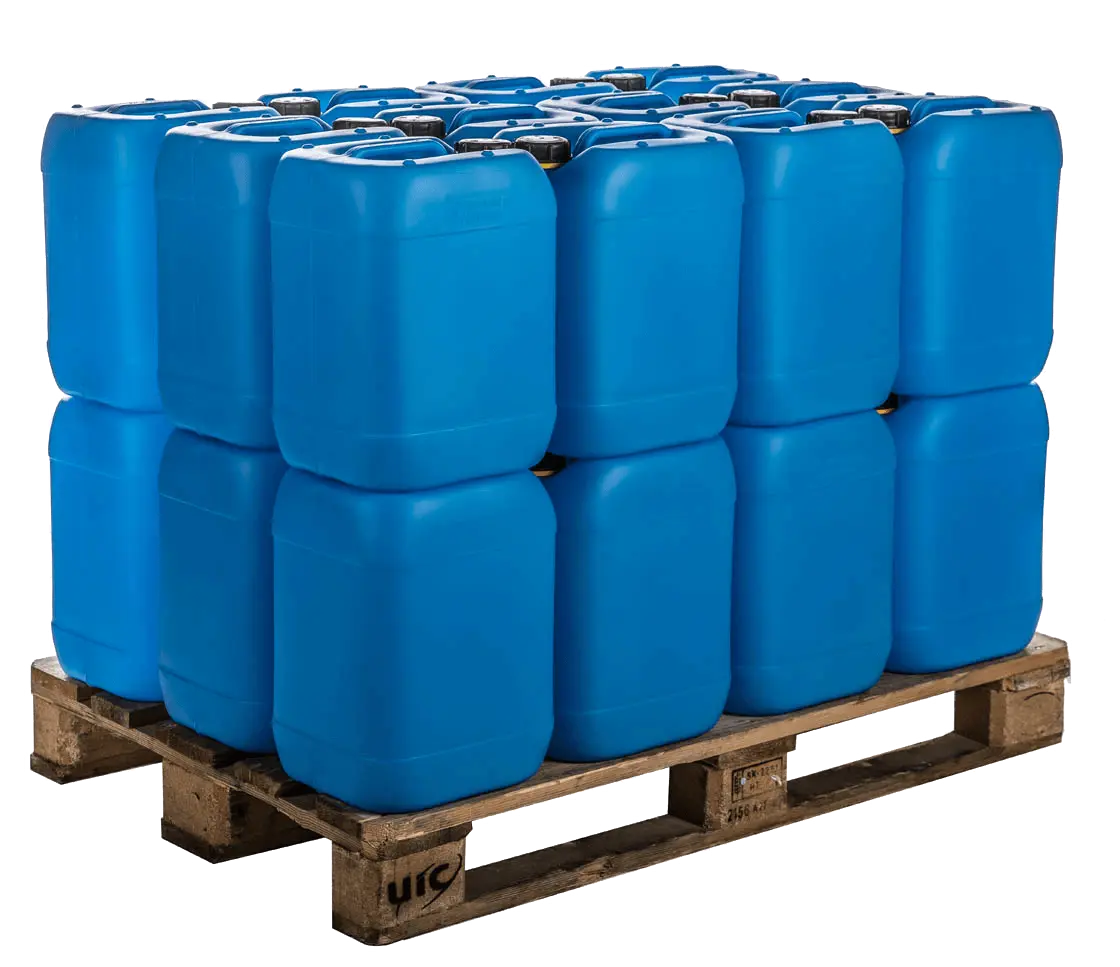
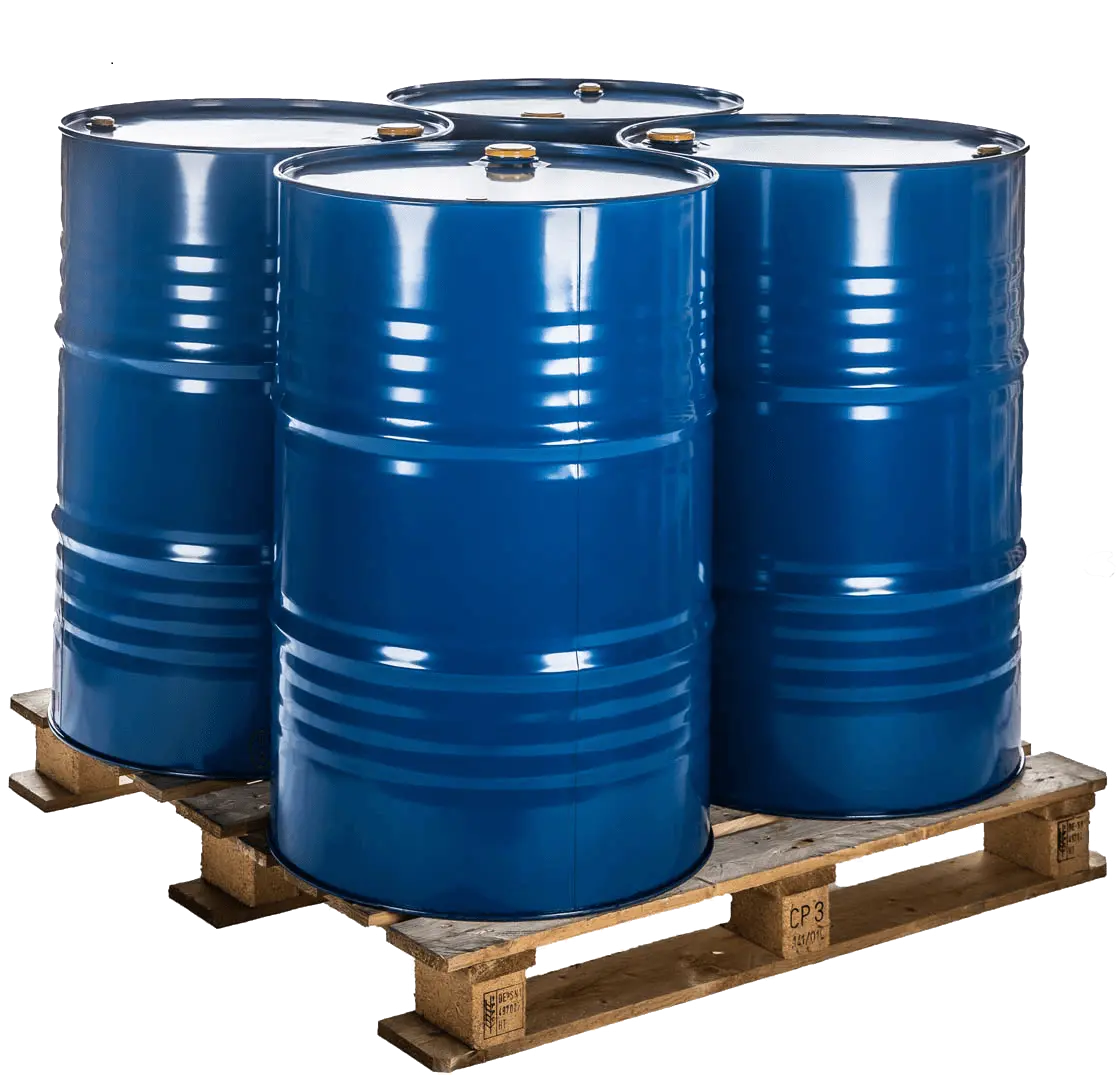
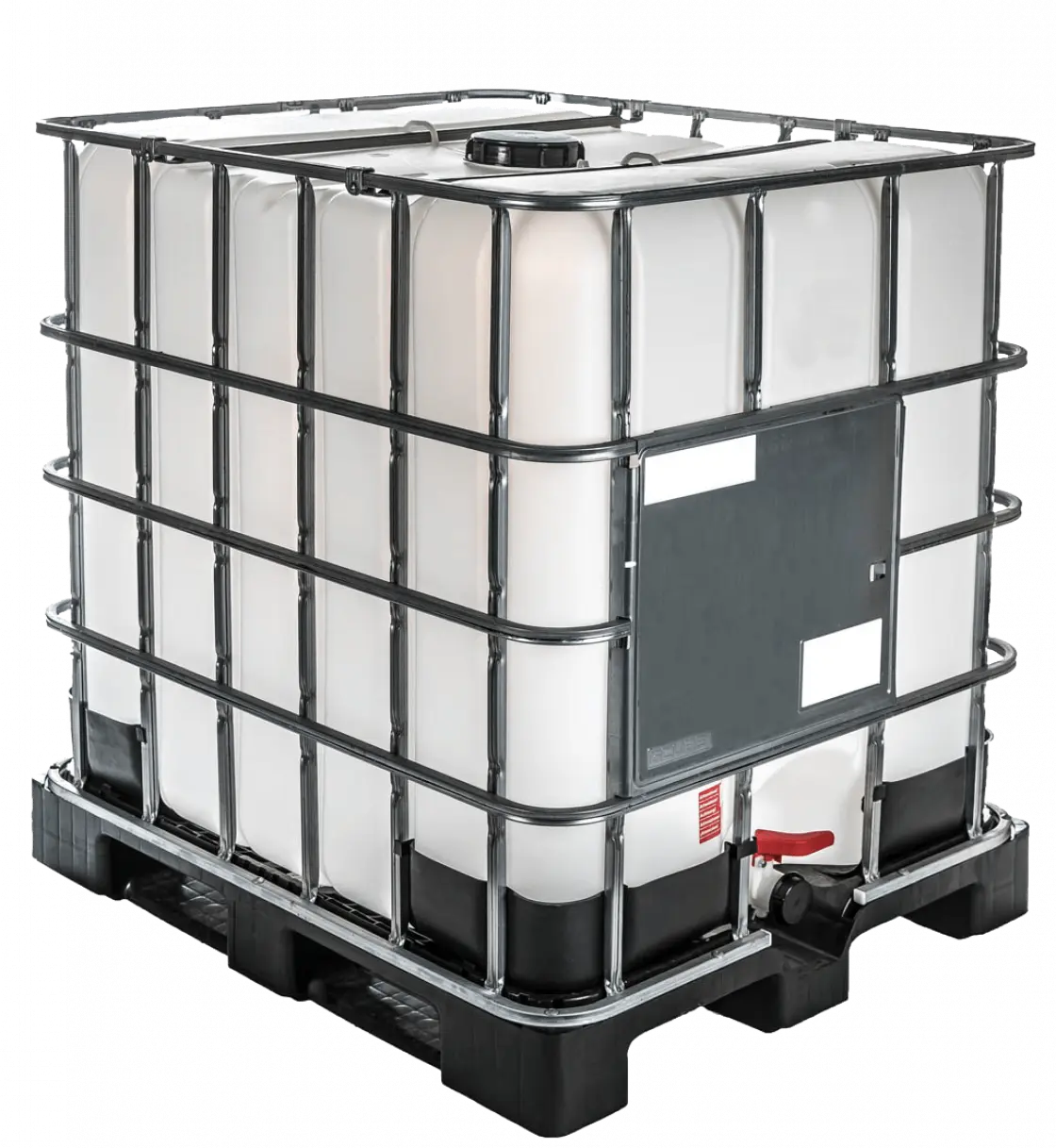
| Packaging | 25L/drum200L/drum1000L/IBC |
| Sample | Test Samples Available (Click to Request Samples) |
| COA | View COA |
| Price | Get Quote |
| Supply Type | Bulk / Contract manufacturing / OEM |
| Shipping | FCL / LCL available |
| Payment Terms | Support FOB \ CIF \ EXW quotations, and accept Letter of Credit (L/C). |
| Manufacturer | Greenrock Chemical(China Factory) |






QUOTE TYPE
PACKAGING TYPE
TOTAL QUANTITY(KG)
PREFERRED SHIPPING METHOD
YOUR COMPANY
YOUR E-MAIL
Calculate Summary
Based on current marketvolatility and material availability.
Documents We Provide for BENZYL GLYCIDYL ETHER
Post-sale: Full documentation is provided.
To request documents, please contact us via email at sales@GRchemical.com.
Bulk BENZYL GLYCIDYL ETHER Supplier from China
17+ years in chemical exports.Fully compliant, reliable supply.Your B2B partner in bulk chemical procurement.
Industrial Applications of BENZYL GLYCIDYL ETHER
| Industry | Application | Process |
|---|---|---|
| Epoxy Resin Industry | Epoxy resin diluent | Added as a reactive diluent to epoxy resin formulations to reduce resin viscosity, improve wetting and leveling properties, participate in the curing reaction as part of the crosslinked network, and avoid volatilization. |
| Coatings Industry | Coating modifier | Used in formulating floor coatings and anticorrosive coatings to adjust system viscosity, enhance application performance, and provide improved chemical resistance and adhesion. |
| Electronics & Electrical Industry | Electronic encapsulation material | Employed in the preparation of electronic component potting compounds, insulating casting resins, and encapsulation materials to reduce compound viscosity, facilitate potting operations, and enhance mechanical strength of the final product. |
| Adhesives Industry | Adhesive toughener | Used in formulating high-strength structural adhesives or solvent-based adhesives to adjust viscosity, improve substrate wetting, and increase bond strength. |
| Composites Industry | Fiber reinforcement impregnation | Applied in manufacturing glass fiber- and carbon fiber-reinforced composites (e.g., filament winding, pultrusion) to enhance resin penetration into fibers and improve product quality. |
Manufacturing Quality Control of BENZYL GLYCIDYL ETHER
| Test Item | Common Testing Methods | Method Overview |
|---|---|---|
| Appearance | Visual Inspection | Observe the sample's color, transparency, and presence of suspended particles or precipitates under natural light or standard light source; it should typically be a clear to pale yellow transparent liquid. |
| Color (Platinum-Cobalt Units) | Platinum-Cobalt Colorimetry (GB/T 3143 or ASTM D1209) | Compare the sample with standard platinum-cobalt solutions using visual or instrumental colorimetry to determine the color value, which is used to evaluate product purity and oxidation level. |
| Refractive Index | Refractometer Method (GB/T 6488 or ISO 5661) | Determine the refractive index of the sample using an Abbe refractometer at a specified temperature (e.g., 20°C or 25°C), which serves as an indicator for identification and purity control. |
| Density | Pycnometer Method or Oscillating U-tube Density Meter (GB/T 4472 or ASTM D4052) | Determine the density of the sample at standard temperature, which is used to assist in judging component composition and impurity content. |
| Epoxy Value | Hydrochloric Acid-Acetone Method (GB/T 1663 or ASTM D1652) | Determine the epoxy equivalent by titrating the remaining hydrochloric acid after reacting with the epoxy groups, then calculate the epoxy value (mol/100g), which is a key indicator for measuring the content of active functional groups. |
| Hydroxyl Value | Acetylation Method (GB/T 7383 or ASTM D4274) | Determine the hydroxyl value (mg KOH/g) by reacting acetic anhydride with hydroxyl groups in the sample, hydrolyzing the reaction products, and titrating the generated acetic acid, which reflects byproduct content or hydrolysis degree. |
| Moisture Content | Karl Fischer Titration (GB/T 6283 or ASTM E1064) | Determine trace moisture in the sample by quantitatively reacting it with Karl Fischer reagent using volumetric or coulometric methods, controlling the effect of moisture on the stability of the epoxy group. |
| Purity/Main Component Content | Gas Chromatography (GC) (e.g., GB/T 13610 or Custom Method) | Separate the components of the sample using capillary column gas chromatography and determine the content of benzyl glycidyl ether using area normalization or internal standard method to evaluate product purity. |
| Acid Value | Titration Method (GB/T 601 or ASTM D974) | Determine the free acid content in the sample using a standard potassium hydroxide ethanol solution with phenolphthalein as the indicator, expressed in mg KOH/g, reflecting the content of acidic impurities. |
| Volatile Matter | Oven Weight Loss Method (Reference: GB/T 20671.3) | Determine the percentage of weight loss after heating the sample at a specified temperature (e.g., 105°C) for a defined time, used to control low-boiling-point impurities or solvent residues. |
Technical Specifications of BENZYL GLYCIDYL ETHER
| Test Item | Specification |
|---|---|
| Appearance | Colorless to pale yellow liquid |
| Purity | >=98.5% |
| Water Content (KF) | <=0.5% |
| Total Impurities | <=1.5% |
| Single Impurity | <=0.5% |
| Refractive Index (n20/D) | 1.512–1.518 |
| Relative Density (20°C/25°C) | 1.065–1.075 g/cm³ |
| Odor | Characteristic mild ether-like odor |
 Specifications vary by industry. Reach out to our technical experts for a COA tailored specifically to your application. Email:selse@GRchemical.com
|
|
Download COA of BENZYL GLYCIDYL ETHER
| CAS/Product ID | *Required fields | |
| Lot/Batch Number | *Required fields | |
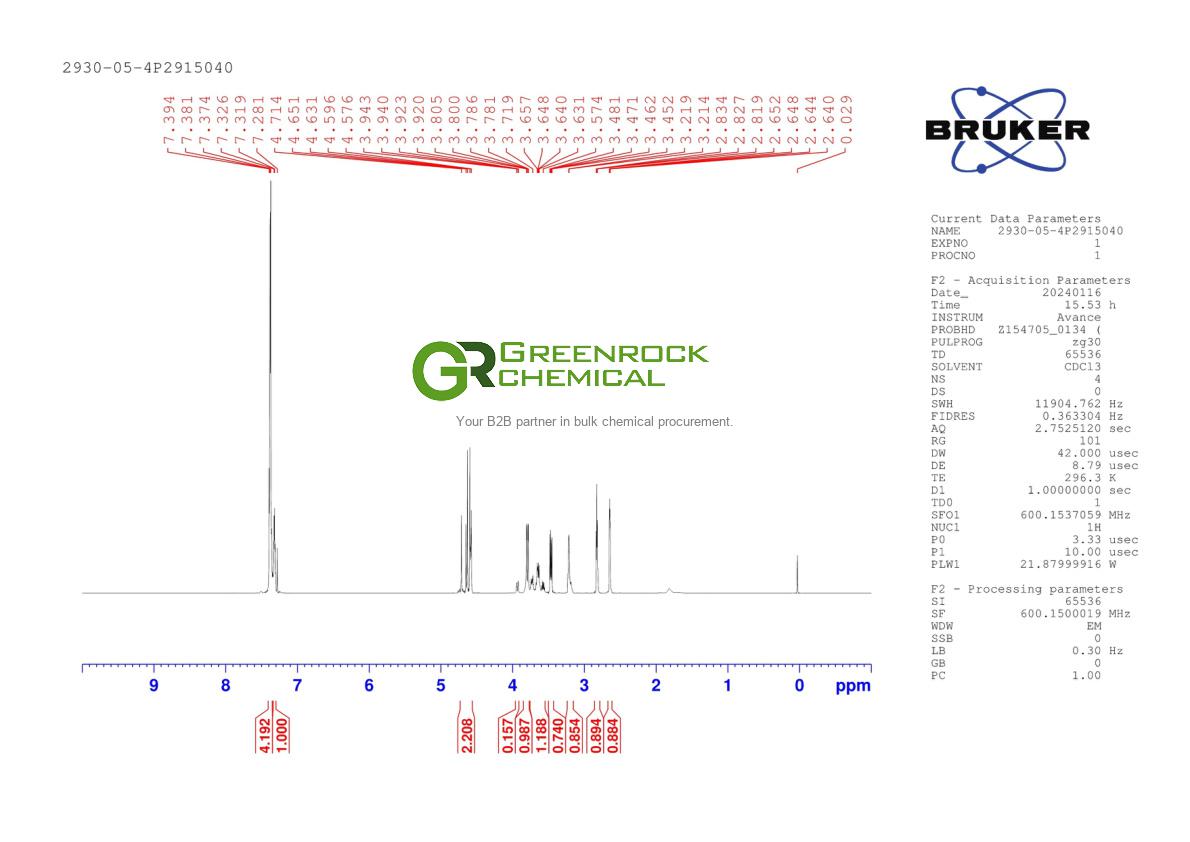
NMR Spectra of BENZYL GLYCIDYL ETHER

Packaging of BENZYL GLYCIDYL ETHER
Industrial BENZYL GLYCIDYL ETHER Procurement FAQ
1. How do you ensure product quality consistency?
We rely on a mature China-based manufacturing system and implement strict batch control and quality inspection for every shipment. Our production process complies with ISO 9001 standards, and a COA is provided for each batch to ensure consistent and reliable quality.
2. Do you offer competitive pricing for bulk orders?
Yes, as a China-based manufacturer and bulk supplier, we provide tiered pricing based on order volume. We support FOB and CIF quotations, as well as L/C payment terms for large transactions to meet international trade requirements.
3. Can you support large-volume or long-term supply?
We have stable production capacity and a well-established supply chain, enabling continuous bulk supply. We support ton-level and container-level orders, as well as long-term cooperation projects.
4. What is your typical lead time?
For in-stock products, shipment can be arranged within 1–3 days. For bulk packaging or customized orders, lead time depends on the specific quantity and production schedule.
5. What documents do you provide?
We can provide complete documentation upon request, including COA, SDS, TDS, and other compliance certificates, meeting industrial procurement and export requirements.
6. Can you customize product specifications or packaging?
Yes, we support customization of parameters such as purity, impurities, residual solvents, and heavy metals. We also offer various bulk packaging options, including 25kg bags, drums, and IBC tanks, suitable for industrial applications and transportation.
7. What shipping options do you support?
We support both FCL (Full Container Load) and LCL (Less than Container Load) shipments, and can flexibly arrange logistics solutions based on order size to meet bulk chemical export needs.
8. Do you provide technical or application support?
Yes, we provide basic application guidance and technical support based on industry experience to help customers optimize product usage.
9. How do you handle compliance and export regulations?
We are familiar with international trade and export regulations, ensuring all products comply with relevant requirements. We also provide complete documentation to support smooth customs clearance and global delivery.
Use Bulk
Supply Factory
Direct ISO 9001
Certified Samples
Available Stable
Supply