L-Carnosine Bulk Supply for Industrial Use
China Factory Direct
 |
|
| CAS number | 305-84-0 |
| Product name | L-Carnosine |
| Stock | Stock readily available; annual supply capacity exceeding 1,000 tons. |
| Grade | Industrial Grade |
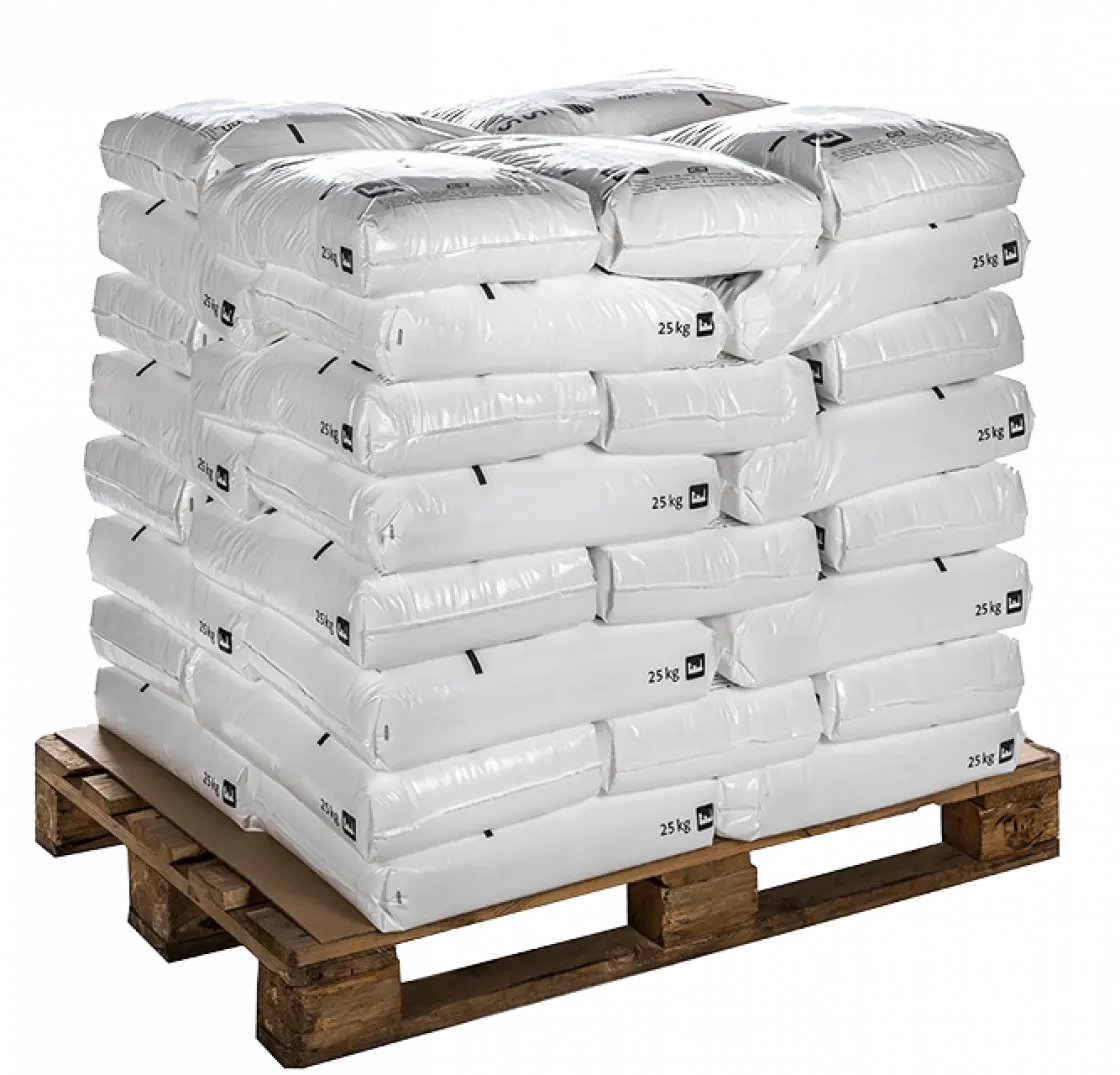
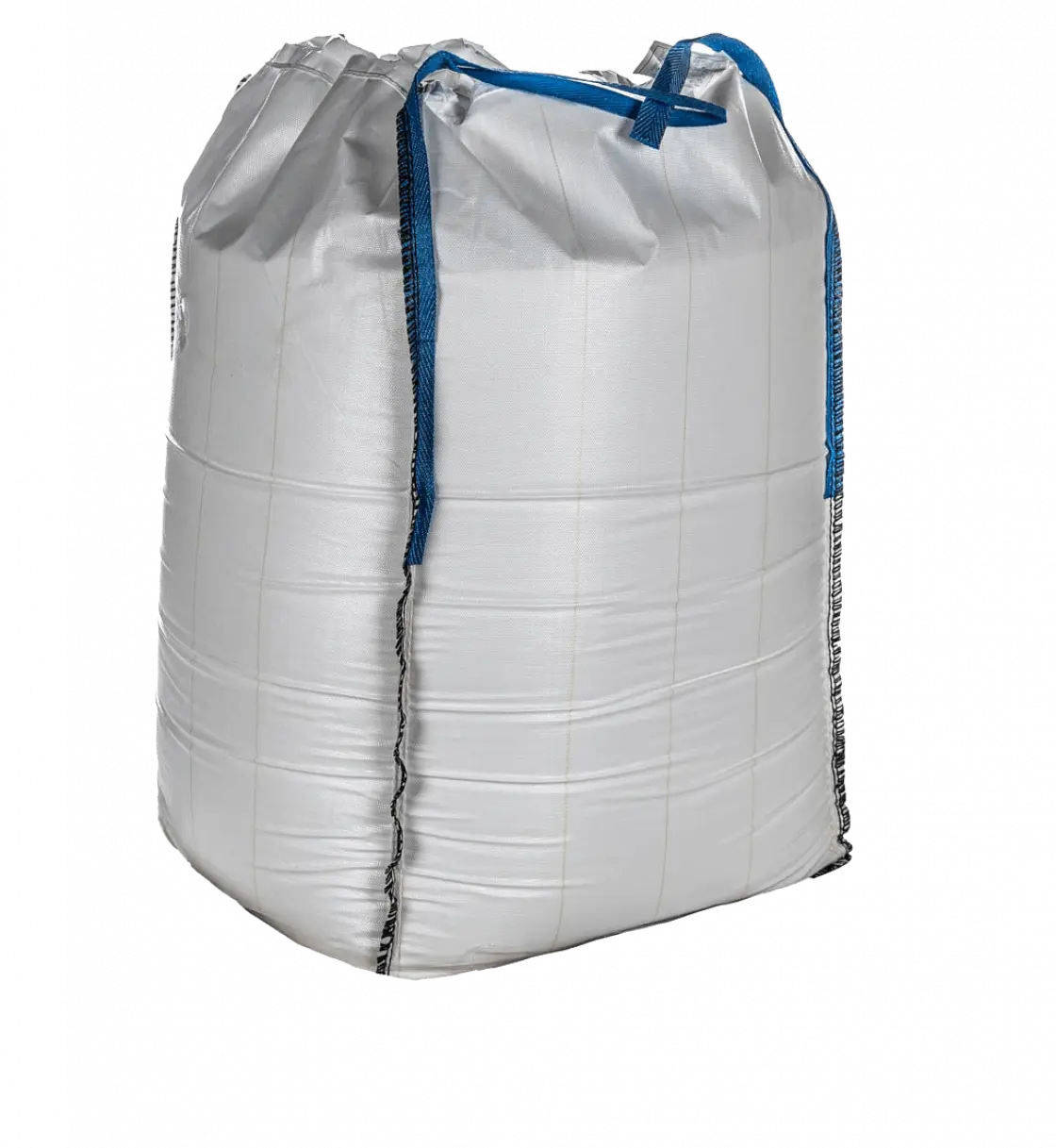
| Packaging | 25KG/bag500KG/bag1000KG/bag |
| Sample | Test Samples Available (Click to Request Samples) |
| COA | View COA |
| Price | Get Quote |
| Supply Type | Bulk / Contract manufacturing / OEM |
| Shipping | FCL / LCL available |
| Payment Terms | Support FOB \ CIF \ EXW quotations, and accept Letter of Credit (L/C). |
| Manufacturer | Greenrock Chemical(China Factory) |






QUOTE TYPE
PACKAGING TYPE
TOTAL QUANTITY(KG)
PREFERRED SHIPPING METHOD
YOUR COMPANY
YOUR E-MAIL
Calculate Summary
Based on current marketvolatility and material availability.
Documents We Provide for L-Carnosine
Post-sale: Full documentation is provided.
To request documents, please contact us via email at sales@GRchemical.com.

Bulk L-Carnosine Supplier from China
17+ years in chemical exports.Fully compliant, reliable supply.Your B2B partner in bulk chemical procurement.
Industrial Applications of L-Carnosine
| Industry | Application | Process |
|---|---|---|
| Pharmaceutical Industry | Antioxidant and anti-aging agent | Applied to mitigate oxidative stress-induced cellular damage and organ aging by scavenging free radicals and chelating metal ions. |
| Pharmaceutical Industry | Adjunct therapy for diabetes | Applied to protect pancreatic β-cells and improve insulin sensitivity by inhibiting the formation of advanced glycation end products (AGEs). |
| Pharmaceutical Industry | Neuroprotective agent | Applied in the prevention and adjunct treatment of neurodegenerative disorders such as Alzheimer’s disease, leveraging its ability to cross the blood-brain barrier and inhibit the neurotoxicity of β-amyloid protein. |
| Pharmaceutical Industry | Treatment of gastrointestinal ulcers | Applied as a gastric mucosal protective agent to accelerate ulcer healing via antioxidant and anti-inflammatory effects. |
| Pharmaceutical Industry | Ophthalmic disease treatment | Applied in the prevention and treatment of cataracts by inhibiting glycation and oxidative damage to lens proteins, thereby maintaining lens transparency. |
| Cosmetics Industry | Anti-aging and anti-wrinkle ingredient | Used as a core active ingredient in formulations to reduce wrinkle formation by scavenging free radicals and inhibiting collagen cross-linking. |
| Cosmetics Industry | Skin-brightening and depigmenting ingredient | Applied to inhibit tyrosinase activity and melanin synthesis, preventing dullness and hyperpigmentation. |
| Cosmetics Industry | Sunscreen synergist and post-sun repair agent | Incorporated into after-sun products to scavenge ultraviolet-induced reactive oxygen species (ROS) and mitigate photoaging damage. |
| Food Industry | Natural preservative | Added to meat products, ready-to-cook meals, and similar foods to suppress lipid oxidation, extend shelf life, and retain flavor. |
| Food Industry | Functional food additive | Used as an ingredient in functional beverages or tablets designed for anti-fatigue, immune enhancement, and blood glucose regulation. |
| Sports Nutrition Industry | Sports nutrition supplement | Incorporated into sports drinks or energy bars to delay muscle fatigue and enhance athletic performance through pH buffering (anti-acid effect) and antioxidant activity. |
| Biochemical Research | Research reagent | Used as a reference standard or additive in biochemical assays to investigate protein oxidation, glycation mechanisms, and cellular aging models. |
Manufacturing Quality Control of L-Carnosine
| Test Item | Common Testing Methods | Method Overview |
|---|---|---|
| Identification | Infrared Spectroscopy (IR) | Determine the infrared absorption spectrum of L-carnosine and compare it with the standard spectrum to confirm the consistency of functional group characteristic peaks. |
| Thin Layer Chromatography (TLC) | Separate L-carnosine based on differences in partition between stationary and mobile phases. Identify by developing with a coloring reagent and comparing Rf values with reference substances. | |
| Content Determination | High-Performance Liquid Chromatography (HPLC) | Use a reversed-phase C18 column, with phosphate buffer-methanol or acetonitrile as the mobile phase, and a UV detector (typically around 210 nm) for quantitative analysis of L-carnosine content. |
| Amino Acid Analyzer Method | Hydrolyze the sample, then separate by ion-exchange chromatography, followed by post-column derivatization (e.g., ninhydrin reaction), and quantify using colorimetric or fluorescent detection. | |
| Related Substances / Impurities | High-Performance Liquid Chromatography (HPLC) | Use a gradient elution program to separate and detect possible synthetic by-products or degradation products in L-carnosine. Calculate impurity content using area normalization or external standard method. |
| Specific Rotation | Polarimetry | Measure the optical rotation of L-carnosine solution at a specified temperature and wavelength (usually sodium D line, 589 nm), and calculate specific rotation to assess optical purity. |
| Drying Loss | Thermogravimetric Analysis / Drying Loss Method | Dry the sample at a specified temperature (e.g., 105°C) until constant weight, and determine the percentage of mass loss to evaluate moisture and volatile components content. |
| Residue on Ignition | Ignition Test | Ignite the sample at high temperature (usually 700–800°C) and weigh the residual inorganic material to control the limit of inorganic impurities. |
| pH Value | pH Meter Measurement | Prepare a solution of L-carnosine at a certain concentration and measure its pH value using a calibrated pH meter to ensure it meets pharmacopoeia or company standards. |
| Water Content | Karl Fischer Titration (Karl Fischer) | Quantitatively determine trace water content in L-carnosine using the reaction between iodine and sulfur dioxide in a pyridine/methanol system. |
| Heavy Metals | Atomic Absorption Spectrometry (AAS) or Inductively Coupled Plasma Mass Spectrometry (ICP-MS) |
Digest the sample and determine the content of heavy metals such as lead, arsenic, cadmium, and mercury using AAS or ICP-MS to ensure compliance with safety limits. |
Technical Specifications of L-Carnosine
| Test Item | Specification |
|---|---|
| Appearance | White to off-white powder |
| Assay | 99.0%~101.0% |
| Specific rotation | +20°~+22° |
| Loss on drying | ≤1.0% |
| pH | 7.5~8.5 |
| Heavy metals | ≤10 ppm |
| Pb | ≤3 ppm |
| As | ≤1 ppm |
| Cd | ≤1 ppm |
| Hg | ≤0.1 ppm |
| Ignition residue | ≤0.1% |
| Melting point | 250°C~260°C |
| Hydrazine | ≤2 ppm |
| Bulk density | |
| Tapped density | |
| L-Histidine | ≤0.3% |
| Total aerobes counts | ≤1000 cfu/g |
| Mold & Yeast | ≤100 cfu/g |
| E.Coli | ND |
| Salmonella | ND |
 Specifications vary by industry. Reach out to our technical experts for a COA tailored specifically to your application. Email:selse@GRchemical.com
|
|
Download COA of L-Carnosine
| CAS/Product ID | *Required fields | |
| Lot/Batch Number | *Required fields | |
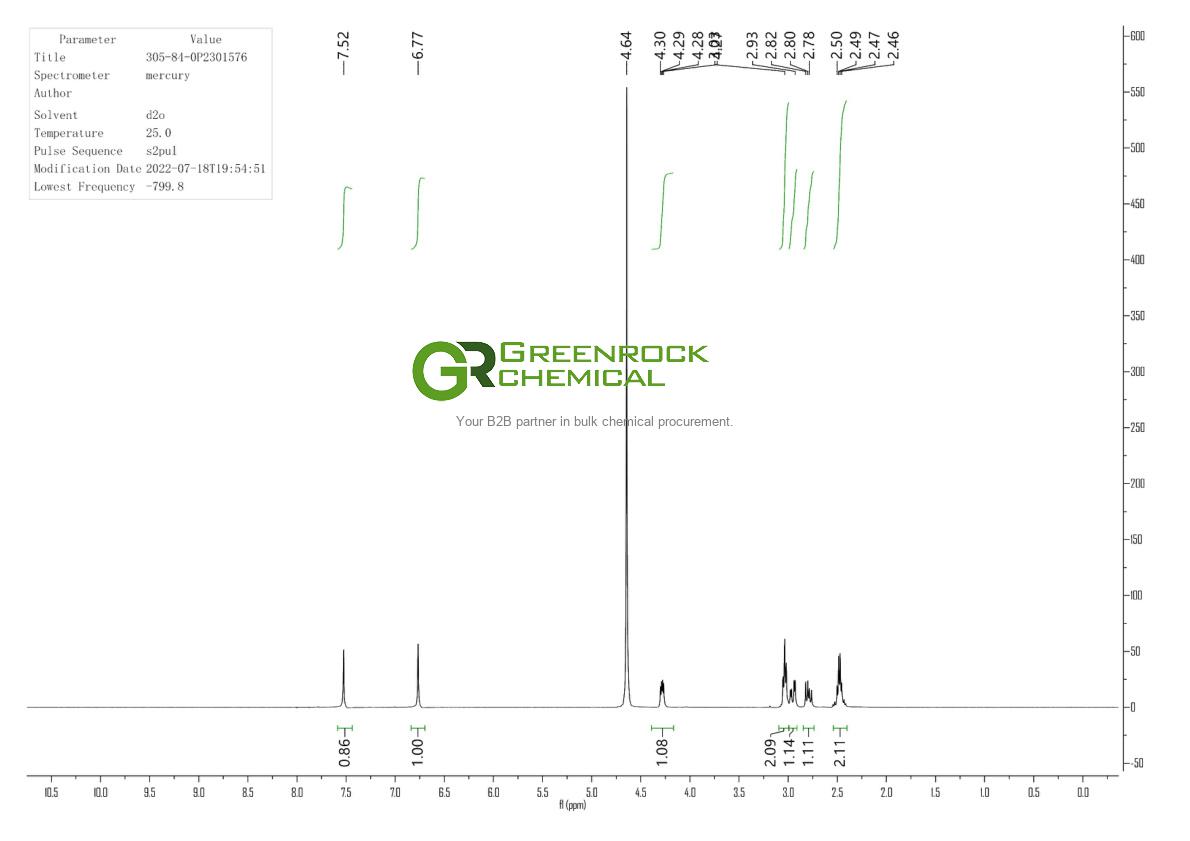
NMR Spectra of L-Carnosine
Packaging of L-Carnosine
Industrial L-Carnosine Procurement FAQ
1. How do you ensure product quality consistency?
We rely on a mature China-based manufacturing system and implement strict batch control and quality inspection for every shipment. Our production process complies with ISO 9001 standards, and a COA is provided for each batch to ensure consistent and reliable quality.
2. Do you offer competitive pricing for bulk orders?
Yes, as a China-based manufacturer and bulk supplier, we provide tiered pricing based on order volume. We support FOB and CIF quotations, as well as L/C payment terms for large transactions to meet international trade requirements.
3. Can you support large-volume or long-term supply?
We have stable production capacity and a well-established supply chain, enabling continuous bulk supply. We support ton-level and container-level orders, as well as long-term cooperation projects.
4. What is your typical lead time?
For in-stock products, shipment can be arranged within 1–3 days. For bulk packaging or customized orders, lead time depends on the specific quantity and production schedule.
5. What documents do you provide?
We can provide complete documentation upon request, including COA, SDS, TDS, and other compliance certificates, meeting industrial procurement and export requirements.
6. Can you customize product specifications or packaging?
Yes, we support customization of parameters such as purity, impurities, residual solvents, and heavy metals. We also offer various bulk packaging options, including 25kg bags, drums, and IBC tanks, suitable for industrial applications and transportation.
7. What shipping options do you support?
We support both FCL (Full Container Load) and LCL (Less than Container Load) shipments, and can flexibly arrange logistics solutions based on order size to meet bulk chemical export needs.
8. Do you provide technical or application support?
Yes, we provide basic application guidance and technical support based on industry experience to help customers optimize product usage.
9. How do you handle compliance and export regulations?
We are familiar with international trade and export regulations, ensuring all products comply with relevant requirements. We also provide complete documentation to support smooth customs clearance and global delivery.
Use Bulk
Supply Factory
Direct ISO 9001
Certified Samples
Available Stable
Supply