3-METHYL-2-BENZOTHIAZOLINONE HYDRAZONE HYDROCHLORIDE Bulk Supply for Industrial Use
China Factory Direct
 |
|
| CAS number | 4338-98-1 |
| Product name | 3-METHYL-2-BENZOTHIAZOLINONE HYDRAZONE HYDROCHLORIDE |
| Stock | Stock readily available; annual supply capacity exceeding 1,000 tons. |
| Grade | Industrial Grade |
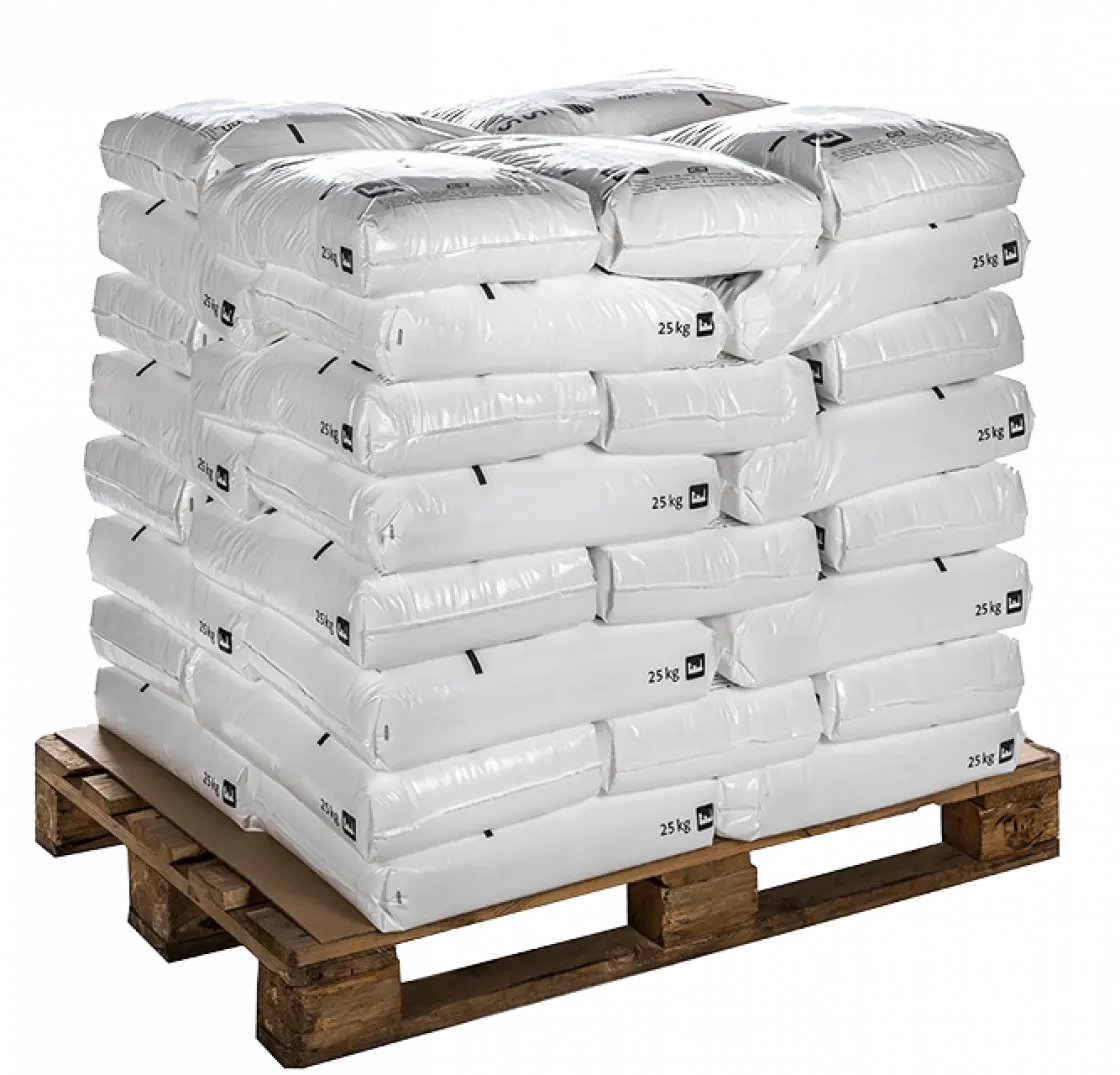
| Packaging | 25KG/bag500KG/bag1000KG/bag |
| Sample | Test Samples Available (Click to Request Samples) |
| COA | View COA |
| Price | Get Quote |
| Supply Type | Bulk / Contract manufacturing / OEM |
| Shipping | FCL / LCL available |
| Payment Terms | Support FOB \ CIF \ EXW quotations, and accept Letter of Credit (L/C). |
| Manufacturer | Greenrock Chemical(China Factory) |






QUOTE TYPE
PACKAGING TYPE
TOTAL QUANTITY(KG)
PREFERRED SHIPPING METHOD
YOUR COMPANY
YOUR E-MAIL
Calculate Summary
Based on current marketvolatility and material availability.
Documents We Provide for 3-METHYL-2-BENZOTHIAZOLINONE HYDRAZONE HYDROCHLORIDE
Post-sale: Full documentation is provided.
To request documents, please contact us via email at sales@GRchemical.com.
Bulk 3-METHYL-2-BENZOTHIAZOLINONE HYDRAZONE HYDROCHLORIDE Supplier from China
17+ years in chemical exports.Fully compliant, reliable supply.Your B2B partner in bulk chemical procurement.
Industrial Applications of 3-METHYL-2-BENZOTHIAZOLINONE HYDRAZONE HYDROCHLORIDE
| Industry | Application | Process |
|---|---|---|
| Clinical Diagnostics | Serum cholesterol assay | Trinder reaction: Cholesterol esterase and cholesterol oxidase catalyze the formation of hydrogen peroxide; MBTH reacts with phenol or analogous compounds under peroxidase (POD) catalysis to yield a colored quinone imine dye for colorimetric quantification. |
| Clinical Diagnostics | Serum glucose (blood glucose) assay | Enzymatic colorimetric method: Glucose oxidase catalyzes glucose to generate hydrogen peroxide, which, in the presence of peroxidase, oxidizes MBTH and chromogenic substrates such as N-ethyl-N-(2-hydroxy-3-sulfopropyl)-3-methylaniline (TOOS) to form colored compounds for quantification. |
| Clinical Diagnostics | Serum uric acid assay | Enzymatic assay: Uricase catalyzes uric acid to produce hydrogen peroxide; MBTH serves as an electron donor in the color-developing reaction, enabling uric acid quantification via absorbance measurement. |
| Clinical Diagnostics | Serum triglyceride assay | Enzymatic colorimetric method: Triglycerides are hydrolyzed by lipase to glycerol; glycerol kinase and glycerol phosphate oxidase subsequently generate hydrogen peroxide, which is detected using the MBTH-based colorimetric system. |
| Environmental Monitoring | Determination of volatile phenols in water | Alternative or improved 4-aminoantipyrine method: Condenses with phenolic compounds in the presence of an oxidant to form a colored dye; offers higher sensitivity than the conventional 4-aminoantipyrine method for detecting trace phenolic contamination. |
| Environmental Monitoring | Determination of residual chlorine and chlorine dioxide in water | Colorimetric determination: Acts as a color reagent reacting with active chlorine species in water to form a compound of defined hue, enabling rapid detection or spectrophotometric quantification of residual chlorine in drinking water and wastewater. |
| Biochemistry | Enzyme activity analysis | Peroxidase substrate: Serves as a hydrogen donor substrate for peroxidase (POD), used to detect horseradish peroxidase (HRP)-labeled immunoassays or enzymatic activity, yielding a stable colored product. |
| Industrial Analysis | Detection of organic peroxides | Oxidation-based color development: Exploits its susceptibility to oxidation, reacting with organic peroxides under specified conditions to yield colored products for determining peroxide content in industrial materials. |
Manufacturing Quality Control of 3-METHYL-2-BENZOTHIAZOLINONE HYDRAZONE HYDROCHLORIDE
| Detection Item | Common Analytical Method | Method Overview |
|---|---|---|
| Assay (Purity) | HPLC-UV | Quantitative determination using reversed-phase HPLC with UV detection at 254 nm, calibrated against certified reference standard. |
| Related Substances | HPLC-UV | Separation and quantification of impurities using gradient HPLC-UV; identification based on retention time comparison with reference substances. |
| Loss on Drying | Gravimetric (105 C, 2 h) | Mass loss measured after drying under specified temperature and time to determine volatile content including water and solvents. |
| Residue on Ignition | Gravimetric (700-800 C) | Inorganic residue mass determined after high-temperature ashing; indicates inorganic impurities or catalyst residues. |
| Heavy Metals (as Pb) | AAS (Flame or Graphite Furnace) | Quantification of total heavy metals by atomic absorption spectroscopy after acid digestion and matrix matching. |
| Chloride Content | Potentiometric Titration with AgNO3 | Titration with silver nitrate using a silver indicator electrode; measures chloride ion concentration from hydrochloride salt. |
| pH of Aqueous Solution | pH Meter | Measurement of pH in a defined aqueous suspension or solution to assess acid strength and potential degradation. |
| Melting Point | Capillary Melting Point Apparatus | Determination of temperature range at which solid transitions to liquid, used for identity and purity assessment. |
| Water Content | Karl Fischer Titration | Volumetric or coulometric titration with KF reagent to quantify trace water based on iodine consumption in pyridine-methanol medium. |
| Organic Volatile Impurities (Residual Solvents) | GC-FID | Detection and quantification of residual solvents (e.g., methanol, acetone) using gas chromatography with flame ionization detection. |
| Specific Optical Rotation | Polarimetry | Measurement of rotation of plane-polarized light to confirm chiral integrity and absence of racemization. |
| Appearance (Color and Clarity) | Visual Inspection | Assessment of physical state, color, and clarity against standard references in specified solvent or neat form. |
Technical Specifications of 3-METHYL-2-BENZOTHIAZOLINONE HYDRAZONE HYDROCHLORIDE
| Test Item | Specification |
|---|---|
| Appearance | Pale-yellow solid |
| Purity | >=98.0% (HPLC) |
| Water Content (KF) | <=0.5% |
| Melting Point | 178–182°C |
| Total Impurities | <=2.0% |
| Single Impurity | <=0.5% |
| Residue on Ignition | <=0.1% |
| Heavy Metals | <=10 ppm |
 Specifications vary by industry. Reach out to our technical experts for a COA tailored specifically to your application. Email:selse@GRchemical.com
|
|
Download COA of 3-METHYL-2-BENZOTHIAZOLINONE HYDRAZONE HYDROCHLORIDE
| CAS/Product ID | *Required fields | |
| Lot/Batch Number | *Required fields | |
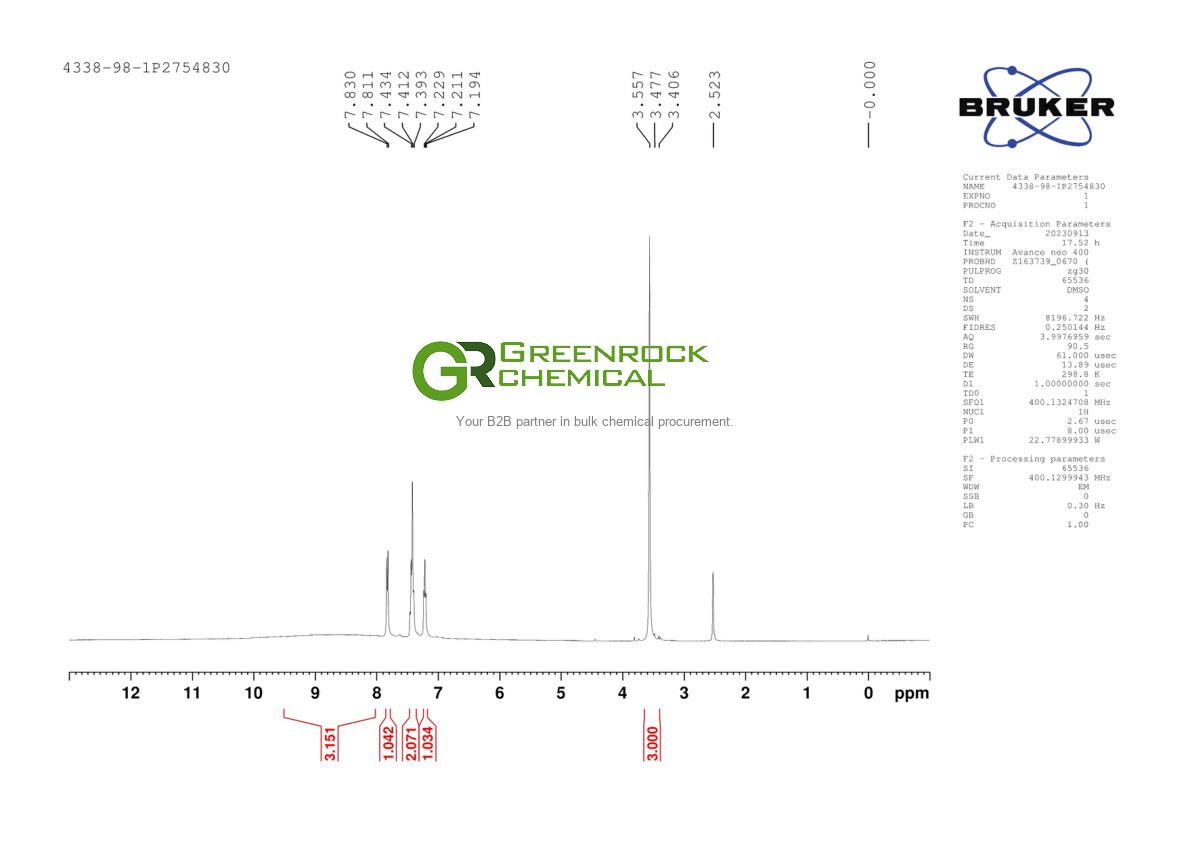
NMR Spectra of 3-METHYL-2-BENZOTHIAZOLINONE HYDRAZONE HYDROCHLORIDE
Safety Information of 3-METHYL-2-BENZOTHIAZOLINONE HYDRAZONE HYDROCHLORIDE
| Pictograms | 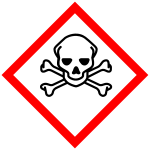 |
| Signal Word | Danger |
| Safety Data Sheet | |
Packaging of 3-METHYL-2-BENZOTHIAZOLINONE HYDRAZONE HYDROCHLORIDE
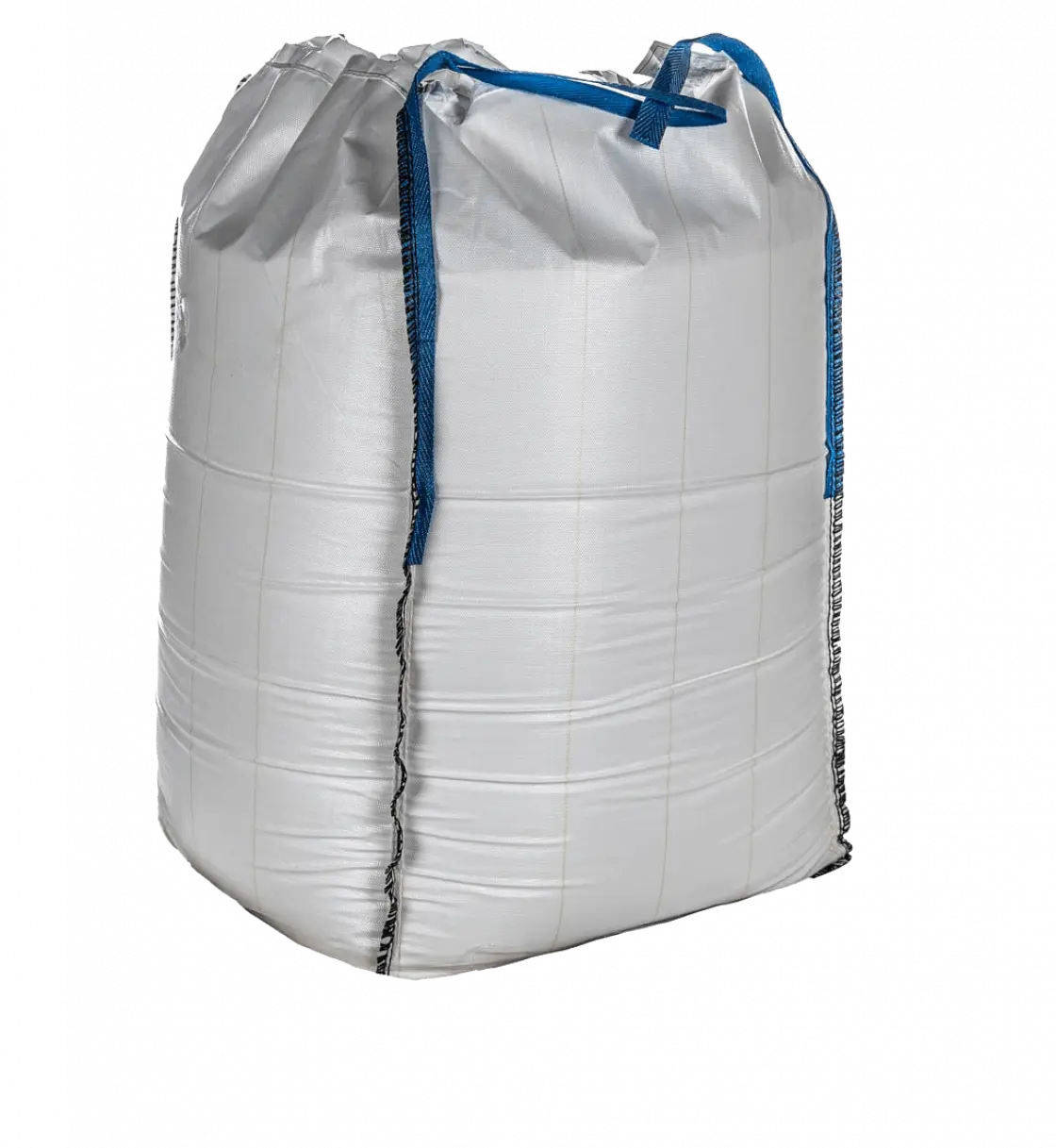
Industrial 3-METHYL-2-BENZOTHIAZOLINONE HYDRAZONE HYDROCHLORIDE Procurement FAQ
1. How do you ensure product quality consistency?
We rely on a mature China-based manufacturing system and implement strict batch control and quality inspection for every shipment. Our production process complies with ISO 9001 standards, and a COA is provided for each batch to ensure consistent and reliable quality.
2. Do you offer competitive pricing for bulk orders?
Yes, as a China-based manufacturer and bulk supplier, we provide tiered pricing based on order volume. We support FOB and CIF quotations, as well as L/C payment terms for large transactions to meet international trade requirements.
3. Can you support large-volume or long-term supply?
We have stable production capacity and a well-established supply chain, enabling continuous bulk supply. We support ton-level and container-level orders, as well as long-term cooperation projects.
4. What is your typical lead time?
For in-stock products, shipment can be arranged within 1–3 days. For bulk packaging or customized orders, lead time depends on the specific quantity and production schedule.
5. What documents do you provide?
We can provide complete documentation upon request, including COA, SDS, TDS, and other compliance certificates, meeting industrial procurement and export requirements.
6. Can you customize product specifications or packaging?
Yes, we support customization of parameters such as purity, impurities, residual solvents, and heavy metals. We also offer various bulk packaging options, including 25kg bags, drums, and IBC tanks, suitable for industrial applications and transportation.
7. What shipping options do you support?
We support both FCL (Full Container Load) and LCL (Less than Container Load) shipments, and can flexibly arrange logistics solutions based on order size to meet bulk chemical export needs.
8. Do you provide technical or application support?
Yes, we provide basic application guidance and technical support based on industry experience to help customers optimize product usage.
9. How do you handle compliance and export regulations?
We are familiar with international trade and export regulations, ensuring all products comply with relevant requirements. We also provide complete documentation to support smooth customs clearance and global delivery.
Use Bulk
Supply Factory
Direct ISO 9001
Certified Samples
Available Stable
Supply