Lithium carbonate Bulk Supply for Industrial Use
China Factory Direct
 |
|
| CAS number | 554-13-2 |
| Product name | Lithium carbonate |
| Stock | Stock readily available; annual supply capacity exceeding 1,000 tons. |
| Grade | Pharmaceutical GradeMaterial GradeSpecialty GradeIndustrial Grade |
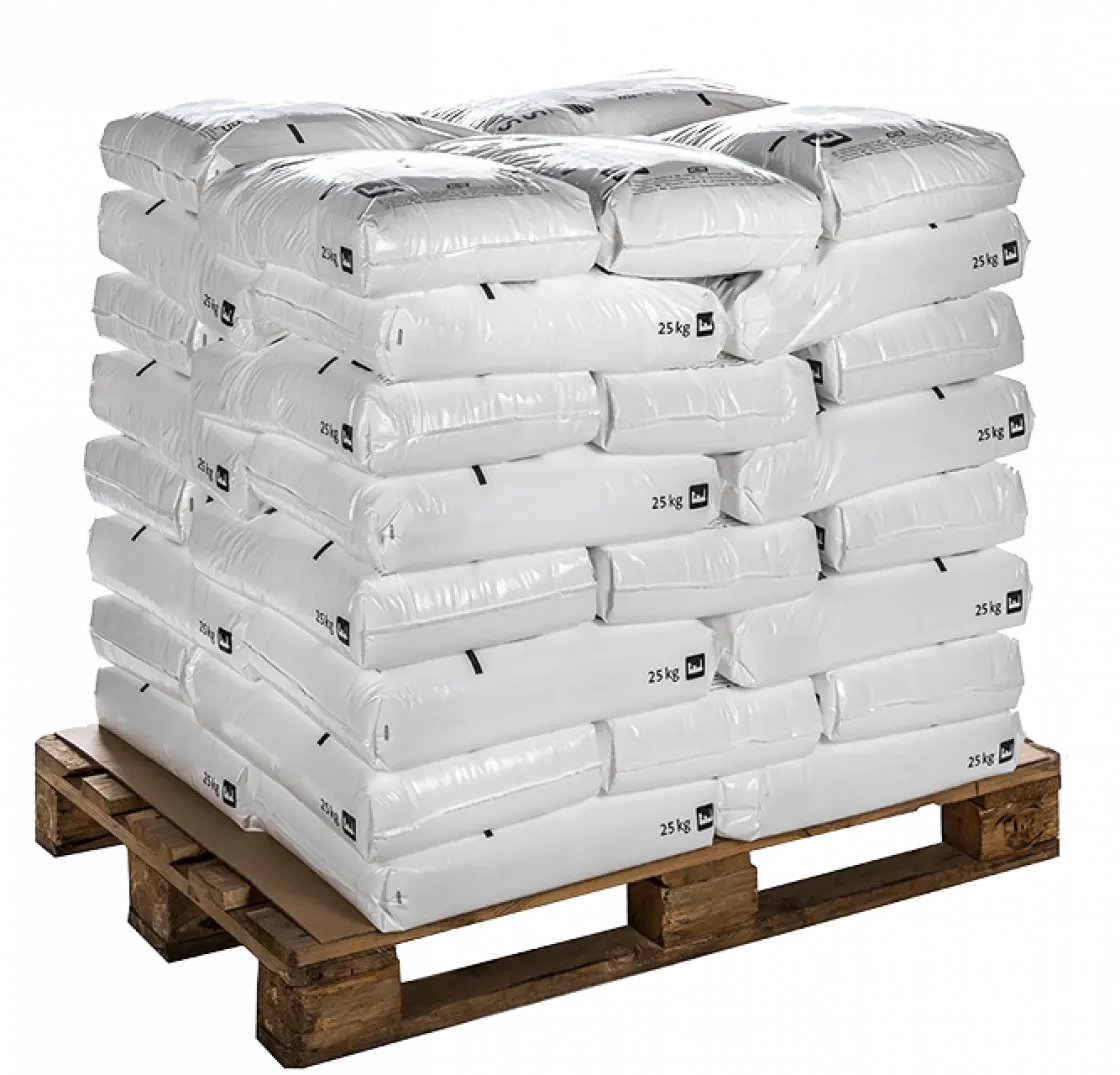
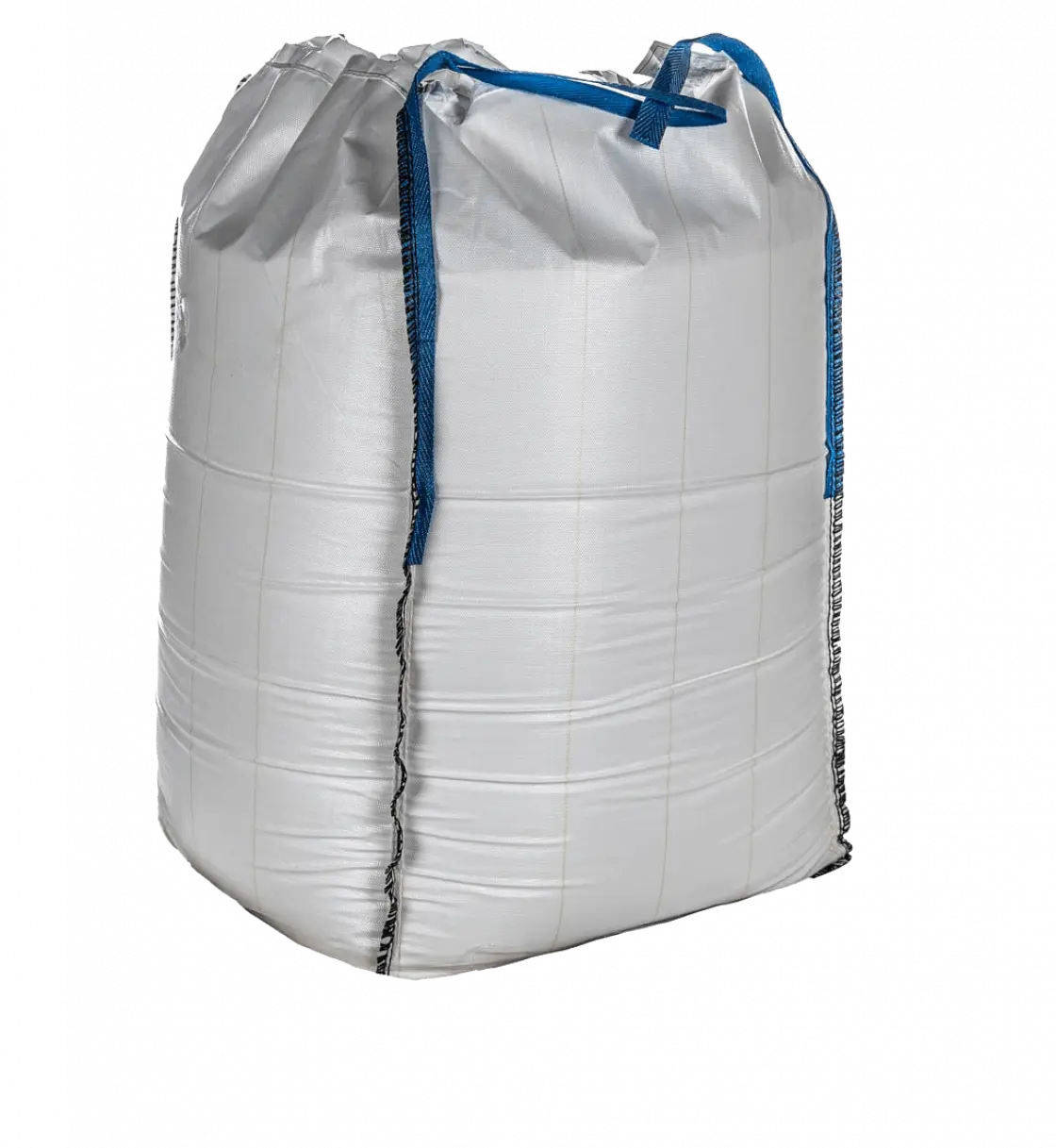
| Packaging | 25KG/bag500KG/bag1000KG/bag |
| Sample | Test Samples Available (Click to Request Samples) |
| COA | View COA |
| Price | Get Quote |
| Supply Type | Bulk / Contract manufacturing / OEM |
| Shipping | FCL / LCL available |
| Payment Terms | Support FOB \ CIF \ EXW quotations, and accept Letter of Credit (L/C). |
| Manufacturer | Greenrock Chemical(China Factory) |






QUOTE TYPE
PACKAGING TYPE
TOTAL QUANTITY(KG)
PREFERRED SHIPPING METHOD
YOUR COMPANY
YOUR E-MAIL
Calculate Summary
Based on current marketvolatility and material availability.
Documents We Provide for Lithium carbonate
Post-sale: Full documentation is provided.
To request documents, please contact us via email at sales@GRchemical.com.
Bulk Lithium carbonate Supplier from China
17+ years in chemical exports.Fully compliant, reliable supply.Your B2B partner in bulk chemical procurement.
Industrial Applications of Lithium carbonate
| Industry | Application | Process |
|---|---|---|
| Lithium-ion batteries | Precursor for cathode materials (e.g., lithium cobalt oxide, NMC, lithium iron phosphate) | High-temperature solid-state reaction: Lithium carbonate is mixed with metal oxides (e.g., Co₃O₄, NiO, MnO₂, FePO₄) in stoichiometric proportions and calcined at 800–900 °C to synthesize lithium transition-metal oxides or phosphates as cathode materials. |
| Ceramics and glass | Flux; reduces firing temperature and coefficient of thermal expansion | Added at 1–8 wt% to glazes or glass batch compositions; forms eutectic mixtures during melting at 1100–1300 °C, improving melt fluidity and densification. |
| Pharmaceuticals | First-line mood stabilizer for bipolar disorder | Administered orally; exerts pharmacological effects by modulating neuronal sodium ion transport and second-messenger systems (e.g., inhibition of inositol monophosphatase); requires therapeutic drug monitoring (target serum concentration: 0.6–1.2 mmol/L). |
| Greases | Thickener component (lithium-based greases) | Saponification with fatty acids (e.g., 12-hydroxystearic acid) at 180–220 °C forms a fibrous lithium soap network, imparting excellent mechanical stability and high-temperature resistance to the grease. |
| Aluminum smelting | Electrolyte additive (for Hall-Héroult process) | Added at 1–5 wt% to cryolite (Na₃AlF₆)-based molten salt electrolytes; lowers liquidus temperature by approximately 10–20 °C, improves current efficiency, and reduces energy consumption. |
| Nuclear industry | Raw material for tritium breeding (in fusion reactor blankets) | Sintered with beryllium oxide or aluminum oxide to produce Li₂O/BeO or LiAlO₂ ceramic pebbles; generates tritium via the ⁶Li(n,α)³H reaction under neutron irradiation. |
Manufacturing Quality Control of Lithium carbonate
| Test Item | Common Testing Methods | Method Overview |
|---|---|---|
| Assay (Li₂CO₃ Content) | Acid-Base Titration | Titration of lithium carbonate with standard hydrochloric acid solution; Li₂CO₃ content is calculated based on acid consumption. Simple to operate and low cost, suitable for routine analysis. |
| Inductively Coupled Plasma Optical Emission Spectrometry (ICP-OES) | After dissolving the sample, lithium content is determined by ICP-OES and converted to Li₂CO₃ content. High precision, suitable for simultaneous multi-element analysis. | |
| Impurity Metal Ions | Inductively Coupled Plasma Mass Spectrometry (ICP-MS) | High-sensitivity detection of trace metal impurities such as Fe, Ca, Mg, Al, Cu, Ni, Zn; suitable for quality control of high-purity lithium carbonate. |
| Chloride Ion (Cl⁻) | Ion Chromatography (IC) | Separates and quantifies chloride ions in the sample; high sensitivity and good selectivity, suitable for trace chloride detection. |
| Sulfate (SO₄²⁻) | Ion Chromatography or Turbidimetry | Ion chromatography provides accurate measurement of SO₄²⁻; turbidimetry is based on the turbidity of barium sulfate precipitate for semi-quantitative analysis, simple to perform. |
| pH Value | pH Meter Method | Dissolve lithium carbonate into a solution of defined concentration and measure pH using a pH meter to reflect hydrolysis behavior and influence of impurities. |
| Moisture Content | Karl Fischer Titration | Uses KF reagent that reacts quantitatively with water to accurately determine moisture content in samples; suitable for trace moisture analysis. |
| Loss on Ignition (LOI) | Gravimetric Method (Thermogravimetric Analysis) | Sample is heated at high temperature and mass loss is measured, used to evaluate total volatile components such as moisture and carbon dioxide. |
| Particle Size Distribution | Laser Diffraction Particle Size Analysis | Measures particle size distribution based on laser scattering principles; particularly important for battery-grade lithium carbonate, affecting downstream processing performance. |
| Tapped Density | Tapped Density Analyzer | Powder is compacted through vibration and the mass per unit volume is measured, reflecting powder packing characteristics, which influences cathode material preparation in lithium batteries. |
| Magnetic Contaminants | Magnetic Particle Detector (e.g., VSM or Magnetic Separation + Weighing) | Uses a strong magnetic field to separate magnetic metallic particles (e.g., Fe₃O₄), followed by weighing or counting, preventing short-circuit risks in batteries. |
Technical Specifications of Lithium carbonate
| Test Item | Specification |
|---|---|
| Appearance | White powder to crystals |
| Purity | >=98.5% |
| Water Content (KF) | <=0.5% |
| Residue on Ignition | <=0.1% |
| Heavy Metals | <=20 ppm |
| Total Impurities | <=1.5% |
| Single Impurity | <=0.3% |
| Solubility | Soluble in water; insoluble in ethanol |
 Specifications vary by industry. Reach out to our technical experts for a COA tailored specifically to your application. Email:selse@GRchemical.com
|
|
Download COA of Lithium carbonate
| CAS/Product ID | *Required fields | |
| Lot/Batch Number | *Required fields | |


Packaging of Lithium carbonate
Industrial Lithium carbonate Procurement FAQ
1. How do you ensure product quality consistency?
We rely on a mature China-based manufacturing system and implement strict batch control and quality inspection for every shipment. Our production process complies with ISO 9001 standards, and a COA is provided for each batch to ensure consistent and reliable quality.
2. Do you offer competitive pricing for bulk orders?
Yes, as a China-based manufacturer and bulk supplier, we provide tiered pricing based on order volume. We support FOB and CIF quotations, as well as L/C payment terms for large transactions to meet international trade requirements.
3. Can you support large-volume or long-term supply?
We have stable production capacity and a well-established supply chain, enabling continuous bulk supply. We support ton-level and container-level orders, as well as long-term cooperation projects.
4. What is your typical lead time?
For in-stock products, shipment can be arranged within 1–3 days. For bulk packaging or customized orders, lead time depends on the specific quantity and production schedule.
5. What documents do you provide?
We can provide complete documentation upon request, including COA, SDS, TDS, and other compliance certificates, meeting industrial procurement and export requirements.
6. Can you customize product specifications or packaging?
Yes, we support customization of parameters such as purity, impurities, residual solvents, and heavy metals. We also offer various bulk packaging options, including 25kg bags, drums, and IBC tanks, suitable for industrial applications and transportation.
7. What shipping options do you support?
We support both FCL (Full Container Load) and LCL (Less than Container Load) shipments, and can flexibly arrange logistics solutions based on order size to meet bulk chemical export needs.
8. Do you provide technical or application support?
Yes, we provide basic application guidance and technical support based on industry experience to help customers optimize product usage.
9. How do you handle compliance and export regulations?
We are familiar with international trade and export regulations, ensuring all products comply with relevant requirements. We also provide complete documentation to support smooth customs clearance and global delivery.
Use Bulk
Supply Factory
Direct ISO 9001
Certified Samples
Available Stable
Supply