Pigment Yellow 83 Bulk Supply for Industrial Use
China Factory Direct
 |
|
| CAS number | 5567-15-7 |
| Product name | Pigment Yellow 83 |
| Stock | Stock readily available; annual supply capacity exceeding 1,000 tons. |
| Grade | Industrial GradeSpecialty GradeMaterial GradeCosmetic GradeFood Grade |
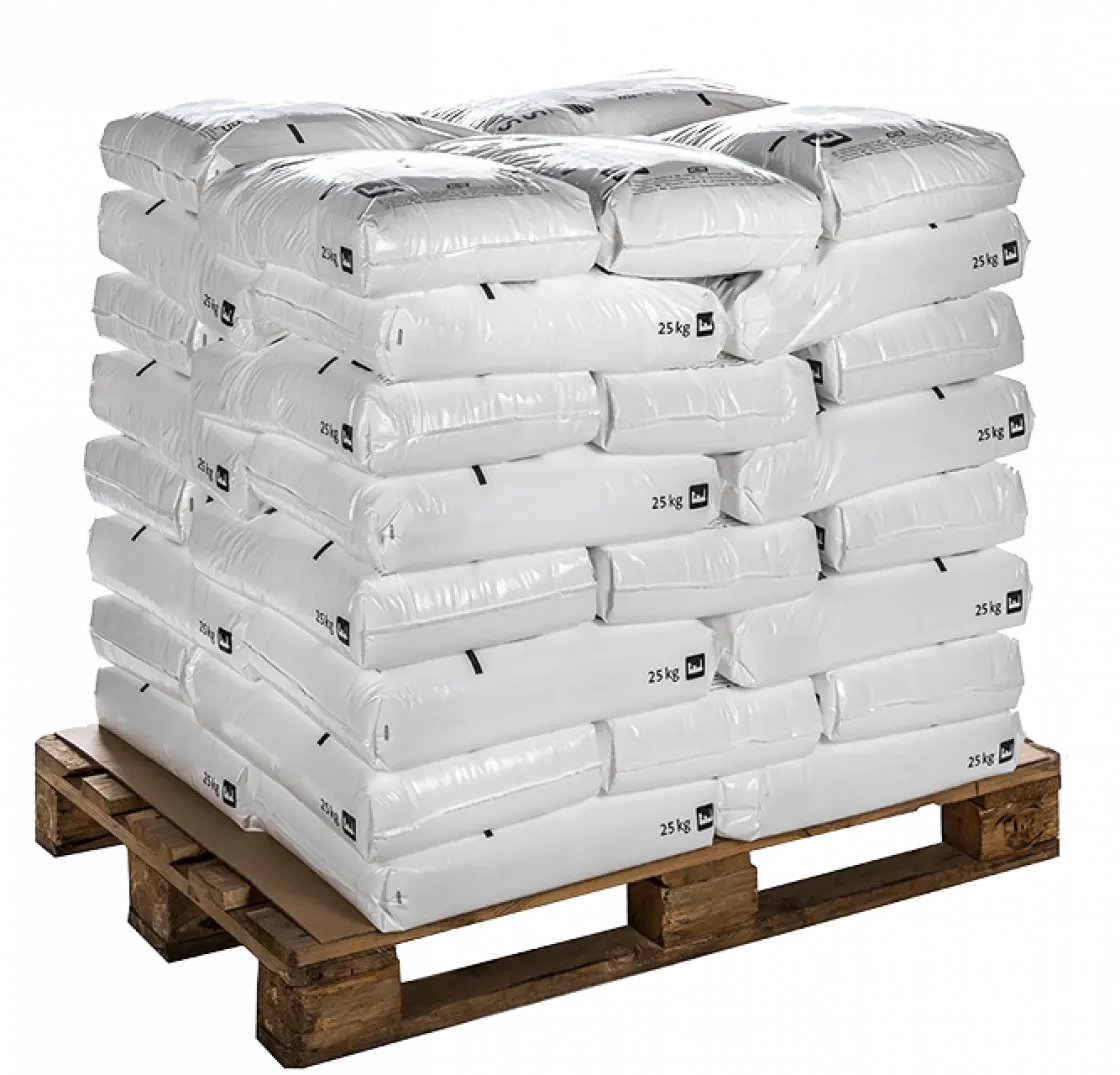
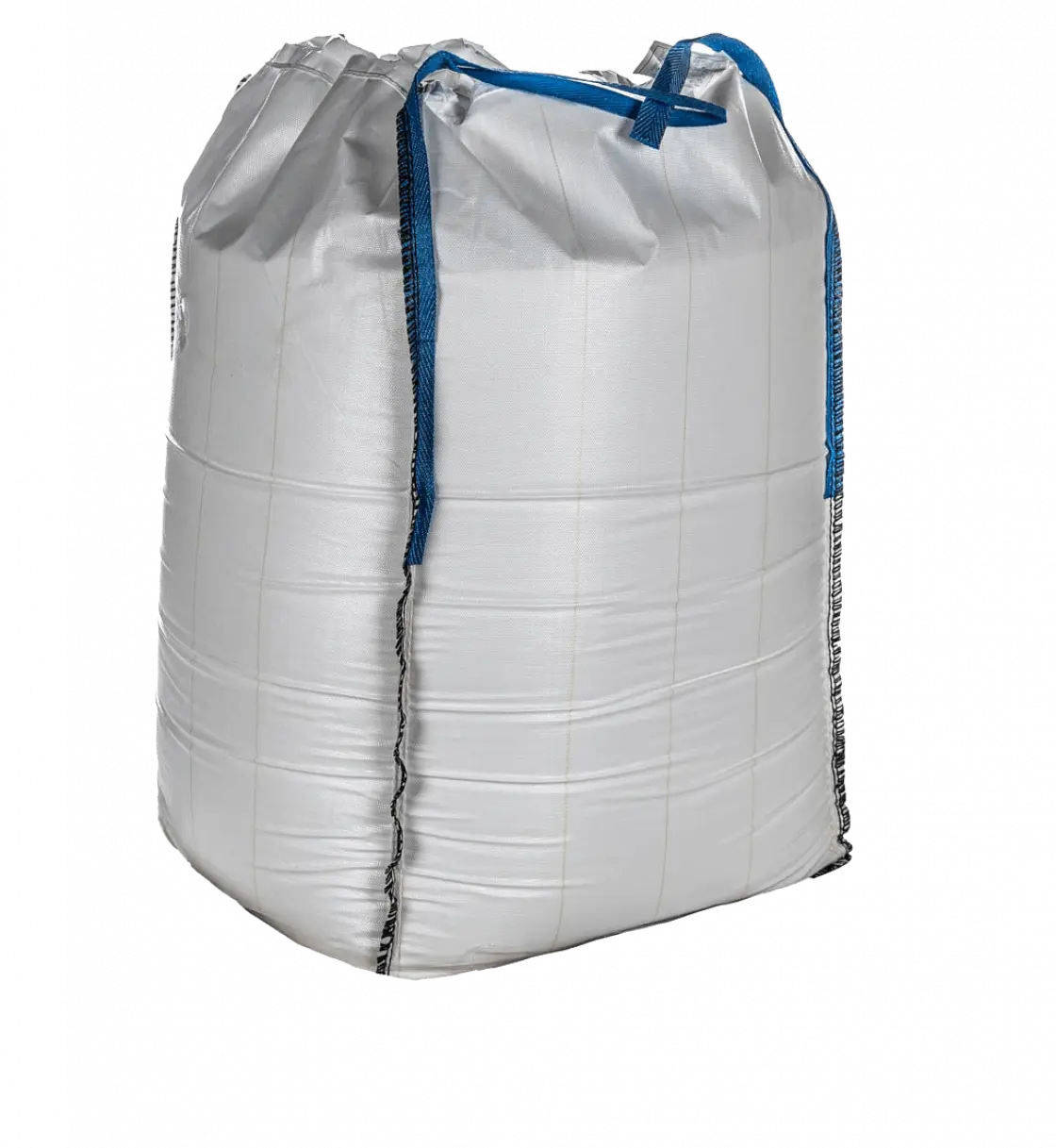
| Packaging | 25KG/bag500KG/bag1000KG/bag |
| Sample | Test Samples Available (Click to Request Samples) |
| COA | View COA |
| Price | Get Quote |
| Supply Type | Bulk / Contract manufacturing / OEM |
| Shipping | FCL / LCL available |
| Payment Terms | Support FOB \ CIF \ EXW quotations, and accept Letter of Credit (L/C). |
| Manufacturer | Greenrock Chemical(China Factory) |






QUOTE TYPE
PACKAGING TYPE
TOTAL QUANTITY(KG)
PREFERRED SHIPPING METHOD
YOUR COMPANY
YOUR E-MAIL
Calculate Summary
Based on current marketvolatility and material availability.
Documents We Provide for Pigment Yellow 83
Post-sale: Full documentation is provided.
To request documents, please contact us via email at sales@GRchemical.com.

Bulk Pigment Yellow 83 Supplier from China
17+ years in chemical exports.Fully compliant, reliable supply.Your B2B partner in bulk chemical procurement.
Industrial Applications of Pigment Yellow 83
| Industry | Application | Process |
|---|---|---|
| Pigments & Coatings | Yellow colorant for automotive OEM coatings, refinish coatings, and industrial coatings | Ground and dispersed in resin binders (e.g., acrylic resins, polyester resins), then incorporated into the paint formulation and filtered prior to use |
| Plastics | Colorant for thermoplastic polymers including polyolefins (PP, PE), PVC, PS, and ABS | Blended with polymer granules and processed via extrusion, injection molding, or blow molding; heat resistance up to 280–300°C |
| Inks | Printing inks for packaging (gravure, flexographic) and publication gravure inks | High-shear mixed with alcohol- or ester-soluble vehicles (e.g., nitrocellulose, polyamide resins), followed by triple-roll milling for particle size reduction |
| Textiles | High-temperature, high-pressure dyeing and disperse printing of polyester fibers | Applied as a micronized dispersion in high-temperature, high-pressure dyeing at 130°C, or formulated into disperse printing pastes |
| Cosmetics | Colorant for non-eye-area cosmetic products (e.g., lipsticks, nail polishes) | Added to oil-phase matrices at regulatory limits (e.g., EU Cosmetics Regulation Annex IV) following rigorous purification |
Manufacturing Quality Control of Pigment Yellow 83
| Test Item | Common Test Methods | Method Overview |
|---|---|---|
| Appearance and Color Shade | Visual Color Comparison / Instrumental Color Measurement (e.g., spectrophotometer) | Compare the sample with a standard under controlled lighting to evaluate color differences (hue, saturation); alternatively, use a spectrophotometer to quantitatively measure CIE Lab values. |
| Color Strength (Tinting Strength) | Dilution Method | Mix the pigment with a standard white pigment (e.g., titanium dioxide) in a defined ratio, then determine relative tinting strength by measuring reflectance to assess batch consistency. |
| Fineness (Particle Size Distribution) | Laser Particle Size Analysis | Use laser diffraction principles to measure particle size distribution of pigments, reflecting dispersion quality and application performance. |
| Moisture Content | Loss on Drying (LOD) | Dry a known quantity of sample at a specified temperature (e.g., 105–110°C), and calculate moisture content based on mass loss. |
| Heat Resistance | Hot Press Method or Oven Method | Heat the pigment at a specified temperature for a set time, then observe color changes or measure color difference to evaluate thermal stability during high-temperature processing. |
| Lightfastness | Accelerated Weathering Test (Xenon or UV Lamp) | Expose samples to simulated sunlight using weathering chambers (xenon or UV lamps), periodically assess color change ratings (e.g., 1–8 scale) to determine lightfastness. |
| Migration Resistance | Bleeding Test (Migration Test) | Place pigment in contact with PVC or other polymers and apply heat; observe whether the pigment migrates into adjacent materials to evaluate stability in plastics. |
| Dispersibility | Grind Gauge Method / Dispersion Stability Test | Evaluate dispersion uniformity and stability by measuring time required to reach a specific fineness during grinding, or via microscopy/dynamic image analysis. |
| pH Value | pH Meter Measurement | Stir pigment in water suspension, allow to settle, then measure pH of the supernatant using a pH meter to reflect surface treatment characteristics. |
| Volatile Matter Content | Thermogravimetric Analysis (TGA) | Measure mass change of the sample under programmed heating to determine content of volatile components (including moisture, organic substances, etc.). |
| Heavy Metal Content | Atomic Absorption Spectroscopy (AAS) or ICP-MS | After digestion, determine levels of harmful heavy metals such as lead, cadmium, and chromium using AAS or Inductively Coupled Plasma Mass Spectrometry (ICP-MS). |
| Solvent Resistance | Solvent Immersion Test | Expose pigment to various polar solvents for a specified time, observe color change or dissolution to evaluate chemical stability. |
Technical Specifications of Pigment Yellow 83
| Test Item | Specification |
|---|---|
| Appearance | Orange crystalline powder |
| Purity | >=98.5% |
| Total Impurities | <=1.5% |
| Water Content (KF) | <=0.5% |
| Heavy Metals | <=20 ppm |
| Residue on Ignition | <=0.3% |
| Solubility | Insoluble in water; soluble in chlorinated hydrocarbons and nitrobenzene |
 Specifications vary by industry. Reach out to our technical experts for a COA tailored specifically to your application. Email:selse@GRchemical.com
|
|
Download COA of Pigment Yellow 83
| CAS/Product ID | *Required fields | |
| Lot/Batch Number | *Required fields | |
Packaging of Pigment Yellow 83
Industrial Pigment Yellow 83 Procurement FAQ
1. How do you ensure product quality consistency?
We rely on a mature China-based manufacturing system and implement strict batch control and quality inspection for every shipment. Our production process complies with ISO 9001 standards, and a COA is provided for each batch to ensure consistent and reliable quality.
2. Do you offer competitive pricing for bulk orders?
Yes, as a China-based manufacturer and bulk supplier, we provide tiered pricing based on order volume. We support FOB and CIF quotations, as well as L/C payment terms for large transactions to meet international trade requirements.
3. Can you support large-volume or long-term supply?
We have stable production capacity and a well-established supply chain, enabling continuous bulk supply. We support ton-level and container-level orders, as well as long-term cooperation projects.
4. What is your typical lead time?
For in-stock products, shipment can be arranged within 1–3 days. For bulk packaging or customized orders, lead time depends on the specific quantity and production schedule.
5. What documents do you provide?
We can provide complete documentation upon request, including COA, SDS, TDS, and other compliance certificates, meeting industrial procurement and export requirements.
6. Can you customize product specifications or packaging?
Yes, we support customization of parameters such as purity, impurities, residual solvents, and heavy metals. We also offer various bulk packaging options, including 25kg bags, drums, and IBC tanks, suitable for industrial applications and transportation.
7. What shipping options do you support?
We support both FCL (Full Container Load) and LCL (Less than Container Load) shipments, and can flexibly arrange logistics solutions based on order size to meet bulk chemical export needs.
8. Do you provide technical or application support?
Yes, we provide basic application guidance and technical support based on industry experience to help customers optimize product usage.
9. How do you handle compliance and export regulations?
We are familiar with international trade and export regulations, ensuring all products comply with relevant requirements. We also provide complete documentation to support smooth customs clearance and global delivery.
Use Bulk
Supply Factory
Direct ISO 9001
Certified Samples
Available Stable
Supply