Phenolic epoxy resin Bulk Supply for Industrial Use
China Factory Direct
 |
|
| CAS number | 61788-97-4 |
| Product name | Phenolic epoxy resin |
| Stock | Stock readily available; annual supply capacity exceeding 1,000 tons. |
| Grade | Material GradeSpecialty GradeIndustrial GradeElectronic Grade |
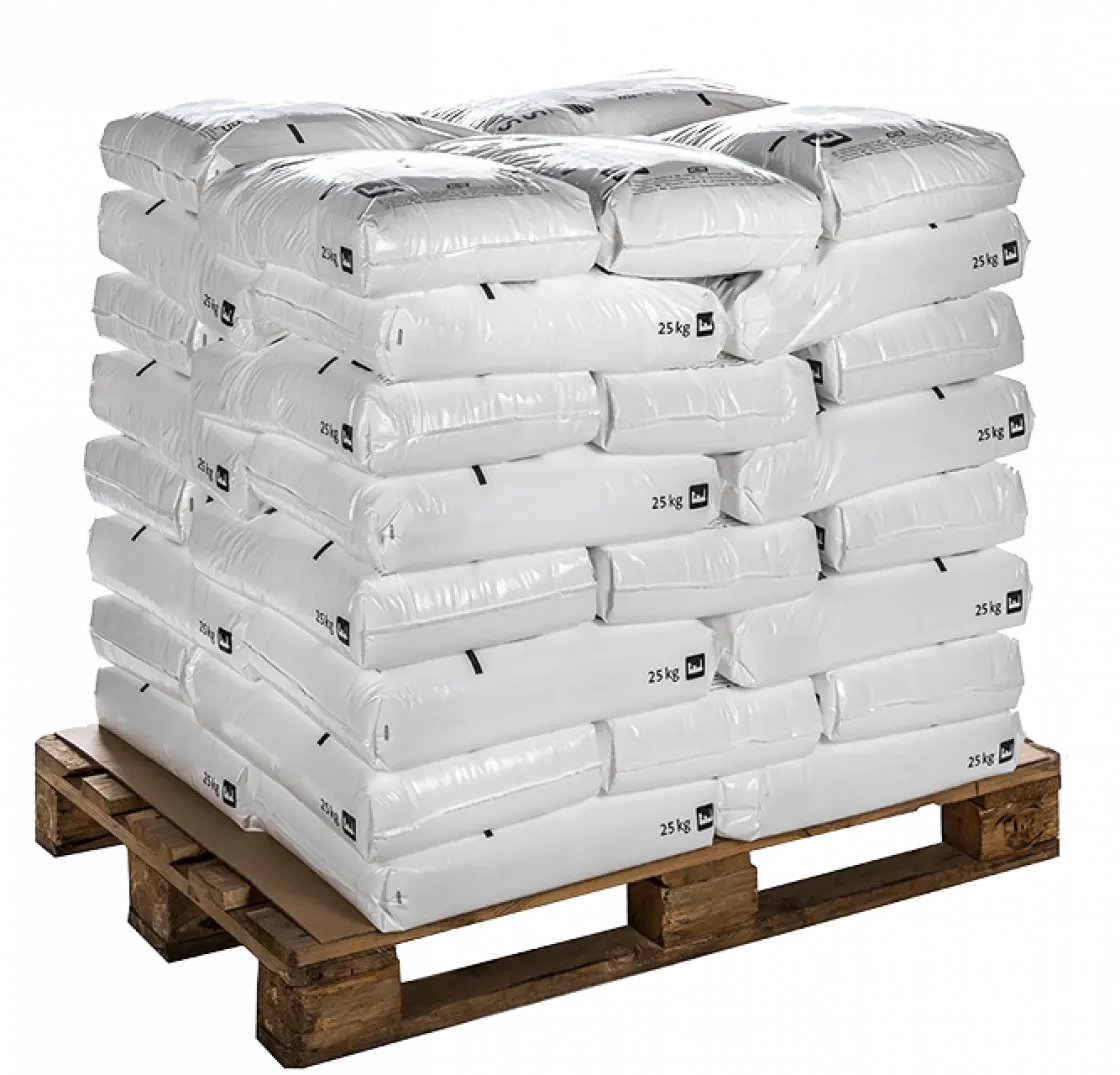
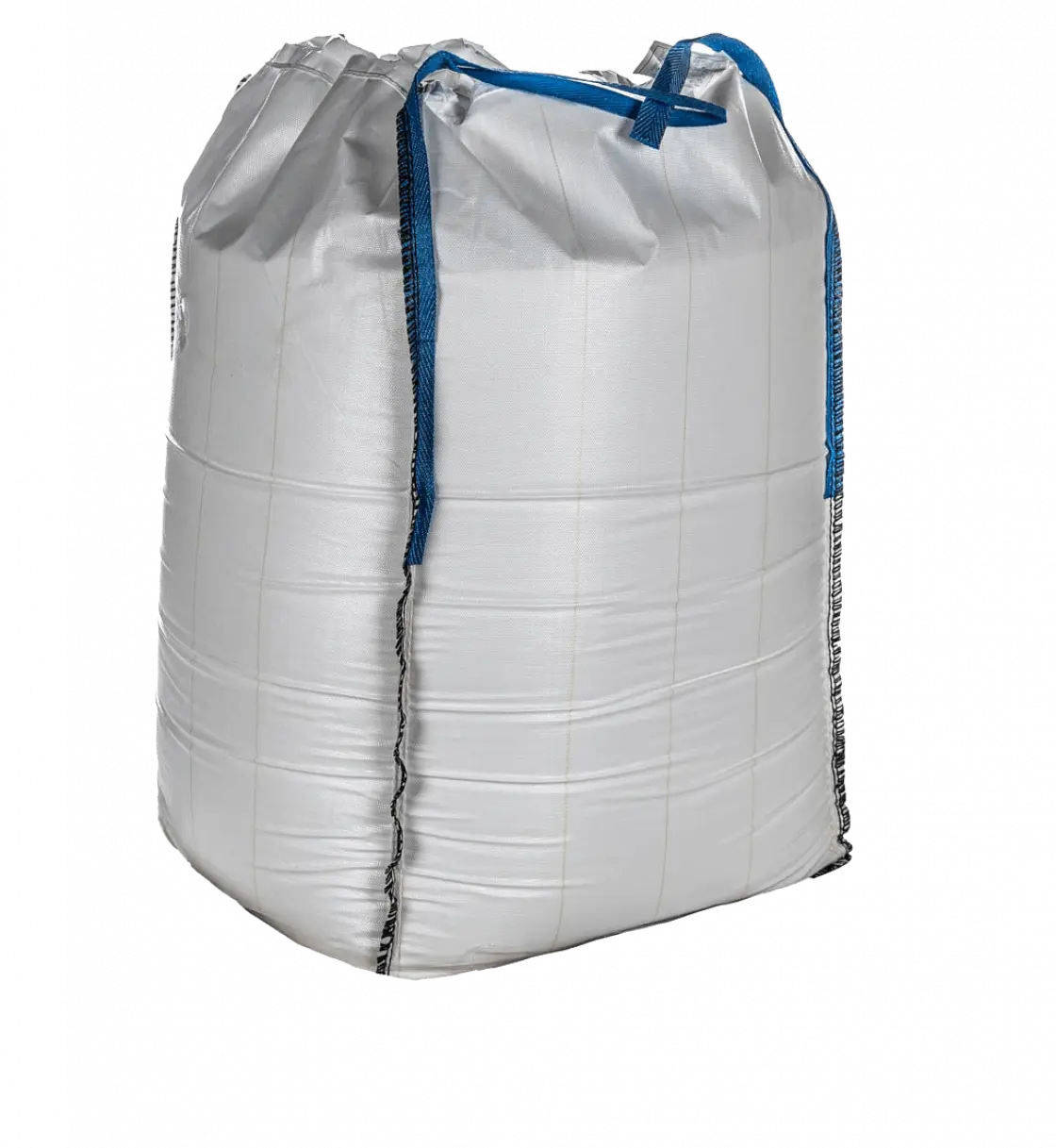
| Packaging | 25KG/bag500KG/bag1000KG/bag |
| Sample | Test Samples Available (Click to Request Samples) |
| COA | View COA |
| Price | Get Quote |
| Supply Type | Bulk / Contract manufacturing / OEM |
| Shipping | FCL / LCL available |
| Payment Terms | Support FOB \ CIF \ EXW quotations, and accept Letter of Credit (L/C). |
| Manufacturer | Greenrock Chemical(China Factory) |






QUOTE TYPE
PACKAGING TYPE
TOTAL QUANTITY(KG)
PREFERRED SHIPPING METHOD
YOUR COMPANY
YOUR E-MAIL
Calculate Summary
Based on current marketvolatility and material availability.
Documents We Provide for Phenolic epoxy resin
Post-sale: Full documentation is provided.
To request documents, please contact us via email at sales@GRchemical.com.

Bulk Phenolic epoxy resin Supplier from China
17+ years in chemical exports.Fully compliant, reliable supply.Your B2B partner in bulk chemical procurement.
Industrial Applications of Phenolic epoxy resin
| Industry | Application | Process |
|---|---|---|
| Construction | Structural adhesives | Mixed with curing agents and applied to bonding surfaces, where it cures to form a high-strength bond layer |
| Coatings | Corrosion-protection coatings | Mixed with curing agents and pigments/fillers, then sprayed or brushed onto metal surfaces to form corrosion-resistant coatings |
| Electrical & Electronics | Insulating materials | Mixed with fillers and molded into insulating components, or used for potting electronic components |
| Wind Energy | Wind blade manufacturing | Used as the matrix resin in combination with glass or carbon fibers, processed via vacuum infusion |
| Automotive | Structural part bonding | Applied for bonding vehicle structural components to enhance strength and enable lightweighting |
| Aerospace | Composite matrix resin | Combined with high-performance fibers to manufacture lightweight, high-strength aerospace components |
| Packaging | Interior coating for food cans | Formulated into rust-inhibiting, chemical-resistant interior coatings for food packaging containers |
| Civil Engineering | Concrete repair and structural reinforcement | Applied for concrete crack repair, rebar corrosion protection, and structural strengthening |
Manufacturing Quality Control of Phenolic epoxy resin
| Inspection Item | Common Testing Methods | Method Overview |
|---|---|---|
| Appearance | Visual inspection / Colorimetry (e.g., Platinum-Cobalt method) | Observe the resin's color, transparency, and presence of mechanical impurities; colorimetry quantifies color intensity to assess oxidation or impurity content. |
| Viscosity | Rotational viscometer method / Engler viscosity method | Measure the resin's flow resistance at a specified temperature using a rotational viscometer, reflecting processability and molecular weight distribution. |
| Epoxy Value (Epoxy Equivalent Weight) | Hydrochloric acid-acetone method / Perchloric acid titration method | Determine the content of epoxy groups per unit mass of resin via chemical titration; a key indicator for reactivity and formulation design. |
| Volatile Content | Oven weight-loss method | Dry the sample at a specified temperature (e.g., 105–110°C) until constant weight is achieved, then calculate the percentage loss due to volatiles to assess solvent or moisture residue. |
| Curing Time | Gel time determination / DSC method | Measure the time until gelation begins after mixing resin with curing agent; DSC analyzes exothermic peaks to evaluate reaction rate and complete curing time. |
| Degree of Cure (Crosslink Density) | DSC method / FTIR method | DSC analyzes residual reaction heat; FTIR monitors the disappearance of characteristic functional groups (e.g., epoxy peaks) to assess cure extent. |
| Thermal Stability | Thermogravimetric Analysis (TGA) | Measure mass changes of the resin under programmed heating to evaluate decomposition temperature and thermal stability. |
| Glass Transition Temperature (Tg) | DSC method / DMA method | DSC determines Tg via changes in heat capacity; DMA provides more precise Tg measurement through modulus transitions, indicating the upper service temperature limit. |
| Mechanical Properties | Tensile / Flexural / Impact tests | Prepare cured specimens and test tensile strength, flexural strength, and impact strength according to standardized methods to evaluate structural performance. |
| Water Absorption | Immersion and weighing method | Immerse cured samples in water for a specified duration, then weigh to calculate water absorption percentage, assessing moisture resistance. |
| Chemical Resistance | Chemical immersion method | Immerse samples in acidic, alkaline, or solvent media, observe visual changes or retained performance to evaluate corrosion resistance. |
| Particle Size Distribution (Powder Epoxy) | Laser diffraction particle size analysis | Applicable to powder coating-grade epoxy resins; measures particle size and distribution, affecting film uniformity and flow characteristics. |
Technical Specifications of Phenolic epoxy resin
| Test Item | Specification |
|---|---|
| Appearance | Clear, pale yellow liquid |
| Purity | >=98.5% |
| Water Content (KF) | <=0.5% |
| Acid Value (mg KOH/g) | <=1.0 |
| Refractive Index (n20/D) | 1.485–1.495 |
| Relative Density (20°C/25°C) | 1.15–1.18 g/cm³ |
| Color (APHA/Pt-Co) | <=100 |
| Total Impurities | <=1.5% |
| Solubility | Miscible with acetone, MEK, and aromatic hydrocarbons; immiscible with water |
 Specifications vary by industry. Reach out to our technical experts for a COA tailored specifically to your application. Email:selse@GRchemical.com
|
|
Download COA of Phenolic epoxy resin
| CAS/Product ID | *Required fields | |
| Lot/Batch Number | *Required fields | |


Packaging of Phenolic epoxy resin
Industrial Phenolic epoxy resin Procurement FAQ
1. How do you ensure product quality consistency?
We rely on a mature China-based manufacturing system and implement strict batch control and quality inspection for every shipment. Our production process complies with ISO 9001 standards, and a COA is provided for each batch to ensure consistent and reliable quality.
2. Do you offer competitive pricing for bulk orders?
Yes, as a China-based manufacturer and bulk supplier, we provide tiered pricing based on order volume. We support FOB and CIF quotations, as well as L/C payment terms for large transactions to meet international trade requirements.
3. Can you support large-volume or long-term supply?
We have stable production capacity and a well-established supply chain, enabling continuous bulk supply. We support ton-level and container-level orders, as well as long-term cooperation projects.
4. What is your typical lead time?
For in-stock products, shipment can be arranged within 1–3 days. For bulk packaging or customized orders, lead time depends on the specific quantity and production schedule.
5. What documents do you provide?
We can provide complete documentation upon request, including COA, SDS, TDS, and other compliance certificates, meeting industrial procurement and export requirements.
6. Can you customize product specifications or packaging?
Yes, we support customization of parameters such as purity, impurities, residual solvents, and heavy metals. We also offer various bulk packaging options, including 25kg bags, drums, and IBC tanks, suitable for industrial applications and transportation.
7. What shipping options do you support?
We support both FCL (Full Container Load) and LCL (Less than Container Load) shipments, and can flexibly arrange logistics solutions based on order size to meet bulk chemical export needs.
8. Do you provide technical or application support?
Yes, we provide basic application guidance and technical support based on industry experience to help customers optimize product usage.
9. How do you handle compliance and export regulations?
We are familiar with international trade and export regulations, ensuring all products comply with relevant requirements. We also provide complete documentation to support smooth customs clearance and global delivery.
Use Bulk
Supply Factory
Direct ISO 9001
Certified Samples
Available Stable
Supply