Quaternary ammonium compounds, di-C8-10-alkyldimethyl, chlorides Bulk Supply for Industrial Use
China Factory Direct
 |
|
| CAS number | 68424-95-3 |
| Product name | Quaternary ammonium compounds, di-C8-10-alkyldimethyl, chlorides |
| Stock | Stock readily available; annual supply capacity exceeding 1,000 tons. |
| Grade | Agricultural GradeIndustrial GradeSpecialty GradeCosmetic GradeFood Grade |
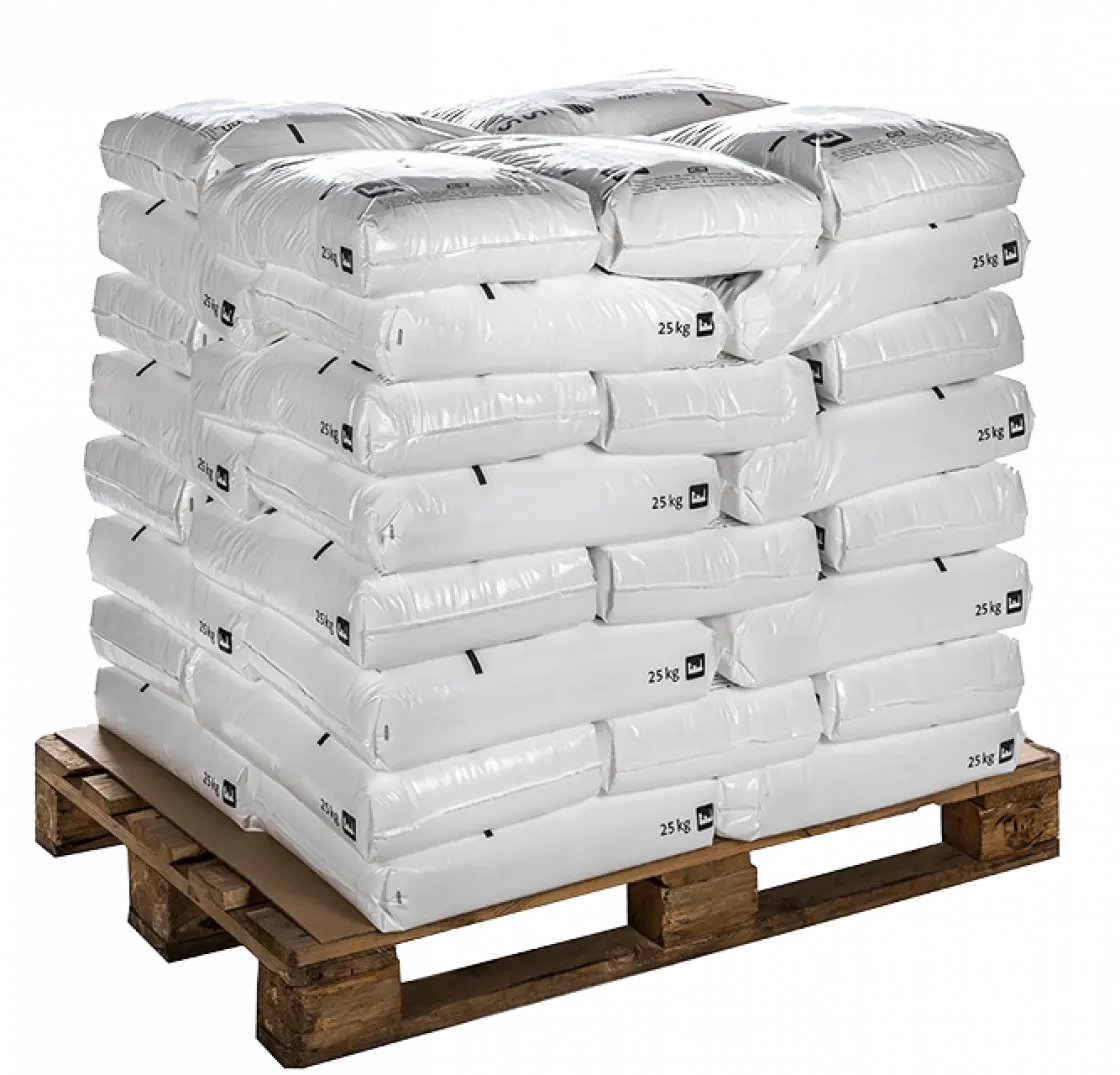
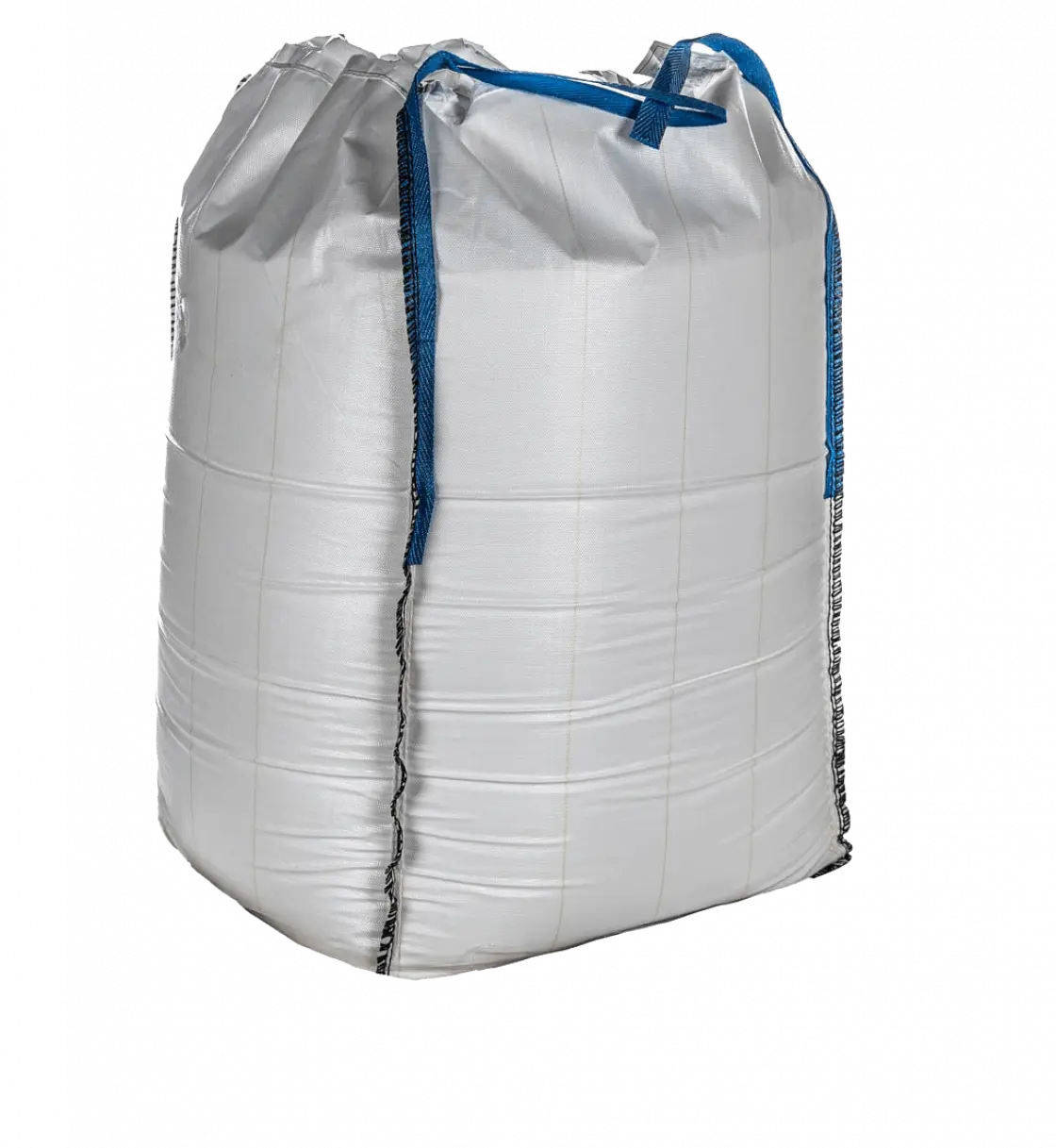
| Packaging | 25KG/bag500KG/bag1000KG/bag |
| Sample | Test Samples Available (Click to Request Samples) |
| COA | View COA |
| Price | Get Quote |
| Supply Type | Bulk / Contract manufacturing / OEM |
| Shipping | FCL / LCL available |
| Payment Terms | Support FOB \ CIF \ EXW quotations, and accept Letter of Credit (L/C). |
| Manufacturer | Greenrock Chemical(China Factory) |






QUOTE TYPE
PACKAGING TYPE
TOTAL QUANTITY(KG)
PREFERRED SHIPPING METHOD
YOUR COMPANY
YOUR E-MAIL
Calculate Summary
Based on current marketvolatility and material availability.
Documents We Provide for 68424-95-3
Post-sale: Full documentation is provided.
To request documents, please contact us via email at sales@GRchemical.com.

Bulk 68424-95-3 Supplier from China
17+ years in chemical exports.Fully compliant, reliable supply.Your B2B partner in bulk chemical procurement.
Industrial Applications of 68424-95-3
| Industry | Application | Process |
|---|---|---|
| Water Treatment | Used as a biocide and algaecide to control bacteria, algae, and biofilm in cooling water systems and industrial recirculating water | Dosed into recirculating water systems at typical concentrations of 5–50 mg/L; effective across a broad pH range (6–10); synergistic with oxidizing biocides to enhance efficacy |
| Textile & Dyeing | Used as a cationic softener and antistatic agent to improve fabric hand, drape, and antistatic performance | Applied via padding or immersion; working solution concentration: 0.5–2.0 g/L; treated for 5–10 minutes at 40–60°C, followed by drying or curing |
| Personal Care | Used as a conditioning and preservative-boosting agent in hair conditioners and skin lotions, delivering smoothing, antistatic, and mild antimicrobial effects | Added to the formulation after emulsification (<45°C) at 0.1–0.5% (w/w); commonly co-formulated with quaternary ammonium preservatives |
| Agriculture | Used as an additive in seed treatment formulations to improve adhesion and controlled release of fungicides/insecticides on seed coatings | Dissolved together with active ingredients in organic solvents, then applied to seed surfaces via spray-coating; forms a protective film upon drying |
| Oilfield Chemicals | Used as a non-oxidizing biocide in fracturing fluids and produced water systems to inhibit sulfate-reducing bacteria (SRB) and general heterotrophic bacteria (TGB) | Injected continuously or intermittently into injection water systems at dosages of 20–100 mg/L; often co-dosed with aldehydes or isothiazolinones to delay resistance development |
Manufacturing Quality Control of 68424-95-3
| Detection Item | Common Analytical Method | Method Overview |
|---|---|---|
| Active Content (Didecyl/Dioctyl Dimethyl Ammonium Chloride) | Acid-Base Titration with NaOH and KBr | Quantifies quaternary ammonium cation by back-titration after reaction with excess bromide ion to form insoluble quaternary ammonium bromide precipitate. |
| Water Content | Karl Fischer Titration | Measures water via coulometric or volumetric reaction between water, iodine, sulfur dioxide, and base in methanol medium. |
| pH (1% aqueous solution) | Potentiometric pH Measurement | Determines hydrogen ion activity using calibrated glass electrode in a standardized aqueous solution. |
| Color (APHA) | Visual Comparison or Spectrophotometric Measurement at 455 nm | Evaluates yellowness intensity by comparing sample absorbance at 455 nm against platinum-cobalt standards. |
| Density at 20°C | Digital Density Meter or Pycnometer | Measures mass per unit volume using oscillating U-tube principle or calibrated glass pycnometer. |
| Viscosity at 25°C | Rotational Viscometry | Determines resistance to flow under shear using calibrated spindle in controlled temperature bath. |
| Chloride Ion (Cl-) | Potentiometric Titration with AgNO3 | Quantifies chloride by titration with silver nitrate using silver indicator electrode or potentiometric endpoint detection. |
| Heavy Metals (as Pb) | Atomic Absorption Spectroscopy (AAS) | Measures total heavy metal content after acid digestion by quantifying absorbance of ground-state atoms in flame or graphite furnace. |
| Residue on Ignition | Gravimetric Analysis | Determines non-volatile inorganic impurities by weighing residue remaining after high-temperature ashing. |
| Organic Impurities (Related Substances) | Reverse-Phase HPLC with UV Detection | Separates and quantifies structurally related quaternary ammonium compounds using C18 column and UV absorbance detection. |
| Microbial Contamination | Plate Count Method (AOAC 977.27) | Estimates viable aerobic microorganisms by colony formation on nutrient agar after serial dilution and incubation. |
| Foaming Power (Foam Height) | Ross-Miles Foam Test | Measures foam stability and height generated by standardized solution drop method under controlled conditions. |
Technical Specifications of 68424-95-3
| Test Item | Specification |
|---|---|
| Appearance | Colorless to pale yellow liquid |
| Purity | >=98.5% |
| Water Content (KF) | <=0.5% |
| Total Impurities | <=1.5% |
| Single Impurity | <=0.5% |
| Refractive Index (n20/D) | 1.445–1.455 |
| Relative Density (20°C/25°C) | 0.87–0.89 g/cm³ |
| Solubility | Miscible with water and common organic solvents |
 Specifications vary by industry. Reach out to our technical experts for a COA tailored specifically to your application. Email:selse@GRchemical.com
|
|
Download COA of 68424-95-3
| CAS/Product ID | *Required fields | |
| Lot/Batch Number | *Required fields | |
Packaging of 68424-95-3
Industrial 68424-95-3 Procurement FAQ
1. How do you ensure product quality consistency?
We rely on a mature China-based manufacturing system and implement strict batch control and quality inspection for every shipment. Our production process complies with ISO 9001 standards, and a COA is provided for each batch to ensure consistent and reliable quality.
2. Do you offer competitive pricing for bulk orders?
Yes, as a China-based manufacturer and bulk supplier, we provide tiered pricing based on order volume. We support FOB and CIF quotations, as well as L/C payment terms for large transactions to meet international trade requirements.
3. Can you support large-volume or long-term supply?
We have stable production capacity and a well-established supply chain, enabling continuous bulk supply. We support ton-level and container-level orders, as well as long-term cooperation projects.
4. What is your typical lead time?
For in-stock products, shipment can be arranged within 1–3 days. For bulk packaging or customized orders, lead time depends on the specific quantity and production schedule.
5. What documents do you provide?
We can provide complete documentation upon request, including COA, SDS, TDS, and other compliance certificates, meeting industrial procurement and export requirements.
6. Can you customize product specifications or packaging?
Yes, we support customization of parameters such as purity, impurities, residual solvents, and heavy metals. We also offer various bulk packaging options, including 25kg bags, drums, and IBC tanks, suitable for industrial applications and transportation.
7. What shipping options do you support?
We support both FCL (Full Container Load) and LCL (Less than Container Load) shipments, and can flexibly arrange logistics solutions based on order size to meet bulk chemical export needs.
8. Do you provide technical or application support?
Yes, we provide basic application guidance and technical support based on industry experience to help customers optimize product usage.
9. How do you handle compliance and export regulations?
We are familiar with international trade and export regulations, ensuring all products comply with relevant requirements. We also provide complete documentation to support smooth customs clearance and global delivery.
Use Bulk
Supply Factory
Direct ISO 9001
Certified Samples
Available Stable
Supply