Phosphorodithioic acid, O,O-di-C1-14-alkyl esters, zinc salts Bulk Supply for Industrial Use
China Factory Direct
 |
|
| CAS number | 68649-42-3 |
| Product name | Phosphorodithioic acid, O,O-di-C1-14-alkyl esters, zinc salts |
| Stock | Stock readily available; annual supply capacity exceeding 1,000 tons. |
| Grade | Industrial GradeMaterial GradeSpecialty Grade |
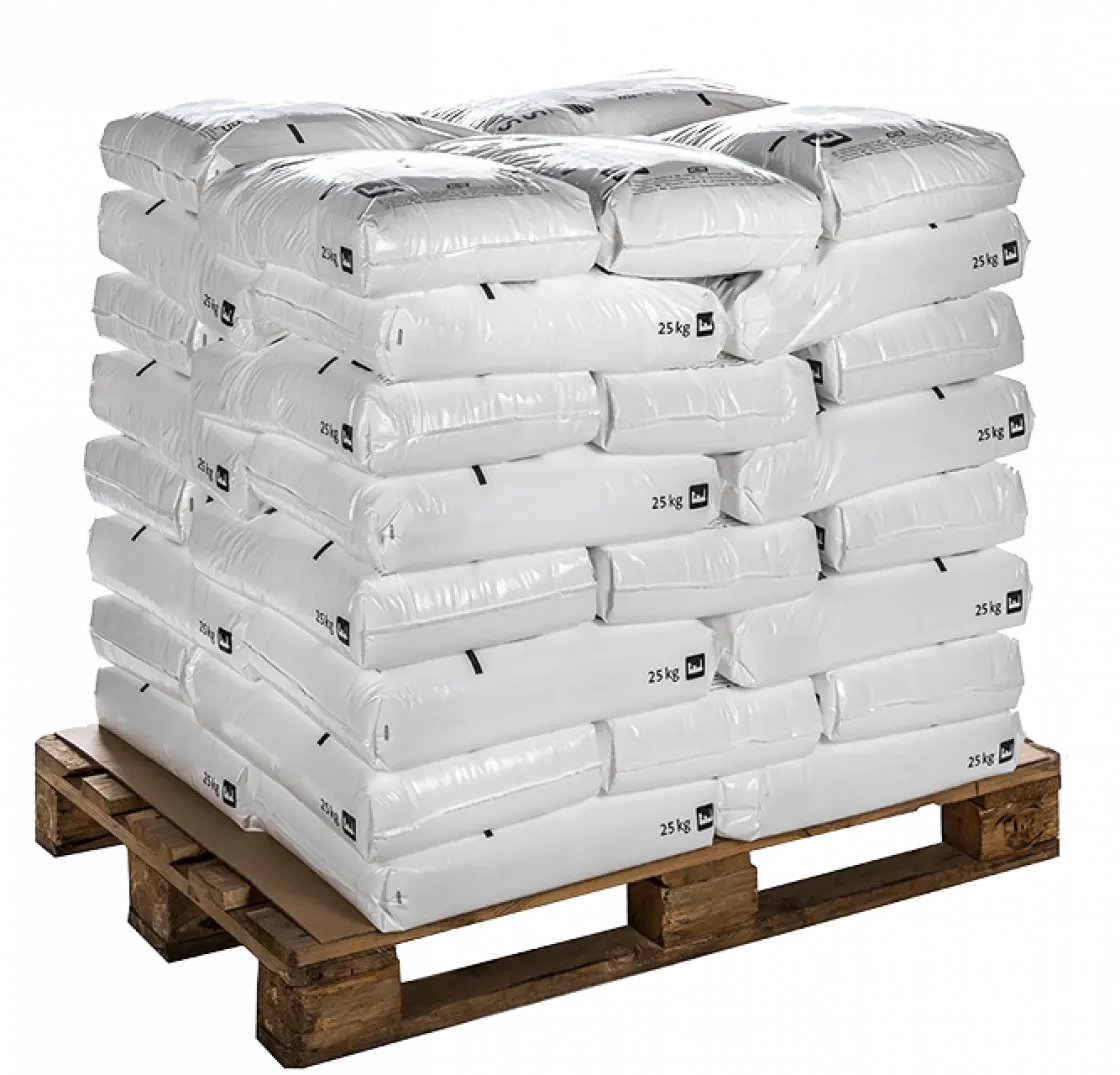
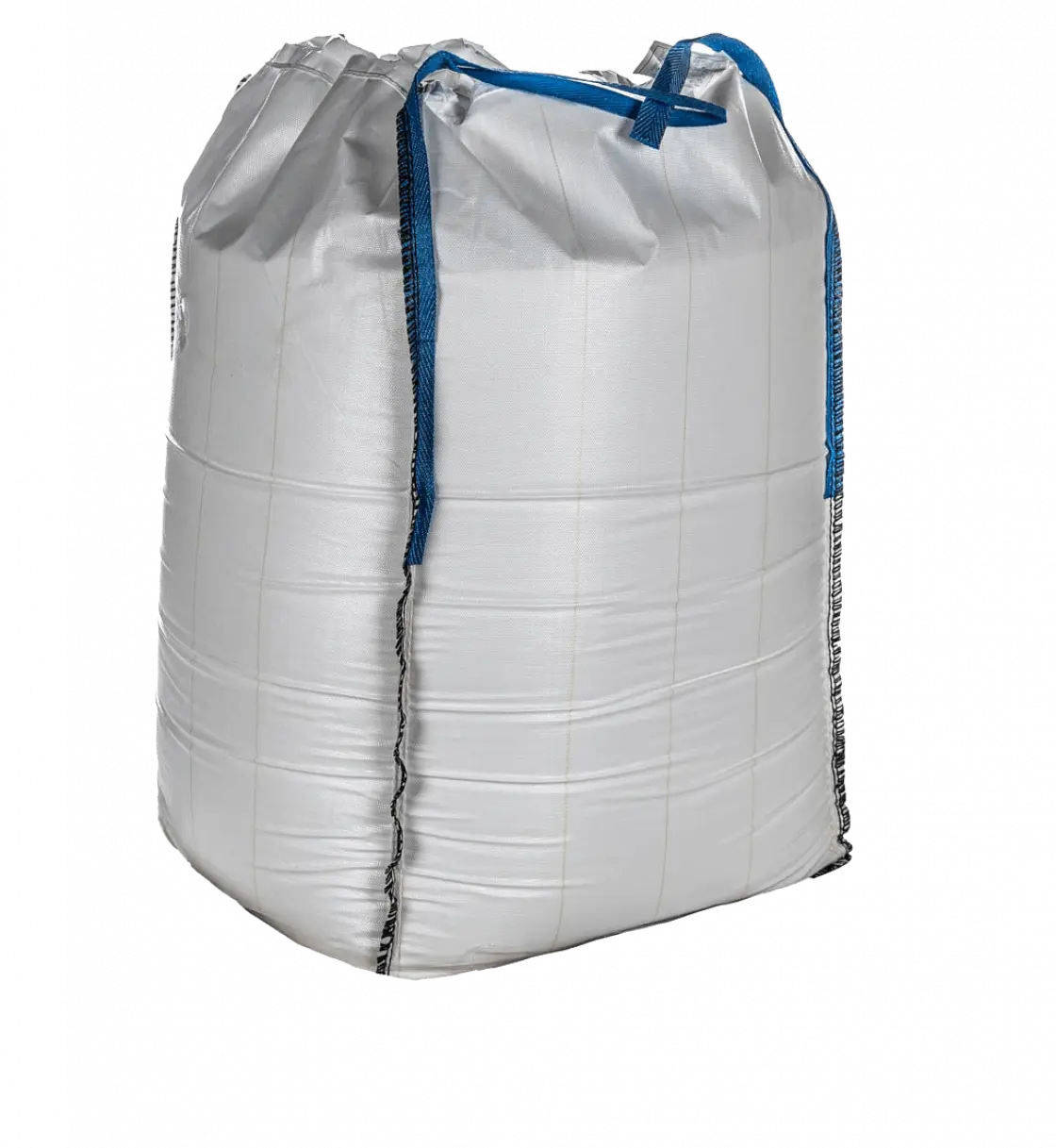
| Packaging | 25KG/bag500KG/bag1000KG/bag |
| Sample | Test Samples Available (Click to Request Samples) |
| COA | View COA |
| Price | Get Quote |
| Supply Type | Bulk / Contract manufacturing / OEM |
| Shipping | FCL / LCL available |
| Payment Terms | Support FOB \ CIF \ EXW quotations, and accept Letter of Credit (L/C). |
| Manufacturer | Greenrock Chemical(China Factory) |






QUOTE TYPE
PACKAGING TYPE
TOTAL QUANTITY(KG)
PREFERRED SHIPPING METHOD
YOUR COMPANY
YOUR E-MAIL
Calculate Summary
Based on current marketvolatility and material availability.
Documents We Provide for 68649-42-3
Post-sale: Full documentation is provided.
To request documents, please contact us via email at sales@GRchemical.com.

Bulk 68649-42-3 Supplier from China
17+ years in chemical exports.Fully compliant, reliable supply.Your B2B partner in bulk chemical procurement.
Industrial Applications of 68649-42-3
| Industry | Application | Process |
|---|---|---|
| Lubricants | Anti-wear agent, antioxidant, corrosion inhibitor | Added to base oils for internal combustion engine oils, gear oils, hydraulic oils, etc., typically at 0.1–1.5 wt%; dispersed uniformly via homogenization mixing or in-line blending |
| Metalworking fluids | Extreme pressure (EP) additive, anti-wear additive | Formulated into water-based or oil-based systems such as cutting fluids, rolling fluids, and drawing fluids; synergizes with EP components like sulfurized fatty acids to form ZnS/FeS composite protective films on metal surfaces under high-temperature, high-pressure conditions |
| Rubber industry | Vulcanization activator, accelerator activator | Used as an auxiliary in vulcanization systems for natural rubber, styrene-butadiene rubber (SBR), etc.; employed with zinc oxide to enhance the activation efficiency of accelerators (e.g., CBS, TBBS), reduce scorch time, and improve crosslink density |
| Coatings and inks | Corrosion inhibitor | Added in trace amounts to rust-inhibitive primers, marine coatings, and metal packaging inks; suppresses electrochemical corrosion by forming a hydrophobic phosphate passivation layer on metal surfaces |
Manufacturing Quality Control of 68649-42-3
| Test Item | Common Testing Methods | Method Overview |
|---|---|---|
| Appearance | Visual Inspection | Observe the color and physical state (e.g., oily liquid, transparency, presence of suspended particles or precipitates), typically appearing as a pale yellow to reddish-brown oily liquid. |
| Density | Density meter method / Specific gravity bottle method | Determine the mass-to-volume ratio of the sample at a specified temperature (e.g., 20°C or 25°C), used to assess product consistency. |
| Motion Viscosity | Engler viscometer or rotational viscometer | Measure the flow resistance of the sample at a specific temperature (e.g., 40°C or 100°C), reflecting its fluidity; commonly used for evaluating lubricant additives. |
| Flash Point (Open/Closed Cup) | Open cup method (GB/T 3536) or closed cup method | Determine the lowest temperature at which the vapor-air mixture of the sample ignites upon exposure to a flame source, assessing storage and usage safety. |
| Sulfur Content | Ultraviolet Fluorescence Method (ASTM D5453) | The sample is thermally cracked, converting sulfur compounds into SO₂, which is then quantified via ultraviolet fluorescence detection—high accuracy. |
| Phosphorus Content | Spectrophotometry (Molybdenum Blue Method) or ICP-OES | After acid digestion, phosphorus forms phosphomolybdic acid, which is reduced to molybdenum blue for colorimetric determination; alternatively, inductively coupled plasma optical emission spectrometry (ICP-OES) can be used for direct measurement. |
| Zinc Content | Atomic Absorption Spectroscopy (AAS) or ICP-OES | After sample digestion, zinc content is determined using atomic absorption or plasma emission spectroscopy—high accuracy. |
| Acid Value (AV) | Acid-Base Titration Method (GB/T 7384 or ASTM D974) | Titrate free acids in the sample with standardized potassium hydroxide ethanol solution, expressed in mg KOH/g, indicating oxidation or hydrolysis degree. |
| Purity (Main Component Content) | High-Performance Liquid Chromatography (HPLC) | Separate and quantify the main component of ZDDP, using a standard calibration curve for purity calculation—suitable for analyzing primary components in complex systems. |
| Moisture Content | Karl Fischer Titration | Utilize the reaction between iodine and sulfur dioxide in methanol with water, determining trace moisture precisely via coulometric titration—high sensitivity. |
| Thermal Stability | Thermogravimetric Analysis (TGA) | Monitor mass changes during programmed temperature increase to evaluate decomposition temperature and thermal stability. |
| Antioxidant Performance (Simulated Application) | Rotating Bomb Oxidation Test (RBOT, ASTM D2272) | Assess antioxidant capacity of ZDDP-containing oils under high temperature and pressure oxygen conditions, indirectly evaluating ZDDP activity. |
Technical Specifications of 68649-42-3
| Test Item | Specification |
|---|---|
| Appearance | Amber to light brown viscous liquid |
| Purity | >=98.5% |
| Water Content (KF) | <=0.5% |
| Acid Value (mg KOH/g) | 120–140 mg KOH/g |
| Total Impurities | <=1.5% |
| Single Impurity | <=0.5% |
| Heavy Metals | <=10 ppm |
| Color (APHA/Pt-Co) | <=300 |
 Specifications vary by industry. Reach out to our technical experts for a COA tailored specifically to your application. Email:selse@GRchemical.com
|
|
Download COA of 68649-42-3
| CAS/Product ID | *Required fields | |
| Lot/Batch Number | *Required fields | |



Packaging of 68649-42-3
Industrial 68649-42-3 Procurement FAQ
1. How do you ensure product quality consistency?
We rely on a mature China-based manufacturing system and implement strict batch control and quality inspection for every shipment. Our production process complies with ISO 9001 standards, and a COA is provided for each batch to ensure consistent and reliable quality.
2. Do you offer competitive pricing for bulk orders?
Yes, as a China-based manufacturer and bulk supplier, we provide tiered pricing based on order volume. We support FOB and CIF quotations, as well as L/C payment terms for large transactions to meet international trade requirements.
3. Can you support large-volume or long-term supply?
We have stable production capacity and a well-established supply chain, enabling continuous bulk supply. We support ton-level and container-level orders, as well as long-term cooperation projects.
4. What is your typical lead time?
For in-stock products, shipment can be arranged within 1–3 days. For bulk packaging or customized orders, lead time depends on the specific quantity and production schedule.
5. What documents do you provide?
We can provide complete documentation upon request, including COA, SDS, TDS, and other compliance certificates, meeting industrial procurement and export requirements.
6. Can you customize product specifications or packaging?
Yes, we support customization of parameters such as purity, impurities, residual solvents, and heavy metals. We also offer various bulk packaging options, including 25kg bags, drums, and IBC tanks, suitable for industrial applications and transportation.
7. What shipping options do you support?
We support both FCL (Full Container Load) and LCL (Less than Container Load) shipments, and can flexibly arrange logistics solutions based on order size to meet bulk chemical export needs.
8. Do you provide technical or application support?
Yes, we provide basic application guidance and technical support based on industry experience to help customers optimize product usage.
9. How do you handle compliance and export regulations?
We are familiar with international trade and export regulations, ensuring all products comply with relevant requirements. We also provide complete documentation to support smooth customs clearance and global delivery.
Use Bulk
Supply Factory
Direct ISO 9001
Certified Samples
Available Stable
Supply