N-OCTADECYLTRIETHOXYSILANE Bulk Supply for Industrial Use
China Factory Direct
 |
|
| CAS number | 7399-00-0 |
| Product name | N-OCTADECYLTRIETHOXYSILANE |
| Stock | Stock readily available; annual supply capacity exceeding 1,000 tons. |
| Grade | Material GradeSpecialty GradeElectronic Grade |
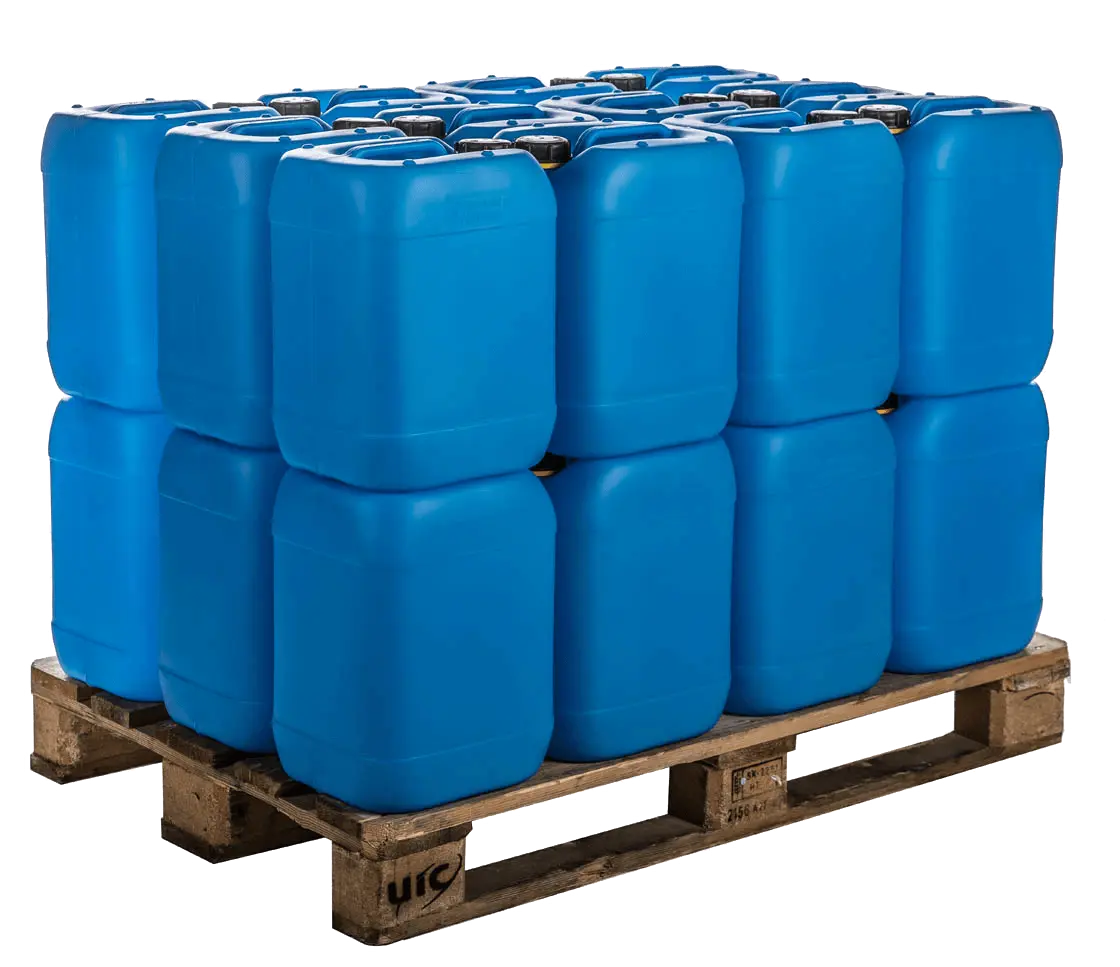
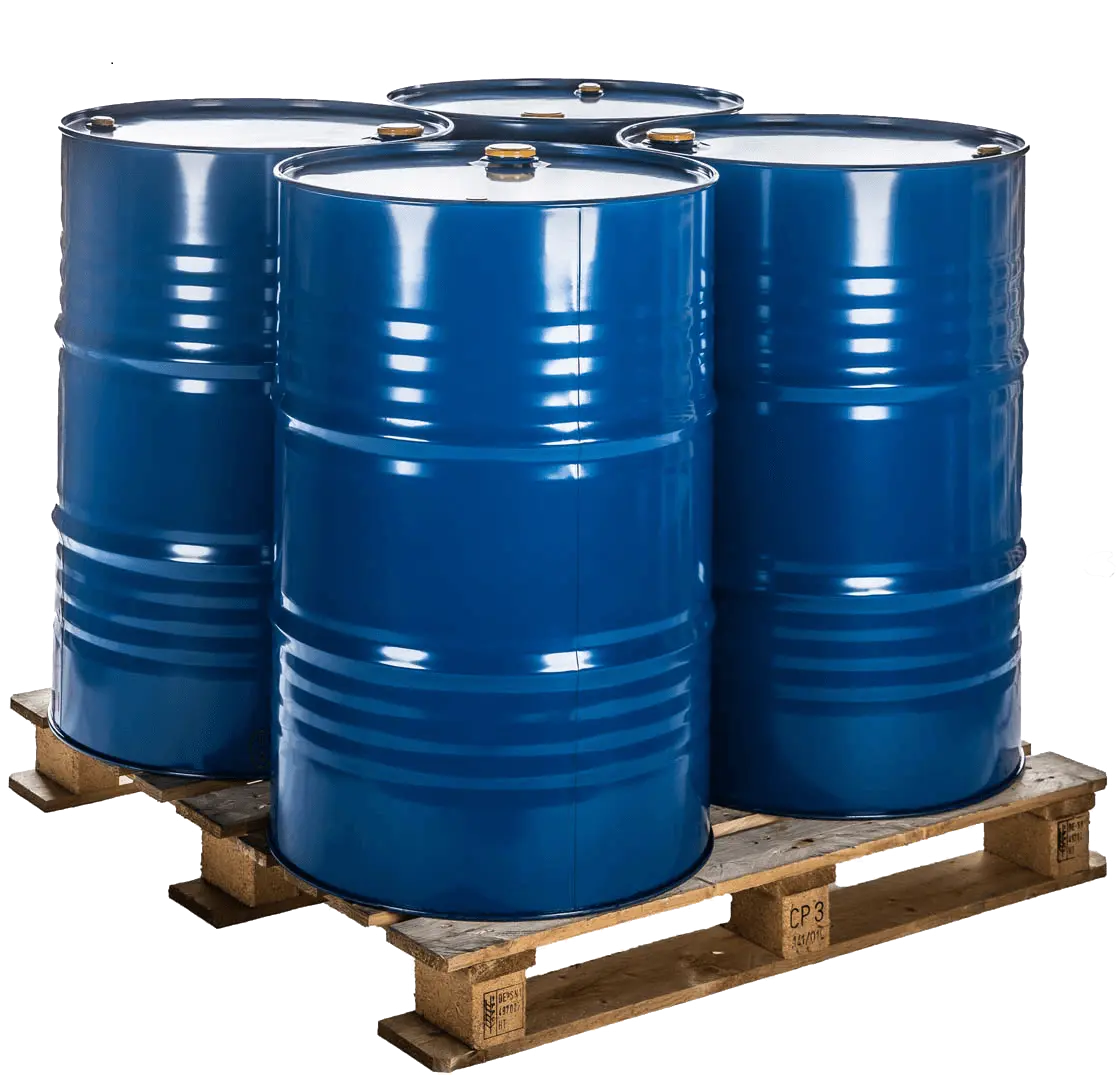
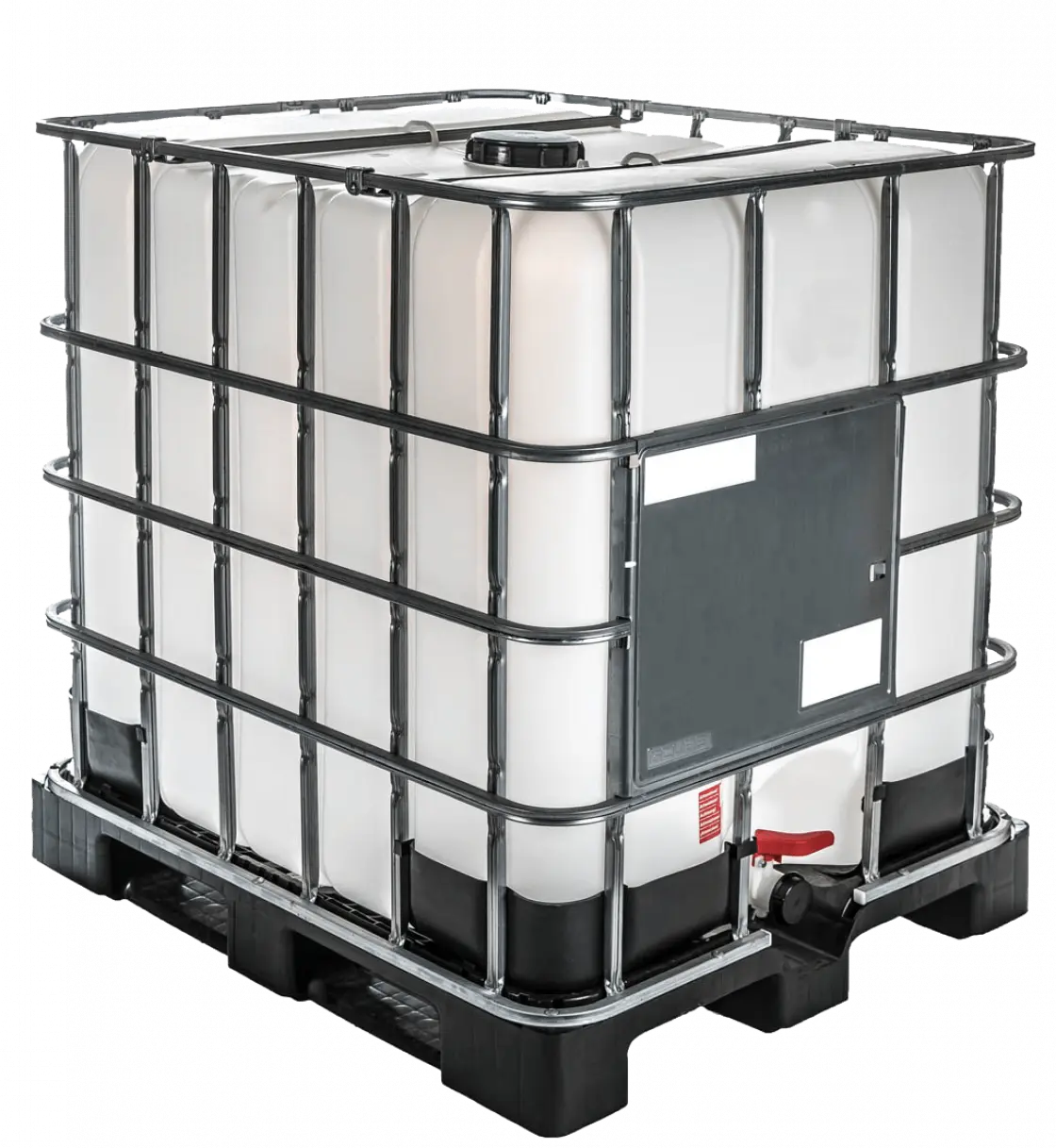
| Packaging | 25L/drum200L/drum1000L/IBC |
| Sample | Test Samples Available (Click to Request Samples) |
| COA | View COA |
| Price | Get Quote |
| Supply Type | Bulk / Contract manufacturing / OEM |
| Shipping | FCL / LCL available |
| Payment Terms | Support FOB \ CIF \ EXW quotations, and accept Letter of Credit (L/C). |
| Manufacturer | Greenrock Chemical(China Factory) |






QUOTE TYPE
PACKAGING TYPE
TOTAL QUANTITY(KG)
PREFERRED SHIPPING METHOD
YOUR COMPANY
YOUR E-MAIL
Calculate Summary
Based on current marketvolatility and material availability.
Documents We Provide for N-OCTADECYLTRIETHOXYSILANE
Post-sale: Full documentation is provided.
To request documents, please contact us via email at sales@GRchemical.com.
Bulk N-OCTADECYLTRIETHOXYSILANE Supplier from China
17+ years in chemical exports.Fully compliant, reliable supply.Your B2B partner in bulk chemical procurement.
Industrial Applications of N-OCTADECYLTRIETHOXYSILANE
| Industry | Application | Process |
|---|---|---|
| Coatings & Inks | Used as an adhesion promoter to enhance the adhesion of organic coatings to inorganic substrates such as glass and metal | Incorporated as an additive in coating formulations, typically at 0.5–2.0 wt%, blended with resin in solvent-based or water-based systems prior to application; cured thermally (120–180 °C) to form siloxane-bonded interfaces |
| Composites | Applied for surface treatment of glass fibers to improve interfacial bond strength between fibers and resin matrices (e.g., polyester, epoxy) | Glass fiber bundles are immersed in an ethanol/water (pH ≈ 4.5) solution containing 0.5–3.0% triethoxyoctadecylsilane, followed by drying at 110–130 °C to complete hydrolysis and condensation, forming a hydrophobic silane layer |
| Construction Materials | Formulated into concrete water repellents to impart hydrophobicity to cementitious materials and reduce chloride ion penetration | Either incorporated into concrete curing compounds or applied by spray onto hardened concrete surfaces; hydrolysis products react with cement hydration products (e.g., Ca(OH)₂) to generate a hydrophobic siloxane network; ambient-cure period ≥ 24 h required post-application |
| Electronic Encapsulation | Employed in LED encapsulants to improve compatibility and dispersion stability between fillers (e.g., SiO₂) and silicone resins | Pre-treated with fumed silica in dehydrated toluene (80 °C, 2 h), then mixed into addition-cure silicone systems; degassed under vacuum prior to molding and cured at 150 °C |
Manufacturing Quality Control of N-OCTADECYLTRIETHOXYSILANE
| Detection Item | Common Analytical Method | Method Overview |
|---|---|---|
| Assay (Purity) | Gas Chromatography (GC) | Separation and quantification based on volatility and retention time relative to certified standard. |
| Acid Value | Acid-Base Titration | Neutralization of acidic impurities with standardized KOH solution using phenolphthalein indicator. |
| Moisture Content | Karl Fischer Titration | Electrochemical determination of water via iodine-sulfur dioxide reaction in pyridine-methanol medium. |
| Color (APHA) | Visual Comparison or Spectrophotometry | Comparison of sample color against platinum-cobalt standards or measurement of absorbance at 430 nm. |
| Density at 20 C | Digital Density Meter | Measurement of mass per unit volume using oscillating U-tube principle with temperature control. |
| Refractive Index at 20 C | Refractometry | Determination of light bending angle at air-sample interface using calibrated prism instrument. |
| Chloride Content | Ion Chromatography (IC) | Separation and conductivity detection of chloride anions after aqueous extraction and filtration. |
| Residue on Ignition | Gravimetric Analysis | Weighing of non-volatile residue remaining after high-temperature ashing in muffle furnace. |
| Heavy Metals (as Pb) | Atomic Absorption Spectroscopy (AAS) | Quantification of total heavy metals after acid digestion by measuring atomic absorption at characteristic wavelengths. |
| Viscosity at 25 C | Rotational Viscometry | Measurement of resistance to flow under controlled shear rate using spindle-type viscometer. |
| Hydrolyzable Ethoxy Groups | Acid-Catalyzed Hydrolysis followed by GC | Cleavage of ethoxy groups to ethanol, followed by quantitative GC analysis of liberated ethanol. |
| Trace Metal Impurities (Fe, Cu, Ni) | Inductively Coupled Plasma Optical Emission Spectrometry (ICP-OES) | Multi-element detection via emission intensity of atomized and excited metals in argon plasma. |
Technical Specifications of N-OCTADECYLTRIETHOXYSILANE
| Test Item | Specification |
|---|---|
| Appearance | Colorless liquid |
| Purity | >=98.0% (GC-MS) |
| Water Content (KF) | <=0.5% |
| Total Impurities | <=2.0% |
| Single Impurity | <=0.5% |
| Refractive Index (n20/D) | 1.435–1.445 |
| Relative Density (20°C/25°C) | 0.870–0.890 g/cm³ |
| Odor | Characteristic mild odor |
 Specifications vary by industry. Reach out to our technical experts for a COA tailored specifically to your application. Email:selse@GRchemical.com
|
|
Download COA of N-OCTADECYLTRIETHOXYSILANE
| CAS/Product ID | *Required fields | |
| Lot/Batch Number | *Required fields | |
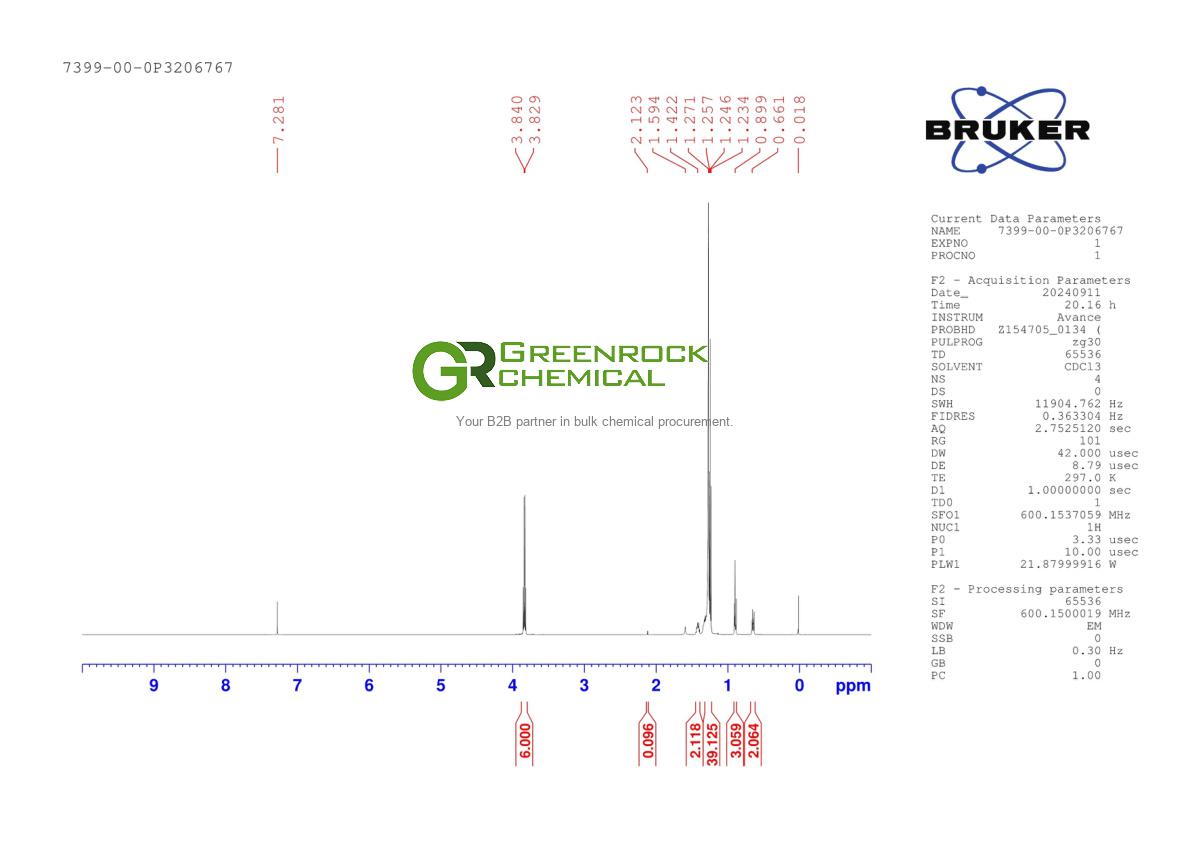
NMR Spectra of N-OCTADECYLTRIETHOXYSILANE

Packaging of N-OCTADECYLTRIETHOXYSILANE
Industrial N-OCTADECYLTRIETHOXYSILANE Procurement FAQ
1. How do you ensure product quality consistency?
We rely on a mature China-based manufacturing system and implement strict batch control and quality inspection for every shipment. Our production process complies with ISO 9001 standards, and a COA is provided for each batch to ensure consistent and reliable quality.
2. Do you offer competitive pricing for bulk orders?
Yes, as a China-based manufacturer and bulk supplier, we provide tiered pricing based on order volume. We support FOB and CIF quotations, as well as L/C payment terms for large transactions to meet international trade requirements.
3. Can you support large-volume or long-term supply?
We have stable production capacity and a well-established supply chain, enabling continuous bulk supply. We support ton-level and container-level orders, as well as long-term cooperation projects.
4. What is your typical lead time?
For in-stock products, shipment can be arranged within 1–3 days. For bulk packaging or customized orders, lead time depends on the specific quantity and production schedule.
5. What documents do you provide?
We can provide complete documentation upon request, including COA, SDS, TDS, and other compliance certificates, meeting industrial procurement and export requirements.
6. Can you customize product specifications or packaging?
Yes, we support customization of parameters such as purity, impurities, residual solvents, and heavy metals. We also offer various bulk packaging options, including 25kg bags, drums, and IBC tanks, suitable for industrial applications and transportation.
7. What shipping options do you support?
We support both FCL (Full Container Load) and LCL (Less than Container Load) shipments, and can flexibly arrange logistics solutions based on order size to meet bulk chemical export needs.
8. Do you provide technical or application support?
Yes, we provide basic application guidance and technical support based on industry experience to help customers optimize product usage.
9. How do you handle compliance and export regulations?
We are familiar with international trade and export regulations, ensuring all products comply with relevant requirements. We also provide complete documentation to support smooth customs clearance and global delivery.
Use Bulk
Supply Factory
Direct ISO 9001
Certified Samples
Available Stable
Supply