GOLD Bulk Supply for Industrial Use
China Factory Direct
 |
|
| CAS number | 7440-57-5 |
| Product name | GOLD |
| Stock | Stock readily available; annual supply capacity exceeding 1,000 tons. |
| Grade | Industrial Grade |
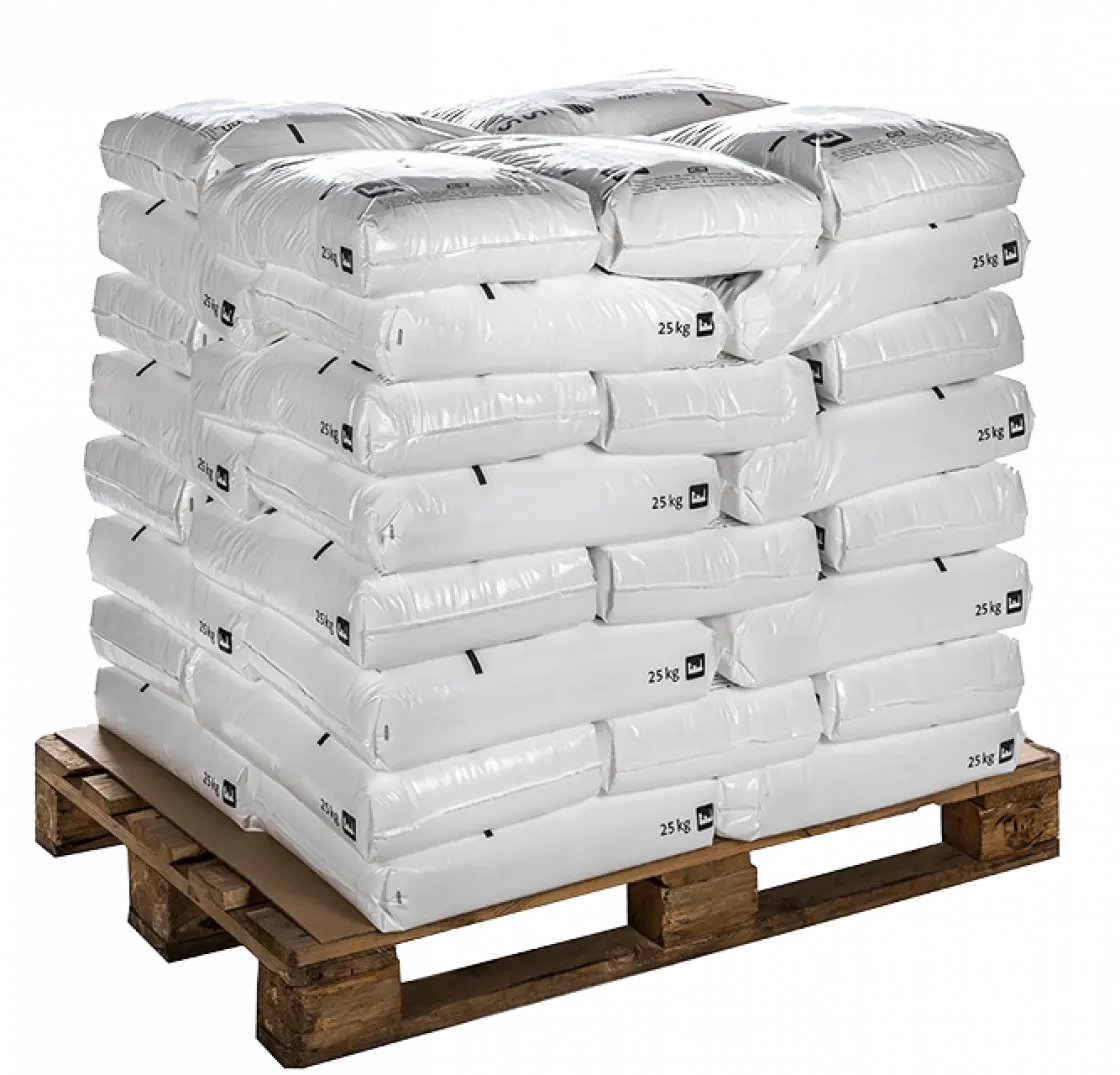
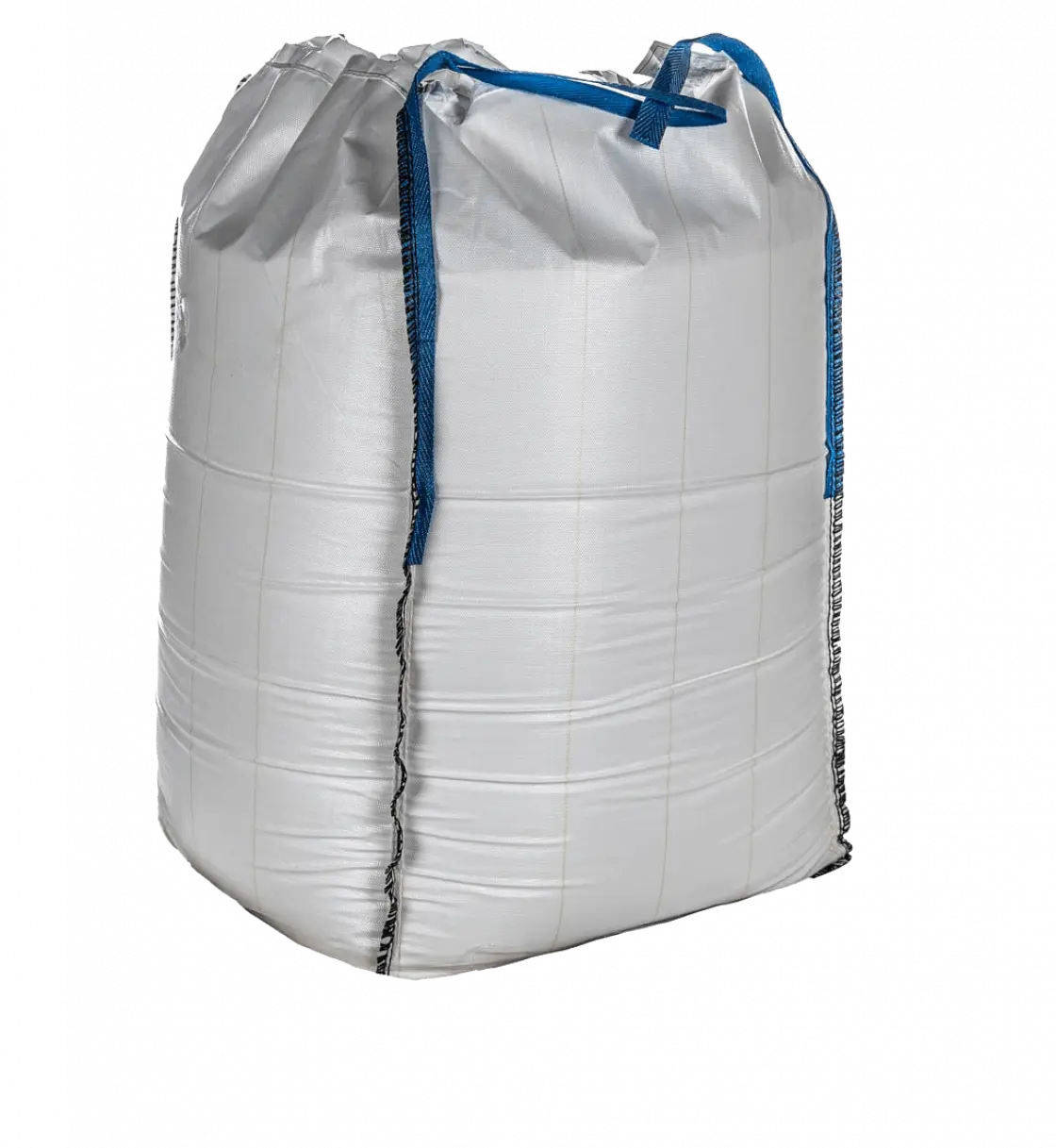
| Packaging | 25KG/bag500KG/bag1000KG/bag |
| Sample | Test Samples Available (Click to Request Samples) |
| COA | View COA |
| Price | Get Quote |
| Supply Type | Bulk / Contract manufacturing / OEM |
| Shipping | FCL / LCL available |
| Payment Terms | Support FOB \ CIF \ EXW quotations, and accept Letter of Credit (L/C). |
| Manufacturer | Greenrock Chemical(China Factory) |






QUOTE TYPE
PACKAGING TYPE
TOTAL QUANTITY(KG)
PREFERRED SHIPPING METHOD
YOUR COMPANY
YOUR E-MAIL
Calculate Summary
Based on current marketvolatility and material availability.
Documents We Provide for GOLD
Post-sale: Full documentation is provided.
To request documents, please contact us via email at sales@GRchemical.com.

Bulk GOLD Supplier from China
17+ years in chemical exports.Fully compliant, reliable supply.Your B2B partner in bulk chemical procurement.
Industrial Applications of GOLD
| Industry | Application | Process |
|---|---|---|
| Electronics Industry | Electrical contact materials, connectors, lead frames, semiconductor bonding wires | Fabricated into high-reliability electronic components via melting, wire drawing, electroplating, or sputtering—leveraging gold’s high electrical conductivity, corrosion resistance, and low contact resistance. |
| Electronics Industry | Surface finish for printed circuit boards (PCBs) | Electroless nickel immersion gold (ENIG) or electroplated gold processes applied to copper foil surfaces to prevent oxidation and ensure solderability. |
| Jewelry & Watchmaking | Jewelry manufacturing (rings, necklaces, bracelets, etc.) | Processed via melting and casting, forging, mechanical machining, and polishing; commonly alloyed with silver, copper, or other metals (e.g., 18K gold) to enhance hardness. |
| Financial Investment | Currency, bullion bars, investment coins | Refined to ≥99.99% purity using electrolytic refining or the Wohlwill process, then cast into standardized investment-grade forms. |
| Aerospace | Thermal control coatings, radiation shielding barriers | Applied via physical vapor deposition (PVD) onto spacecraft surfaces—exploiting gold’s high infrared reflectivity to reject solar radiation. |
| Aerospace | Coatings for engine components | Applied to high-temperature component surfaces to inhibit high-temperature corrosion and carbon deposit adhesion. |
| Dental & Medical Devices | Dental restorative materials (crowns, bridges, inlays) | Fabricated into precision dental prostheses via casting—utilizing gold’s biocompatibility, corrosion resistance, and ductility; frequently alloyed with other metals. |
| Pharmaceuticals & Diagnostics | Rheumatoid arthritis therapeutics | Synthesis of gold salts (e.g., sodium aurothiomalate) as anti-inflammatory agents for treating active rheumatoid arthritis. |
| Pharmaceuticals & Diagnostics | Medical diagnostic reagents | Colloidal gold-based immunochromatography—using gold nanoparticles as tracer labels in rapid test strips for pregnancy detection, pathogen identification, and other point-of-care assays. |
| Catalysis | Catalyst for chemical reactions | Supported nanogold catalysts employed in low-temperature CO oxidation, propylene epoxidation, and related chemical transformations. |
| Architectural Glass | Glass coloring and solar heat control | Gold salts incorporated into glass batch compositions or applied via in-line thermal spraying—exploiting the coloration effect of colloidal gold to produce ruby-red or solar-control glass. |
| Instrumentation & Metrology | Components for precision measuring instruments | Used in infrared spectrometer mirrors, standard resistors, thermocouples, etc.—fabricated via precision machining or thin-film deposition, leveraging gold’s stable physical and chemical properties. |
Manufacturing Quality Control of GOLD
| Test Item | Common Testing Methods | Method Overview |
|---|---|---|
| Chemical Composition Analysis | Spectroscopic Methods (e.g., OES, XRF) | Utilizes atomic emission spectroscopy or X-ray fluorescence principles to determine the content of various elements in metals. Fast and accurate, suitable for a wide range of metals. |
| Wet Chemical Analysis (Titration) | Quantitatively analyzes specific element contents through chemical reactions and titration operations. High accuracy but involves complex procedures and longer processing time. | |
| Mechanical Properties | Tensile Testing | Measures tensile strength, yield strength, elongation, etc., to evaluate the material's load-bearing capacity and ductility. |
| Hardness Testing (Brinell, Rockwell, Vickers) | Measures a material’s resistance to plastic deformation using indentation methods, used to assess material hardness and effectiveness of heat treatment. | |
| Impact Testing (e.g., Charpy Impact Test) | Determines the toughness of materials under impact loading, evaluating their behavior related to low-temperature brittleness transition. | |
| Bend Testing | Evaluates material ductility and surface quality under bending stress, commonly used for weld joints or thin plates. | |
| Metallographic Structure Analysis | Optical Microscopy | Observes microstructures of metals (e.g., grain size, phase distribution, inclusions) to assess the quality of heat treatment or manufacturing processes. |
| Scanning Electron Microscopy (SEM) + Energy Dispersive Spectroscopy (EDS) | High-magnification observation of micro-morphology combined with EDS for micro-area compositional analysis; used in failure analysis and defect detection. | |
| Surface Quality | Penetrant Testing (PT) | Uses penetrant liquids to detect surface-breaking defects such as cracks and pores; applicable to non-porous metallic materials. |
| Magnetic Particle Testing (MT) | Suitable for ferromagnetic materials; reveals surface or near-surface flaws using magnetic fields and magnetic particles. | |
| Internal Defects | Radiographic Testing (RT) | Uses X-rays or gamma rays to penetrate materials, identifying internal defects such as porosity, inclusions, and cracks via imaging. |
| Ultrasonic Testing (UT) | Uses the reflection characteristics of ultrasonic waves propagating through materials to detect internal flaws (e.g., delamination, cracks); offers high precision and strong penetration capability. | |
| Intergranular Corrosion Susceptibility | Intergranular Corrosion Testing (e.g., Sulfuric Acid-Copper Sulfate Test) | Conducts standardized corrosion tests on materials like stainless steel to assess their sensitivity to intergranular corrosion. |
| Residual Stress | X-ray Diffraction Method | Non-destructive measurement of residual stress on metal surfaces, suitable for quality control of precision components. |
| Blind Hole Drilling Method (Strain Gauge Method) | Drills a small hole on the component surface to release stress, measures deformation via strain gauges, and calculates residual stress. | |
| Coating Thickness | Magnetic Induction Method | Measures the thickness of non-magnetic coatings (e.g., paint, galvanized layers) on ferrous substrates. |
| Eddy Current Method | Suitable for measuring insulation coatings on non-magnetic metals or coatings on non-ferrous metals; non-contact method. |
Technical Specifications of GOLD
| Test Item | Specification |
|---|---|
| Appearance | Yellow powder |
| Purity | >=99.0% |
| Total Impurities | <=1.0% |
| Water Content (KF) | <=0.5% |
| Residue on Ignition | <=0.1% |
| Heavy Metals | <=20 ppm |
| Melting Point | 1064°C ± 5°C |
 Specifications vary by industry. Reach out to our technical experts for a COA tailored specifically to your application. Email:selse@GRchemical.com
|
|
Download COA of GOLD
| CAS/Product ID | *Required fields | |
| Lot/Batch Number | *Required fields | |
Packaging of GOLD
Industrial GOLD Procurement FAQ
1. How do you ensure product quality consistency?
We rely on a mature China-based manufacturing system and implement strict batch control and quality inspection for every shipment. Our production process complies with ISO 9001 standards, and a COA is provided for each batch to ensure consistent and reliable quality.
2. Do you offer competitive pricing for bulk orders?
Yes, as a China-based manufacturer and bulk supplier, we provide tiered pricing based on order volume. We support FOB and CIF quotations, as well as L/C payment terms for large transactions to meet international trade requirements.
3. Can you support large-volume or long-term supply?
We have stable production capacity and a well-established supply chain, enabling continuous bulk supply. We support ton-level and container-level orders, as well as long-term cooperation projects.
4. What is your typical lead time?
For in-stock products, shipment can be arranged within 1–3 days. For bulk packaging or customized orders, lead time depends on the specific quantity and production schedule.
5. What documents do you provide?
We can provide complete documentation upon request, including COA, SDS, TDS, and other compliance certificates, meeting industrial procurement and export requirements.
6. Can you customize product specifications or packaging?
Yes, we support customization of parameters such as purity, impurities, residual solvents, and heavy metals. We also offer various bulk packaging options, including 25kg bags, drums, and IBC tanks, suitable for industrial applications and transportation.
7. What shipping options do you support?
We support both FCL (Full Container Load) and LCL (Less than Container Load) shipments, and can flexibly arrange logistics solutions based on order size to meet bulk chemical export needs.
8. Do you provide technical or application support?
Yes, we provide basic application guidance and technical support based on industry experience to help customers optimize product usage.
9. How do you handle compliance and export regulations?
We are familiar with international trade and export regulations, ensuring all products comply with relevant requirements. We also provide complete documentation to support smooth customs clearance and global delivery.
Use Bulk
Supply Factory
Direct ISO 9001
Certified Samples
Available Stable
Supply