N-Acetyl-D-Glucosamine Bulk Supply for Industrial Use
China Factory Direct
 |
|
| CAS number | 7512-17-6 |
| Product name | N-Acetyl-D-Glucosamine |
| Stock | Stock readily available; annual supply capacity exceeding 1,000 tons. |
| Grade | Industrial Grade |
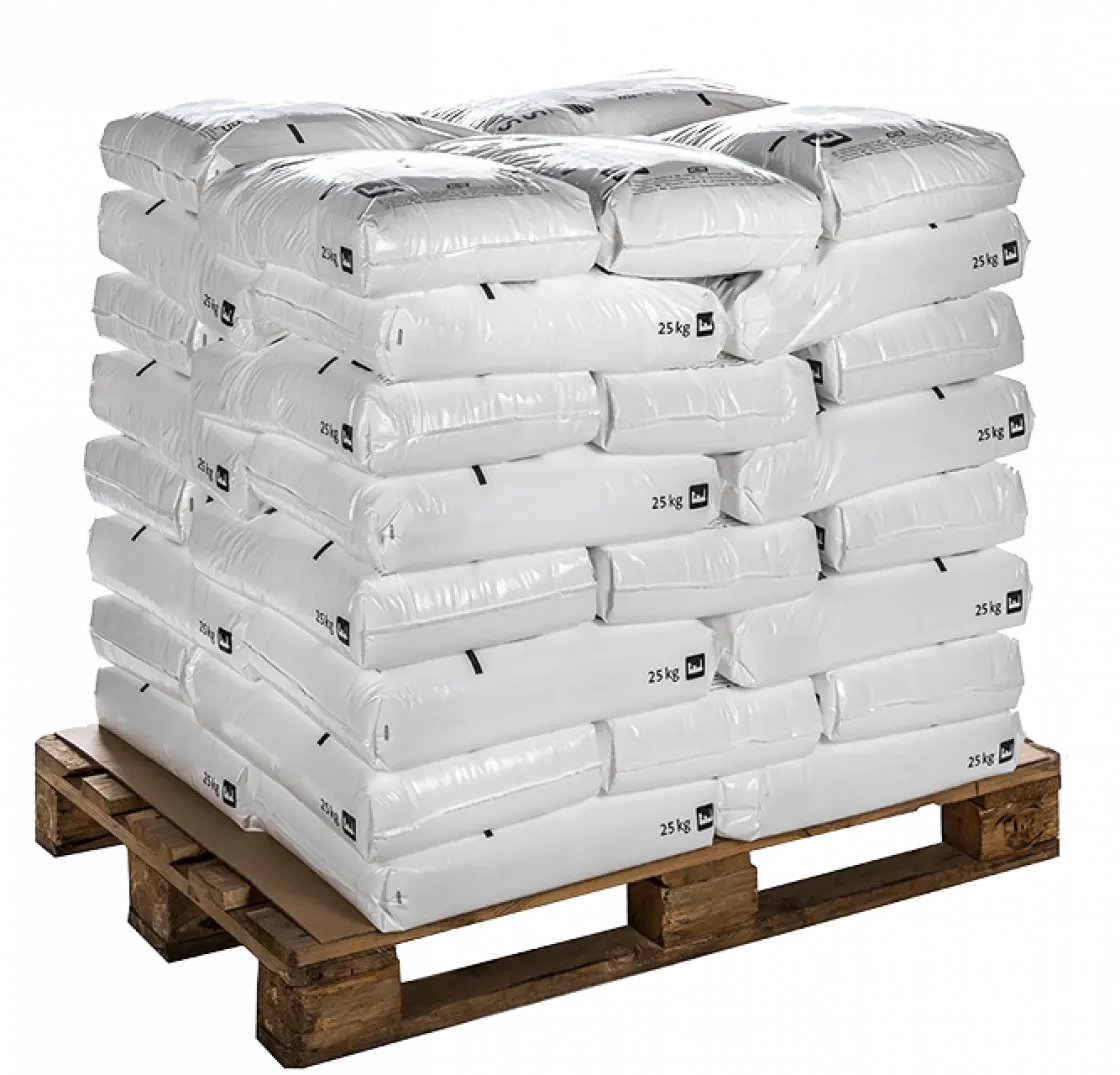
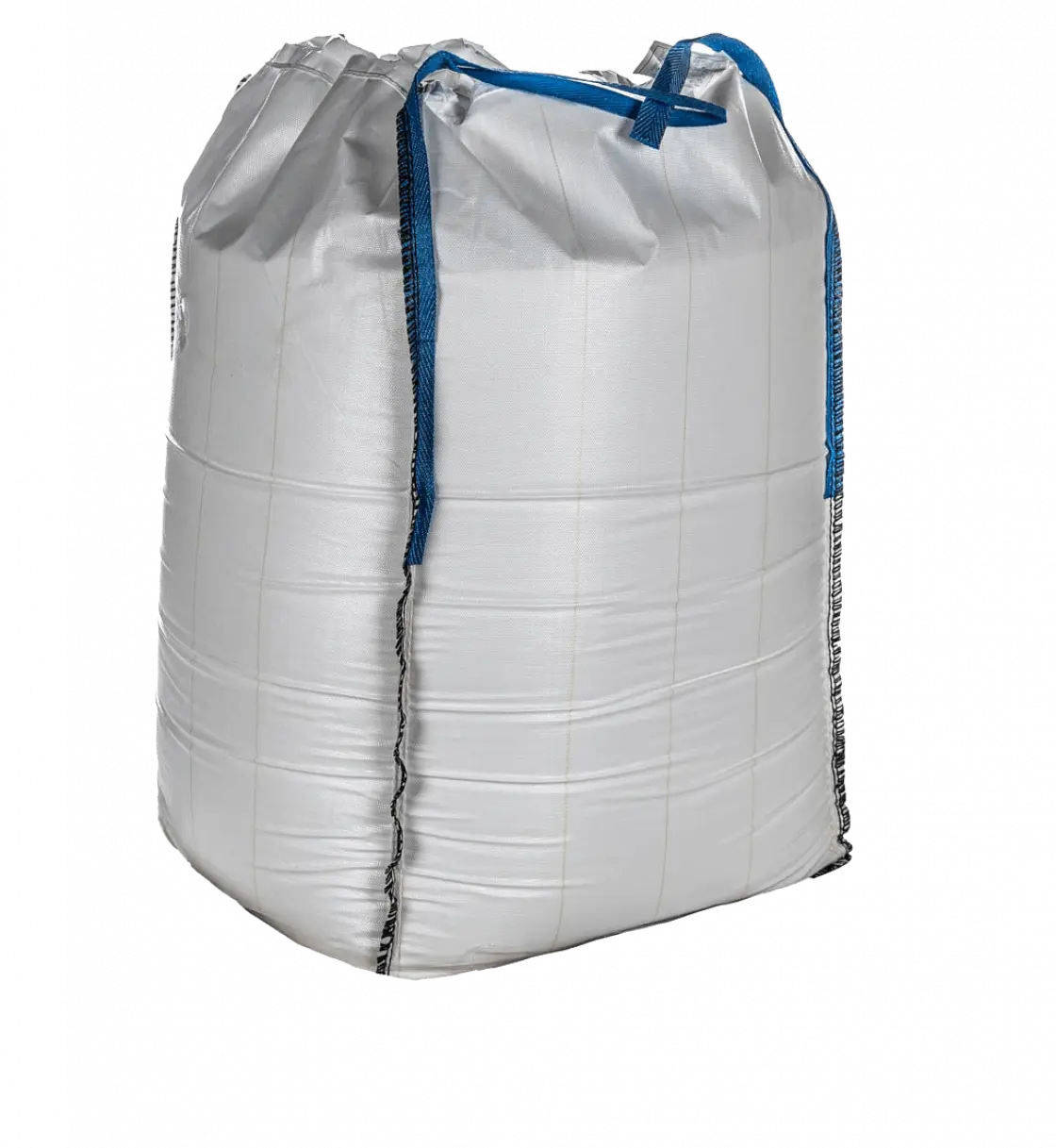
| Packaging | 25KG/bag500KG/bag1000KG/bag |
| Sample | Test Samples Available (Click to Request Samples) |
| COA | View COA |
| Price | Get Quote |
| Supply Type | Bulk / Contract manufacturing / OEM |
| Shipping | FCL / LCL available |
| Payment Terms | Support FOB \ CIF \ EXW quotations, and accept Letter of Credit (L/C). |
| Manufacturer | Greenrock Chemical(China Factory) |






QUOTE TYPE
PACKAGING TYPE
TOTAL QUANTITY(KG)
PREFERRED SHIPPING METHOD
YOUR COMPANY
YOUR E-MAIL
Calculate Summary
Based on current marketvolatility and material availability.
Documents We Provide for N-Acetyl-D-Glucosamine
Post-sale: Full documentation is provided.
To request documents, please contact us via email at sales@GRchemical.com.

Bulk N-Acetyl-D-Glucosamine Supplier from China
17+ years in chemical exports.Fully compliant, reliable supply.Your B2B partner in bulk chemical procurement.
Industrial Applications of N-Acetyl-D-Glucosamine
| Industry | Application | Process |
|---|---|---|
| Pharmaceutical Industry | Osteoarthritis Therapeutics | Used as an active pharmaceutical ingredient (API) or co-formulated with chondroitin sulfate, collagen, etc., in oral or injectable dosage forms to stimulate chondrocytes to synthesize proteoglycans and repair damaged articular cartilage. |
| Pharmaceutical Industry | Anti-inflammatory and Immunomodulatory Agent | Applied to suppress superoxide radical generation by neutrophils, thereby reducing inflammatory responses, or used as a substrate for hyaluronic acid synthesis to support tissue repair. |
| Pharmaceutical Industry | Intermediate in Drug Synthesis | Served as a starting material for synthesizing glycosylated drug derivatives with defined pharmacological activity. |
| Dietary Supplements / Functional Foods | Joint Health Supplement | Formulated into capsules, tablets, or powders as the primary active ingredient in dietary supplements for preventing and alleviating degenerative joint disorders and increasing synovial fluid viscosity. |
| Cosmetics Industry | Moisturizing and Anti-aging Additive | Incorporated into creams, lotions, and other skincare formulations as a precursor to natural moisturizing factors (NMFs) to promote hyaluronic acid synthesis, enhance skin hydration, and reduce wrinkle formation. |
| Cosmetics Industry | Skin Repair Agent | Applied in restorative skincare or cosmeceutical products to promote epidermal cell proliferation and wound healing, thereby improving skin barrier function. |
| Bioengineering / Culture Media | Cell Culture Medium Component | Added as a carbon source or specific metabolic substrate in microbial or mammalian cell fermentation processes to support glycoprotein synthesis and extracellular matrix production, thereby enhancing cell culture density and viability. |
| Food Industry | Nutritional Fortificant | Added to dairy products, beverages, or functional foods to enrich amino-glycan nutrients and support connective tissue health. |
| Chemical Engineering / Materials | Precursor for Biomaterial Synthesis | Utilized in chemical modification or biopolymerization processes to produce hydrogels, microspheres, or biodegradable materials for applications including controlled drug delivery systems and tissue engineering scaffolds. |
Manufacturing Quality Control of N-Acetyl-D-Glucosamine
| Test Item | Common Testing Methods | Method Overview |
|---|---|---|
| Purity (Content Determination) | High-Performance Liquid Chromatography (HPLC) | Uses a reversed-phase C18 column or amino column, with water-acetonitrile or buffer salts as mobile phase. Detection by UV detector (200–210 nm) or refractive index detector (RID), quantification via external standard method to calculate GlcNAc content. Suitable for high-purity sample analysis. |
| Ion Chromatography (IC) | Separation using a strong anion exchange column, detection by conductivity detector. No derivatization required, suitable for high-sensitivity quantification of water-soluble sugars and ionic impurities. | |
| Enzymatic Assay | Utilizes N-acetylglucosamine oxidase to specifically catalyze GlcNAc into hydrogen peroxide, followed by a colorimetric reaction using peroxidase. Absorbance is measured by spectrophotometry, suitable for selective detection in biological samples or complex matrices. | |
| Water Content | Karl Fischer Titration (K-F) | Quantitative reaction between water and an iodine-sulfur dioxide-pyridine-methanol system to determine trace moisture. A pharmacopoeia-recognized method with high precision, suitable for moisture control in active pharmaceutical ingredients (APIs). |
| Drying Method (Vacuum Drying) | Drying the sample to constant weight at a specified temperature (e.g., 105 °C) under reduced pressure, calculating the percentage weight loss. Suitable for preliminary moisture estimation, with lower accuracy than K-F. | |
| Residue on Ignition (Sulfated Ash) | Residue on Ignition Method (Pharmacopoeia Method) | Sample is incinerated at high temperature (500–600 °C) until constant weight, and the residual inorganic matter is weighed to calculate ash content. Used to assess total inorganic impurities. |
| Heavy Metal Content | Atomic Absorption Spectroscopy (AAS) or ICP-MS | After sample digestion, heavy metals such as lead, cadmium, mercury, and arsenic are analyzed using AAS or ICP-MS. Complies with ICH Q3D or pharmacopoeial heavy metal limits. |
| Residual Solvents | Gas Chromatography (GC) | Headspace or direct injection is used, separation performed on a capillary column for residual solvents like methanol, ethanol, acetone, etc., with FID detection. Complies with ICH Q3C standards. |
| Isomers / Impurity Analysis | HPLC-MS / LC-MS | Uses mass spectrometry coupled with chromatography to separate and identify structurally related impurities (e.g., N-acetylmannosamine, glucosamine). Used for impurity profiling with high sensitivity for qualitative and quantitative analysis. |
| pH Value | pH Meter Method | Sample is prepared as a solution of specified concentration (e.g., 10 mg/mL) and pH is measured using a calibrated pH meter, ensuring compliance with the acid-base range required for formulations or APIs (typically pH 5.0–7.0). |
| Solubility and Appearance | Visual Inspection + Solubility Test | Observe sample color, crystal form, and presence of foreign matter; test solubility in water, ethanol, etc., to meet pharmacopoeial specifications for physical appearance. |
| Microbial Limits | Microbial Count + Control Organism Testing | According to ChP General Chapter 1105/1106, perform total aerobic microbial count, mold and yeast count, and test for specified control organisms such as Escherichia coli and Salmonella spp., ensuring sterility or low bioburden. |
| Glycosidic Bond / Structural Confirmation | Nuclear Magnetic Resonance Spectroscopy (¹H-NMR / ¹³C-NMR) | Confirm molecular structure through characteristic proton signals (e.g., H-1, H-2, N-Acetyl methyl peak) and carbon signals. Used for identification and structural verification, a high-level quality control method. |
Technical Specifications of N-Acetyl-D-Glucosamine
| Test Item | Specification |
|---|---|
| Appearance | White solid |
| Purity | >=98.5% (HPLC) |
| Water Content (KF) | <=0.5% |
| Melting Point | 197°C to 203°C |
| Optical Rotation | +39.0° to +42.0° (c=1, in H2O) |
| Total Impurities | <=1.5% (HPLC) |
| Single Impurity | <=0.5% (HPLC) |
| Residue on Ignition | <=0.1% |
| Heavy Metals | <=10 ppm |
 Specifications vary by industry. Reach out to our technical experts for a COA tailored specifically to your application. Email:selse@GRchemical.com
|
|
Download COA of N-Acetyl-D-Glucosamine
| CAS/Product ID | *Required fields | |
| Lot/Batch Number | *Required fields | |
NMR Spectra of N-Acetyl-D-Glucosamine


Packaging of N-Acetyl-D-Glucosamine
Industrial N-Acetyl-D-Glucosamine Procurement FAQ
1. How do you ensure product quality consistency?
We rely on a mature China-based manufacturing system and implement strict batch control and quality inspection for every shipment. Our production process complies with ISO 9001 standards, and a COA is provided for each batch to ensure consistent and reliable quality.
2. Do you offer competitive pricing for bulk orders?
Yes, as a China-based manufacturer and bulk supplier, we provide tiered pricing based on order volume. We support FOB and CIF quotations, as well as L/C payment terms for large transactions to meet international trade requirements.
3. Can you support large-volume or long-term supply?
We have stable production capacity and a well-established supply chain, enabling continuous bulk supply. We support ton-level and container-level orders, as well as long-term cooperation projects.
4. What is your typical lead time?
For in-stock products, shipment can be arranged within 1–3 days. For bulk packaging or customized orders, lead time depends on the specific quantity and production schedule.
5. What documents do you provide?
We can provide complete documentation upon request, including COA, SDS, TDS, and other compliance certificates, meeting industrial procurement and export requirements.
6. Can you customize product specifications or packaging?
Yes, we support customization of parameters such as purity, impurities, residual solvents, and heavy metals. We also offer various bulk packaging options, including 25kg bags, drums, and IBC tanks, suitable for industrial applications and transportation.
7. What shipping options do you support?
We support both FCL (Full Container Load) and LCL (Less than Container Load) shipments, and can flexibly arrange logistics solutions based on order size to meet bulk chemical export needs.
8. Do you provide technical or application support?
Yes, we provide basic application guidance and technical support based on industry experience to help customers optimize product usage.
9. How do you handle compliance and export regulations?
We are familiar with international trade and export regulations, ensuring all products comply with relevant requirements. We also provide complete documentation to support smooth customs clearance and global delivery.
Use Bulk
Supply Factory
Direct ISO 9001
Certified Samples
Available Stable
Supply