7698-05-7 Bulk Supply for Industrial Use
China Factory Direct
 |
|
| CAS number | 7698-05-7 |
| Product name | 7698-05-7 |
| Stock | Stock readily available; annual supply capacity exceeding 1,000 tons. |
| Grade | Material GradeSpecialty GradeElectronic GradeReagent Grade |
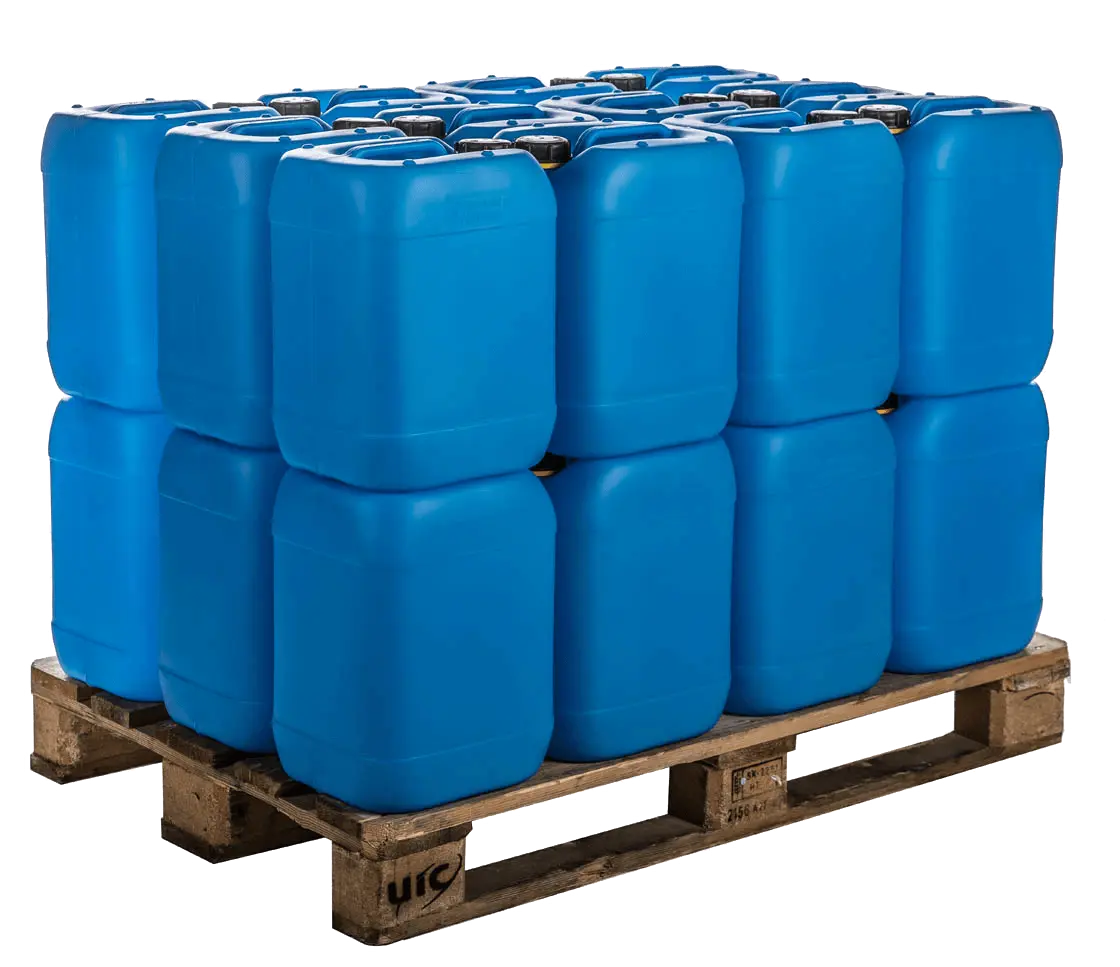
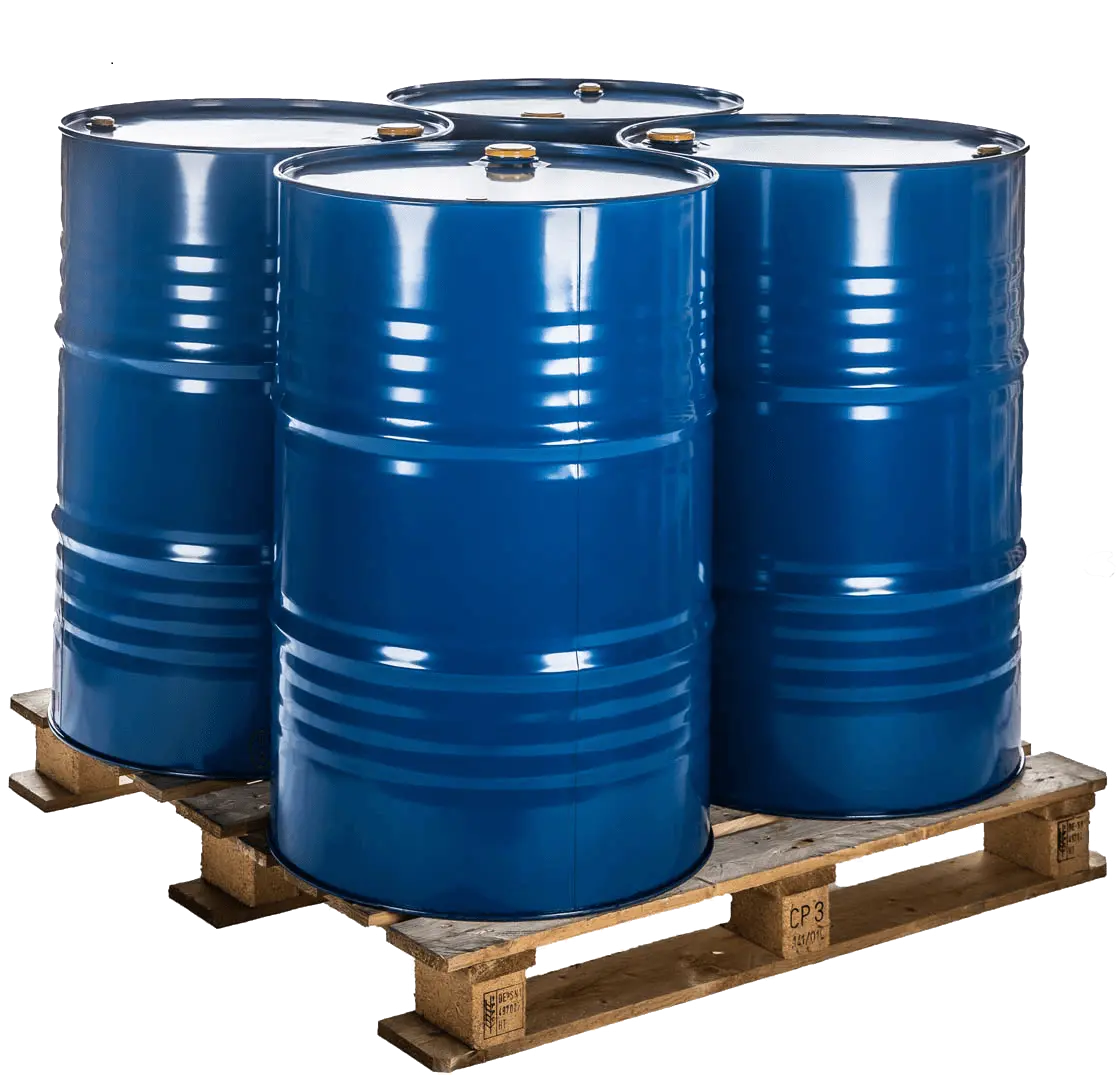
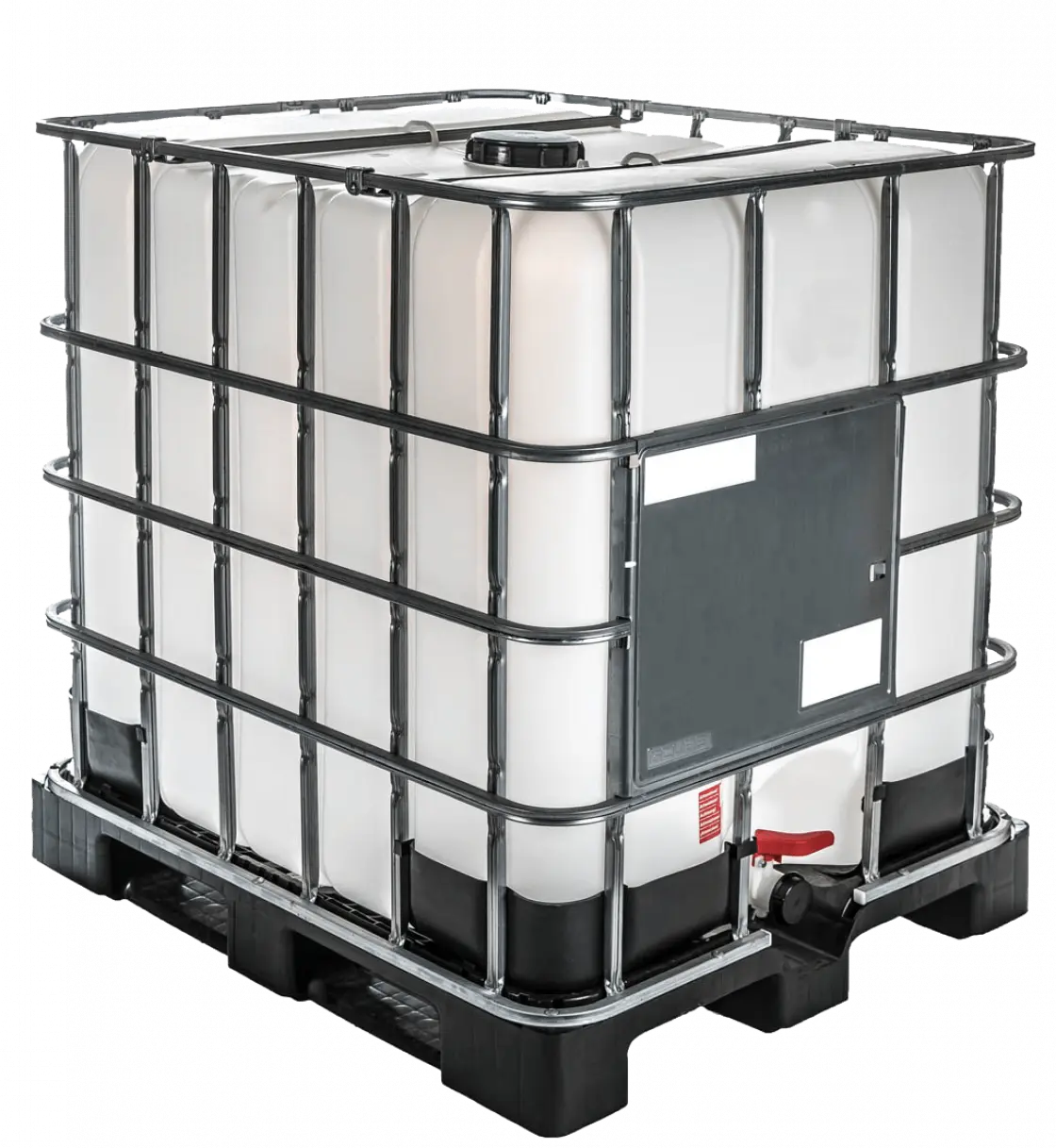
| Packaging | 25L/drum200L/drum1000L/IBC |
| Sample | Test Samples Available (Click to Request Samples) |
| COA | View COA |
| Price | Get Quote |
| Supply Type | Bulk / Contract manufacturing / OEM |
| Shipping | FCL / LCL available |
| Payment Terms | Support FOB \ CIF \ EXW quotations, and accept Letter of Credit (L/C). |
| Manufacturer | Greenrock Chemical(China Factory) |






QUOTE TYPE
PACKAGING TYPE
TOTAL QUANTITY(KG)
PREFERRED SHIPPING METHOD
YOUR COMPANY
YOUR E-MAIL
Calculate Summary
Based on current marketvolatility and material availability.
Documents We Provide for 7698-05-7
Post-sale: Full documentation is provided.
To request documents, please contact us via email at sales@GRchemical.com.

Bulk 7698-05-7 Supplier from China
17+ years in chemical exports.Fully compliant, reliable supply.Your B2B partner in bulk chemical procurement.
Industrial Applications of 7698-05-7
| Industry | Application | Process |
|---|---|---|
| Pharmaceuticals | Solvent for nuclear magnetic resonance (NMR) analysis to determine drug molecule structures | Dissolved samples are analyzed directly by NMR |
| Chemical Research | Deuterated reagent for isotopic labeling or mechanistic studies of chemical reactions | Used as reaction medium or catalyst support |
| Materials Science | Synthesis of deuterated polymers to enhance material properties (e.g., optical performance, thermal stability) | Acidic environment control during polymerization |
| Nuclear Industry | Intermediate in heavy water production for use as neutron moderator or coolant in nuclear reactors | Isotope separation and purification |
| Analytical Testing | Reference standard for calibrating mass spectrometers or infrared spectrometers | Standard substance used in instrument calibration |
| Semiconductors | Cleaning or etching silicon wafer surface oxides | Supporting reagent in wet etching processes |
Manufacturing Quality Control of 7698-05-7
| Detection Item | Common Testing Method | Method Overview |
|---|---|---|
| Degree of Deuterium Labeling (D%) | Proton Nuclear Magnetic Resonance (¹H NMR) | Measures the integral ratio of residual proton signals in H₂O versus D₂O to calculate deuteration degree. Residual H signal appears at ~4.7 ppm; deuteration degree = 1 - (H₂O / (H₂O + D₂O)). High accuracy requires internal standard (e.g., TMS) or quantitative correction. |
| Degree of Deuterium Labeling (D%) | Fourier Transform Infrared Spectroscopy (FT-IR) | Estimates deuteration level by the absorbance ratio between O-D stretching vibration peak (~2500 cm⁻¹) and O-H peak (~3400 cm⁻¹), using a calibration curve. Suitable for rapid screening, but lower precision compared to NMR. |
| HCl Concentration | Titration Method (Acid-Base Titration) | Determines the molar concentration of DCl via titration with standardized NaOH solution (using phenolphthalein or pH meter for endpoint detection). Minor effects from D₂O solvent on titration curve should be considered; calibration with deuterated buffers is recommended. |
| HCl Concentration | Conductivity Measurement | Measures solution conductivity and correlates it with known concentrations of DCl standards to rapidly determine concentration. Applicable to high-purity, low-impurity systems; requires temperature compensation. |
| Water Content (H₂O) | Karl Fischer Titration | Uses specialized Karl Fischer reagents designed for deuterated solvents to precisely measure trace water content (typically required to be < 0.5%). This is a critical quality control parameter. |
| Heavy Metal Impurities | Inductively Coupled Plasma Mass Spectrometry (ICP-MS) | Detects trace metal ions (e.g., Fe, Cu, Na, K), ensuring compliance with high-purity reagent standards (e.g., semiconductor grade); detection limits can reach parts-per-trillion (ppt) levels. |
| Organic Impurities | Gas Chromatography-Mass Spectrometry (GC-MS) | Detects residual organic solvents (e.g., ethanol, acetone) or synthetic by-products. Samples must be evaporated and concentrated prior to injection. Suitable for high-purity applications. |
| pH Value | pH Meter Calibrated with Deuterated Buffers | Measures solution acidity using a dedicated pH electrode calibrated in D₂O (e.g., Ag/AgCl double-junction electrode). Due to differences in activity between D⁺ and H⁺, calibration must be performed using deuterated standard buffer solutions (e.g., DCl/D₂O buffer system). |
| Stability (Post-storage) | Repeated ¹H NMR and Titration | Periodically monitors changes in deuteration degree and concentration to assess degradation during long-term storage, such as DCl hydrolysis or reactions with container materials (e.g., silica release from glass). |
| Chloride Ion Purity | Ion Chromatography (IC) | Separates and quantifies Cl⁻ ions, excluding contamination by other halides (e.g., Br⁻, I⁻). Essential for high-purity applications (e.g., pharmaceuticals, NMR solvents). |
Technical Specifications of 7698-05-7
| Test Item | Specification |
|---|---|
| Appearance | Colorless to pale yellow liquid |
| Purity | >=98.5% (D, 99.5%) DCL 20% in D2O |
| Water Content (KF) | <=0.5% |
| Total Impurities | <=1.5% |
| Single Impurity | <=0.5% |
| Odor | Characteristic pungent odor |
| Acid Value (mg KOH/g) | >=360 mg KOH/g |
| Relative Density (20°C/25°C) | 1.07–1.12 g/cm³ |
 Specifications vary by industry. Reach out to our technical experts for a COA tailored specifically to your application. Email:selse@GRchemical.com
|
|
Download COA of 7698-05-7
| CAS/Product ID | *Required fields | |
| Lot/Batch Number | *Required fields | |



Packaging of 7698-05-7
Industrial 7698-05-7 Procurement FAQ
1. How do you ensure product quality consistency?
We rely on a mature China-based manufacturing system and implement strict batch control and quality inspection for every shipment. Our production process complies with ISO 9001 standards, and a COA is provided for each batch to ensure consistent and reliable quality.
2. Do you offer competitive pricing for bulk orders?
Yes, as a China-based manufacturer and bulk supplier, we provide tiered pricing based on order volume. We support FOB and CIF quotations, as well as L/C payment terms for large transactions to meet international trade requirements.
3. Can you support large-volume or long-term supply?
We have stable production capacity and a well-established supply chain, enabling continuous bulk supply. We support ton-level and container-level orders, as well as long-term cooperation projects.
4. What is your typical lead time?
For in-stock products, shipment can be arranged within 1–3 days. For bulk packaging or customized orders, lead time depends on the specific quantity and production schedule.
5. What documents do you provide?
We can provide complete documentation upon request, including COA, SDS, TDS, and other compliance certificates, meeting industrial procurement and export requirements.
6. Can you customize product specifications or packaging?
Yes, we support customization of parameters such as purity, impurities, residual solvents, and heavy metals. We also offer various bulk packaging options, including 25kg bags, drums, and IBC tanks, suitable for industrial applications and transportation.
7. What shipping options do you support?
We support both FCL (Full Container Load) and LCL (Less than Container Load) shipments, and can flexibly arrange logistics solutions based on order size to meet bulk chemical export needs.
8. Do you provide technical or application support?
Yes, we provide basic application guidance and technical support based on industry experience to help customers optimize product usage.
9. How do you handle compliance and export regulations?
We are familiar with international trade and export regulations, ensuring all products comply with relevant requirements. We also provide complete documentation to support smooth customs clearance and global delivery.
Use Bulk
Supply Factory
Direct ISO 9001
Certified Samples
Available Stable
Supply