1,3-Dibromo-5,5-dimethylhydantoin Bulk Supply for Industrial Use
China Factory Direct
 |
|
| CAS number | 77-48-5 |
| Product name | 1,3-Dibromo-5,5-dimethylhydantoin |
| Stock | Stock readily available; annual supply capacity exceeding 1,000 tons. |
| Grade | Agricultural GradeIndustrial GradeSpecialty GradeFood GradeCosmetic Grade |
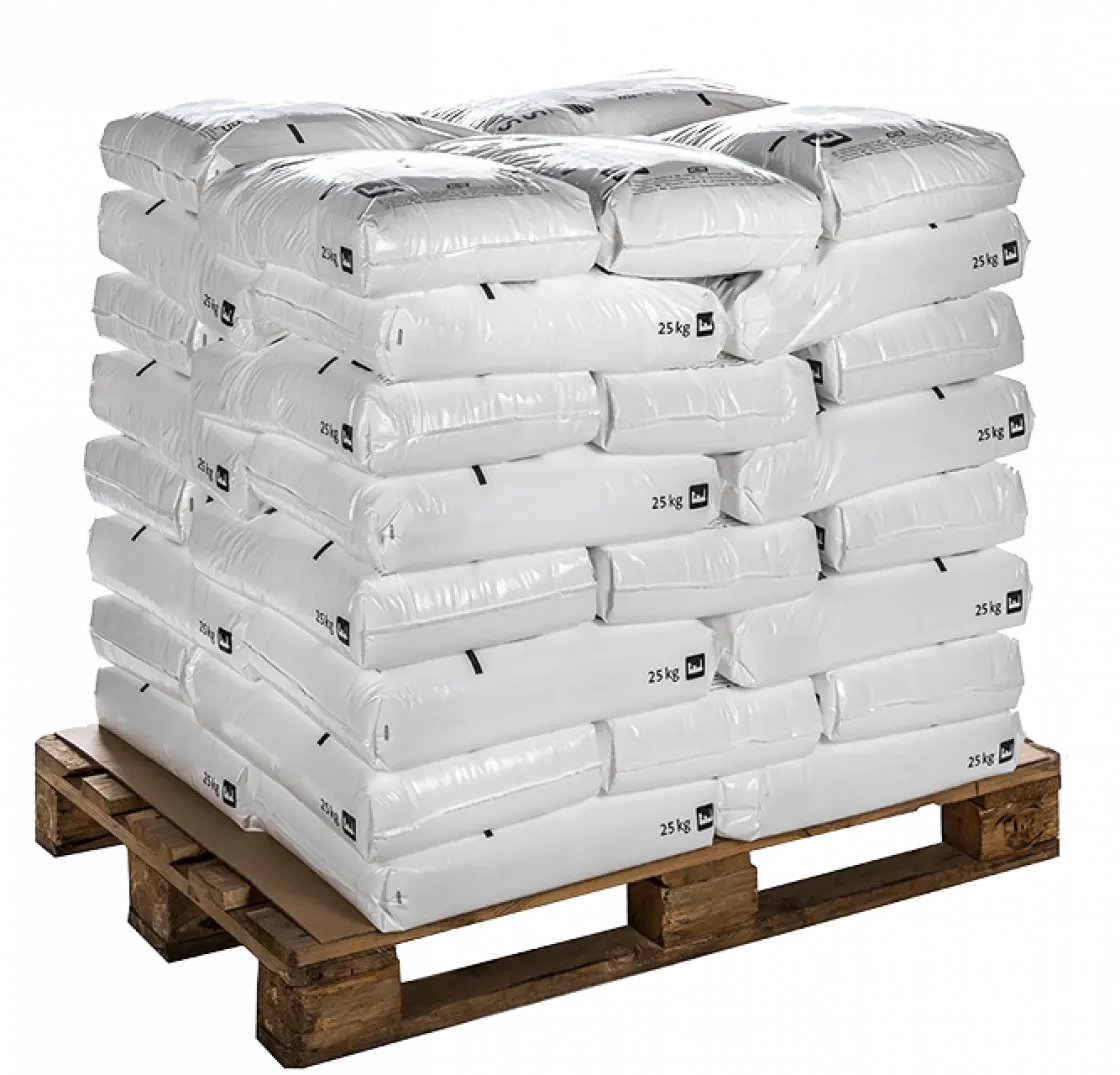
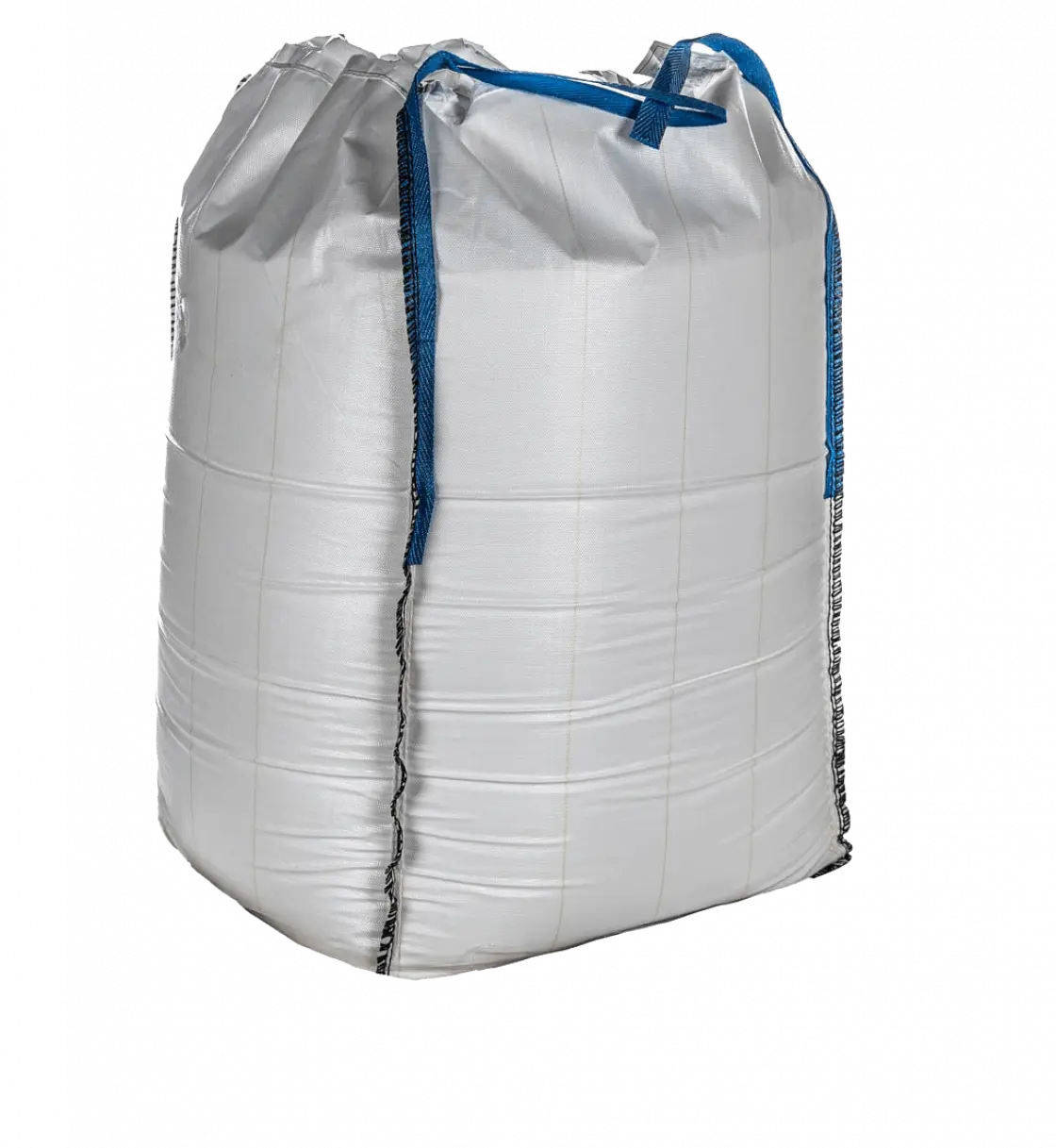
| Packaging | 25KG/bag500KG/bag1000KG/bag |
| Sample | Test Samples Available (Click to Request Samples) |
| COA | View COA |
| Price | Get Quote |
| Supply Type | Bulk / Contract manufacturing / OEM |
| Shipping | FCL / LCL available |
| Payment Terms | Support FOB \ CIF \ EXW quotations, and accept Letter of Credit (L/C). |
| Manufacturer | Greenrock Chemical(China Factory) |






QUOTE TYPE
PACKAGING TYPE
TOTAL QUANTITY(KG)
PREFERRED SHIPPING METHOD
YOUR COMPANY
YOUR E-MAIL
Calculate Summary
Based on current marketvolatility and material availability.
Documents We Provide for 1,3-Dibromo-5,5-dimethylhydantoin
Post-sale: Full documentation is provided.
To request documents, please contact us via email at sales@GRchemical.com.
Bulk 1,3-Dibromo-5,5-dimethylhydantoin Supplier from China
17+ years in chemical exports.Fully compliant, reliable supply.Your B2B partner in bulk chemical procurement.
Industrial Applications of 1,3-Dibromo-5,5-dimethylhydantoin
| Industry | Application | Process |
|---|---|---|
| Disinfectants | Disinfection of medical devices, surgical instruments, and environmental surfaces | Dibromohydantoin dissolves in water to release hypobromous acid, which disrupts microbial cell structures via oxidation |
| Water Treatment | Disinfection and algaecide treatment for drinking water, swimming pool water, and industrial recirculating water | Added to water as a solution to provide sustained release of active bromine, thereby inhibiting microbial growth |
| Livestock and Aquaculture | Disinfection of aquaculture water bodies and pond water purification | Applied by broadcasting into water to control proliferation of pathogens and parasites |
| Personal Care Products | Bactericidal agent in hand sanitizers, disinfectant wipes, and other personal care products | Incorporated into formulations as a controlled-release biocide to enhance antimicrobial efficacy |
| Textile Printing and Dyeing | Antibacterial finishing and anti-mildew treatment of fabrics | Used in immersion or coating processes to impart durable antimicrobial properties to textiles |
| Food Processing | Disinfection of food-contact surfaces (e.g., processing equipment in food plants) | Applied as a low-concentration solution via spraying or wiping to ensure effective sterilization without residue |
| Agriculture | Plant disease control and seed disinfection | Applied via foliar spray or seed soaking to suppress infection by fungal and bacterial pathogens |
Manufacturing Quality Control of 1,3-Dibromo-5,5-dimethylhydantoin
| Test Item | Common Test Method | Method Overview |
|---|---|---|
| Available Bromine Content | Iodometric Method (Redox Titration) | Dibromohydantoin releases bromine under acidic conditions, which reacts with potassium iodide to generate iodine. The liberated iodine is then titrated with a standard sodium thiosulfate solution. The available bromine content is calculated based on the amount of sodium thiosulfate consumed. This method is simple to perform and highly accurate, and is commonly used in pharmacopoeias and industry standards. |
| pH Value | pH Meter Method | Aqueous solution of dibromohydantoin at a specified concentration (typically 1% or as per standard preparation) is equilibrated at constant temperature, and the pH value is directly measured using a calibrated pH meter. This test evaluates the product's acid-base stability and its potential impact on application environments. |
| Loss on Drying | Gravimetric Loss on Drying | A weighed sample is placed in a pre-weighed weighing bottle and dried at a specified temperature (e.g., 105°C) until constant weight is achieved. The percentage weight loss is calculated to determine the content of moisture and volatile substances in the sample. |
| Sulphated Ash (Residue on Ignition) | High-Temperature Ashing Method | The sample is incinerated in a muffle furnace at high temperature (typically 700–800°C) until complete carbonization and ashing occur. After cooling, the residual inorganic matter is weighed to control the level of inorganic impurities. |
| Heavy Metals | Thioacetamide Colorimetric Method (or Atomic Absorption Spectroscopy) | Following the general methods in the Chinese Pharmacopoeia, the sample is treated and then reacted with thioacetamide under weakly acidic conditions to form colored metal sulfide precipitates, which are compared visually with a lead standard solution. Alternatively, atomic absorption spectroscopy (AAS) can be used for quantitative determination to control heavy metal impurities such as lead and arsenic. |
| Assay (Active Ingredient) | High-Performance Liquid Chromatography (HPLC) | Uses a reversed-phase C18 column with methanol-water or acetonitrile-water as the mobile phase, and UV detection (e.g., at 230 nm). Quantification is performed by external or internal standard method. This method offers high specificity and sensitivity, suitable for precise determination of dibromohydantoin in raw materials and formulations. |
| Free Bromine / Free Halogens | Silver Nitrate Titration or Spectrophotometry | Free bromine reacts with silver nitrate to form a precipitate, or reacts with a color-developing reagent (e.g., ortho-tolidine), and the absorbance is measured. These methods assess the level of unstable free halogen impurities in the product. |
Technical Specifications of 1,3-Dibromo-5,5-dimethylhydantoin
| Test Item | Specification |
|---|---|
| Appearance | White to light yellow crystalline powder |
| Purity | >=98.0% |
| Water Content (KF) | <=0.5% |
| Melting Point | 175-179°C |
| Total Impurities | <=2.0% |
| Heavy Metals | <=20 ppm |
| Residue on Ignition | <=0.3% |
| Odor | Characteristic mild bromine-like odor |
 Specifications vary by industry. Reach out to our technical experts for a COA tailored specifically to your application. Email:selse@GRchemical.com
|
|
Download COA of 1,3-Dibromo-5,5-dimethylhydantoin
| CAS/Product ID | *Required fields | |
| Lot/Batch Number | *Required fields | |
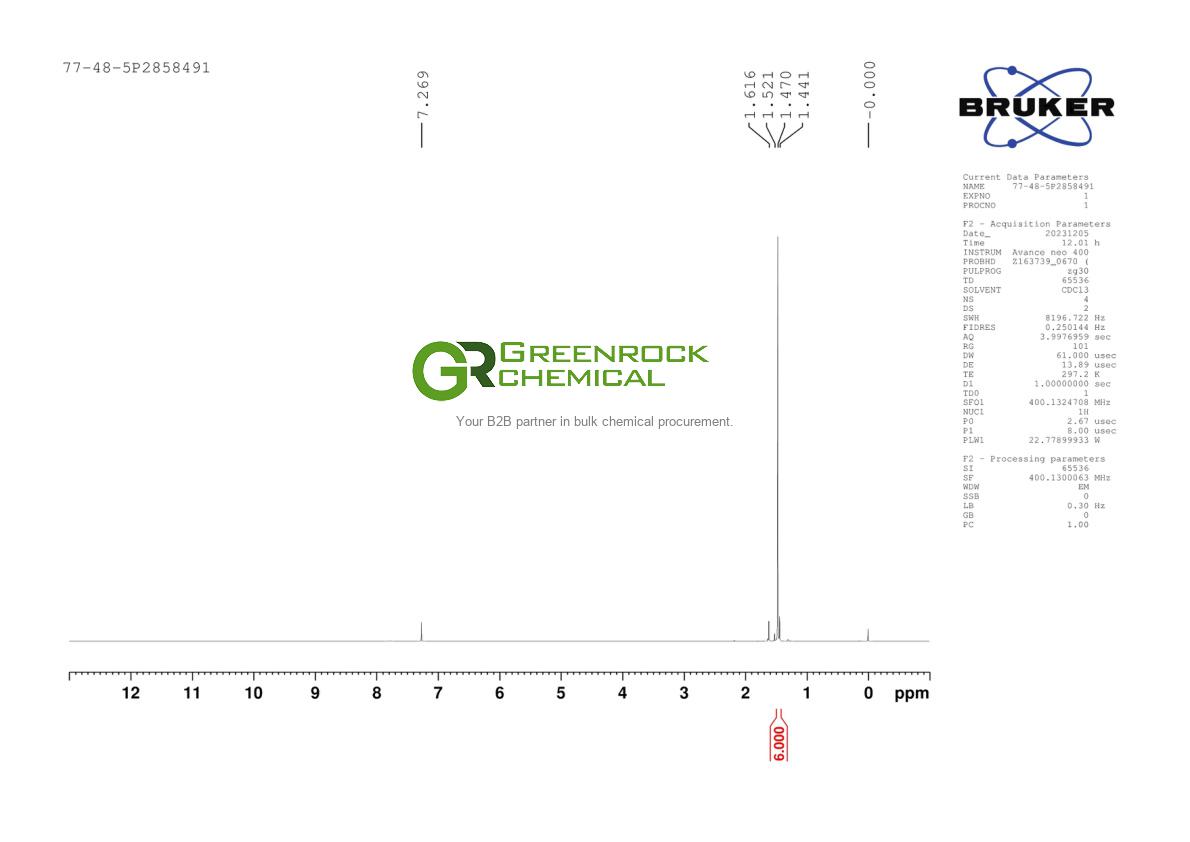
NMR Spectra of 1,3-Dibromo-5,5-dimethylhydantoin
Safety Information of 1,3-Dibromo-5,5-dimethylhydantoin
| Pictograms | 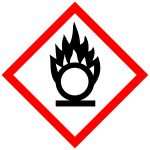 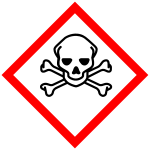   |
| Signal Word | Danger |
| Safety Data Sheet | |
Packaging of 1,3-Dibromo-5,5-dimethylhydantoin
Industrial 1,3-Dibromo-5,5-dimethylhydantoin Procurement FAQ
1. How do you ensure product quality consistency?
We rely on a mature China-based manufacturing system and implement strict batch control and quality inspection for every shipment. Our production process complies with ISO 9001 standards, and a COA is provided for each batch to ensure consistent and reliable quality.
2. Do you offer competitive pricing for bulk orders?
Yes, as a China-based manufacturer and bulk supplier, we provide tiered pricing based on order volume. We support FOB and CIF quotations, as well as L/C payment terms for large transactions to meet international trade requirements.
3. Can you support large-volume or long-term supply?
We have stable production capacity and a well-established supply chain, enabling continuous bulk supply. We support ton-level and container-level orders, as well as long-term cooperation projects.
4. What is your typical lead time?
For in-stock products, shipment can be arranged within 1–3 days. For bulk packaging or customized orders, lead time depends on the specific quantity and production schedule.
5. What documents do you provide?
We can provide complete documentation upon request, including COA, SDS, TDS, and other compliance certificates, meeting industrial procurement and export requirements.
6. Can you customize product specifications or packaging?
Yes, we support customization of parameters such as purity, impurities, residual solvents, and heavy metals. We also offer various bulk packaging options, including 25kg bags, drums, and IBC tanks, suitable for industrial applications and transportation.
7. What shipping options do you support?
We support both FCL (Full Container Load) and LCL (Less than Container Load) shipments, and can flexibly arrange logistics solutions based on order size to meet bulk chemical export needs.
8. Do you provide technical or application support?
Yes, we provide basic application guidance and technical support based on industry experience to help customers optimize product usage.
9. How do you handle compliance and export regulations?
We are familiar with international trade and export regulations, ensuring all products comply with relevant requirements. We also provide complete documentation to support smooth customs clearance and global delivery.
Use Bulk
Supply Factory
Direct ISO 9001
Certified Samples
Available Stable
Supply