Sodium amide Bulk Supply for Industrial Use
China Factory Direct
 |
|
| CAS number | 7782-92-5 |
| Product name | Sodium amide |
| Stock | Stock readily available; annual supply capacity exceeding 1,000 tons. |
| Grade | Pharmaceutical GradeMaterial GradeSpecialty GradeIndustrial GradeReagent Grade |
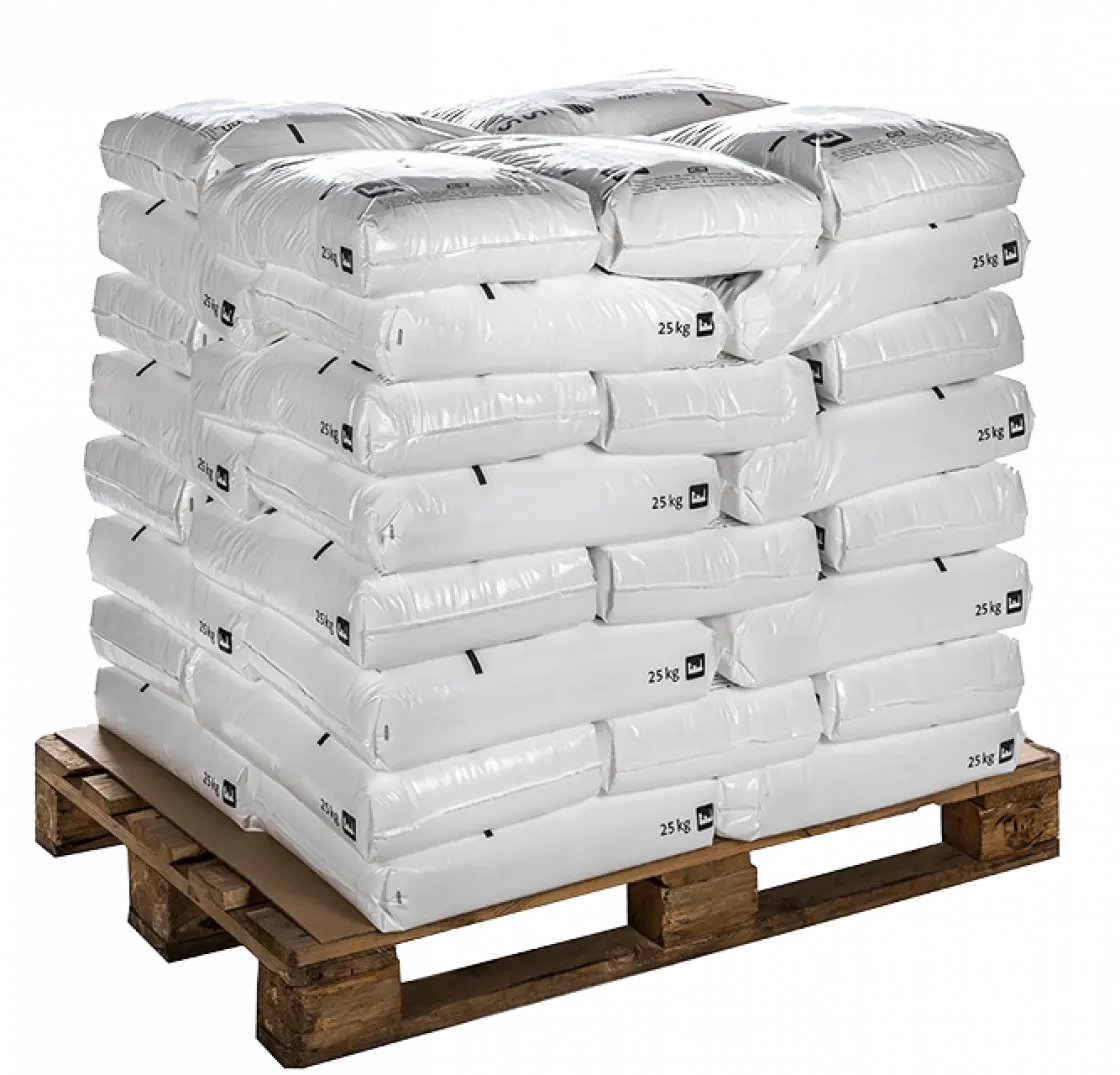
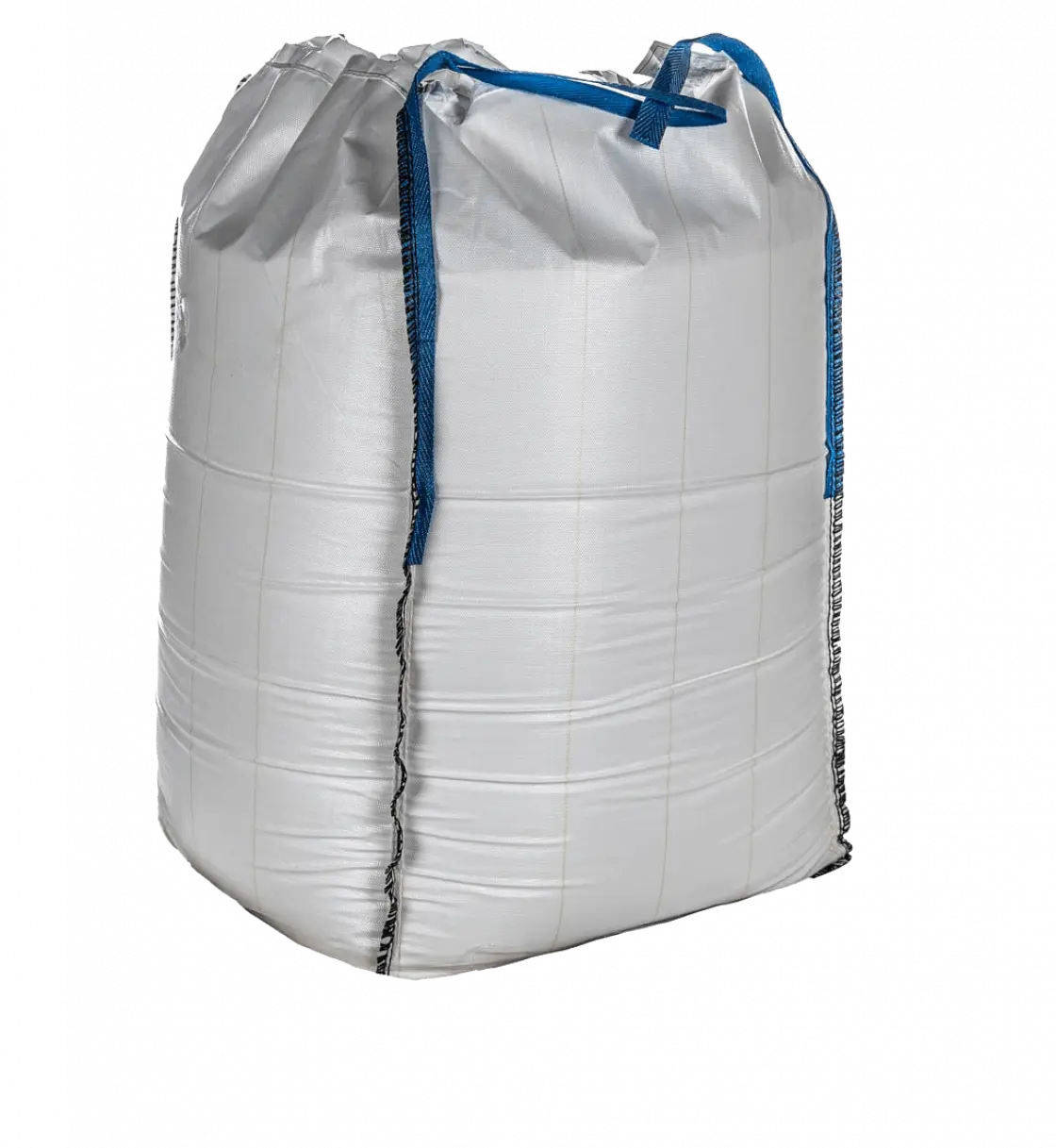
| Packaging | 25KG/bag500KG/bag1000KG/bag |
| Sample | Test Samples Available (Click to Request Samples) |
| COA | View COA |
| Price | Get Quote |
| Supply Type | Bulk / Contract manufacturing / OEM |
| Shipping | FCL / LCL available |
| Payment Terms | Support FOB \ CIF \ EXW quotations, and accept Letter of Credit (L/C). |
| Manufacturer | Greenrock Chemical(China Factory) |






QUOTE TYPE
PACKAGING TYPE
TOTAL QUANTITY(KG)
PREFERRED SHIPPING METHOD
YOUR COMPANY
YOUR E-MAIL
Calculate Summary
Based on current marketvolatility and material availability.
Documents We Provide for Sodium amide
Post-sale: Full documentation is provided.
To request documents, please contact us via email at sales@GRchemical.com.
Bulk Sodium amide Supplier from China
17+ years in chemical exports.Fully compliant, reliable supply.Your B2B partner in bulk chemical procurement.
Industrial Applications of Sodium amide
| Industry | Application | Process |
|---|---|---|
| Pesticides | Synthesis of organophosphorus pesticide intermediates | Acts as a strong base catalyst in condensation reactions for preparing intermediates such as trichlorfon |
| Dyes | Production of azo and sulfur dyes | Used as a basic medium regulator in diazotization reactions to facilitate dye synthesis |
| Pharmaceuticals | Synthesis of pharmaceutical intermediates (e.g., sulfonamides) | Acts as a strong base to promote amidation or condensation reactions for constructing drug molecular frameworks |
| Polymers | Synthesis of polymer initiators or crosslinking agents | Used in polymerization reactions to initiate free-radical reactions or as a chain-transfer agent |
| Organic Synthesis | Strong base and reducing agent | Applied in organic synthesis for deprotonation, dehydrohalogenation, and reduction reactions—e.g., synthesis of aromatic amines |
| Chemical Analysis | Standard reagent for titration analysis | Used to determine the content of acidic substances, serving as a basic standard solution |
Manufacturing Quality Control of Sodium amide
| Test Item | Common Testing Method | Method Overview |
|---|---|---|
| Assay | Non-aqueous Titration | Using liquid ammonia or methanol as solvent, titrate with a standard acid (e.g., hydrochloric acid in ethanol solution). The endpoint is determined by an indicator (e.g., thymol blue), and the purity of sodium amide is calculated. Suitable for quantitative analysis of high-purity samples. |
| Moisture Content | Karl Fischer Titration | Based on the reaction of iodine and sulfur dioxide with water in an anhydrous environment, this method precisely measures trace moisture via potentiometric titration, ensuring that sodium amide has not undergone hydrolysis or degradation. |
| Impurity Anions (e.g., OH⁻, Cl⁻) | Ion Chromatography (IC) or Colorimetric Analysis | Ion chromatography is used to separate and detect impurity anions such as hydroxide and chloride ions; alternatively, specific colorimetric reactions allow semi-quantitative analysis to evaluate raw material purity and storage stability. |
| Ammonia Release Test | Thermal Hydrolysis - Gas Detection | The sample is heated or reacted with water to release ammonia gas, which is detected by a moist red litmus paper turning blue or by a pH meter measuring the alkalinity of the gas, providing a qualitative assessment of sodium amide reactivity and decomposition status. |
| Appearance and Physical State | Visual Inspection and Melting Point Determination | Observe whether the sample appears as grayish-white to yellow lumps or powder, checking for signs of deliquescence or caking; melting point determination (decomposes around 275°C) can further assist in assessing purity. |
| Heavy Metal Content | Atomic Absorption Spectroscopy (AAS) or ICP-MS | After acid digestion, residual heavy metals such as lead, iron, and copper are measured to ensure compliance with chemical safety standards. |
| Oxide/Hydroxide Content | Acid-Base Titration with Difference Calculation | Total alkalinity is measured, and the contribution from sodium amide is subtracted to estimate impurities such as Na₂O or NaOH, reflecting the degree of moisture absorption and oxidation during storage. |
Technical Specifications of Sodium amide
| Test Item | Specification |
|---|---|
| Appearance | White to gray powder or crystals |
| Purity | >=98.0% |
| Water Content (KF) | <=0.5% |
| Total Impurities | <=2.0% |
| Single Impurity | <=0.5% |
| Residue on Ignition | <=0.3% |
| Heavy Metals | <=10 ppm |
 Specifications vary by industry. Reach out to our technical experts for a COA tailored specifically to your application. Email:selse@GRchemical.com
|
|
Download COA of Sodium amide
| CAS/Product ID | *Required fields | |
| Lot/Batch Number | *Required fields | |



Packaging of Sodium amide
Industrial Sodium amide Procurement FAQ
1. How do you ensure product quality consistency?
We rely on a mature China-based manufacturing system and implement strict batch control and quality inspection for every shipment. Our production process complies with ISO 9001 standards, and a COA is provided for each batch to ensure consistent and reliable quality.
2. Do you offer competitive pricing for bulk orders?
Yes, as a China-based manufacturer and bulk supplier, we provide tiered pricing based on order volume. We support FOB and CIF quotations, as well as L/C payment terms for large transactions to meet international trade requirements.
3. Can you support large-volume or long-term supply?
We have stable production capacity and a well-established supply chain, enabling continuous bulk supply. We support ton-level and container-level orders, as well as long-term cooperation projects.
4. What is your typical lead time?
For in-stock products, shipment can be arranged within 1–3 days. For bulk packaging or customized orders, lead time depends on the specific quantity and production schedule.
5. What documents do you provide?
We can provide complete documentation upon request, including COA, SDS, TDS, and other compliance certificates, meeting industrial procurement and export requirements.
6. Can you customize product specifications or packaging?
Yes, we support customization of parameters such as purity, impurities, residual solvents, and heavy metals. We also offer various bulk packaging options, including 25kg bags, drums, and IBC tanks, suitable for industrial applications and transportation.
7. What shipping options do you support?
We support both FCL (Full Container Load) and LCL (Less than Container Load) shipments, and can flexibly arrange logistics solutions based on order size to meet bulk chemical export needs.
8. Do you provide technical or application support?
Yes, we provide basic application guidance and technical support based on industry experience to help customers optimize product usage.
9. How do you handle compliance and export regulations?
We are familiar with international trade and export regulations, ensuring all products comply with relevant requirements. We also provide complete documentation to support smooth customs clearance and global delivery.
Use Bulk
Supply Factory
Direct ISO 9001
Certified Samples
Available Stable
Supply