Decabromodiphenyl Ethane Bulk Supply for Industrial Use
China Factory Direct
 |
|
| CAS number | 84852-53-9 |
| Product name | Decabromodiphenyl Ethane |
| Stock | Stock readily available; annual supply capacity exceeding 1,000 tons. |
| Grade | Industrial Grade |
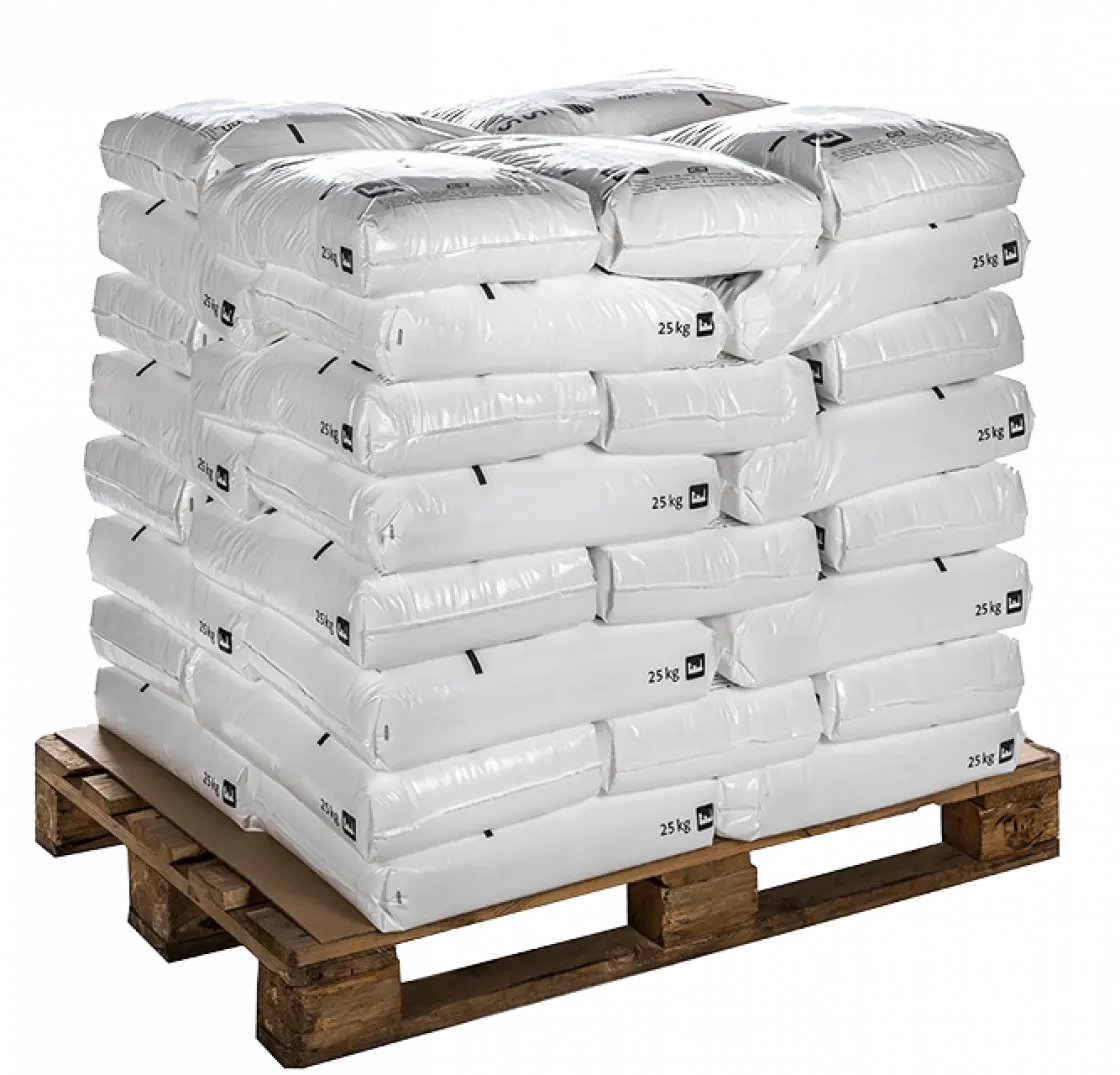
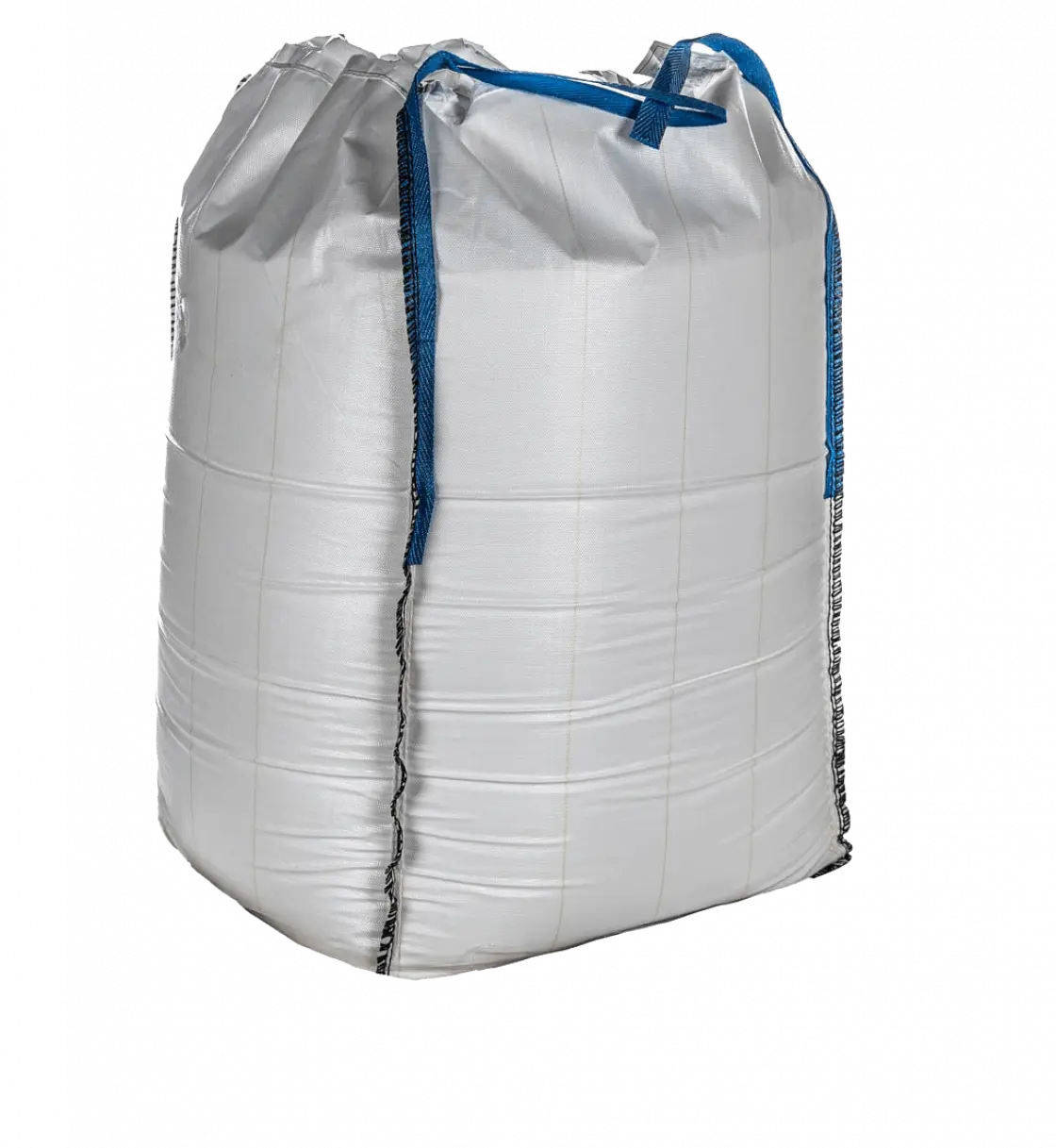
| Packaging | 25KG/bag500KG/bag1000KG/bag |
| Sample | Test Samples Available (Click to Request Samples) |
| COA | View COA |
| Price | Get Quote |
| Supply Type | Bulk / Contract manufacturing / OEM |
| Shipping | FCL / LCL available |
| Payment Terms | Support FOB \ CIF \ EXW quotations, and accept Letter of Credit (L/C). |
| Manufacturer | Greenrock Chemical(China Factory) |






QUOTE TYPE
PACKAGING TYPE
TOTAL QUANTITY(KG)
PREFERRED SHIPPING METHOD
YOUR COMPANY
YOUR E-MAIL
Calculate Summary
Based on current marketvolatility and material availability.
Documents We Provide for Decabromodiphenyl Ethane
Post-sale: Full documentation is provided.
To request documents, please contact us via email at sales@GRchemical.com.
Bulk Decabromodiphenyl Ethane Supplier from China
17+ years in chemical exports.Fully compliant, reliable supply.Your B2B partner in bulk chemical procurement.
Industrial Applications of Decabromodiphenyl Ethane
| Industry | Application | Process |
|---|---|---|
| Electronics and Electrical Appliances | Used in manufacturing computer housings, printer components, TV casings, washing machine parts, cable insulation layers, and connectors | Melt-compounded and pelletized with resins such as ABS, PBT, HIPS, and PVC using a twin-screw extruder, followed by injection molding |
| Automotive Industry | Used in manufacturing interior trim parts, instrument panels, seat components, bumpers, and under-hood electrical components | Blended with base polymers such as PP, PA (nylon), and PBT, pelletized, and subsequently injection-molded |
| Wire and Cable Industry | Used in cable insulation and jacketing materials to enhance flame retardancy | Extruded as flame-retardant PVC or polyolefin compounds onto conductor surfaces |
| Construction Materials Industry | Used in producing flame-retardant adhesives, sealants, rubber flooring, flame-retardant panels, and thermal insulation materials | High-temperature compounding or mixing during rubber or adhesive production, followed by vulcanization or coating |
| Textile Industry | Used in producing flame-retardant textiles, industrial flame-retardant canvas, tents, and protective clothing | Incorporated during fiber spinning (melt-blending) or applied as a coating finish via padding or coating processes |
| Home Appliance Industry | Used in manufacturing refrigerator liners, air conditioner housings, microwave oven components, and housings for small domestic appliances | Blended and pelletized with plastic resins such as HIPS and PP, then processed via injection molding |
| Engineering Plastics Industry | Used as a flame-retardant modifier for general-purpose engineering plastics (e.g., PBT, PET, PA6/PA66) | Processed via melt extrusion and pelletization to produce flame-retardant modified engineering plastic pellets for downstream processing |
Manufacturing Quality Control of Decabromodiphenyl Ethane
| Detection Item | Common Testing Methods | Method Overview |
|---|---|---|
| Content Determination | High-Performance Liquid Chromatography (HPLC) | Uses reversed-phase columns (e.g., C18), UV or mass spectrometry (MS) detectors. Quantifies DBDPE content in samples via standard calibration curves. Offers high resolution and good reproducibility. |
| Gas Chromatography-Mass Spectrometry (GC-MS) | After appropriate sample pretreatment (e.g., solvent extraction, concentration), separation is achieved by gas chromatography followed by mass spectrometry for qualitative and quantitative analysis. Suitable for trace-level detection of DBDPE in complex matrices. | |
| Purity Analysis | Liquid Chromatography-Mass Spectrometry (LC-MS) | Combines the separation capability of HPLC with the structural identification power of MS, enabling accurate determination of DBDPE purity and identification of major impurities. |
| Impurity Analysis | Gas Chromatography-Mass Spectrometry (GC-MS) | Used to detect synthesis by-products, lower brominated compounds, or other organic impurities. Qualitative analysis is performed by comparing mass spectra with the NIST database. |
| Liquid Chromatography-Tandem Mass Spectrometry (LC-MS/MS) | More suitable for thermally unstable or non-volatile impurities; offers high sensitivity and selectivity, ideal for trace impurity detection. | |
| Bromine Content Determination | Ion Chromatography (IC) or Oxygen Bomb Combustion-Ion Chromatography | Sample is combusted at high temperature to release bromide ions (Br⁻), which are collected in water and quantified via ion chromatography. Total bromine content is calculated indirectly to assess whether DBDPE meets specifications. |
| Thermal Stability | Thermogravimetric Analysis (TGA) | Measures sample mass changes under programmed temperature rise to evaluate decomposition temperature and thermal stability. The onset decomposition temperature of DBDPE is typically above 300°C. |
| Volatility and Residual Solvents | Headspace Gas Chromatography (HS-GC) | Used to detect residual organic solvents (e.g., toluene, dichloroethane) from production processes, ensuring compliance with environmental and safety standards. |
| Particle Size Distribution (Powder Form) | Laser Particle Size Analysis | Determines the particle size distribution of DBDPE powder, which affects its dispersion and processing performance in polymers. |
| Moisture Content | Karl Fischer Titration | Accurately measures trace moisture in samples to prevent adverse effects on flame retardancy or processing due to excessive moisture. |
Technical Specifications of Decabromodiphenyl Ethane
| Test Item | Specification |
|---|---|
| Appearance | White to light yellow or light orange powder to crystalline solid |
| Purity | >=98.0% |
| Melting Point | 305-315°C |
| Total Impurities | <=2.0% |
| Water Content (KF) | <=0.5% |
| Residue on Ignition | <=0.3% |
| Heavy Metals | <=20 ppm |
 Specifications vary by industry. Reach out to our technical experts for a COA tailored specifically to your application. Email:selse@GRchemical.com
|
|
Download COA of Decabromodiphenyl Ethane
| CAS/Product ID | *Required fields | |
| Lot/Batch Number | *Required fields | |

Packaging of Decabromodiphenyl Ethane
Industrial Decabromodiphenyl Ethane Procurement FAQ
1. How do you ensure product quality consistency?
We rely on a mature China-based manufacturing system and implement strict batch control and quality inspection for every shipment. Our production process complies with ISO 9001 standards, and a COA is provided for each batch to ensure consistent and reliable quality.
2. Do you offer competitive pricing for bulk orders?
Yes, as a China-based manufacturer and bulk supplier, we provide tiered pricing based on order volume. We support FOB and CIF quotations, as well as L/C payment terms for large transactions to meet international trade requirements.
3. Can you support large-volume or long-term supply?
We have stable production capacity and a well-established supply chain, enabling continuous bulk supply. We support ton-level and container-level orders, as well as long-term cooperation projects.
4. What is your typical lead time?
For in-stock products, shipment can be arranged within 1–3 days. For bulk packaging or customized orders, lead time depends on the specific quantity and production schedule.
5. What documents do you provide?
We can provide complete documentation upon request, including COA, SDS, TDS, and other compliance certificates, meeting industrial procurement and export requirements.
6. Can you customize product specifications or packaging?
Yes, we support customization of parameters such as purity, impurities, residual solvents, and heavy metals. We also offer various bulk packaging options, including 25kg bags, drums, and IBC tanks, suitable for industrial applications and transportation.
7. What shipping options do you support?
We support both FCL (Full Container Load) and LCL (Less than Container Load) shipments, and can flexibly arrange logistics solutions based on order size to meet bulk chemical export needs.
8. Do you provide technical or application support?
Yes, we provide basic application guidance and technical support based on industry experience to help customers optimize product usage.
9. How do you handle compliance and export regulations?
We are familiar with international trade and export regulations, ensuring all products comply with relevant requirements. We also provide complete documentation to support smooth customs clearance and global delivery.
Use Bulk
Supply Factory
Direct ISO 9001
Certified Samples
Available Stable
Supply